Have you ever looked at your hammer drill and wondered if it could double as a regular drill? You’re not alone.
Many DIY enthusiasts and professionals alike ask this question, seeking to simplify their toolkits and make their projects more efficient. Imagine the convenience of having one versatile tool to handle multiple tasks, saving both time and money. But is it really possible?
We’ll explore the capabilities of a hammer drill and uncover whether it can truly serve as your all-in-one drilling solution. Stay with us to discover insights that could transform the way you tackle your next project.

Credit: www.tigerfishtools.com
Hammer Drill Basics
A hammer drill is a versatile tool. It combines drilling and hammering actions. This makes it ideal for tough materials. Concrete and brick are examples. People often wonder about its regular use. Can it replace a standard drill? Let’s explore the basics first.
What Is A Hammer Drill?
A hammer drill is different from a regular drill. It has a hammering action. This action helps break hard surfaces. It moves the drill bit back and forth rapidly. This makes drilling into masonry easier.
How Does A Hammer Drill Work?
The hammer drill uses a special mechanism. This creates a pounding motion. It’s similar to a tiny jackhammer. The drill bit spins and hammers at the same time. This dual action makes holes in hard surfaces.
Features Of A Hammer Drill
Hammer drills have unique features. They often have a switch. This lets you turn off the hammering mode. Then, it works like a regular drill. Some models come with variable speed settings. This gives more control during drilling.
Common Uses For A Hammer Drill
Hammer drills are best for masonry. Concrete, brick, and stone need this tool. It’s also useful for heavy-duty tasks. Tasks like installing anchors or screws in hard materials.
Limitations Of Using A Hammer Drill
Hammer drills are heavy and noisy. They aren’t ideal for delicate tasks. Wood or plastic drilling might suffer. The hammering action can damage softer materials.
Functionality Of Hammer Drills
Hammer drills are versatile tools designed for tough jobs. They excel in drilling through hard surfaces. Concrete, brick, and stone are no match for their power. Their unique mechanism sets them apart from regular drills.
Hammer drills combine rotation with a hammering action. This dual function makes them effective for heavy-duty tasks. Users can tackle demanding projects with ease. Their power and efficiency are unmatched.
Rotation And Hammering Action
Hammer drills rotate like regular drills. But they add a hammering motion. This motion breaks up hard materials. It makes drilling through tough surfaces easier.
Adjustable Settings
Most hammer drills come with adjustable settings. Users can switch between regular drilling and hammering modes. This flexibility enhances their functionality. It allows for use in various projects.
Power And Efficiency
Hammer drills are known for their power. They cut through hard materials quickly. Their efficiency saves time and energy. Users can complete tasks faster with less effort.
Durability And Design
Hammer drills are built to last. Their robust design withstands heavy use. They are durable and reliable. This makes them a valuable addition to any toolkit.
Versatility In Applications
Hammer drills are versatile tools. They are suitable for construction and home projects. Users can drill through wood, metal, and masonry. This versatility is a key advantage.
Comparing Hammer Drills And Regular Drills
When you’re planning a DIY project or tackling home repairs, choosing the right tool can make a world of difference. You might wonder if you can use a hammer drill as a regular drill. Understanding the differences between these two tools will help you make an informed decision. Let’s dive into the key aspects that set hammer drills apart from regular drills.
Speed And Power Differences
Hammer drills are known for their strength and speed. They are designed to drive screws and drill holes in tough materials like concrete and brick. This extra power comes from their hammering action, which adds a rapid tapping motion to the spinning drill bit.
In contrast, regular drills are more suited for wood, plastic, and metal. They offer precision and control, which is ideal for delicate tasks and smaller projects. If you’ve ever tried to hang a picture frame or assemble furniture, you know how valuable this precision can be.
Imagine trying to drill into a fragile surface with a hammer drill. You might end up with a chipped wall or cracked tile. Regular drills give you the finesse needed for tasks that require a gentle touch.
Design And Build Variations
Hammer drills are often bulkier and heavier, reflecting their powerful design. They feature a clutch mechanism that allows you to switch between hammering and drilling modes. This versatility can be advantageous if you’re working on varied surfaces in one project.
Regular drills are typically lighter and more compact. Their straightforward design makes them easy to handle, especially in tight or awkward spaces. Think about how often you’ve found yourself in a tight corner, wishing for a tool that’s easy to maneuver.
Using a hammer drill for tasks meant for a regular drill can be cumbersome. If you’re assembling a delicate piece of furniture, a lightweight regular drill will serve you better. It offers the agility needed to work in confined spaces without causing fatigue.
So, what do you choose for your next project? The hammer drill’s power or the regular drill’s precision? Each tool has its unique strengths. Matching these strengths to your project’s needs will lead to better results and a smoother experience.
Versatility Of Hammer Drills
The hammer drill is a powerful tool in the world of drilling. It combines the functions of a hammer and a drill. This makes it incredibly versatile. Many wonder if it can replace a regular drill. The answer lies in its flexibility and adaptability. Let’s explore how a hammer drill can serve multiple purposes.
Switching Modes
A key feature of hammer drills is mode switching. You can easily switch between hammer and regular drill modes. This allows you to use it for various tasks. Use the hammer mode for tough surfaces. Switch to regular mode for softer materials. This feature makes it suitable for different projects. It saves you from buying separate tools.
Use In Different Materials
Hammer drills excel in drilling through concrete and brick. Their hammer action makes this possible. But they are not limited to these materials. Switch to regular mode for wood, metal, and plastic. This versatility is a huge advantage. You can tackle diverse projects with one tool. It simplifies your toolkit and saves space.
Advantages Of Using A Hammer Drill
Hammer drills offer versatility, functioning as regular drills for simple tasks. They excel in heavy-duty jobs like masonry. Their dual-purpose design makes them a valuable tool for DIY enthusiasts and professionals alike, providing efficient drilling in various materials.
When you’re tackling a DIY project or even a professional task, the tools you choose can make a world of difference. Enter the hammer drill, a powerhouse in the world of drilling. While many wonder if it can double as a regular drill, the advantages it offers might surprise you. Understanding these benefits can help you make an informed choice the next time you’re reaching for a drill.Enhanced Drilling Efficiency
A hammer drill combines the rotational movement of a regular drill with a hammering action. This dual function means you can drill through tough materials like concrete or brick with ease. Imagine trying to hang a heavy mirror on a concrete wall. A standard drill may struggle, but a hammer drill powers through, saving you time and effort. This tool’s efficiency can transform your project experience. You might find yourself tackling tasks you once thought too challenging. It’s like having a secret weapon in your toolkit.Durability And Strength
Hammer drills are built to last. Their robust design means they can handle tougher jobs without wearing out quickly. Consider a scenario where you’re working on a renovation project that involves drilling through various surfaces. The durability of a hammer drill ensures it won’t give up halfway through your project. Think about the long-term benefits. Investing in a durable tool means fewer replacements and repairs. Your wallet will thank you, and so will your future projects. Have you ever wondered how some people manage to keep their tools for years without any issues? The answer often lies in choosing tools designed for strength, like the hammer drill. It’s an investment that pays off in reliability and performance. So, the next time you find yourself weighing the pros and cons of using a hammer drill as a regular drill, consider these advantages. Whether you’re a seasoned pro or a DIY enthusiast, understanding the unique benefits of a hammer drill can elevate your projects to new heights.Potential Drawbacks
Using a hammer drill as a regular drill has its setbacks. While it offers versatility, it may not always be the best choice. Understanding the potential drawbacks helps make informed decisions. Let’s explore some of these limitations.
Weight And Size Considerations
Hammer drills are often heavier than regular drills. Their extra components add weight. This makes them bulkier. Handling them for extended periods is tiring. Especially in tight spaces. Their size can limit maneuverability. This might make simple tasks more challenging.
Noise And Vibration Levels
Hammer drills produce more noise. The impact mechanism contributes to this. It’s louder than a standard drill. This can be distracting. Or even uncomfortable in confined areas.
Vibration is another concern. Hammer drills vibrate more than regular drills. This can cause fatigue. Holding a vibrating tool for long is exhausting. It might affect precision too. Especially for delicate tasks.
Tips For Using A Hammer Drill As A Regular Drill
Using a hammer drill as a regular drill can be efficient. It can save time and money by eliminating the need for multiple tools. But, it requires some adjustments and understanding. With the right approach, you can use a hammer drill safely and effectively. This section provides practical tips to make the transition smooth.
Choosing The Right Bits
Bits play a crucial role in drilling tasks. For regular drilling, use standard drill bits. Avoid masonry bits, as they are designed for hammering action. Check the bit’s compatibility with your hammer drill. Ensure it’s secure and fits well in the chuck. This prevents wobbling and damage to the material. A suitable bit enhances performance and protects your tool.
Proper Handling Techniques
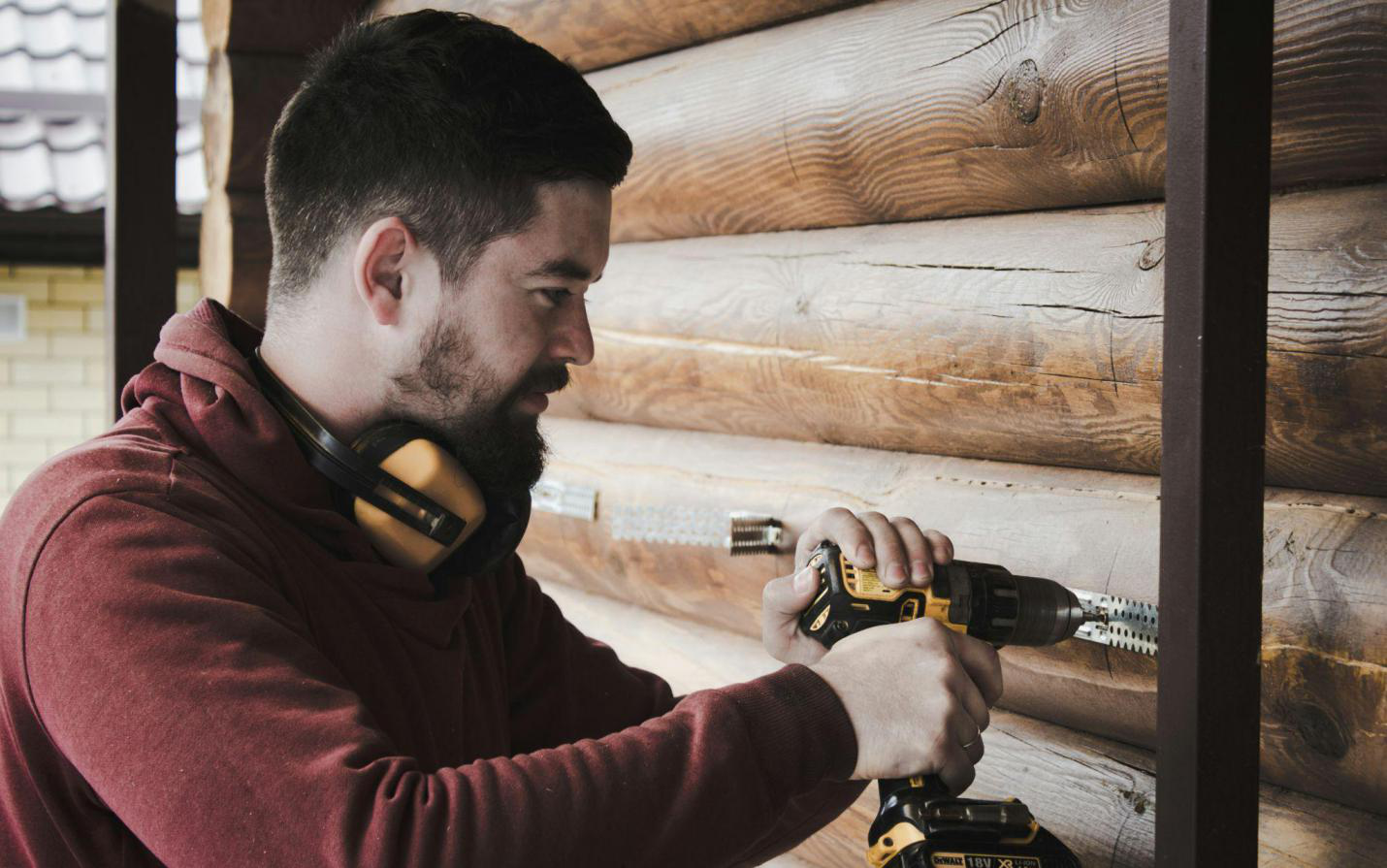
Grip the drill firmly with both hands. This ensures better control and precision. Start with a low speed to avoid slipping. Gradually increase speed as needed. Maintain a steady pressure on the drill. Do not force it into the material. Let the drill do the work. Keep a straight angle to prevent bit breakage. Regularly check the drill’s settings. Ensure it’s on the regular drill mode, not hammer mode. Proper handling extends the life of your drill and bits.
Safety Precautions
Using a hammer drill as a regular drill can be convenient. Yet, it’s essential to follow safety precautions to prevent accidents. Knowing how to handle and maintain your drill is crucial. Wearing the right protective gear is equally important. Read on for safety tips.
Protective Gear
Always wear safety goggles to protect your eyes from debris. Keep your hands safe by wearing sturdy gloves. A dust mask can prevent inhalation of harmful particles. Ear protection is essential if the drill is loud. Comfortable clothing that covers your skin is advisable.
Handling And Maintenance
Ensure the drill is off before changing bits. Check the cord for damage regularly. Keep the drill clean to prevent dust build-up. Store in a dry place to avoid rust. Follow the manufacturer’s instructions for maintenance.
Use both hands for better control. Maintain a firm grip to avoid slippage. Inspect the drill before each use for loose parts. Tighten any screws that seem loose. A well-maintained drill lasts longer and works better.
Making The Right Choice
Choosing the right drill can greatly impact your project outcomes. A hammer drill might seem versatile, but is it suitable for regular tasks? Understanding its strengths and limitations is key. Let’s delve into what you need to consider when deciding.
Project Requirements
Your project dictates the tool you need. Hammer drills excel in hard surfaces like concrete or brick. For softer materials, a regular drill suffices. Think about your typical projects. For woodwork or small household tasks, a regular drill might be better. Consider the surface type and task intensity. This helps ensure efficient and safe drilling.
Budget Considerations
Budget plays a crucial role in tool selection. Hammer drills often cost more. If your projects require heavy-duty work, investing in one might make sense. For general use, a regular drill is more economical. Consider ongoing costs too. Accessories and bits for hammer drills can add up. Evaluate your needs and financial plan to make a smart purchase. Prioritize features that enhance your project efficiency without overspending.
Credit: onevantool.com
Credit: www.protoolreviews.com
Frequently Asked Questions
Can I Use A Hammer Drill For Normal Drilling?
Yes, a hammer drill can be used for normal drilling. Simply turn off the hammer function. This makes it suitable for wood, metal, and plastic surfaces. Always choose the right drill bit for the material to ensure efficiency and avoid damage.
When Should You Not Use A Hammer Drill?
Avoid using a hammer drill on delicate surfaces like tiles, glass, or fragile materials. It can cause damage. Use a regular drill for precision tasks or softer materials. Hammer drills are not suitable for screw driving or light-duty work. Choose the right tool based on the material and task.
Is A Hammer Drill Good For Drilling Holes?
Yes, a hammer drill is ideal for drilling holes in hard materials like concrete, brick, and stone. It combines rotary drilling with a hammering action, making it efficient and faster. Ensure you use the correct drill bit for the material to achieve optimal results.
Can I Use A Hammer Drill On Metal?
Yes, a hammer drill can be used on metal, but it’s not ideal. Use a regular drill for metal. Hammer drills are designed for masonry and concrete. If necessary, disable the hammer function and use appropriate metal drill bits for better results.
Conclusion
A hammer drill serves well for regular drilling tasks. It offers versatility for various home projects. While not ideal for delicate work, it excels in tough jobs. Consider your needs and choose accordingly. Use the right mode for each task.
This ensures safety and efficiency. Regular drills fit light duties better. Hammer drills handle heavy-duty jobs with ease. Understanding these tools makes your work smoother. Make informed choices for your DIY needs. Explore options and find what suits you. Enjoy your projects with the right tools at hand.