When you’re about to tackle a home improvement project, you might wonder if your regular drill is up to the task of tackling concrete. The idea of buying a new tool can be daunting, especially when you have a trusty drill sitting right there in your toolbox.
But can it really handle the demands of drilling into concrete? This is a common question many DIY enthusiasts like you face. Before you make a decision, let’s dive into the possibilities and pitfalls of using a regular drill for concrete work.
By the end of this article, you’ll have a clear understanding of what your drill can do and how to make the most out of the tools you already own. Stick with us to find out how you can save time, effort, and money on your next project without compromising on quality or safety.
Drills And Their Applications
Drills are essential tools in many settings. They are crucial in construction, woodworking, and home repairs. Their versatility makes them valuable for professionals and DIY enthusiasts. Understanding different types of drills and their applications helps users choose the right tool for their needs.
Types Of Drills
Drills come in various types. Each serves different purposes. The most common types include corded, cordless, and hammer drills. Corded drills require a power outlet. They offer consistent power. Cordless drills run on batteries. They are portable and convenient. Hammer drills are specialized for tougher materials. They are ideal for masonry and concrete.
Common Uses Of Regular Drills
Regular drills are versatile. They are used for drilling holes in wood and metal. They are great for driving screws. DIY projects often use regular drills. They are handy for furniture assembly and shelf installation. Regular drills can handle light masonry tasks. But they struggle with hard concrete.

Credit: home.howstuffworks.com
Concrete Drilling Basics
Drilling into concrete might sound like a daunting task, especially if you’re contemplating using a regular drill. You might wonder if it’s even possible or if you need specialized equipment. The truth is, with the right approach and tools, you can tackle concrete drilling without having to invest in heavy-duty machinery. Let’s delve into the basics of concrete drilling and see what you need to know to get started.
Properties Of Concrete
Concrete is a tough material, primarily because of its composition. It’s made from a mix of cement, sand, gravel, and water. This mixture hardens over time, creating a dense and durable structure. Its strength makes it ideal for construction but poses a challenge for drilling.
Consider how concrete is used in buildings, sidewalks, and foundations. It’s designed to be tough and resistant to wear. This means that when you try to drill into it, you’re up against a solid opponent. But don’t worry, there are ways to make this task more manageable.
Challenges In Drilling Concrete
Drilling concrete is not like drilling wood or metal. You’ll need to understand the challenges involved. First, concrete’s hardness can quickly wear down regular drill bits. Using the wrong bit can leave you frustrated with a broken drill or an incomplete hole.
Another issue is the dust generated. Concrete drilling produces a fine dust that can be harmful if inhaled. Proper safety measures, like wearing a mask and using a vacuum attachment, are essential. Plus, concrete can crack if not drilled correctly, so precision is key.
Have you ever tried drilling concrete with a regular drill and found it nearly impossible? You’re not alone. It’s a common experience, but with the right techniques and tools, you can overcome these challenges. Consider using a hammer drill, as it combines rotation with a hammering action, making it easier to penetrate concrete.
So, how can you ensure success when drilling concrete with a regular drill? What tools or tips have you found helpful in your DIY projects? Share your thoughts and experiences below.
Using A Regular Drill On Concrete
Drilling into concrete often requires specialized tools. Many people wonder if a regular drill can handle concrete tasks. Understanding the capabilities and limitations is crucial before deciding to use a regular drill on concrete surfaces.
Feasibility Of Regular Drills
Regular drills are designed for softer materials. Their power is usually less than what’s needed for concrete. Concrete is dense and tough, requiring more force. Special bits are needed to penetrate effectively. Regular drills might manage thin concrete layers. This depends on the drill’s power and the concrete’s density.
Potential Risks And Limitations
Using regular drills on concrete can cause problems. The motor might overheat. This can lead to permanent damage. Regular bits can break easily. The drill might struggle to penetrate deeper layers. This reduces efficiency and increases the chances of injury. Dust and debris from concrete can clog the drill. This might impact its performance over time.
Tools For Effective Concrete Drilling
Concrete is tough and durable. Drilling through it requires the right tools. Using a regular drill for concrete can be challenging. Specialized tools can make the task easier. Let’s explore some essential tools for effective concrete drilling.
Hammer Drills
Hammer drills are powerful and efficient. They combine rotary motion with a hammering action. This makes them ideal for concrete surfaces. The pounding action breaks up the concrete. This allows for easier drilling.
Hammer drills are versatile. They can switch between hammer and regular modes. This makes them suitable for different materials. Always ensure the drill is set to the right mode. This ensures effectiveness and safety.
Masonry Drill Bits
Masonry drill bits are designed for hard surfaces. They have a special tip. This helps them penetrate concrete easily. These bits are often made from carbide. This makes them strong and durable.
Using the right bit can prevent damage. It ensures efficient drilling. Match the bit size to the hole needed. This ensures precision and accuracy. Regular checks for wear and tear are important. Replace bits when they become dull.
Expert Tips For Success
Regular drills struggle with concrete’s tough surface. Specialized bits can help, but a hammer drill works best for efficient drilling. For small tasks, adapt tools wisely to avoid damaging equipment.
Drilling into concrete with a regular drill might seem daunting, but with the right approach, you can achieve great results. Many DIY enthusiasts and homeowners find themselves needing to make holes in concrete, whether for hanging shelves, installing fixtures, or tackling small renovation projects. The key to success lies in understanding the nuances of the task and preparing adequately. Let’s delve into some expert tips that will make your drilling experience smoother and more efficient.Preparation And Safety Measures
Before diving into the drilling, take a moment to consider safety. Concrete dust can be harmful, so wear a mask and safety goggles. You might not think gloves are necessary, but they protect your hands from sharp debris. Check your drill bits. Using worn-out or inappropriate bits can make the task harder. If you’re unsure which bit to use, opt for masonry bits designed for concrete. They have a unique tip that penetrates concrete more effectively. Don’t underestimate the importance of marking the spot. Use a pencil or chalk to indicate where you need to drill. This prevents errors and saves time.Techniques For Better Results
Start slow. Pressing the drill with too much force can damage the bit or the drill itself. Begin with a gentle pressure and gradually increase speed as you feel the bit gripping the surface. If you notice dust building up, pause to clear it away. This helps maintain visibility and prevents overheating. Keep the drill perpendicular to the surface. Angling it can lead to uneven holes and increased wear on the bits. Switching from drilling to hammering mode, if your drill has this feature, can make a difference. It helps break down the concrete more effectively. Thinking about how deep you need to go? Measure your depth with a simple piece of tape on the drill bit. This ensures precision and prevents unnecessary drilling. By following these tips, you’ll not only protect your tools but achieve a clean, professional finish. What’s your next concrete project going to be?Comparing Regular And Specialized Drills
Drilling into concrete requires the right tool. Choosing between a regular drill and a specialized drill can be tricky. Understanding their differences helps in making an informed decision. Both have unique features. Each is designed for specific tasks. Let’s explore how they differ.
Performance Differences
Regular drills are versatile. They work well with wood and metal. But, they struggle with concrete. The power and speed are not enough. Specialized drills, like hammer drills, are built for concrete. They have more power. They also feature a hammering action. This makes breaking through concrete easier. Specialized drills perform better in tough materials.
Cost And Efficiency Considerations
Regular drills are often cheaper. They are a cost-effective choice for general use. But, they may wear out quickly on concrete. This can lead to higher replacement costs. Specialized drills cost more upfront. But, they last longer with heavy-duty use. They save money in the long run. Efficiency improves with the right tool. Time and effort are reduced.
When To Consult A Professional
Drilling concrete with a regular drill poses risks and challenges. It can damage the drill or cause injury. Consulting a professional ensures the right tools and techniques are used, safeguarding both the project and the equipment.
When tackling a concrete drilling project, sometimes the best choice is to consult a professional. While DIY projects can be rewarding, there are scenarios where professional expertise is not just beneficial but necessary. Consulting a professional can save you time, effort, and potential headaches.Complex Projects
If your project involves large-scale drilling or intricate patterns, a professional’s skill set becomes invaluable. Imagine needing to drill several holes for a new foundation or intricate designs for decorative purposes. A professional has the experience and specialized tools to ensure precision and safety. Professional involvement can also prevent structural damage. For instance, drilling into load-bearing walls without proper knowledge might compromise the building’s integrity. A contractor understands these nuances and can guide you accordingly.Avoiding Common Mistakes
Mistakes in concrete drilling can be costly. A seemingly small error, like using the wrong drill bit, can lead to cracked surfaces or uneven holes. Have you ever tried to patch up a botched DIY job? It’s often more challenging and expensive than getting it right the first time. Another common mistake is underestimating the dust and debris generated from drilling concrete. Professionals come equipped with dust collection systems, reducing mess and keeping your workspace clean. This attention to detail ensures that your project progresses smoothly. Considering these points, have you assessed whether your concrete project might benefit from professional assistance? Engaging experts not only enhances the quality of your work but also provides peace of mind.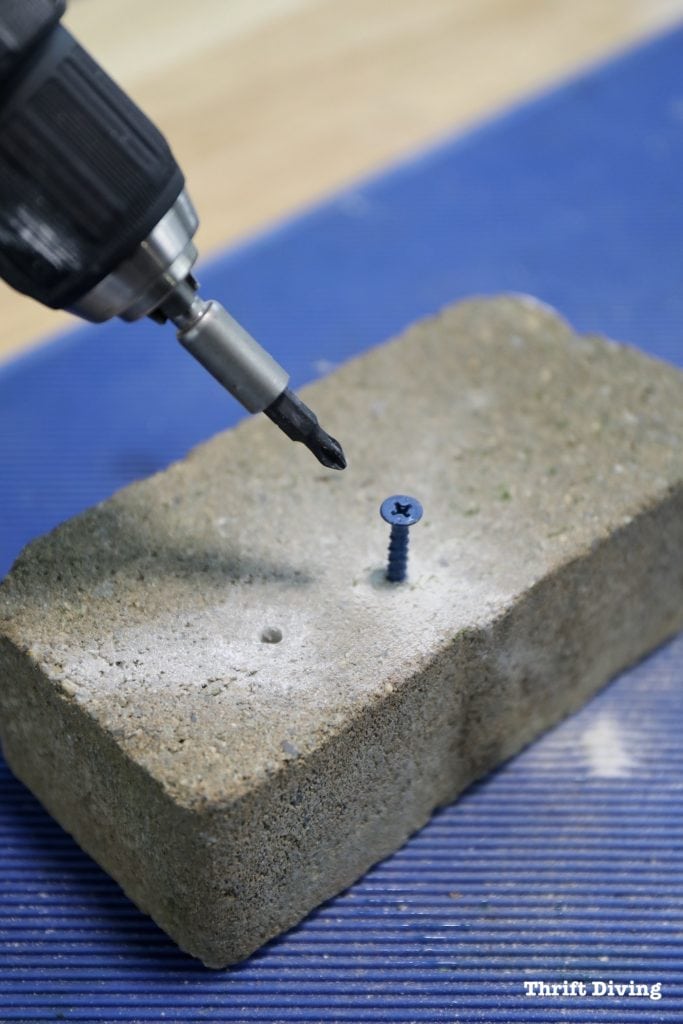
Credit: thriftdiving.com
:max_bytes(150000):strip_icc()/SPR-how-to-drill-into-concrete-5025037-hero-de019c17ce5c4fe2adb7f6dd9f3ad193.jpg)
Credit: www.thespruce.com
Frequently Asked Questions
Can I Drill Concrete With A Normal Drill?
Drilling concrete with a normal drill is challenging. Use a hammer drill with a masonry bit for best results. Normal drills lack power for concrete, leading to damage or overheating. Ensure the proper drill type for efficient concrete drilling.
How To Know If A Drill Is For Concrete?
Check the drill’s label for “masonry” or “concrete. ” Look for carbide-tipped bits designed for hard surfaces. Verify the power and RPM specifications. Ensure compatibility with hammer or rotary functions. Consult user reviews for concrete performance.
Can A 20v Drill Go Through Concrete?
A 20v drill can penetrate concrete with the right drill bit. Use a masonry bit for best results. Ensure the drill has enough power and torque. For tougher concrete, a hammer drill might be more effective. Always wear safety gear when drilling into concrete surfaces.
Do I Need A Specific Drill Bit For Concrete?
Yes, you need a specific drill bit for concrete. Use a carbide-tipped masonry bit for effective drilling. These bits are designed to handle the hardness of concrete, ensuring clean and efficient holes. Always ensure your drill is compatible with the bit to avoid damage.
Conclusion
Using a regular drill for concrete can work for small tasks. It’s essential to have the right drill bit. A masonry bit does the job. For larger projects, consider a hammer drill. It handles concrete better. Always prioritize safety. Wear goggles and gloves.
A regular drill might struggle with thick concrete. Know your drill’s limits. Avoid overheating by taking breaks. For frequent concrete drilling, invest in a hammer drill. It saves time and effort. Using the right tool ensures a smooth experience. Make sure to assess your project needs first.
This helps in choosing the right equipment.