Drilling a hole in plexiglass might seem like a daunting task, especially when you’re worried about cracking or damaging this versatile material. But don’t worry—you’re about to discover how simple it can be with the right approach.
Whether you’re a DIY enthusiast or tackling a home improvement project, mastering this skill can open up a world of creative possibilities. Imagine the satisfaction of crafting beautifully finished pieces without the fear of mishaps. Are you ready to learn the secrets that will have you drilling like a pro, ensuring precision and safety every step of the way?
Read on, and you’ll be equipped with all the knowledge you need to achieve perfect results every time.
Credit: www.plexiglas.de
Choosing The Right Tools
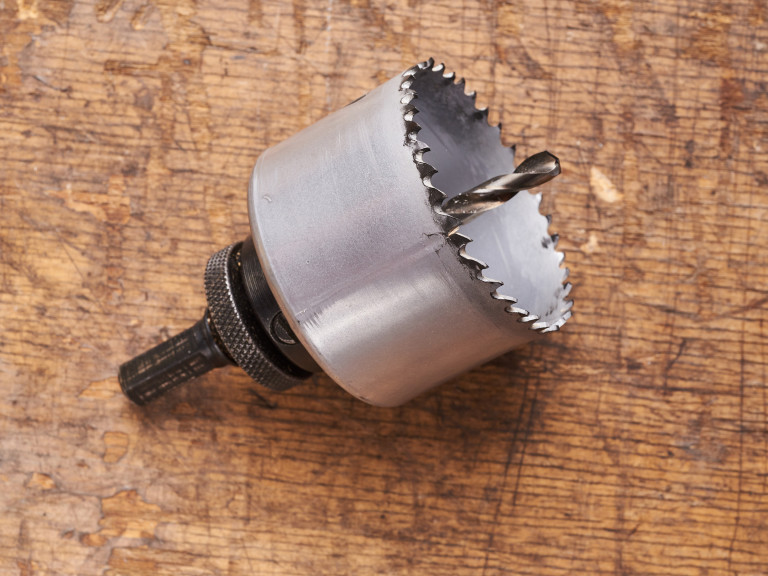
Selecting the right drill bit is essential for making clean holes in plexiglass. Use a sharp, uncoated, or specially designed bit to prevent cracking. Always drill at a slow speed to ensure a smooth finish.
Choosing the right tools to drill a hole in plexiglass is crucial for achieving clean, precise results. Plexiglass is a versatile and durable material, but it requires careful handling to prevent cracking or shattering. Selecting the right tools will ensure you make smooth, accurate holes without damaging the material. Let’s dive into the key components you need to consider.Drill Bits Suitable For Plexiglass
Using the correct drill bit is essential when working with plexiglass. Acrylic drill bits are specifically designed for this purpose. They have a sharper point and a unique angle that minimizes pressure on the plexiglass, reducing the risk of cracks. Standard drill bits can also be used, but opt for those with a 90-degree tip. This design helps in creating clean holes without causing the plexiglass to splinter. A practical tip: always keep a few spare drill bits handy. You never know when you might need them, especially if you’re working on a larger project.Drill Types And Features
Choosing the right drill type can make your task easier. Cordless drills are great for flexibility and maneuverability, allowing you to work freely without worrying about cords. They are perfect for small to medium-sized jobs. For more precision, consider using a drill press. It provides stability and control, which is vital for making accurate holes, especially in thicker sheets of plexiglass. Do you prefer working with a lightweight drill or one with extra features like variable speed settings? These features can help you adjust the speed according to the thickness of the plexiglass, ensuring you don’t apply too much pressure and cause damage. In your experience, have you found a particular tool that makes drilling easier and more efficient? Your insights can guide others in making better choices.Preparing Your Workspace
Drilling a hole in Plexiglass requires careful preparation of your workspace. A well-organized area ensures safety and efficiency. Proper setup minimizes risks and enhances precision. Follow these guidelines to create an optimal environment for your project.
Safety Measures To Consider
Wear safety goggles to protect your eyes from debris. Gloves are vital to shield your hands from sharp fragments. Keep hair tied back to avoid entanglement with tools. Ensure children and pets are away from your workspace. Double-check your equipment for faults before use.
Setting Up A Stable Work Area
Choose a flat, solid surface to work on. Secure Plexiglass firmly to prevent movement during drilling. Use clamps or a vice for added stability. Ensure adequate lighting to see your work clearly. Keep your tools within easy reach to avoid unnecessary movement.
A clutter-free area reduces distractions. Arrange your tools systematically for easy access. Maintain a clear line of sight to your project. Regularly clean up debris to maintain order. A tidy workspace boosts focus and precision.
Marking And Securing The Plexiglass
Mark plexiglass carefully before drilling to ensure precision. Secure it firmly using clamps to prevent cracks. Use a sharp drill bit at a slow speed to avoid splintering.
Drilling a hole in Plexiglass can be a daunting task if you don’t prepare properly. Before the drill even touches the surface, taking the right steps to mark and secure your Plexiglass is crucial. Improper marking or insecure placement can lead to inaccurate holes or cracks. Let’s make sure your Plexiglass is ready for a flawless drilling experience.Using Markers For Accurate Holes
Having a clear marking system is key. Permanent markers are your best friend here. They provide visibility and precision, allowing you to see exactly where you need to drill. But here’s a tip from my own workshop mishap: use a ruler or a tape measure to ensure your marks are spot-on. I once eyeballed a mark, thinking it was close enough—only to end up with a lopsided hole. Measure twice, mark once!Clamping Techniques To Prevent Slippage
Once you have your marks, securing your Plexiglass is essential. Clamps are the tools you’ll need. They prevent movement and ensure your drill doesn’t slip, which could ruin your project or even injure you. Consider using rubber clamps for a firm but gentle hold. I learned the hard way when a regular clamp cracked the edge of my Plexiglass. Rubber clamps provide a non-slip grip without damaging the material. Ask yourself: Are your marks accurate? Are your clamps secure? These simple checks can make the difference between a pristine hole and a frustrating mistake.
Credit: www.wikihow.com
Drilling Technique
Drilling holes in plexiglass requires careful technique to avoid cracks. Use a sharp drill bit and apply steady pressure. Start with a small pilot hole, then gradually increase the size for a smooth finish.
Drilling into plexiglass can seem daunting at first, but with the right technique, it becomes a straightforward task. The key is understanding how plexiglass behaves differently from other materials like wood or metal. It requires specific attention to speed and pressure, ensuring the material doesn’t crack or shatter. When you master the drilling technique, you’re more likely to achieve clean and precise results, making your project a success.Optimal Drilling Speed
Choosing the right speed is crucial. Plexiglass is sensitive to heat, and drilling at high speeds generates more heat, which can cause the material to melt or crack. It’s often better to start at a slower speed. This allows you to maintain control and reduce the risk of damaging the plexiglass. If you notice melting or resistance, adjust your speed accordingly. Experimentation can lead to finding the perfect speed for your specific drill and project.Applying Correct Pressure
Pressure is another critical factor in drilling plexiglass. Too much pressure can lead to cracks, while too little might result in uneven holes or slipping. Apply gentle, consistent pressure to allow the drill bit to smoothly penetrate the plexiglass. You want to feel the drill doing the work without forcing it. Imagine you’re pressing down on a sponge; you want to maintain firmness without crushing it. This balance ensures a clean finish and reduces the risk of damage. Consider your previous experiences with drilling other materials. How does your approach change when dealing with plexiglass? You might find familiar techniques need tweaking for the best results.Avoiding Common Mistakes
Drilling holes in plexiglass requires patience and precision. Use a sharp, dedicated bit to avoid cracks. Keep the drill speed slow for smooth results.
Drilling a hole in Plexiglass can be a tricky task if you’re not careful. While Plexiglass is a versatile material, it requires a gentle touch to avoid costly mistakes. Understanding common pitfalls can save you time, effort, and frustration. Let’s dive into how you can avoid these mistakes and ensure a smooth drilling process.Preventing Cracks And Splits
Cracks and splits often occur when the Plexiglass isn’t properly supported. Always place the Plexiglass on a flat, stable surface. Use clamps to hold it securely and prevent movement during drilling. Choose the right drill bit. A standard wood or metal bit can cause damage. Opt for a special Plexiglass drill bit, or a high-speed steel bit with a sharp point to minimize stress. Take your time. Drill slowly and steadily. Rushing can lead to cracks. A gentle approach ensures the Plexiglass remains intact.Dealing With Heat Buildup
Heat buildup is another common issue that can cause Plexiglass to melt or warp. This often happens when drilling too quickly or using a dull drill bit. Keep the drill bit sharp. A well-maintained bit reduces friction and heat, preserving the integrity of the Plexiglass. Consider using a lubricant, like water or a special coolant, to keep the drill bit cool. This simple step can make a big difference in preventing heat-related damage. Pause regularly during drilling. Allow the drill and Plexiglass to cool down. This helps prevent overheating and keeps your project on track. Have you ever wondered why some DIY projects fail while others succeed? The answer often lies in attention to detail. By focusing on preventing cracks and managing heat, you can master the art of drilling Plexiglass.Finishing Touches
After successfully drilling a hole in plexiglass, attention shifts to the finishing touches. This step ensures the plexiglass remains safe and visually appealing. The process involves smoothing edges and cleaning the surface. These actions help maintain the integrity of your plexiglass piece.
Smoothing Edges
Smooth edges are crucial for safety. Use fine-grit sandpaper to gently rub the edges. Move in a circular motion for an even finish. This reduces sharpness and prevents accidental cuts. A file can also help refine the edges further. For a polished look, consider using a deburring tool. It creates a smooth and professional finish.
Cleaning The Drilled Plexiglass
Cleaning the plexiglass removes dust and debris. Use a soft cloth to wipe the surface. Avoid harsh chemicals that can damage the plexiglass. Mild soap and water work well for cleaning. Rinse thoroughly to remove any soap residue. Dry the plexiglass with a clean, lint-free cloth. This ensures clarity and a spotless finish.
Troubleshooting Tips
Drilling a hole in plexiglass requires careful technique to prevent cracks. Use a sharp drill bit designed for plastic. Apply steady pressure and keep the speed low to avoid damaging the material.
Drilling a hole in plexiglass can sometimes be more challenging than it seems. Even with the best tools and preparation, things can go awry. This section will offer you practical troubleshooting tips to overcome common issues you might face, ensuring your plexiglass project is a success.Correcting Misaligned Holes
Misaligned holes can be frustrating, but they’re not the end of your project. If you notice a misalignment, first measure the distance between the intended hole and the actual hole. This will help you decide the size of the correction needed. To fix a misaligned hole, you can slightly widen the hole with a larger drill bit. This allows you to adjust the position. Be sure to drill gently and check frequently to avoid making the hole too large. Have you tried using a small file or sandpaper? These tools can help finesse the edges of the hole, providing a more precise adjustment.Handling Unexpected Breaks
Sometimes, despite your best efforts, plexiglass can crack or break while drilling. If this happens, don’t panic. Examine the break to assess if it can be salvaged. For minor cracks, applying a small amount of acrylic glue can help bond the pieces back together. Ensure the surface is clean and dry for the best results. If the break is severe, repositioning might be necessary. Consider using the broken piece as a template to avoid future mishaps. Have you thought about reinforcing the area with additional plexiglass layers? Remember, each challenge is an opportunity to learn and improve your technique. With patience and practice, you’ll become more adept at handling plexiglass. What’s the most challenging plexiglass project you’ve tackled, and how did you overcome it?
Credit: www.youtube.com
Frequently Asked Questions
How To Drill A Hole In Plastic Without Cracking It?
Use a sharp drill bit designed for plastic. Secure the plastic with clamps. Start with a small pilot hole. Drill slowly and steadily to avoid heat build-up. Keep the drill perpendicular to the surface.
What Kind Of Drill Bit Do You Use For Plexiglass?
Use a drill bit specifically designed for plastics, like acrylic or plexiglass drill bits. These bits have a sharp point and angle to prevent cracking or chipping. Avoid standard metal bits, as they can damage plexiglass. Ensure the drill speed is slow to maintain control and precision.
How To Drill A Hole In Plexiglass Without Cracking It?
Use a drill bit designed for plexiglass. Secure plexiglass firmly and start with a small pilot hole. Apply steady, gentle pressure while drilling. Keep the drill speed low to prevent heat buildup. Use masking tape on the surface to minimize cracking.
Should You Drill Acrylic Fast Or Slow?
Drill acrylic slowly to avoid cracking. Use a sharp bit and apply light pressure. Keep the drill speed low. This prevents heat buildup and ensures clean holes. Always support the acrylic to minimize vibrations and potential damage.
Conclusion
Drilling plexiglass requires patience and the right tools. Start with a slow drill speed. Use a drill bit meant for plastic. Apply gentle pressure to avoid cracks. Always wear safety gear to protect yourself. Sand the edges for a smooth finish.
Practice on a scrap piece before the main task. This helps you gain confidence. Follow these steps, and you’ll achieve a clean hole. Plexiglass projects become easier with practice. Enjoy creating and customizing with this versatile material.