When you’re tackling a home improvement project that involves concrete, you might find yourself asking, “Do I need a hammer drill for concrete?” It’s a common question, especially if you’re new to the world of DIY or just getting started with power tools.
You want to get the job done right, without wasting time or money on the wrong equipment. The thought of drilling into solid concrete can seem daunting, and choosing the correct tool can make all the difference. Imagine the satisfaction of drilling with ease, creating clean, precise holes, and completing your project without a hitch.
Understanding whether a hammer drill is essential for your project can save you from unnecessary frustration and ensure your efforts hit the mark. Let’s delve into why this tool might be the game-changer you need.

Credit: www.amazon.com
Hammer Drill Basics
Have you ever faced the daunting task of drilling into concrete? If so, you might have wondered whether a hammer drill is the right tool for the job. Understanding the basics of a hammer drill can help you make a confident choice. Let’s dive into the key aspects that define a hammer drill and how it works.
What Is A Hammer Drill?
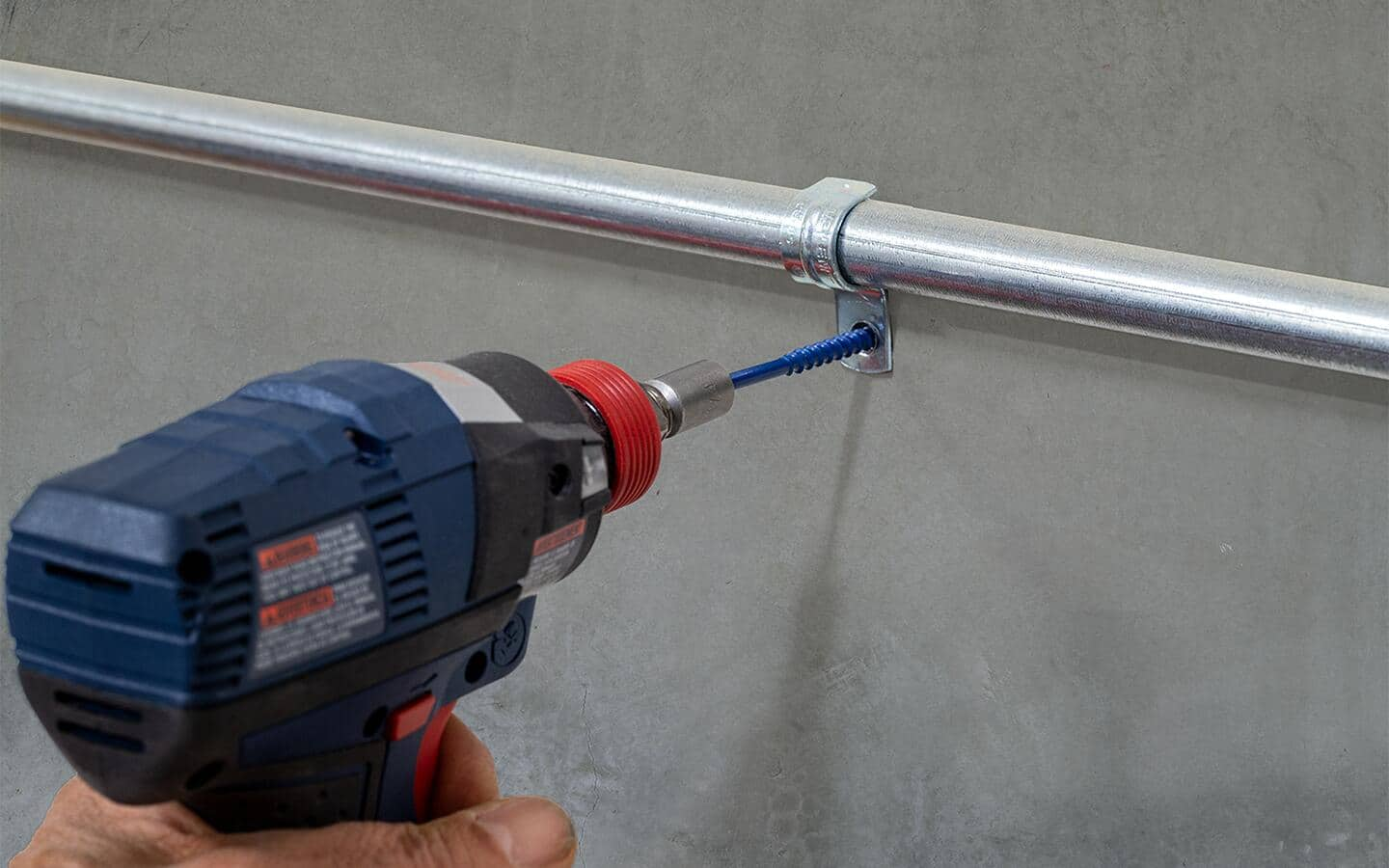
A hammer drill is a powerful tool designed specifically for drilling into hard surfaces like concrete, masonry, and stone. Unlike regular drills, it combines the rotary motion with a hammering action. This dual-action makes it easier to penetrate tough materials.
Imagine needing to hang shelves on your concrete wall. A standard drill might struggle, but a hammer drill can make the task straightforward and efficient. It’s the go-to tool for anyone working with heavy-duty materials.
How Hammer Drills Work
The magic of a hammer drill lies in its mechanism. It uses a piston that moves back and forth rapidly, creating a hammering effect on the drill bit. This hammering breaks up the concrete while the rotary motion drills into it.
Think of it like a mini jackhammer combined with a regular drill. You get the best of both worlds—speed and power. This unique action is what makes a hammer drill indispensable for concrete work.
Have you ever tried drilling a hole with a regular drill only to end up with a worn-out bit and aching arms? With a hammer drill, you save time and effort. It gets the job done without the frustration.
Consider your project needs. Are you planning to install heavy fixtures or build structures on concrete surfaces? If so, a hammer drill could be your best ally. It’s not just about having the right tool—it’s about making your work easier and more efficient.
So, do you need a hammer drill for concrete? If you’re looking for precision and ease, the answer might be yes. What are your thoughts on using a hammer drill for your next project?
Concrete Drilling Challenges
Concrete drilling presents unique challenges, often requiring specialized tools. A hammer drill can make the task easier, breaking through tough surfaces efficiently. Using the right equipment ensures smoother progress and less frustration during concrete projects.
Drilling into concrete can be a daunting task. It often feels like you’re facing a formidable opponent. With its tough and unforgiving nature, concrete presents unique challenges for drilling. You might wonder if a regular drill can handle the task or if you need a specialized hammer drill. Let’s dive into the specific challenges of concrete drilling and find out why it might be worth considering a hammer drill.Understanding Concrete’s Composition
Concrete is not just a solid block. It’s a blend of aggregates, cement, and water. Aggregates can be sand, gravel, or crushed stone. This mix creates a dense and hard surface. The presence of aggregates means that when you drill, your bit encounters varying densities. This can slow down progress and cause wear on your equipment. It’s essential to understand this composition to appreciate why standard drills might struggle.Common Issues In Drilling Concrete
Drilling concrete is not just about brute force. You face challenges like bit slippage and overheating. This can lead to frustration and damage to your drill. Standard drills often lack the power to penetrate effectively. They can burn out quickly or cause your drill bits to dull. You may find yourself spending more on replacements than you bargained for. Have you ever tried drilling concrete with a standard drill and ended up with a mess? It’s a common story. A hammer drill adds a hammering action to the rotation, making it more effective at breaking through dense materials. This can save time and prevent costly mistakes. Have you considered your current tools for concrete drilling? Evaluate their efficiency and durability. You might realize that investing in a hammer drill could be a game-changer for your projects.Benefits Of Using A Hammer Drill
When working with concrete, you might wonder if a hammer drill is essential. The answer lies in understanding the benefits of using one. A hammer drill is specially designed to handle tough materials like concrete, providing advantages that make your project smoother, faster, and more precise.
Efficiency And Speed
Imagine trying to drill into concrete with a regular drill. You’d be there all day, sweating and straining. A hammer drill, on the other hand, cuts through concrete like a hot knife through butter. Its hammering action breaks the concrete apart while the drill bit pushes through, saving you time and energy.
Think about the time saved. You can complete multiple projects in the time it takes to struggle with one using a regular drill. Plus, who doesn’t love finishing a job ahead of schedule?
Enhanced Precision
Precision matters, especially when working on tasks that require exact measurements and placements. A hammer drill offers greater control, allowing you to create cleaner holes with less wandering.
Ever made a mistake with a regular drill, only to have to patch it up? With a hammer drill, you minimize such errors, ensuring your work looks professional. This means fewer headaches and more satisfactory results.
Do you value the quality of your work? Using a hammer drill can be the difference between a job done and a job well done.
In short, investing in a hammer drill for concrete work can transform your DIY or professional projects. With efficiency and precision on your side, you can tackle tough tasks with confidence and ease. So, next time you’re faced with concrete drilling, consider the benefits a hammer drill brings to your toolbox.
Alternatives To Hammer Drills
When faced with concrete tasks, many consider the hammer drill. Yet, it’s not the only option. Various tools can help with drilling concrete. Each has unique features and benefits. Let’s explore these alternatives.
Standard Drills
Standard drills can handle small concrete tasks. They’re common and versatile. But, they might struggle with dense concrete. For light masonry, they work fine. Use a masonry bit for better results.
Keep in mind, patience is key. Standard drills require more time. They lack the power of hammer drills. But for small holes, they do the job. Ensure you apply steady pressure. This will help prevent bit damage.
Rotary Hammers
Rotary hammers excel in tough concrete jobs. They’re powerful, more than standard drills. Their hammering action breaks concrete fast. This makes them ideal for big projects.
Unlike hammer drills, rotary hammers are more efficient. They offer various settings for different tasks. With them, drilling becomes less tiresome. They are an excellent choice for professional use. But, they are often heavier. This makes them less suitable for small tasks.
Choosing The Right Drill For Your Needs
Picking the right drill for concrete can be confusing. There are many types and features to consider. Your choice depends on the job and your budget. Let’s explore how to make the best decision.
Assessing Project Requirements
First, consider what you’ll be drilling. Are you working on a small project or a large one? For light tasks, a standard drill might suffice. But for thick or dense concrete, a hammer drill is crucial. It provides the needed force and efficiency. Without it, tasks may take longer. And the result might not be as clean.
Budget Considerations
Next, think about your budget. Hammer drills are often pricier than regular ones. But investing in a good tool can save time and effort. Cheaper drills might not last long. They may not handle tough jobs well. Consider the cost versus the value. Sometimes, renting a hammer drill is a better option for short-term projects.
Safety Tips For Concrete Drilling
Drilling concrete often requires a hammer drill for effective and safe results. This tool provides the necessary power to penetrate hard surfaces while minimizing user fatigue. Always wear protective gear and ensure the drill bit is suitable for concrete to prevent accidents.
Drilling into concrete can be a challenging task, but it’s manageable with the right tools and safety precautions. Whether you’re a DIY enthusiast or a professional, understanding the safety tips for concrete drilling is crucial. These tips not only protect you from potential hazards but also ensure that your project is completed smoothly and efficiently.Proper Protective Gear
Before you even start drilling, make sure you have the right protective gear. Your safety should always be a priority. Wear safety goggles to shield your eyes from flying debris. A dust mask is essential to prevent inhaling concrete dust. Don’t forget about your ears; a hammer drill can be loud, so ear protection is a must. Gloves will protect your hands from blisters and provide a better grip on the drill. Remember, it’s better to be over-prepared than to regret not having taken these simple precautions.Safe Drilling Techniques
Once you’re geared up, focus on your drilling technique. Start with a small pilot hole to guide your drill bit and prevent it from slipping. This small step can save you time and frustration later. Use a steady hand and apply consistent pressure, but don’t force the drill. Let the tool do the work. Always drill perpendicular to the surface to avoid damaging the bit or the drill itself. If you feel the drill overheating, take a break. It’s not just about maintaining the equipment, but ensuring your safety as well. Have you ever been tempted to rush a project? Patience in drilling pays off with cleaner holes and less wear on your tools. Remember, concrete drilling requires attention to detail and a focus on safety. By wearing the right gear and applying safe techniques, you can tackle your concrete projects with confidence. Are you prepared to drill safely next time you pick up your hammer drill?Maintenance And Care For Hammer Drills
Maintaining your hammer drill ensures it lasts longer and performs better. Proper care reduces wear and tear, saving you money on repairs. Regular maintenance keeps your tool in top shape, ready for any concrete project. Follow these simple steps to keep your hammer drill working efficiently.
Routine Checks
Check the drill bits before each use. Look for signs of wear or damage. Replace worn-out bits to ensure effective drilling. Clean the drill’s exterior with a damp cloth. Remove dust and debris to prevent blockages. Inspect the power cord for cuts or frays. A damaged cord can be dangerous. Test the drill’s operation. Listen for unusual sounds or vibrations. These may indicate mechanical issues.
Storage Tips
Store your hammer drill in a cool, dry place. Keep it away from moisture to prevent rust. Use the original case for storage if available. It offers protection from dust and impacts. Ensure the drill is unplugged before storing. This prevents accidental start-ups or power surges. Organize drill bits and accessories. Use a toolbox or drawer for easy access. Clean the storage area regularly to avoid dust accumulation.
Credit: www.homedepot.com

Credit: www.youtube.com
Frequently Asked Questions
Should I Use A Hammer Drill In Concrete?
Using a hammer drill for concrete is recommended. It provides the necessary power to penetrate hard surfaces efficiently. A regular drill lacks the impact mechanism required for concrete. Ensure you use the correct drill bit for optimal results. Hammer drills save time and effort on concrete tasks.
Do You Need A Hammer Or Drill Setting For Concrete?
Use a hammer drill for concrete. It efficiently penetrates hard surfaces, making drilling easier and faster. Ensure the drill is set to hammer mode for optimal results. Choose carbide-tipped bits designed for concrete to avoid damage and enhance performance.
Can I Use A Regular Drill With A Concrete Drill Bit?
Yes, you can use a regular drill with a concrete drill bit. Ensure the drill has sufficient power. Use a hammer drill mode if available for better efficiency. Apply steady pressure and let the drill bit do the work to avoid damaging the bit or the drill.
Can I Use A Cordless Drill For Concrete?
Yes, you can use a cordless drill for concrete. Ensure it has enough power and a hammer function. Use a masonry bit for best results. For larger jobs or harder concrete, consider using a corded hammer drill.
Conclusion
A hammer drill is essential for concrete tasks. It makes drilling easier. Regular drills might struggle with hard surfaces. Investing in a hammer drill saves time and effort. It offers better performance on concrete projects. Consider your project’s needs and choose wisely.
A hammer drill could be a valuable tool in your toolbox. It ensures precise and efficient drilling. Make sure to prioritize safety while using it. The right tools make a big difference. Choose a hammer drill for tough concrete work.
Your projects will thank you. Happy drilling!