Have you ever found yourself standing in front of a concrete wall, regular drill in hand, wondering if you’re equipped for the job? You’re not alone.
Many DIY enthusiasts and homeowners face this common dilemma. The question isn’t just about tools, but also about time, effort, and achieving the perfect result. You might think your trusty regular drill can handle anything, but concrete is a different beast.
Before you jump into your next project, it’s crucial to know if your drill is up to the task. Understanding the nuances can save you from potential headaches and wasted resources. So, do you really need to invest in a special drill, or can your regular one do the trick? Let’s dive in and discover the answer together.
Drilling Into Concrete Basics
Using a regular drill for concrete is possible with the right techniques. Choose a carbide-tipped masonry bit for better results. Ensure the drill has a hammer function to handle tough surfaces effectively.
Drilling into concrete may seem daunting, but with the right approach, you can achieve clean and accurate holes. Before you start, it’s crucial to understand the essentials. Concrete isn’t just a solid slab; it’s a composite material made up of various elements. Knowing what you’re dealing with can make all the difference in your drilling success.Concrete Composition
Concrete is a mix of cement, water, sand, and gravel. These ingredients form a sturdy and dense material. The density varies depending on the ratio of components used. This composition is what makes concrete so durable. However, it also makes it challenging to drill through without the right tools or knowledge. Have you ever tried drilling into concrete only to end up with a cracked surface? This happens because concrete’s composition isn’t as uniform as wood or metal. Recognizing these nuances can save you from unnecessary frustration.Challenges Of Drilling Concrete
Drilling into concrete poses unique challenges. The hard surface can quickly dull regular drill bits. Your standard drill may not have the power to penetrate deeply or at all. Using a regular drill can lead to overheating or even damage to the tool. Imagine being halfway through a project and your drill suddenly gives out. This can be avoided by knowing the limitations of your equipment. A hammer drill is often more suited for the task. It combines rotary motion with a hammering action to break up the concrete as you drill. Have you ever thought about the noise and dust involved? Drilling concrete is not just physically challenging; it can also be a messy job. Wearing the right protective gear, like earplugs and dust masks, is vital to keep yourself safe. Before starting your next project, ask yourself: is your drill up for the task? Preparing with the right knowledge and tools can turn a potential disaster into a job well done.Types Of Drills
Drilling into concrete might seem like a straightforward task, but the type of drill you use can make all the difference. If you’ve ever stood in front of a concrete wall, regular drill in hand, you might have wondered whether it’s the right tool for the job. Understanding the types of drills available can help you make the best choice for your project. Let’s dive into the different options and see which one might be your best bet.
Regular Drills
Regular drills are the most common tool found in households. They are versatile and great for light tasks like hanging pictures or assembling furniture. However, when it comes to concrete, their performance can be limited. You might find yourself exerting more effort than you’d like, only to achieve minimal progress. I remember trying to drill into a concrete patio with a regular drill, and it felt like I was fighting a losing battle. Have you had a similar experience?
Hammer Drills
Hammer drills step up the game with their hammering action. They are designed specifically for harder materials like concrete. If you’ve ever used one, you know how they combine rotation with a hammering motion, making it easier to penetrate tough surfaces. Imagine drilling into concrete without feeling like you’re wrestling a stubborn wall. These drills are ideal for those occasional concrete projects around the house.
Rotary Hammers
For the heavy-duty tasks, rotary hammers are the champions. They offer more power and efficiency, ideal for professional or demanding home projects. They can tackle the thickest concrete with ease. Picture this: you’re preparing to install a fence and need to drill through concrete footings. A rotary hammer can save you time and energy, making the process smooth and manageable. Have you ever considered using one for your larger projects?
Choosing the right drill can be the difference between a smooth project and a frustrating endeavor. Whether you’re a DIY enthusiast or tackling a larger task, understanding these tools can enhance your work efficiency. What kind of projects are you planning, and which drill do you think might be your perfect match?
Capabilities Of Regular Drills
Regular drills are versatile tools found in many households. They handle various tasks with ease. But can they tackle concrete? Understanding their capabilities is essential. Regular drills have limitations. They might struggle with concrete tasks. Let’s explore their power, speed, and suitable drill bits.
Power And Speed
Regular drills usually have moderate power levels. They function well for wood and metal tasks. Concrete demands higher force. Regular drills may lack this power. Speed settings matter too. Concrete requires precise drilling speed. Regular drills often have fixed speeds. This can be a challenge. Variable speed drills are better for concrete.
Drill Bits For Concrete
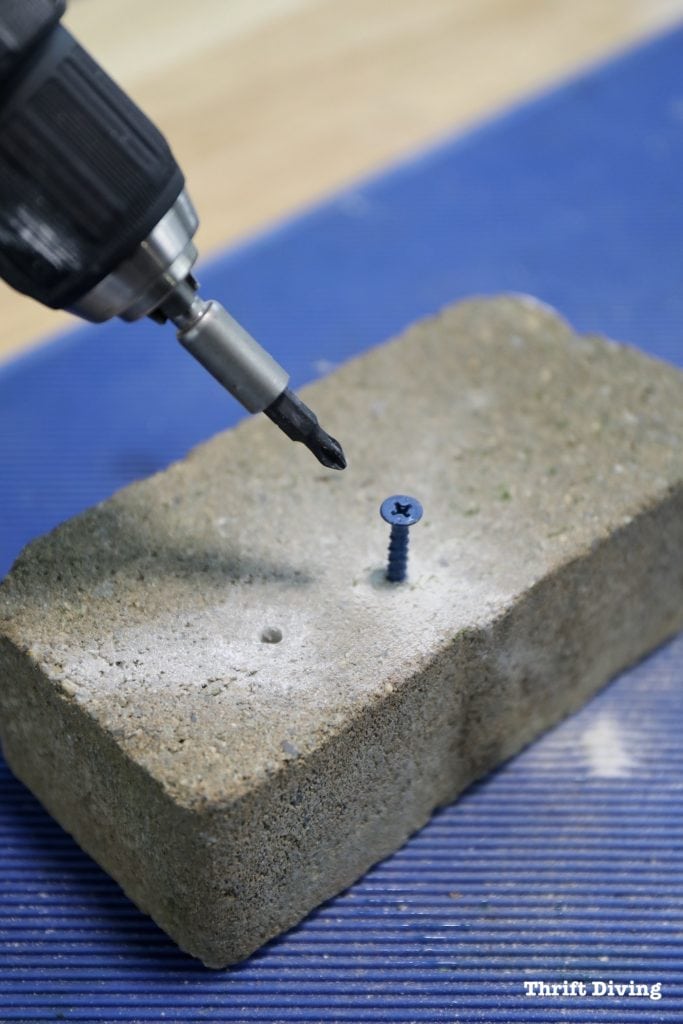
Choosing the right drill bit is crucial. Concrete needs specific bits. Standard bits won’t work. Masonry bits are ideal for concrete. They have special tips. These tips penetrate concrete effectively. Regular drills can use masonry bits. Ensure the drill chuck fits the bit. Check compatibility before starting. Proper bits make a difference.
Credit: thriftdiving.com
Limitations Of Using Regular Drills
Drilling into concrete with a regular drill presents challenges. These tools are not designed for hard surfaces like concrete. Users may face several limitations.
Understanding these can save time and prevent damage. Let’s explore the main concerns.
Durability Concerns
Regular drills lack durability for concrete work. Concrete is tough and unforgiving. Using a regular drill can cause wear quickly. The motor may overheat, leading to failure. Drill bits also suffer. They dull faster on concrete. This requires frequent replacements.
Efficiency Issues
Efficiency drops with regular drills on concrete. Progress is slow. The drill struggles to penetrate hard surfaces. This can result in uneven holes. More effort is needed to achieve results. Battery life depletes faster as well. This means more charging and less working time.
Techniques For Drilling Concrete
Drilling into concrete can be a challenging task if you’re only equipped with a regular drill. You might wonder if it’s even possible without specialized tools. The good news is that with the right techniques, you can get the job done effectively. It’s all about preparation, choosing the right accessories, and understanding the process. Let’s dive into some practical techniques that will help you tackle concrete drilling with ease.
Pre-drilling Preparations
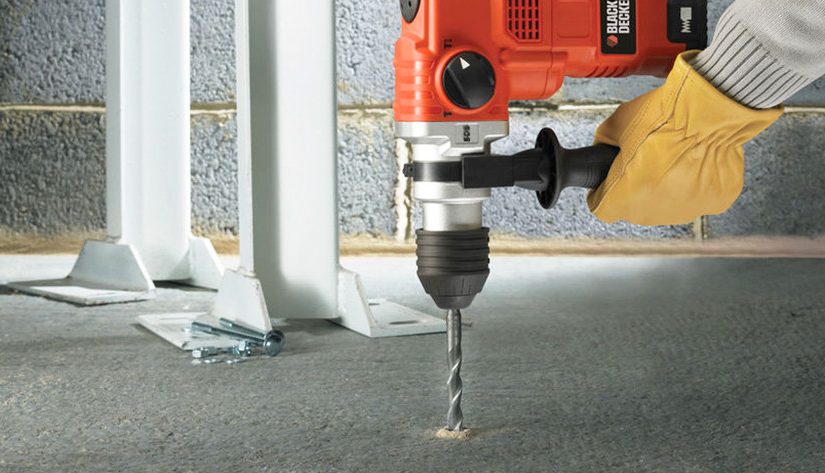
Before you start drilling, it’s crucial to prepare your workspace and tools. Begin by selecting the right drill bit; a masonry bit is essential for concrete surfaces. Ensure your drill is powerful enough, preferably with a hammer function, as this adds extra force needed for tough surfaces.
Clear the area where you’ll be working. Remove any debris or loose particles from the surface. This will prevent your drill bit from slipping and ensure a clean entry. You don’t want to start drilling only to realize there’s a hidden obstacle.
Safety first! Wear protective goggles and gloves. Concrete dust can be harmful, and wearing a mask can help prevent inhalation. Are you wearing suitable clothing? You wouldn’t want loose sleeves to snag on the drill.
Drilling Process Tips
Start with a pilot hole. This smaller hole guides your drill bit and makes it easier to penetrate the concrete. Use steady pressure; don’t rush. You might be tempted to push hard, but letting the drill do the work is more effective.
Keep the drill bit cool. Overheating can dull the bit quickly. You can pause and let it cool down naturally or use water to keep the temperature down. A regular drill isn’t designed for lengthy concrete jobs, so take breaks.
Listen to your drill. If it’s struggling, it might be time to reassess your technique or drill bit. A high-pitched whine indicates you’re pushing too hard. Adjust your approach and let the drill’s natural rhythm guide you.
Finally, clean up your workspace. Concrete dust is inevitable. Using a vacuum or a damp cloth can help maintain cleanliness and prevent any irritation or hazards from leftover particles.
Have you ever tried drilling into concrete with a regular drill? What challenges did you face, and how did you overcome them? Share your experiences and insights to help others who might be tackling this task for the first time.
Credit: hardcorevic.com.au
Safety Measures
Using a regular drill for concrete requires caution. Ensure the drill is powerful and has a masonry bit. Wear protective gear to prevent injuries and dust inhalation.
When you’re tackling a project that involves drilling into concrete with a regular drill, safety should be your top priority. While it might seem like a straightforward task, concrete can be tough and unpredictable. Without the right precautions, you could end up damaging your drill, hurting yourself, or creating a mess that’s difficult to clean up. So, how can you ensure you’re safe while getting the job done?Protective Gear
Wearing the right protective gear is crucial. Always start with safety glasses to shield your eyes from concrete dust and small debris. Have you ever had dust fly into your eyes while working? It’s not only painful but can also disrupt your focus. Consider wearing a dust mask, especially if you’re working in a confined space. Concrete dust can irritate your lungs and leave you coughing for days. Gloves are also recommended to protect your hands from vibrations and potential cuts.Handling Dust And Debris
Drilling into concrete generates a significant amount of dust and debris. This can affect not only your health but also your work environment. A vacuum cleaner or dust extractor can be a game-changer here. Position it close to the drill bit to capture dust as you work. Ever noticed how much smoother the process is when you don’t have to pause every few minutes to clear your workspace? If you don’t have a dust extractor, wet the concrete slightly before drilling. It helps reduce dust. But remember, too much water can make things messy and slippery. Keeping these safety measures in mind ensures a safer and more efficient drilling experience. Your safety isn’t something you should compromise on. Are you ready to gear up and handle that concrete with confidence?Alternatives To Regular Drills
Drilling into concrete can be challenging with a regular drill. The power and design of a standard drill may not be enough. There are better tools for the job. These alternatives provide more power and efficiency.
When To Choose A Hammer Drill
A hammer drill is a great choice for concrete. It combines rotation with hammering action. This dual action breaks through concrete more effectively. Use a hammer drill for small to medium tasks. It’s perfect for home projects like hanging shelves or frames. Lightweight and user-friendly, it suits most DIY enthusiasts.
Benefits Of Rotary Hammers
For heavy-duty tasks, consider a rotary hammer. It offers more power than a hammer drill. Rotary hammers can handle large concrete areas. They are ideal for professional or industrial use. These tools have a piston mechanism. This provides powerful hammering action. Rotary hammers are durable and efficient for tough jobs.
Credit: www.homedepot.com
Expert Recommendations
Ever found yourself staring at a piece of concrete, regular drill in hand, wondering if you’re about to make the biggest mistake of your DIY career? You’re not alone. Many DIY enthusiasts face this dilemma, but with expert recommendations, you can make informed choices and ensure your drill stands the test of time.
Choosing The Right Tool
Picking the right drill for concrete work is crucial. Regular drills, while versatile, may not provide the power needed for concrete. Experts often recommend using a hammer drill instead. Hammer drills offer the necessary impact and rotation to penetrate concrete effectively.
Imagine trying to carve a masterpiece with a butter knife—possible, but not practical. A hammer drill acts like a chisel, making the job smoother and faster. If you’re frequently tackling concrete projects, investing in a hammer drill can save time and effort.
Think about your future projects. Are you likely to encounter more concrete work? If so, consider renting or purchasing a hammer drill. It’s a small decision with big benefits.
Maintaining Your Drill
Keeping your drill in top shape is essential for its longevity. Regular drills used on concrete can wear out faster. Experts advise cleaning your drill after each use to remove dust and debris. This simple act can extend its life significantly.
Oil and lubrication are your drill’s best friends. Ensure moving parts are well-oiled to prevent wear and tear. A well-maintained drill performs better and lasts longer, saving you the hassle of frequent replacements.
Consider the drill’s warranty and service options. If you’re using it for heavy-duty work, knowing it’s covered for repairs can be a lifesaver. How often do you check your drill’s maintenance schedule? A little upkeep goes a long way.
Are you ready to tackle your concrete project with confidence? With the right tools and maintenance, you can make your DIY dreams come true without the headache of equipment failure.
Frequently Asked Questions
Can You Drill Into Concrete With A Normal Drill?
A normal drill can struggle with concrete. Use a hammer drill or rotary drill for better results. Special masonry bits are essential for drilling into concrete effectively. Ensure proper safety measures to prevent damage and injury.
Do I Need A Specific Drill Bit For Concrete?
Yes, you need a masonry drill bit for concrete. It features a carbide tip for efficient drilling. These bits withstand the hard surface of concrete, ensuring clean and precise holes. Using the correct drill bit enhances performance and prolongs the tool’s life.
Can I Use A Regular Drill For Mixing Concrete?
Using a regular drill for mixing concrete isn’t recommended. It may lack the power and durability needed. A specialized mixing drill offers better performance and longevity. Ensure the drill’s specifications match the concrete’s demands for effective mixing. Always prioritize using the right tools for construction tasks.
Can I Use A Cordless Drill For Concrete?
Yes, you can use a cordless drill for concrete with the right drill bit. Choose a hammer drill feature for better results. Ensure the drill has sufficient power and battery life to handle the task effectively. Use carbide-tipped masonry bits for increased durability and efficiency.
Conclusion
Using a regular drill on concrete isn’t the best idea. It can struggle with hard surfaces, risking damage. Specialized tools, like a hammer drill, work better for concrete. These tools handle tough jobs efficiently. If you still opt for a regular drill, use masonry bits.
They help, but progress is slow. Consider your project’s scope and tool availability. Making the right choice saves time and effort. Prioritize safety and tool longevity. For frequent concrete work, invest in the right equipment. It’s worth it in the long run.
A good decision leads to better results.