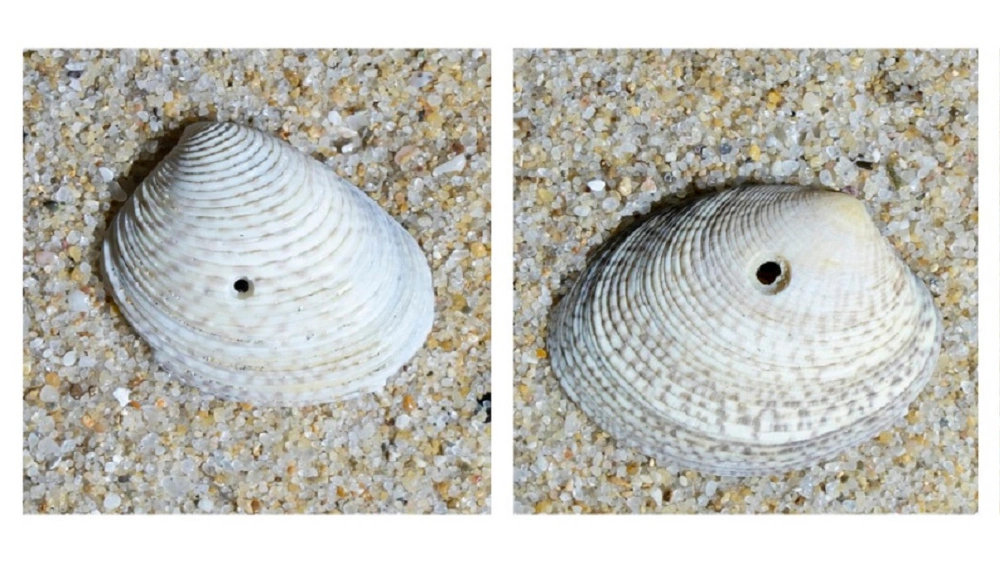
Have you ever picked up a seashell on the beach and thought about turning it into a beautiful piece of jewelry or a unique decoration? Drilling a hole in a seashell might seem daunting, especially when you’re worried about breaking its delicate structure.
But fear not! With the right approach, you can transform those seaside treasures into stunning creations. Imagine the satisfaction of wearing a necklace that you crafted yourself or gifting someone a keepsake that holds a special memory. In this guide, you’ll discover the step-by-step process to drill a hole in a seashell safely and effectively.
Ready to unleash your creativity and add a personal touch to your beachcombing finds? Let’s dive in and make those shells shine!
Choosing The Right Seashell
Drilling a hole in a seashell requires patience and precision. Start by selecting a sturdy shell and using a small drill bit. Apply gentle pressure to avoid cracking the shell, ensuring the hole is smooth and clean.
Choosing the perfect seashell for your DIY project can make all the difference in your final creation. The right shell not only enhances the aesthetic appeal but also ensures the drilling process is smooth and trouble-free. Let’s dive into the key factors you should consider when selecting a seashell, ensuring your project is both beautiful and successful.Identifying Suitable Shells
When looking for suitable seashells, size and shape play a significant role. Consider the purpose of your project—whether it’s jewelry, a decorative piece, or something else entirely. Smaller shells work well for delicate projects like earrings, while larger ones are better suited for statement pieces. Color and texture are also crucial. Vibrant colors add life to your project, while unique textures provide an interesting visual contrast. Next time you’re beachcombing, take a moment to feel the shells; their texture might inspire your next creation.Considering Shell Thickness
Shell thickness affects the ease of drilling and the durability of the final product. Thicker shells can withstand more pressure and are less likely to crack during drilling. However, they might require more effort and stronger tools. If you’re a beginner, start with medium-thickness shells. They offer a balance between durability and ease of drilling, making your first attempt more forgiving. As you gain confidence, experimenting with different thicknesses can lead to exciting discoveries.Inspecting For Cracks And Flaws
Before you start drilling, inspect each shell for cracks and flaws. A small crack can quickly turn into a disaster, ruining your project and wasting your efforts. Holding the shell up to the light can reveal hidden imperfections that might not be visible at first glance. Consider the integrity of the shell. Even slight flaws can compromise the strength of your final piece. Have you ever noticed how a tiny chip in a shell can expand under pressure? Avoid these pitfalls by choosing shells that are as flawless as possible. By carefully selecting your seashells with these guidelines in mind, you ensure a rewarding and creative drilling experience. What unexpected discoveries will you make with your chosen shells?
Credit: m.youtube.com
Gathering Necessary Tools
Drilling a hole in a seashell might seem daunting, but with the right tools, it becomes a straightforward task. Whether you’re crafting jewelry or creating unique decorations, gathering the necessary tools is your first step to success. Each tool has its purpose, and selecting them wisely can make your project easier and more enjoyable.
Selecting The Right Drill
Choosing a drill isn’t just about picking the first one you find. A small handheld drill is often ideal for delicate tasks like seashell drilling. You want something easy to handle and precise. Cordless drills are particularly convenient as they offer flexibility and ease of movement.
Have you considered the drill’s speed settings? Lower speeds give you better control, preventing shell damage. A drill with adjustable speeds is your best friend here. It’s all about precision and ensuring you don’t crack your shell.
Choosing Drill Bits
Not all drill bits are created equal. For seashells, diamond-tipped bits are often recommended due to their ability to gently pierce the shell without causing fractures. These bits are perfect for their durability and smooth cutting ability.
But what size should you use? Smaller bits, like 1mm or 2mm, are ideal for fine work. Consider your project needs; a larger hole might require a slightly bigger bit, but always start with the smallest size to avoid splitting the shell.
Safety Gear Essentials
Your safety is paramount. Seashell drilling requires protection, just like any other DIY project. Eye protection is crucial; tiny shell fragments can pose a risk. You don’t want to end your crafting session with an eye injury.
Think about your hands too. Wearing gloves can prevent cuts and enhance your grip on the drill. A steady hand ensures a clean, precise hole. Remember, safety isn’t an option; it’s a necessity.
Have you ever considered the impact of your workspace environment on your safety? A clean, stable surface free from clutter can help you focus on your drilling task. It’s surprising how often overlooked surroundings can affect your safety.
With the right tools in hand, you’re ready to turn your seashell into a masterpiece. What unique creation will you craft today?
Preparing The Seashell
Drilling a hole in a seashell requires careful preparation. Properly preparing the shell ensures safety and precision. It also preserves the shell’s beauty. This preparation involves cleaning, marking, and stabilizing the shell.
Cleaning The Shell
Start by cleaning the shell. Dirt and debris can make drilling difficult. Use warm water and mild soap. Gently scrub the shell with a soft brush. Rinse thoroughly to remove soap residue. Allow the shell to dry completely. A clean shell is easier to work with.
Marking The Drilling Spot
Decide where to drill the hole. Consider the shell’s shape and pattern. Choose a spot that won’t damage the shell. Use a pencil to mark the spot lightly. Avoid using permanent markers. Pencil marks are easy to erase. Double-check the position before drilling.
Stabilizing The Shell
Stabilize the shell to prevent movement. Movement can cause the drill to slip. Use a clamp or vise to hold the shell. Place a soft cloth between the shell and clamp. This prevents scratches and cracks. Ensure the shell is held securely. A stable shell leads to a cleaner hole.
Drilling Techniques
Drilling a hole in a seashell requires patience and care. Start by selecting a small drill bit suitable for delicate materials. Hold the shell securely and slowly drill, keeping the pressure steady to avoid breakage.
Drilling a hole in a seashell can seem daunting, but with the right techniques, it’s a task anyone can master. Whether you want to make a necklace or simply explore a new craft, understanding various drilling methods is crucial. The process requires patience, precision, and a steady hand. Let’s dive into the different approaches to ensure you achieve a clean and perfect hole every time.Using A Hand Drill
A hand drill can be your best friend if you appreciate the slow and steady approach. It’s perfect for delicate shells that might crack under the pressure of a power tool. Begin by marking the spot where you want the hole. This gives you a clear target. Applying gentle pressure, start turning the drill bit slowly. Feel the shell’s resistance and adjust your force accordingly. The key here is patience; rushing could shatter the shell. Have you ever tried to rush a task only to have it backfire?Using A Power Drill
For those who prefer speed, a power drill can be a game changer. Choose a small bit to minimize damage. It’s essential to secure your shell on a stable surface. This prevents slipping and ensures precision. Begin with low speed and gradually increase if necessary. The drill should glide smoothly. If the shell starts vibrating, reduce the speed. Have you ever underestimated the power of a tool and learned the hard way?Maintaining Steady Pressure
Regardless of the drill type, maintaining steady pressure is vital. It’s easy to get carried away, especially when you’re eager to see results. Control your excitement; each shell is unique and demands care. Listen to the shell’s feedback. If you hear cracking, ease off. It’s better to proceed cautiously than to end up with broken pieces. How often do you find that patience yields the best results in your projects? By using these techniques, you can transform a simple shell into a piece of art. Remember, practice makes perfect. With time, you’ll develop a knack for knowing just how much pressure each shell requires.Safety Precautions
Drilling a hole in a seashell requires caution and careful handling. Use a hand drill for control and avoid cracking. Wear safety goggles to protect your eyes from debris during the process.
Drilling a hole in a seashell requires careful attention to safety. Shells can be fragile, and accidents can occur. By following safety precautions, you can ensure a smooth and safe drilling process. Let’s explore key safety tips to keep in mind.Protecting Your Hands
Always wear gloves to protect your hands from sharp shell edges. Gloves provide a barrier against accidental cuts. Choose gloves that offer flexibility and grip. This helps maintain control while handling the shell. Ensure your gloves fit well, so they do not hinder movement. A snug fit is crucial for precision work.Avoiding Shell Damage
Select the right drill bit for the job. A small, sharp bit is ideal for delicate shells. Start with a slow speed to prevent cracking. Apply gentle pressure to avoid excessive force. Keep the shell steady to prevent slipping. Consider using a vice to hold it in place. This ensures stability and reduces the risk of breakage.Working In A Safe Environment
Set up your workspace in a well-lit area. Good lighting helps you see clearly. Ensure your work surface is stable and free of clutter. A clean area prevents accidents. Keep a first aid kit nearby in case of minor injuries. Inform someone about your activity for added safety. Always prioritize a safe working environment.
Credit: thatcraftsite.com
Finishing Touches
Drilling a hole in a seashell requires a few simple steps. Start by choosing a small, sharp drill bit. Hold the shell steady, then gently drill through it, using water to keep the shell cool and prevent cracks.
Once you’ve successfully drilled a hole in your seashell, the journey doesn’t end there. The next step is all about refining your work. These finishing touches ensure that your seashell project looks polished and professional. So, what should you do to achieve that perfect finish? Let’s explore the steps together.Smoothing The Edges
First, take a moment to feel the edges around the hole you drilled. Are they rough or jagged? Using a small piece of sandpaper, gently smooth the edges. This step is crucial to prevent the shell from scratching or snagging anything it touches. Consider using fine-grit sandpaper for a delicate touch. Your goal is to achieve a smooth, even surface.Cleaning Residue
After sanding, you’ll notice some dust and residue on the shell. Cleaning it off is essential for a clean finish. Rinse the shell under lukewarm water. Use a soft brush, like an old toothbrush, to gently scrub away any lingering particles. Are you worried about any remaining residue? A bit of mild soap can help. Make sure to rinse thoroughly to remove any soap traces.Polishing The Shell
Polishing brings out the natural beauty of your seashell. A bit of shine can make all the difference. Use a soft cloth to buff the shell. You can add a drop of mineral oil or baby oil to enhance the luster. While polishing, notice how the shell transforms with a subtle glow. This final touch highlights the shell’s intricate patterns and colors. Have you ever thought about displaying your seashell as a piece of jewelry or home decor? With these finishing touches, you’re ready to showcase your creation with pride.Creative Uses For Drilled Shells
Drilled shells offer creative possibilities for jewelry and home decor. Gently drill with a small bit for a clean hole. This simple technique transforms shells into beautiful pendants, wind chimes, or unique ornaments.
Drilling a hole in a seashell opens up a world of creative possibilities. Whether you found a perfect shell on the beach or bought one from a store, transforming it can bring a unique flair to your crafts. Let’s dive into some creative uses that breathe new life into these natural beauties.Crafting Jewelry
Crafting jewelry with drilled seashells is a delightful way to showcase your style. Picture a stunning necklace featuring a delicate shell as the centerpiece. Earrings and bracelets can also benefit from the addition of small, polished shells. You might try creating a charm bracelet with shells of various shapes and colors. Combine them with beads or stones for a more eclectic look. Whenever you wear these pieces, you carry a piece of the ocean with you.Creating Home Decor
Decorating your home with drilled shells can add a coastal vibe. Consider using shells to make wind chimes that sing softly in the breeze. Attach them to a piece of driftwood for a natural look. Shells can also be used to embellish mirrors, picture frames, or even lampshades. Have you thought about making a shell curtain for a small window? Each shell catches the light, creating a beautiful display.Incorporating In Art Projects
Art projects can be elevated with the use of drilled seashells. Try adding them to a mixed media canvas for a textured effect. You might arrange them in a mosaic pattern to tell a story or create an abstract design. Children’s art projects can also benefit from the addition of shells. Use them to create fun shapes or figures. This not only makes the art tactile but also educates kids about marine life. What will you create with your drilled shells? The possibilities are endless, limited only by your imagination. Whether you’re making jewelry, decorating your home, or embarking on an art project, shells offer a natural beauty that’s both unique and inspiring.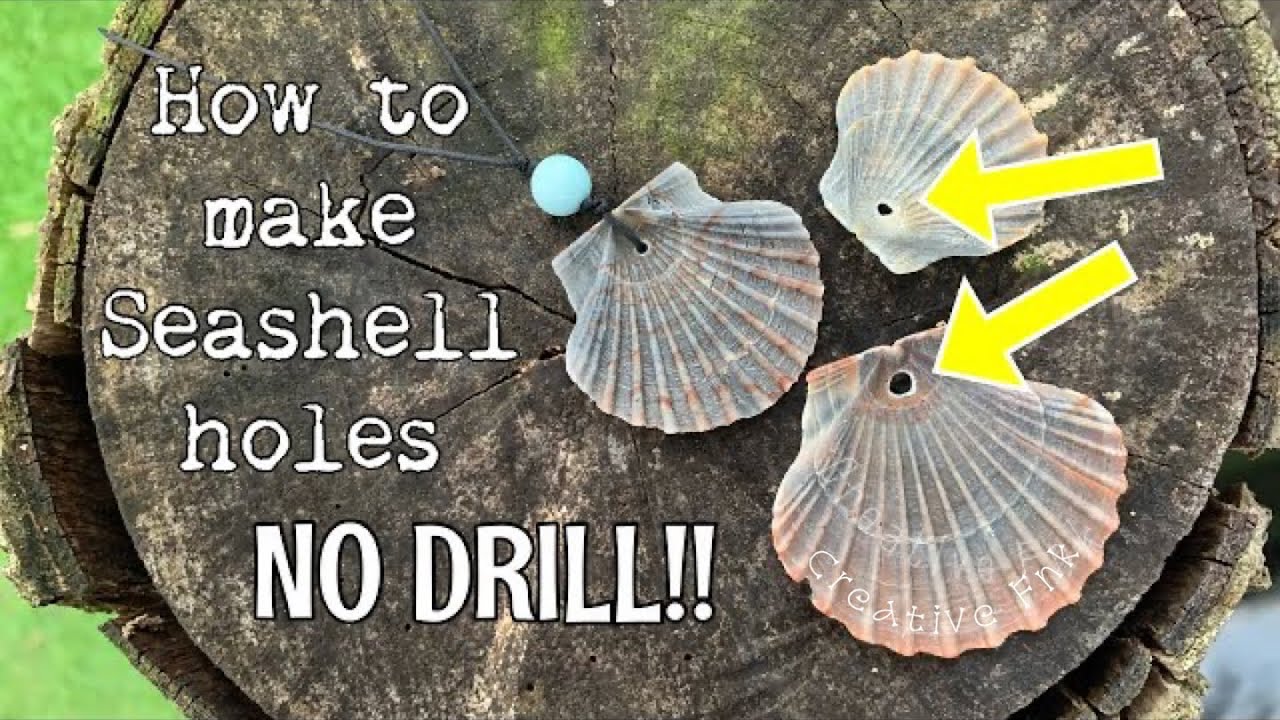
Credit: m.youtube.com
Frequently Asked Questions
How To Drill A Hole In A Shell Without Cracking It?
Use a small drill bit and apply gentle pressure. Place the shell on a soft surface. Keep the shell wet to reduce friction. Drill slowly to prevent cracking.
What Kind Of Drill Do You Use For Seashells?
Use a small rotary tool or a handheld drill with a diamond tip bit for drilling seashells. Ensure low speed to prevent breakage. Always wear protective eyewear and work in a well-ventilated area to avoid dust inhalation. Practice on spare shells to perfect your technique.
How To Make A Hole In A Seashell?
Use a small drill bit to make a hole. Secure the seashell with a clamp or towel. Drill gently to prevent cracking. Wear safety goggles for protection.
Is It Safe To Drill Holes In Shells?
Drilling shells is generally safe if done carefully. Use protective gear and a slow drill speed. Avoid applying excessive pressure to prevent cracking. Ensure proper ventilation to avoid inhaling dust. Prioritize safety and take precautions to protect both the shell and yourself during the process.
Conclusion
Drilling a hole in a seashell is simple with the right steps. Start by choosing the perfect shell for your project. Use a small drill bit for precision. Always wear protective gear to stay safe. Keep the shell steady while you drill.
Go slow to avoid cracking. Practice makes perfect, so don’t rush. Soon, you’ll have beautiful shells ready for crafts. Try different techniques to find what works best for you. Enjoy creating unique shell jewelry or decorations. Your creativity is the limit! Happy crafting with your newly drilled seashells.