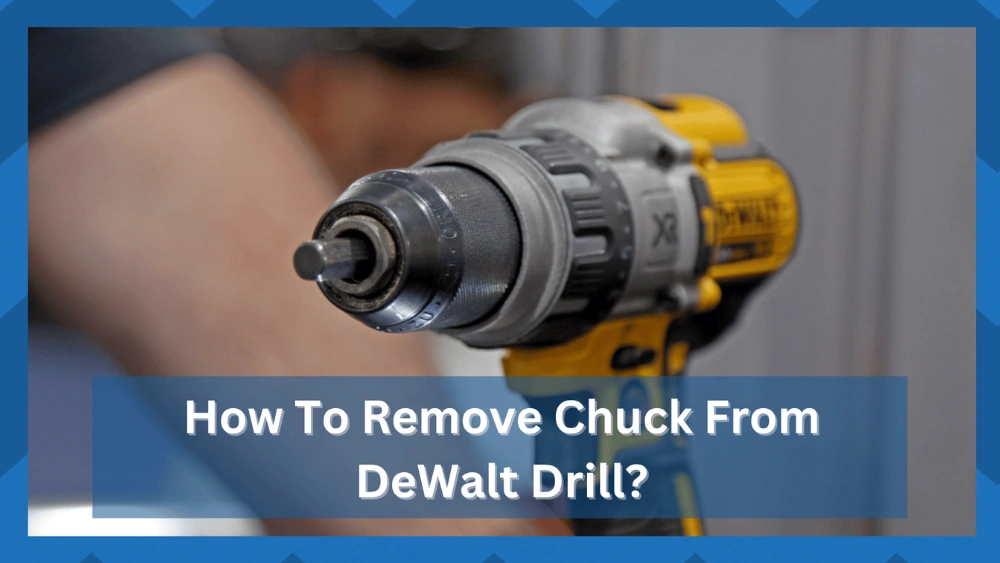
Are you staring at your drill, wondering how on earth to remove the chuck without turning it into a frustrating ordeal? You’re not alone.
Many DIY enthusiasts and professionals find themselves puzzled by this seemingly simple task. But don’t worry; you’re about to discover the straightforward steps to solve this puzzle once and for all. Imagine the satisfaction of effortlessly swapping out a chuck whenever you need, saving time and avoiding unnecessary hassle.
By mastering this skill, you not only enhance your efficiency but also extend the life of your trusty drill. So, let’s cut through the confusion and empower you with the knowledge you need. Dive into this guide and unlock the secrets to effortlessly removing a chuck from your drill.
Types Of Drill Chucks
Removing a chuck from a drill involves understanding its type. Drill chucks come in various forms. Each type has unique features and removal methods. Knowing these types simplifies the removal process. Let’s explore the common types of drill chucks.
Keyed Chucks
Keyed chucks require a key for tightening or loosening. The key fits into holes on the chuck body. By turning the key, you secure or release the drill bit. This type offers a strong grip on the bit. Many older drills feature keyed chucks. They are durable and reliable for heavy-duty tasks.
Keyless Chucks
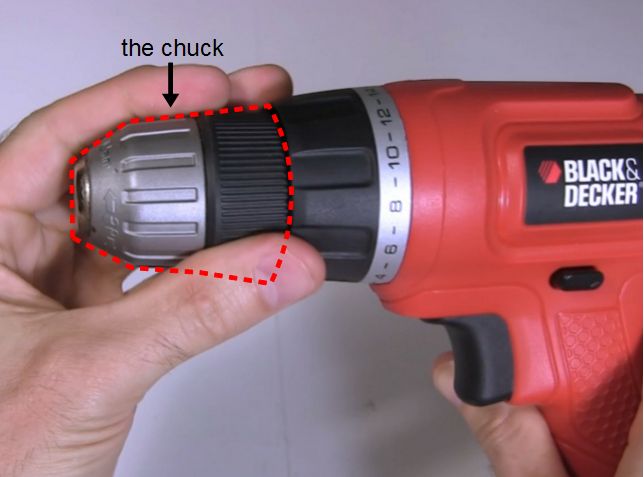
Keyless chucks don’t need a key to operate. You can tighten or loosen them by hand. This makes swapping drill bits quick and easy. They are common in modern drills. Keyless chucks are user-friendly and suitable for light to moderate tasks. Perfect for quick jobs.
Sds Chucks
SDS chucks are designed for rotary hammer drills. They provide a secure hold for hammer drill bits. SDS chucks have a unique mechanism. The bits slide in and lock automatically. This allows easy bit changes without tools. They are ideal for masonry and concrete work. Suitable for heavy-duty applications.
Credit: rimstar.org
Essential Tools And Materials
Removing a chuck from a drill requires basic tools like a wrench and a screwdriver. These tools help loosen and detach the chuck easily. Always ensure the drill is unplugged for safety before starting the removal process.
Removing a chuck from a drill might seem daunting at first, but with the right tools and materials, it’s a straightforward process. Imagine you’re halfway through a project, and the drill chuck is stuck. You need to change it to keep going. Knowing what you need can save time and frustration. Let’s delve into the essential tools and materials you need to effectively remove a chuck from your drill.Safety Gear
Before you start working on your drill, think about safety first. You wouldn’t want a minor slip to cause injury. Protective gloves can shield your hands from any sharp edges or sudden movements. Safety glasses are equally essential to protect your eyes from flying debris or accidental slips. It’s easy to overlook safety, but remember, it only takes one mishap to realize its importance.Wrenches And Pliers
A good set of wrenches or pliers is crucial. These tools help you grip the chuck securely and give you the leverage needed to twist it off. A personal tip: If you’ve ever struggled with a stubborn chuck, try using a pair of adjustable pliers—they provide a better grip. Socket wrenches can be handy too, especially if the chuck is tightly fastened. They allow for more precise movements, helping you loosen the chuck without damaging the drill.Lubricants
Sometimes, the chuck just won’t budge. That’s when lubricants come into play. Applying a bit of oil can make a huge difference, helping you ease the chuck off without a hassle. WD-40 is a popular choice, and it’s likely sitting in your garage already. Have you ever tried removing a rusted bolt? The principle is the same. A little lubrication can go a long way in making the process smoother and less stressful. Do you have these tools ready? If not, it’s time to gather them and prepare for any chuck-removal task. Being equipped means you’re not only ready for the job but also more efficient. What other tools do you find indispensable for your DIY projects?Preparation Steps
Start by unplugging the drill and securing it firmly. Next, locate the chuck key and insert it into the chuck. Turn the key counterclockwise to loosen the chuck and remove it.
Removing a chuck from a drill can seem daunting, but with the right preparation steps, the task becomes straightforward. Before you dive into the mechanics, it’s essential to set the stage for a smooth and safe removal process. Preparation not only ensures your safety but also protects your tools from unnecessary damage. Imagine this: you’re all set to remove the chuck, but the drill suddenly powers on. Scary, right? That’s why taking these steps is crucial.Power Off The Drill
Begin by ensuring the drill is completely powered off. Unplug it from the power source or remove the battery if it’s cordless. This simple action prevents any accidental starts, keeping your fingers safe from harm. It’s a basic step, yet often overlooked. Have you ever tried to do something in a hurry and skipped a step? This is one you don’t want to skip.Secure The Drill
With the drill powered off, it’s time to secure it. Place the drill on a stable surface or use a vice to hold it firmly in place. This stability helps prevent any wobbling that might occur during the chuck removal. Imagine trying to unscrew something that’s constantly moving; it’s frustrating, right? By securing your drill, you eliminate this hassle.Inspect The Chuck
Before attempting removal, take a moment to inspect the chuck. Look for any debris or damage that might complicate the process. Is there rust or dirt? A quick cleaning can make a big difference. Pay attention to how the chuck connects to the drill. Familiarizing yourself with its design will make the removal smoother. Is there a particular method you’ve found useful in the past? Sharing your experiences might help others facing similar challenges. Taking these preparation steps not only simplifies the chuck removal but also enhances your safety. What other tasks do you meticulously prepare for? The process of removing a chuck from a drill is no different; it deserves careful attention.Removing A Keyed Chuck
Removing a keyed chuck from a drill can seem daunting if you haven’t done it before. However, with the right approach, you can make it a straightforward task. Keyed chucks are common and are held in place with screws and threads. Knowing how to remove them can save you time and frustration when changing drill bits or repairing your drill. Let’s dive into the steps involved in removing a keyed chuck.
Loosen The Chuck Screw
The first step involves loosening the chuck screw, which is typically located inside the chuck itself. The screw is often reverse-threaded, meaning turning it clockwise will loosen it. This can be surprising, as it’s the opposite of most screws. Use a screwdriver that fits snugly to avoid stripping the screw head. Once it’s loose, your chuck is ready for the next step.
Have you ever struggled with a stubborn screw? It’s common, but a little patience goes a long way. If the screw is stuck, applying a drop of lubricant can help. Gently work the screw back and forth until it begins to move freely.
Detach The Chuck
With the screw loosened, the chuck can now be detached. To do this, you’ll need to remove the chuck from its threaded spindle. Often, a gentle tap with a rubber mallet on the side of the chuck can help loosen it. Be careful not to hit too hard, as you don’t want to damage your drill.
Why not try spinning the chuck counter-clockwise? This will help in unscrewing it from the spindle. Once it begins to turn freely, you can unscrew it completely by hand. Imagine the satisfaction of seeing the chuck come off smoothly!
Did you know that some drills come with a specialized tool to help with chuck removal? Check your drill’s manual; having the right tool can make the process even easier. If you find yourself doing this frequently, investing in one could save you time.
Now that you’ve removed the chuck, think about how this knowledge can empower you. Next time your drill needs maintenance or a bit change, you’ll be ready to tackle the task with confidence. What other DIY projects will you conquer with this new skill?
Removing A Keyless Chuck
Removing a keyless chuck from a drill can seem tricky. But with the right technique, it becomes straightforward. A keyless chuck is common in modern drills. It allows easy bit changes without a separate key. Knowing how to remove it safely is essential for maintenance or replacement.
Grip The Chuck Firmly
First, ensure the drill is off and unplugged. Safety is crucial. Hold the drill securely with one hand. Use your other hand to grasp the chuck. Make sure your grip is strong and steady. This helps prevent slipping and ensures control.
Twist Counterclockwise
Once you have a firm grip, begin twisting the chuck. Turn it counterclockwise to loosen it. The motion should be smooth and gradual. You might need to apply some force. But avoid excessive pressure to prevent damage. Continue twisting until the chuck releases from the drill.

Credit: www.youtube.com
Removing An Sds Chuck
Removing an SDS chuck from a drill requires careful handling. Start by loosening the securing screw. Then, gently rotate and pull the chuck away from the drill. Ensure the drill is unplugged before beginning this process to avoid any accidents.
Removing the SDS chuck from your drill can seem daunting, especially if you’re not familiar with the process. But with a bit of guidance and a steady hand, you’ll find it’s not as complicated as it sounds. Whether you’re switching to a different type of chuck or simply maintaining your tool, knowing how to remove an SDS chuck is a handy skill. Let’s dive into the details and make the process straightforward and easy for you.Locate The Chuck Release
First, you’ll need to identify the chuck release mechanism on your drill. This is often a button or a lever located near the chuck itself. Make sure your drill is turned off and unplugged before you start. This ensures your safety and prevents any accidental activation. Take a moment to familiarize yourself with the release mechanism. It may vary between drill models, but usually, it’s designed for easy access.Pull The Chuck Off
Once you’ve located the release mechanism, you’re ready to remove the chuck. Hold the drill securely and press or pull the release mechanism as instructed in your drill’s manual. With the release engaged, gently pull the chuck away from the drill. You might need to wiggle it slightly to loosen it completely. If the chuck is stubborn, don’t use excessive force. Applying too much pressure might damage the drill or the chuck. Instead, check if the release mechanism is fully engaged. Removing an SDS chuck isn’t something you do every day, but understanding how to do it can save you time and frustration. Have you ever struggled with a tool and realized later that a simple trick could have made all the difference? Share your thoughts or tips in the comments below.Troubleshooting Stuck Chucks
Removing a chuck from a drill involves loosening the chuck with a wrench or key. Secure the drill, open the jaws, and turn counterclockwise. For stubborn chucks, apply lubricant to ease the process.
Troubleshooting Stuck Chucks Encountering a stuck chuck on your drill can be a frustrating experience. Whether you’re a seasoned DIY enthusiast or just getting started, a jammed chuck can halt your progress. But don’t worry—there are practical steps you can take to resolve this issue and get back to your project swiftly.Apply Lubricant
Start by trying a simple solution: apply lubricant. Using a penetrating oil like WD-40 can often loosen a stuck chuck. Spray a small amount directly onto the chuck and let it sit for a few minutes. This allows the lubricant to work its way into the tight spaces, easing the grip. After a brief wait, attempt to turn the chuck again. Sometimes, this straightforward step is all it takes to regain momentum.Use Heat Techniques
If lubrication doesn’t do the trick, consider applying heat. Heat can expand the metal slightly, making it easier to release. Use a hairdryer or heat gun to apply warmth directly to the chuck for a few minutes. Ensure you don’t overheat, as excessive temperatures can damage the drill. Once heated, try to twist the chuck gently. You might be surprised at how effective a bit of warmth can be in solving your problem.Seek Professional Help
If you’ve tried both lubrication and heat without success, it might be time to seek professional help. There is no shame in reaching out to a skilled technician. They have the tools and expertise to handle more stubborn cases. Consider this: what would take you hours of frustration could be resolved quickly by an expert. Your time and peace of mind are valuable, so weigh the benefits of professional assistance. A stuck chuck can be an unexpected hurdle, but with the right approach, you can overcome it efficiently. Have you ever faced a stubborn chuck? What worked for you? Share your experiences and tips in the comments. Your insights might just help someone else in a pinch.
Credit: www.wikihow.com
Reattaching A Drill Chuck
Reattaching a drill chuck might seem daunting at first. But with the right steps, it’s simple. A secure chuck ensures smooth drilling. Follow this guide to reattach the chuck with ease.
Align The Chuck
Start by aligning the chuck with the drill’s spindle. Ensure both parts are clean. Dirt can cause misalignment. Hold the chuck parallel to the spindle. This ensures a proper fit. Look for matching grooves. These help guide alignment.
Secure Firmly
Once aligned, start tightening the chuck by hand. Turn it clockwise for a snug fit. Use a chuck key if needed. This ensures the chuck is tight. Avoid over-tightening. It can damage the threads. Check the fit by turning the drill on. The chuck should not wobble.
Remember, a well-secured chuck enhances drilling performance. It reduces the risk of accidents. Regular maintenance keeps your drill in top shape.
Frequently Asked Questions
How To Remove A Chuck From A Drill?
To remove a chuck from a drill, insert the chuck key into the side hole. Turn counterclockwise to loosen. If it’s keyless, grip the chuck and turn counterclockwise by hand while holding the drill firmly. Once loose, continue turning until the chuck detaches completely.
Are Drill Chuck Bolts Reverse Thread?
Drill chuck bolts are not reverse thread. They typically have a standard right-hand thread. Ensure proper tightening by turning clockwise. Always consult the drill manual for specific instructions. Using the correct tools ensures safe and efficient operation. Regular maintenance keeps the drill in optimal condition.
How To Unlock The Chuck On A Drill?
To unlock a drill chuck, turn the chuck counterclockwise while holding the drill body steady. Use a chuck key if needed for extra leverage. Ensure the drill is unplugged or battery removed before starting. This helps prevent accidental activation while adjusting the chuck.
How Do You Change Your Drill Chuck?
To change a drill chuck, unplug the drill. Loosen the chuck by rotating it counterclockwise. Remove the old chuck by unscrewing it. Insert the new chuck and screw it in clockwise. Tighten securely.
Conclusion
Taking off a chuck from a drill isn’t too hard. Just follow the steps, and it should be smooth. Keep your tools ready. Safety first, always wear gloves. This process helps with drill maintenance. It ensures your drill works well.
Remember, practice makes perfect. If you’re unsure, check the drill’s manual. It often has good tips. So, next time, removing the chuck will be easy. You got this! With patience and care, your drill stays in top shape. Happy drilling!