Imagine you’re in the middle of a woodworking project. Your hands are steady, your vision is clear, but your chisels are dull.
Frustrating, right? That’s where sharpening comes in. Understanding how to sharpen your wood chisels can transform your crafting experience and elevate your projects from good to great. You might think sharpening chisels is complicated, but it’s simpler than you imagine.
With the right techniques, you can revive your tools, making them slice through wood like butter. Don’t let dull blades hold you back. You’ll discover practical tips to ensure your chisels are always sharp, allowing you to work with precision and ease. Keep reading to unlock the secrets to sharpening your wood chisels and enhance your woodworking skills effortlessly.
Choosing The Right Tools
Selecting proper tools is essential for sharpening wood chisels effectively. A sharpening stone or honing guide provides precision. Regular maintenance keeps your chisels sharp, ensuring clean cuts and smooth woodworking.
Choosing the right tools for sharpening wood chisels is crucial. Proper tools ensure precision and extend the life of your chisels. Begin by understanding the tools available for sharpening. This will guide you to make informed decisions.Types Of Sharpening Stones
Sharpening stones come in various types. Each type has its own benefits. Natural stones are traditional. They offer a unique sharpening experience. Oil stones provide a smooth sharpening surface. They require oil as a lubricant. Water stones are popular for their efficiency. They use water, making cleanup easy. Diamond stones are the most durable. They cut quickly and last long.Selecting The Correct Grit
Choosing the correct grit is essential for sharpening. Coarse grits remove a lot of material quickly. They are ideal for reshaping or repairing. Medium grits refine the edge. They prepare it for final honing. Fine grits polish the edge to perfection. They create a razor-sharp finish. Always start with coarse and move to finer grits. This ensures a smooth, sharp edge.Preparing The Chisel
Sharpening a wood chisel starts with proper preparation. A well-prepared chisel ensures a smooth sharpening process. This preparation helps achieve a sharp edge efficiently. Let’s dive into the essential steps.
Cleaning And Inspecting
Before sharpening, clean the chisel thoroughly. Remove any dirt or rust using a cloth. Check the blade for nicks or damage. Inspect the handle for cracks or loose fittings. A clean, well-inspected chisel is easier to sharpen.
Securing The Chisel
Secure the chisel firmly in a vise or clamp. Stability is crucial during sharpening. A stable chisel prevents accidents and ensures accurate sharpening. Make sure it’s positioned at a comfortable angle. This way, the sharpening process becomes smooth and controlled.
Sharpening Techniques
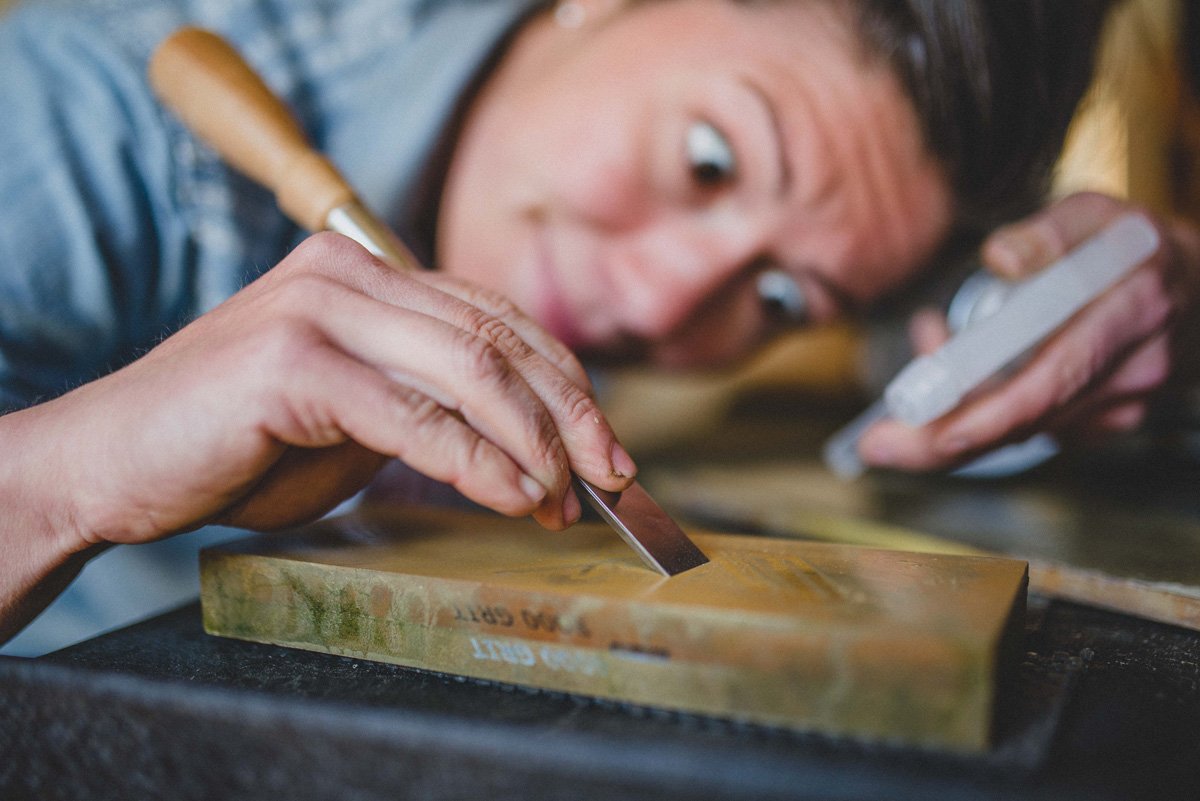
Sharpening wood chisels involves using a sharpening stone. Rub the chisel’s edge against the stone. Keep the angle steady for a sharp, clean cut. Proper sharpening helps maintain the tool’s effectiveness and extends its lifespan.
Sharpening chisels is an essential skill for anyone working with wood. A sharp chisel not only makes your work easier but also ensures cleaner and more precise cuts. You might have wondered why some woodworkers achieve silky-smooth finishes while others struggle with rough edges. The secret often lies in the sharpening technique. Each method has its merits, and understanding them can elevate your craftsmanship.Using A Honing Guide
A honing guide can transform your sharpening process. It helps maintain a consistent angle, which is crucial for achieving a sharp edge. Simply clamp the chisel into the guide, and you’re ready to sharpen. This tool is perfect if you’re new to sharpening or want to ensure precision. The honing guide takes the guesswork out, allowing you to focus on honing the blade. You’ll find that your chisels stay sharper for longer, saving you time in the long run. Have you ever tried using a honing guide? It’s like having a steady hand guiding you. You can achieve professional-level sharpness without the years of practice.Freehand Sharpening
Freehand sharpening might seem daunting, but it offers flexibility. Without the constraints of a guide, you can quickly adjust angles and techniques. This method provides a tactile experience, letting you feel the blade’s edge against the stone. It’s a skill worth mastering if you want more control over the sharpening process. Imagine being able to sharpen a chisel anywhere, anytime, without needing extra tools. Freehand sharpening offers that freedom. It might take time to perfect, but the satisfaction is unparalleled when you do. Which technique resonates with you? Do you prefer the precision of a honing guide or the freedom of freehand sharpening? Both have their place in a woodworker’s toolkit.
Credit: beavercrafttools.com
Creating The Perfect Edge
Sharpening wood chisels involves using a sharpening stone with water or oil. First, hold the chisel at a consistent angle. Then, move it back and forth across the stone. This process creates a sharp edge, essential for precise woodworking tasks.
Creating the Perfect Edge Sharpening wood chisels is an art that transforms your woodworking experience. A perfectly sharpened chisel slices through wood like butter, making your projects easier and more enjoyable. But how do you achieve that razor-sharp edge? It’s all about technique and practice.Establishing The Bevel
The bevel is the angled surface on your chisel’s blade. To create a sharp edge, you need to maintain a consistent bevel angle. Use a sharpening guide to keep your angle steady. This ensures your chisel cuts smoothly and efficiently. Imagine you’re crafting a wooden sculpture. A consistent bevel allows you to carve intricate details with precision. Start with a coarse sharpening stone to set the bevel. Glide your chisel across the stone, maintaining the angle. Feel the rhythm as you pull the chisel towards you, and hear the rasping sound of progress.Polishing The Edge
Once the bevel is set, it’s time to polish the edge. This step is crucial for achieving sharpness. Use a finer grit stone or honing compound for this process. Think of it as giving your chisel a mirror finish. As you polish, the edge becomes smoother and sharper. It’s like polishing a gemstone to reveal its brilliance. How do you know when your edge is polished enough? Try slicing through paper. If it cuts effortlessly, you’re on the right track. If not, keep honing until it does. Every woodworker has their preferred sharpening method. What’s yours? Have you tried different techniques or tools to achieve that perfect edge? Share your experience and tips in the comments below.Maintaining Sharpness
Maintaining sharpness in your wood chisels is essential for smooth and precise woodworking. Dull chisels can lead to mistakes and frustration. Keeping your chisels sharp ensures efficiency and safety. Let’s explore how to maintain their sharpness effectively.
Regular Honing
Honing keeps your chisels sharp and ready for use. It involves using a fine-grit stone. Regular honing prevents the need for frequent sharpening. Hone your chisels after each use. This keeps the edge fine and precise. Use light pressure and consistent strokes. It ensures an even edge.
Storing Chisels Properly
Proper storage extends the life of your chisels. Store them in a dry place. Moisture can cause rust. Use a wooden box or case for protection. This prevents accidental damage. Keep them away from metal tools. Metal contact can dull the blades. Organize them neatly to avoid scratches.
Credit: www.anneofalltrades.com
Common Mistakes To Avoid
Avoid pressing too hard on the chisel’s edge; this can lead to dullness. Ensure the sharpening angle is consistent to maintain precision. Neglecting regular maintenance can cause the chisel to become ineffective.
Sharpening wood chisels requires precision and care. Avoid common mistakes to keep them effective. Mistakes can lead to poor performance and damage. Here are some errors to watch out for.Over-sharpening
Over-sharpening can wear down your chisel blade quickly. This reduces its lifespan. Frequent sharpening removes more metal than necessary. This weakens the blade over time. Sharpen only when needed. Check the sharpness regularly. Use a light touch during sharpening. This ensures you maintain the blade’s integrity.Improper Angles
Using the wrong angle affects chisel performance. It impacts cutting efficiency and precision. Most chisels require a 25 to 30-degree angle. Using a different angle makes the blade dull faster. It also causes uneven cutting. Always use a sharpening guide. It helps maintain the correct angle. This ensures optimal sharpness and effectiveness. `Safety Tips
Sharpening wood chisels safely involves using a sharpening stone and maintaining a steady hand. Wear protective gloves to avoid cuts. Ensure your workspace is well-lit to clearly see the chisel’s edge.
Sharpening wood chisels is a crucial task for any woodworker. However, ensuring your safety while doing so is equally important. Accidents can happen in the blink of an eye. By adopting a few safety tips, you can protect yourself from potential injuries. Let’s dive into how you can keep your hands safe and implement safe sharpening practices.Protecting Your Hands
Wearing proper gloves can save you from nasty cuts. Opt for cut-resistant gloves specifically designed for woodworking. These gloves provide a good grip while offering protection from sharp edges. Keep your fingers away from the blade’s path. This might seem obvious, but it’s easy to forget when you’re focused on getting that perfect edge. Use a jig or a guide to stabilize the chisel, ensuring your hands are not in harm’s way. Are you working in low light? Ensure your workspace is well-lit. Good lighting helps you see what you’re doing, reducing the chance of accidental slips.Safe Sharpening Practices
Stabilize your sharpening stone or device. A slipping stone can cause you to lose control, leading to accidents. Secure it with a non-slip mat or clamp it down. Maintain a consistent angle while sharpening. Using an angle guide can help with this. It prevents the chisel from slipping and ensures even sharpening. Don’t rush the process. Sharpening requires patience. Hurrying can lead to mistakes and potential injuries. Do you have a first-aid kit nearby? Accidents can happen unexpectedly. Being prepared with band-aids or antiseptic wipes can make a difference if something goes wrong. By following these tips, you can sharpen your chisels effectively without compromising safety. Have you ever had a close call while sharpening? Reflecting on those experiences can help you avoid repeating them.Credit: kmtools.com
Frequently Asked Questions
What Is The Best Way To Sharpen Wood Chisels?
Use a sharpening stone for wood chisels. Begin with coarse grit, then move to finer grits. Maintain consistent angle while sharpening. Finish with honing for smooth edges. Regular maintenance ensures sharpness and efficiency.
Is Using A Bench Grinder The Proper Way To Sharpen A Chisel?
Yes, a bench grinder can sharpen a chisel. Use a fine grit wheel for better precision. Regularly cool the chisel to prevent overheating. For optimal results, maintain a consistent angle while grinding. Safety measures like goggles and gloves are essential.
Ensure proper technique for effective sharpening.
What Oil Can I Use To Sharpen Chisels?
Use honing oil or mineral oil to sharpen chisels effectively. These oils lubricate the sharpening stone and remove debris. Avoid using cooking oils, as they can become rancid. Opt for oils specifically designed for sharpening to ensure optimal performance and longevity of your chisels.
What Is The Best Sharpening Stone For Wood Chisels?
The best sharpening stone for wood chisels is a high-quality water stone. It offers excellent sharpening precision. Opt for a 1000/6000 grit combination for effective results. Water stones are popular for their ability to produce a sharp edge quickly, making them ideal for woodworking tools.
Conclusion
Sharpening wood chisels is a skill worth learning. It keeps your tools efficient. Dull chisels can cause mistakes and frustration. Using the right techniques makes sharpening easier. Always start with a coarse stone for best results. Finish with a fine stone for a sharp edge.
Regular maintenance extends the life of your chisels. Practice regularly for better skills. Soon, sharpening will become second nature. Enjoy woodworking with well-sharpened tools. It makes projects smoother and more enjoyable. Remember, practice makes perfect. Keep honing your skills. Happy woodworking!