Have you ever found yourself in a situation where you desperately needed to use your phone but couldn’t because you were wearing gloves? It’s a common frustration, especially during colder months.
You might wonder, how do gloves work on touch screens? This is a question that sparks curiosity and for good reason. Unlocking the secrets behind this innovation not only satisfies your inquisitive mind but also adds a layer of convenience to your daily life.
Imagine never having to choose between warm hands and staying connected. Intrigued? Keep reading to discover how technology has cleverly bridged the gap between comfort and connectivity, and how you can make the most out of this seamless interaction.
Touchscreen Technology Basics
Ever wondered why your smartphone responds to your touch but not when you’re wearing gloves? Touchscreen technology is a fascinating blend of science and engineering that makes this possible. Understanding the basics can help you choose the right gloves for your touchscreen devices.
Types Of Touchscreens
Touchscreens come in various types, each with its own unique features. Some rely on pressure, while others depend on electrical signals. The most common types are capacitive and resistive screens. Knowing the difference can help you understand why some gloves work and others don’t.
Capacitive Vs. Resistive Screens
Capacitive screens are what you find on most modern smartphones and tablets. They use the electrical properties of your skin to detect touch. This is why your fingers work perfectly, but regular gloves don’t. Ever tried using your phone with winter gloves? Frustrating, right?
Resistive screens, on the other hand, rely on pressure. They’re less common in consumer gadgets but can be found in some kiosks and older devices. These screens work with any object, even a stylus. Imagine using your phone with a pencil—it’s possible with resistive screens.
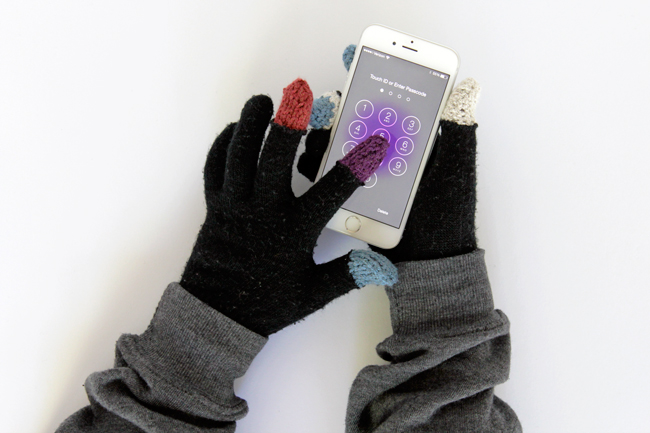
So, how do gloves fit into this? Touchscreen gloves are designed with special materials that mimic the electrical conductivity of your skin. This makes them compatible with capacitive screens. Have you ever considered upgrading your winter gear to touchscreen-friendly gloves for those chilly days?
Choosing the right type of gloves can make your life easier, especially if you’re someone who frequently checks your phone outdoors. Keep in mind that not all touchscreen gloves are created equal. Some are better suited for specific devices or screen types. What kind of gloves are you using now, and how do they perform?
Next time you’re shopping for gloves, think about the technology behind your touchscreen. It’s not just about staying warm; it’s about staying connected. Is your current pair up to the task?
Conductive Materials In Gloves
Touch screens have become a part of daily life. Regular gloves block the electric signals needed for touch screens. Special gloves with conductive materials solve this problem. They allow you to use your phone in the cold.
Role Of Conductive Fibers
Conductive fibers are the key to touch screen gloves. These fibers carry electric signals from your finger to the screen. They create a bridge between you and the device. Without them, the screen would not respond.
Conductive fibers are woven into the fabric. They cover the fingertips of gloves. This design ensures smooth touch screen interaction. The fibers mimic the natural conductivity of skin.
Materials Used For Conductivity
Several materials help gloves conduct electricity. Silver is a popular choice for conductive gloves. It is highly conductive and durable. Other metals like copper also work well. They are woven into threads or coated on fibers.
Some gloves use carbon-based materials. These materials are light and flexible. They ensure comfortable wear and good conductivity. The choice of material affects glove performance and comfort.
Mechanism Of Touchscreen Gloves
Touchscreen gloves work by incorporating conductive materials. These materials mimic the skin’s electrical properties, allowing interaction with screens. Special fibers or coatings connect the user’s touch to the device’s surface.
When you slide your fingers across your smartphone screen during winter, your gloves might seem like a barrier. But touchscreen gloves have found a way to bridge the gap between warmth and technology. Have you ever wondered how they work? Let’s dive into the fascinating mechanism behind touchscreen gloves.Simulating Human Touch
Touchscreens work by detecting the electrical charge from your fingers. This is why ordinary gloves don’t work—they block this charge. Touchscreen gloves are designed with special materials that mimic the conductivity of human skin. They have conductive threads woven into the fingertips, allowing the electrical signal to pass through. This means you can text or scroll without taking off your gloves. Next time you’re out in the cold, you might appreciate this clever design a bit more.Electrical Conduction Process
Think of your phone’s screen as a tiny electrical circuit. It reacts to the small electrical charges from your fingertips. Touchscreen gloves tap into this process with ease. The conductive threads in the gloves create a bridge for electricity, similar to how your fingers would. This allows the screen to sense your touch and respond accordingly. It’s a simple yet ingenious way to keep technology at your fingertips, even when it’s freezing outside. Have you ever found yourself struggling to use your phone with regular gloves? Touchscreen gloves eliminate that hassle by integrating seamlessly into your daily life. They keep you connected in any weather without compromising on comfort or functionality. Isn’t that something worth considering for your next winter accessory?
Credit: www.youtube.com
Design Considerations
Gloves for touch screens use conductive materials. These materials mimic the skin’s ability to interact with the screen. Thin layers allow sensitivity, ensuring accurate control and responses.
Designing gloves that work seamlessly with touch screens is an intriguing challenge. It’s not just about slapping on some conductive material and hoping for the best. Thoughtful design is crucial to ensure that gloves are both functional and comfortable. You want to keep your fingers warm without sacrificing the ability to send a quick text or browse your favorite app. Let’s dive into some key design considerations to keep in mind.Balancing Warmth And Sensitivity
Imagine standing at a bus stop on a chilly morning, your fingers warm inside your gloves. But as you pull out your phone, you realize your gloves aren’t responsive enough. This is a common dilemma. Gloves need to be warm, yet thin enough to allow precise interaction with touch screens. The solution often lies in using materials like conductive threads or coatings that mimic the electrical conductivity of your skin. Have you ever tried a pair that did it well?Durability And Usability
Touch screen gloves are not just for occasional use. They endure daily wear and tear, especially if you’re someone who frequently checks your phone. The challenge here is to make them strong enough to last through the seasons. Look for gloves with reinforced tips and high-quality stitching. Have you ever had gloves that wore out too quickly? It’s frustrating, right? Investing in a durable pair ensures you won’t have to buy new ones every winter. Plus, gloves designed with usability in mind might feature grips or patterns that make holding your phone easier, preventing accidental slips. When shopping for gloves, what do you prioritize: warmth, durability, or style? Balancing these aspects is key to a satisfying purchase.Challenges And Limitations
Using gloves on touch screens presents unique challenges and limitations. While it’s convenient to swipe your phone without removing your gloves, the technology isn’t flawless. You might find yourself tapping multiple times before your screen responds. Let’s dive into some specific issues you might face.
Sensitivity Issues
Have you ever tried to send a text while wearing gloves and ended up with a jumble of letters? Touch screens rely on the electrical conductivity of your skin to register a touch. Gloves often lack this conductivity, leading to sensitivity issues. Even specialized touchscreen gloves can struggle with precision. You might notice that certain gestures, like pinching to zoom, require extra effort. This can be frustrating when you’re in a hurry or trying to navigate a complex app.
Impact Of Weather Conditions
Weather can play a big role in how well your gloves work on a touchscreen. Cold weather, in particular, can stiffen the material of your gloves, reducing their effectiveness. Imagine you’re outside in freezing temperatures, trying to take a photo. Your gloves might not register your taps accurately. Additionally, moisture from rain or snow can interfere with the screen’s responsiveness. This might leave you wondering if it’s worth the hassle.
These challenges make it crucial to consider your needs when choosing touchscreen gloves. Have you ever thought about how much you rely on your phone while wearing gloves? Balancing warmth and functionality can be tricky. What trade-offs are you willing to make for convenience?
Credit: www.handsoccupied.com
Innovations In Touchscreen Glove Technology
In recent years, touchscreen glove technology has seen significant advancements. These innovations aim to bridge the gap between warmth and functionality. Touchscreen gloves allow users to interact seamlessly with their devices, even in cold weather. Let’s explore the exciting innovations making this possible.
Advanced Materials
Modern touchscreen gloves use conductive materials. These materials mimic the skin’s natural conductivity. They enable touchscreens to register commands without bare fingers. Copper and silver threads are common choices. They are woven into the glove fabric. This design maintains flexibility and comfort. It also ensures reliable touchscreen interaction.
Some gloves incorporate conductive leather patches. These patches are placed on fingertips. They offer precise control on touchscreens. The leather’s natural properties enhance durability. This combination is perfect for everyday use.
Future Trends
Looking ahead, touchscreen gloves will likely become smarter. Designers are exploring self-heating gloves. These gloves could adjust warmth levels based on weather. They might also feature integrated sensors. These sensors could provide real-time data to users.
Another trend is biodegradable materials. Eco-friendly gloves could reduce environmental impact. Biodegradable options ensure sustainability without sacrificing performance. These trends indicate a bright future for touchscreen gloves. They promise to blend technology with comfort and environmental responsibility.
Selecting The Right Touchscreen Gloves
Touchscreen gloves work by conducting the body’s electrical charge to the screen. Special conductive materials in the fingertips allow interaction. Choose gloves with sensitive tips for effective touchscreen use.
Selecting the right touchscreen gloves can make a big difference in how you interact with your devices in cold weather. You don’t want to remove your gloves every time you need to send a text or check an email. But what should you look for when choosing these gloves? Let’s dive into some key factors and top brands that can help you make the best choice.Factors To Consider
When choosing touchscreen gloves, think about the materials used. Conductive fibers woven into the fingertips allow electrical signals to pass through, mimicking a bare finger’s touch. Consider the fit as well. Gloves that are too loose can make it hard to type accurately on your screen. A snug fit ensures better control and precision. Durability is another important factor. High-quality gloves should withstand frequent use without wearing out. You want gloves that last more than one season, right?Top Brands And Recommendations
Several brands stand out when it comes to touchscreen gloves. Mujjo offers sleek leather gloves that work seamlessly with screens, perfect if you’re looking for style and function. The North Face is known for their Etip gloves, which are popular for their comfort and touchscreen compatibility. These are ideal for both casual and athletic use. For a budget-friendly option, Agloves provides excellent touch sensitivity at an affordable price. They’re a great choice if you’re looking for functionality without breaking the bank. Choosing the right gloves isn’t just about keeping your hands warm—it’s about maintaining your digital lifestyle seamlessly. Have you ever tried using touchscreen gloves that didn’t quite work? What did you wish they had?
Credit: northlibertylibrary.org
Frequently Asked Questions
Why Do Touchscreens Not Work With Gloves?
Touchscreens require electrical conductivity to detect touch. Gloves block this conductivity, preventing the screen from registering input.
How Do I Make My Gloves Touchscreen Capable?
Apply conductive thread to fingertips of gloves, allowing them to interact with touchscreens. Ensure thread covers the contact area.
How Do Touch Screens Detect Fingers?
Touch screens use capacitive or resistive technology to detect fingers. Capacitive screens sense electrical changes from a finger. Resistive screens detect pressure when touched. This interaction allows the screen to identify and respond to touch inputs.
How Do Styluses Work On Touch Screens?
Styluses work by mimicking a finger’s touch on capacitive screens. They conduct electrical signals to interact with touch-sensitive technology. This allows precise control and accurate input, enhancing tasks like drawing or writing. Styluses are often made with conductive materials, ensuring seamless communication with the screen’s touch sensors.
Conclusion
Gloves designed for touch screens offer great convenience. They let you use devices without removing them. Conductive materials in fingertips make this possible. These materials mimic the skin’s electrical properties. So, you can swipe, tap, and type easily. Not all gloves have this feature, though.
Choose wisely when buying gloves for winter. Check for touchscreen compatibility. This ensures you stay warm and connected. Always test gloves before purchasing. Feel the comfort and functionality firsthand. Enjoy using your devices even in cold weather. Stay warm and connected with the right gloves.