Imagine this: You’re out on the baseball field, the sun shining bright, the smell of fresh grass in the air, and you’re ready for the game. But there’s a problem—your glove feels stiff and unyielding, like trying to catch a ball with a wooden plank.
Frustrating, right? You know that a well-broken-in glove is your best friend on the field, providing flexibility, comfort, and confidence with every catch. But how do you get there? How can you transform that stiff piece of leather into a reliable extension of your hand?
We’ll guide you through the easy and effective steps to work in your baseball glove, making it game-ready and perfectly tailored for you. You’ll learn tips and tricks that will not only enhance your performance but also elevate your overall game experience. Ready to make your glove your secret weapon? Let’s dive in!
Credit: www.baseballmonkey.com
Choosing The Right Glove
Choosing the right glove is crucial if you want to play baseball effectively. A well-fitted glove can make all the difference in your performance. It’s not just about picking any glove off the shelf; you need to consider size, material, and the position you play. Let’s dive into these aspects to help you make the best choice.
Size And Fit
The size of your glove matters more than you think. A glove that’s too big can hinder your movements, while a glove that’s too small won’t provide enough coverage. Pay attention to the glove’s length and width. Try different sizes to find one that feels comfortable and allows you to move freely.
Consider how the glove fits around your hand. It should feel snug but not tight. You want to be able to close it easily around the ball. Remember, your glove is an extension of your hand, so it needs to feel like a natural fit.
Material Types
The material of the glove can affect its durability and comfort. Leather gloves are popular for their quality and longevity. They mold to your hand over time, providing a personalized fit. However, they may require more break-in time.
Synthetic gloves are lighter and can be more affordable. They often come pre-broken in, which means you can start using them right away. However, they might not last as long as leather gloves. Think about how often you play and what material suits your needs.
Position-specific Gloves
Every position on the field has specific glove needs. An outfielder’s glove is larger to help catch fly balls, while an infielder’s glove is smaller for quick ball transfers. Pitchers often use gloves with closed webbing to hide their grip from batters.
If you play multiple positions, consider a versatile glove that can adapt. Alternatively, specialized gloves can enhance your performance in a particular position. What position do you play, and how can the right glove improve your game?
Choosing the right glove is about understanding your needs and preferences. Take the time to try different options. Your choice can impact your confidence and ability on the field. What would it mean to you to have a glove that perfectly complements your playing style?
Breaking In A New Glove
Softening a new baseball glove takes patience. Begin by bending and flexing the glove repeatedly. Apply a small amount of glove oil to soften the leather. Practice catching to further mold the shape to your hand.
Breaking in a new baseball glove is essential for performance. A stiff glove can hinder play, making catching difficult. Softening it enhances comfort and control. This process involves several steps. Each step plays a crucial role in getting the glove game-ready. Let’s explore these steps to ensure your glove is ready for action.Applying Leather Conditioner
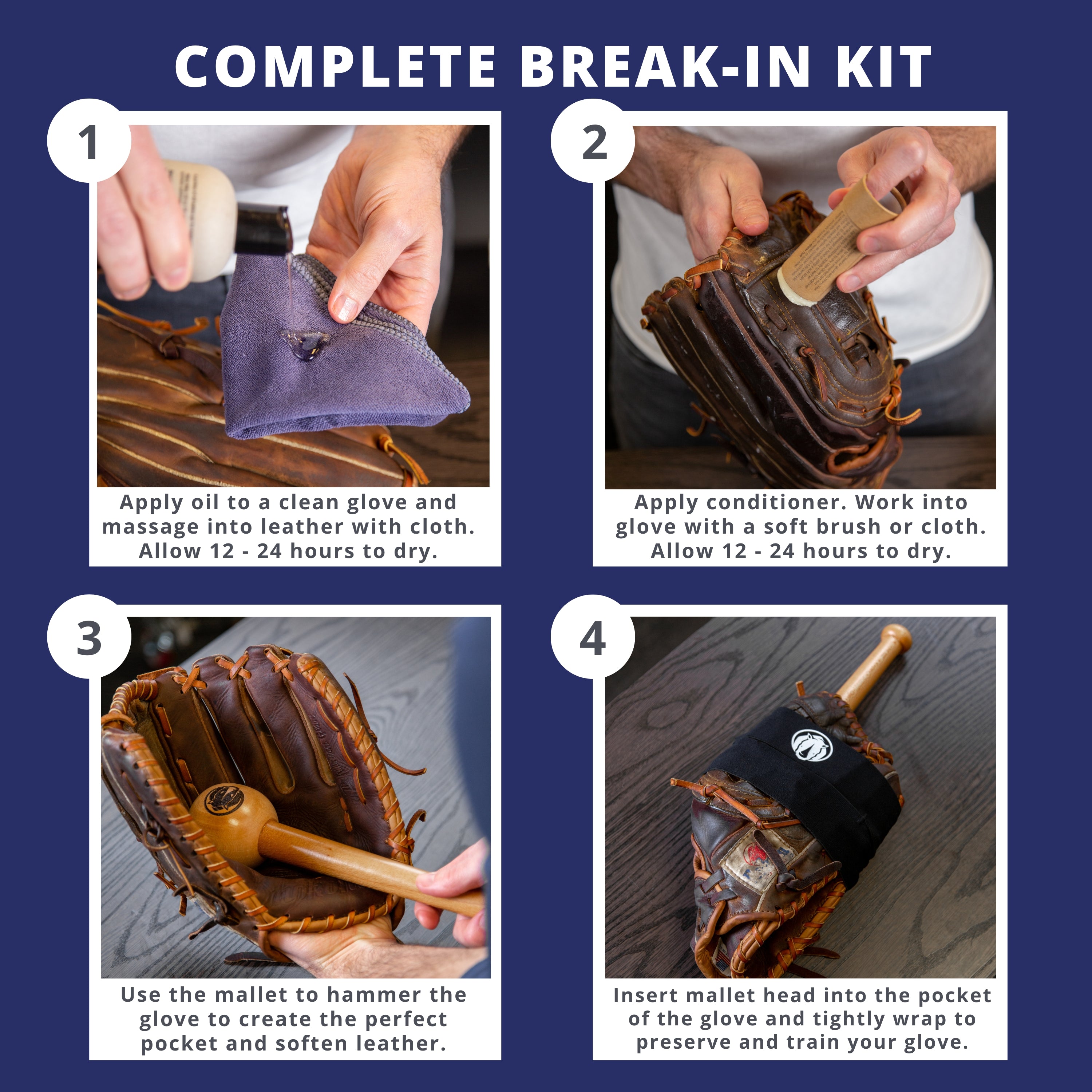
Start by applying a leather conditioner. This softens the glove and prevents cracks. Use a clean cloth to spread the conditioner. Cover all parts of the glove, especially the palm and fingers. Allow the conditioner to soak overnight. This ensures deep penetration into the leather fibers.Using A Mallet
A mallet helps mold the glove to your hand. Gently pound the glove with the mallet. Focus on the pocket and the fingers. This action loosens the leather, making it more flexible. Repeat this process several times for best results.Forming The Pocket
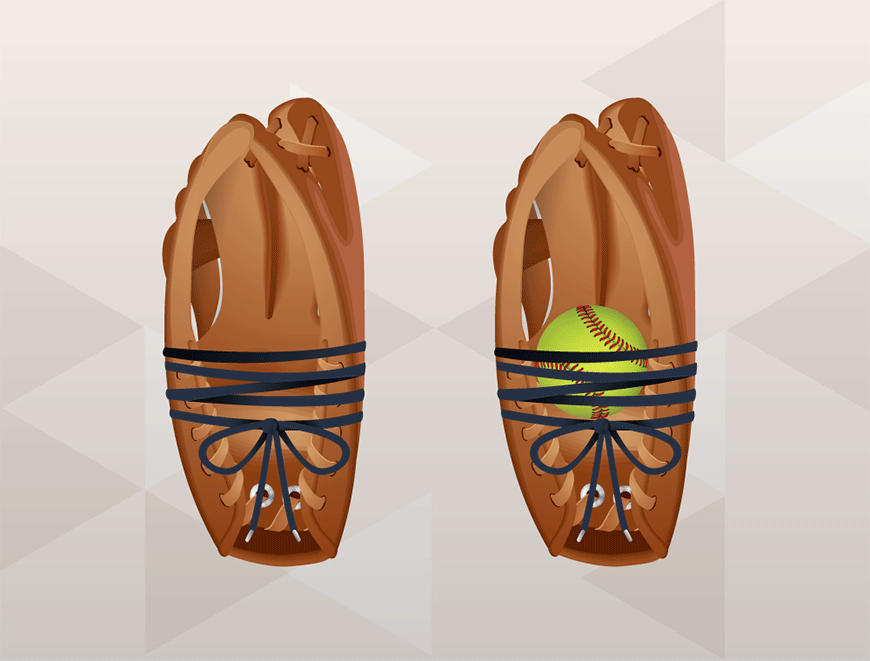
Forming the pocket is crucial for catching. Place a baseball in the glove’s palm. Wrap the glove tightly with a rubber band. Leave it for several days. This shapes the pocket around the ball, creating a snug fit. A well-formed pocket improves catching accuracy.Proper Glove Maintenance
Maintaining your baseball glove is crucial for its longevity. A well-cared-for glove performs better and feels comfortable. Proper maintenance involves cleaning, storing, and repairing. Each aspect keeps your glove in top shape for the next game.
Cleaning Techniques
Regular cleaning removes dirt and sweat. Use a damp cloth to wipe the glove. Avoid soaking it in water, as this can damage the leather. Leather conditioner helps keep the material soft and flexible. Apply it after cleaning to preserve the glove’s quality.
Storage Tips
Storing your glove properly prevents wear and tear. Keep it in a cool, dry place. Avoid direct sunlight, as it can dry out the leather. Use a ball or a softball inside the glove to maintain its shape. This simple trick ensures it stays ready for action.
Repairing Damage
Inspect your glove regularly for any damage. Small tears or loose laces can be fixed at home. Use a needle and thread for stitching. For larger issues, consult a professional. Timely repairs extend your glove’s life and improve performance.
Credit: rhinowaxes.com
Enhancing Glove Performance
Enhancing the performance of your baseball glove can make all the difference in your game. Whether you’re catching fly balls or fielding grounders, a well-maintained glove will help you shine on the field. Let’s dive into some practical ways to boost your glove’s performance.
Adjusting Laces
Your glove’s laces are like the backbone of its structure. Adjusting them can improve how it fits your hand and how it performs. Check if the laces are too tight or too loose. A snug fit will give you better control over the ball.
When I first got my glove, I noticed it was a bit floppy. After adjusting the laces for a tighter fit, my catches became more reliable. Have you checked your glove’s laces recently?
Adding A Glove Wrap
Adding a glove wrap can help maintain its shape. It’s especially useful after breaking in your glove. A wrap will keep it from becoming too flat or too stiff.
Try wrapping your glove after each game. This small step can make your glove last longer. It’s a quick fix that pays off in the long run.
Using Glove Oils
Glove oils can soften the leather and enhance flexibility. They’re a game-changer for keeping your glove in top condition. Applying a small amount of oil will make the leather more pliable and easier to work with.
I once neglected using oils on my glove, and it started cracking. After applying glove oil, it became supple again. Have you considered the benefits of glove oils for your own gear?
These simple yet effective methods can transform your glove into a reliable companion on the field. Remember, your glove is an extension of your hand. Treat it with care, and it will return the favor in performance.
Practicing With Your Glove
Practicing with your baseball glove is crucial for honing your skills and becoming a better player. Whether you’re a beginner or have been playing for years, working with your glove can greatly improve your game. It’s all about developing a feel for the glove, enhancing your agility, and mastering your control over the ball.
Fielding Drills
Fielding drills are essential for getting comfortable with your glove. Start with basic ground ball drills to build your confidence. Get a friend to hit or throw balls in your direction, and focus on keeping your eye on the ball as it approaches.
Position yourself correctly, bend your knees, and ensure your glove is out in front of you. This will help you scoop the ball up smoothly. Over time, you’ll notice your reaction time improving, allowing you to field balls more efficiently.
Catching Techniques
Catching the ball properly is another important skill to master. Practice catching pop flies and line drives regularly. For pop flies, position your body under the ball and keep your glove high, fingers pointing upwards.
For line drives, keep your glove hand steady and make sure your fingers are pointing towards the sky. Don’t be afraid to move your feet quickly to adjust your position. Consider this: how does a slight shift in your stance affect your catching success?
Ball Handling Skills
Improving ball handling skills can make a big difference in your game. Work on transferring the ball from your glove to your throwing hand swiftly and smoothly. A good drill is to practice the quick catch-and-release motion without rushing.
Focus on grip and control. You might discover that altering your grip slightly enhances your throw accuracy. Play catch with a partner and challenge yourself to make clean throws consistently. Ask yourself: how can refining this skill impact your overall game performance?
Each of these practice areas will contribute to your growth as a player. Your glove will feel like a natural extension of your hand, ready for action at any moment. Keep practicing, stay persistent, and watch as your skills soar to new heights.

Credit: www.youtube.com
Common Mistakes To Avoid
Mistakes happen when breaking in a baseball glove. Using too much water can ruin the leather. Avoid excessive oil, it makes gloves sticky. Always store gloves flat to maintain shape.
Working in a baseball glove can be a rewarding process, transforming a stiff piece of leather into a personalized piece of equipment that feels like an extension of your hand. However, there are common mistakes people make that can hinder this process. Avoiding these pitfalls is key to ensuring your glove remains in top shape and performs well on the field. Let’s dive into some of these common mistakes and how you can sidestep them.Over-oiling
Over-oiling is a frequent mistake that can damage your glove. When you apply too much oil, it can cause the leather to become heavy and soggy. This impacts the glove’s flexibility and lifespan. Use oil sparingly. A light coat once in a while is enough to keep the leather supple. Think of it like conditioning your hair; too much product can weigh it down.Neglecting Routine Care
Routine care is crucial for maintaining your glove. Skipping regular maintenance can lead to cracks and a loss of shape. Make it a habit to clean your glove after each game. Wipe off dirt and dust with a soft cloth. Consider this as giving your glove a shower after a long, sweaty day.Improper Storage
How you store your glove impacts its condition. Leaving it in damp areas or direct sunlight can cause serious damage. Store your glove in a cool, dry place. Use a ball to maintain its pocket shape. Have you ever left a chocolate bar in the sun? Imagine the mess—your glove can suffer a similar fate. Avoiding these mistakes can help your glove last longer and perform better. Have you made any of these errors before? How do you take care of your glove? Share your experiences and tips in the comments below.Tips From The Pros
Baseball gloves are more than just equipment. They are extensions of a player’s skill and style. Professional players have shared their best tips for working in a glove. These insights can help any player improve their game. Let’s explore these pro tips.
Personalizing Your Glove
Each player has unique preferences. Personalizing your glove makes it feel like an extension of you. Start with the pocket. Some like a deep pocket, others prefer a shallow one. Use a baseball and mallet to shape it. This helps the glove fit your style.
Laces are another area to personalize. Some players tighten them for a snug fit. Others loosen them for flexibility. Adjusting the laces can impact your performance. Consider the glove’s weight and balance. Some players add extra padding or remove it. This can make the glove more comfortable.
Pre-game Preparations
Preparing your glove before a game is crucial. First, check for any wear and tear. A damaged glove can affect your play. Apply glove oil to keep it supple. This prevents cracking and maintains flexibility.
Warm up your glove with your hands. This helps mold it to your grip. Toss a ball into it repeatedly. This action helps the glove remember its shape. It gets your hand comfortable with the glove’s feel.
Maintaining Focus
Keeping focus on the field is vital. Your glove plays a role in this. A well-fitted glove feels like part of your hand. It allows you to concentrate on the ball, not the glove.
Practice with your glove regularly. The more you use it, the better it fits. Familiarity with your glove enhances your confidence. A confident player stays focused. This focus can make the difference in crucial moments.
Frequently Asked Questions
What’s The Best Way To Work In A Baseball Glove?
Soften the leather with a glove conditioner. Play catch regularly to shape and break it in. Store it with a ball inside to maintain its pocket. Avoid soaking it in water or using excessive heat to dry it.
How To Break In A Baseball Glove Fast?
To break in a baseball glove fast, apply glove oil or conditioner. Use your hands to flex it repeatedly. Place a ball in the pocket and tie it shut overnight. Regularly play catch to naturally shape it. Avoid soaking in water or using excessive heat.
How Long Does It Take To Work In A Baseball Glove?
Breaking in a baseball glove usually takes two weeks to a month. Regular use and proper conditioning expedite the process. Apply glove oil or conditioner, and flex the leather daily. Catching balls during practice further softens the glove, enhancing fit and performance for optimal play.
Do You Need To Break In A Baseball Glove?
Yes, breaking in a baseball glove is essential. It enhances flexibility, comfort, and performance. Use techniques like oiling, playing catch, or using a mallet to soften the leather. Properly breaking it in helps the glove form to your hand, improving your grip and control on the field.
Conclusion
A baseball glove feels better with practice. You learn its quirks and strengths. Take time to break it in properly. Use oil or conditioner for flexibility. Play catch often to mold the leather. A well-worked glove enhances your game. It becomes a trusted friend on the field.
Treat it with care to enjoy years of play. Remember, patience pays off. With regular use, your glove becomes perfect for your hand. It’s more than equipment; it’s part of your baseball journey. Keep working on it. Enjoy every catch and every throw.
Happy playing!