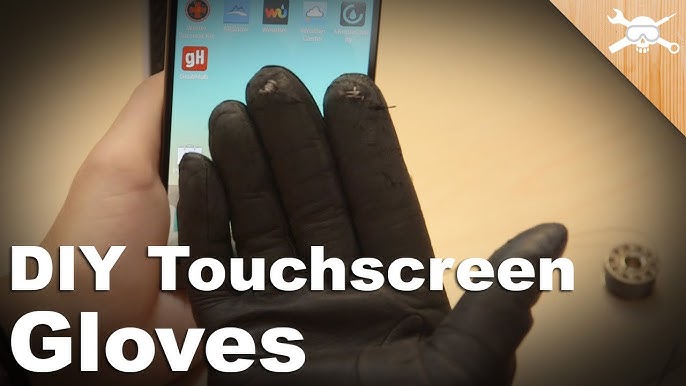
Have you ever found yourself struggling to use your smartphone in the biting cold, wishing your fingers didn’t have to face the freezing air just to send a quick text? Touchscreen gloves are the simple yet ingenious solution that lets you interact with your devices while keeping your hands warm and cozy.
But have you ever wondered how these magical gloves actually work? We’re diving into the fascinating world of touchscreen gloves. You’ll discover how they seamlessly bridge the gap between the warmth of your gloves and the responsive touchscreens you rely on every day.
Get ready to uncover the clever technology that makes it all possible, and you’ll never look at your winter accessories the same way again. Keep reading, and you’ll be equipped with knowledge that adds a new layer of appreciation to your cold-weather gear.
Credit: www.handsoccupied.com
The Science Behind Touchscreens
Have you ever wondered how you can swipe your smartphone screen with gloves on? The science behind touchscreens is fascinating and involves an intricate dance of technology and physics. Understanding how touchscreen gloves work can make your winter texting woes a thing of the past. Let’s explore the magic behind capacitive touchscreen technology and the role of conductivity in making these gloves functional.
Capacitive Touchscreen Technology
Capacitive touchscreens are the most common types found in smartphones and tablets. They rely on the electrical properties of the human body. When you touch the screen, it detects the change in electrical charge.
These screens are coated with a conductive layer. This layer forms a grid of tiny electrodes. Your finger alters the grid’s electrostatic field, allowing the device to pinpoint your touch location. It’s like your finger completes a circuit, creating a unique touch signature.
Imagine trying to use a touchscreen with regular gloves. Frustrating, right? That’s because most gloves are insulators, blocking the electric charge needed to communicate with the screen.
Role Of Conductivity
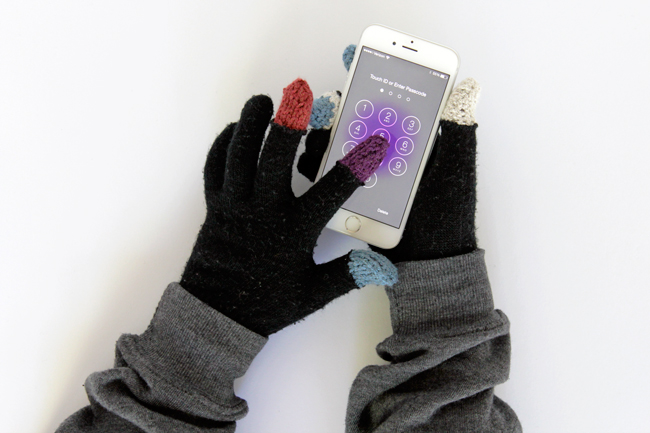
Conductivity is the key to touchscreen gloves. These gloves have conductive materials woven into the fingertips. Materials like silver or copper thread allow the gloves to mimic your finger’s electrical signature.
Think of these threads as magic pathways. They carry the charge from your body through the glove to the screen. This allows the gloves to act like your bare finger, unlocking your device without removing them.
Have you ever tried using your nose to navigate your phone when your hands were full? Conductive gloves offer a more practical solution. They keep your hands warm while maintaining touchscreen functionality.
Next time you pick up your phone in chilly weather, consider how your gloves are mimicking your body’s electrical signals. Isn’t it amazing how a simple thread can bridge the gap between technology and comfort?
Do you think touchscreen gloves are a worthwhile investment? Or do you have clever alternatives for using your phone in cold weather? Share your thoughts!

Credit: m.youtube.com
Materials Used In Touchscreen Gloves
Touchscreen gloves have become an essential accessory for anyone living in colder climates. They allow you to use your smartphone without freezing your fingers. But have you ever wondered how these gloves work? The secret lies in the materials used. These materials enable the transmission of electrical signals from your fingers to the device screen, making them both functional and warm.
Conductive Threads And Fibers
Conductive threads and fibers are the magic elements in touchscreen gloves. They are usually made by blending metallic fibers like copper or silver with traditional fabrics. This blend allows electricity to flow from your fingers to the screen.
Have you ever noticed how some gloves have only certain fingertips that work on screens? That’s because only those areas contain these special threads. Even a small amount of conductive material can make a big difference.
Think about the last time you tried using regular gloves on your phone. You probably experienced frustration as nothing happened on the screen. Conductive threads solve this problem by mimicking the electrical conductivity of your skin.
Common Materials In Use
The most common materials for touchscreen gloves are a mix of polyester, spandex, and wool. Each has its own advantages. Polyester and spandex provide a snug fit and flexibility, while wool adds warmth.
Some gloves use leather, which naturally conducts electricity. Leather gloves offer a stylish option for touchscreen compatibility. However, they may not be as flexible as fabric-based gloves.
Have you ever thought about why some gloves work better than others? The answer often lies in the percentage of conductive material used. More conductive fibers generally mean better performance.
Next time you’re shopping for gloves, take a closer look at the materials listed. Are you getting the right balance of comfort, warmth, and functionality? Understanding these materials can make your choice easier.
How Touchscreen Gloves Interact With Screens
Touchscreen gloves work by incorporating conductive materials into their fingertips. These materials mimic the conductivity of human skin, allowing seamless interaction with touchscreens. This innovation lets users operate their devices without removing gloves in cold weather.
Touchscreen gloves have become a winter essential for tech-savvy individuals. But how do they actually work with your devices? Understanding how touchscreen gloves interact with screens can make selecting the right pair easier. Let’s break down the magic behind these innovative gloves and how they can keep you connected, even in the cold.Mimicking Human Touch
Touchscreen gloves are designed to mimic the conductive nature of your skin. Most touchscreens rely on the electrical conductivity of your fingers to register input. The gloves achieve this by using materials like silver, copper, or conductive fibers woven into the fabric. Think of the last time you tried to use your phone with regular gloves. It probably didn’t work, right? That’s because regular gloves act as an insulator, blocking the electrical signal. But with conductive materials, the gloves bridge the gap, allowing your touch to be recognized by the screen.Ensuring Responsiveness
Responsiveness is key when you’re texting in the cold. Touchscreen gloves need to be finely tuned to ensure they work seamlessly with your device. The placement of conductive fibers is crucial; they are usually found in the fingertips, where your touch is most likely to occur. Imagine standing at a bus stop, trying to send a quick message. You want gloves that respond instantly, without needing extra pressure or awkward finger movements. Quality touchscreen gloves offer precise control, so you can swipe, type, and tap just as you would with bare fingers. But not all touchscreen gloves are created equal. Some may use inferior materials that wear out quickly, reducing responsiveness. It’s worth investing in a pair that ensures longevity and consistent performance. Have you ever considered how the tiny details in the construction of your gloves affect their function? These aspects can make all the difference in your user experience. So, next time you shop for touchscreen gloves, look out for those with a reputation for maintaining sensitivity and durability.Design And Functionality Features
Touchscreen gloves use conductive materials to mimic the touch of your skin. They allow you to interact with screens seamlessly. Special fibers woven into the fingertips ensure precise control and functionality.
Touchscreen gloves have become essential in our tech-savvy world, allowing you to stay connected without sacrificing warmth. The design and functionality features of these gloves are what make them so effective. When you understand these elements, you can appreciate why touchscreen gloves are a must-have accessory in chilly weather.Ergonomic Considerations
Touchscreen gloves are designed with your comfort in mind. The material is often stretchy, ensuring a snug fit that mimics your natural hand movements. This ensures that you can effortlessly swipe, tap, and type without any discomfort. Think about the gloves you’ve used before—did they feel bulky or restrictive? Touchscreen gloves aim to eliminate these issues by offering a tailored fit that feels like a second skin. Some gloves even incorporate strategically placed seams to minimize irritation during prolonged use. The goal is to enhance your dexterity while using your device.Weatherproofing And Insulation
Touchscreen gloves aren’t just about tech compatibility; they’re also designed to keep your hands warm and dry. Many are equipped with weatherproofing features such as water-resistant coatings and windproof barriers. This ensures you can use your phone outside without worrying about the elements. But what about insulation? It’s not just about blocking out moisture; it’s also about retaining heat. Touchscreen gloves often use materials like fleece or Thinsulate to provide warmth without bulk. Have you ever tried using your phone with regular gloves in freezing weather? Touchscreen gloves address this issue by integrating special conductive fibers in the fingertips, allowing you to stay connected even in the coldest conditions. These design features combine to offer a seamless experience, merging technology with practical needs. So next time you slip on your touchscreen gloves, consider the thought and innovation that went into making them both functional and comfortable.Types Of Touchscreen Gloves
Touchscreen gloves feature conductive materials that allow electrical signals from your fingers to reach the screen. Different types include full conductive, which covers the entire glove, and fingertip conductive, which only includes the fingertips. These designs ensure compatibility with smartphones and tablets in cold weather.
Touchscreen gloves are a lifesaver during chilly months when you want to use your smartphone without freezing your fingers. But have you ever wondered how these gloves actually work? The secret lies in the types of touchscreen gloves available. Understanding these types can help you choose the perfect pair that meets your needs.Full Hand Conductivity
Full hand conductivity gloves are like magic. They allow you to use your entire hand to navigate your touchscreen device. These gloves are crafted using conductive materials woven throughout the glove. Imagine being able to zoom in and out, swipe through photos, or play games without any limitations. This means every part of your hand can interact with the screen. So, whether you’re texting, scrolling, or playing a game, you won’t have to worry about missing a tap. Have you ever felt frustrated when your fingertips couldn’t register on the screen? With full hand conductivity, that frustration is a thing of the past.Fingertip Conductivity
Fingertip conductivity gloves focus on specific areas of your hand. Only the fingertips are designed to be conductive. Why? Because these are the areas you most often use to touch your screen. Think of the convenience when you’re typing out a quick message or selecting apps. This type is perfect for those who need precision without bulk. However, have you ever struggled to use other parts of your hand when wearing these gloves? It can be a slight drawback if you need more than just fingertip access. But if you’re a precision user, these gloves offer an excellent balance between warmth and functionality. Choosing between these types of gloves can change your winter experience. Have you found yourself constantly pulling off regular gloves just to answer a call? Opting for the right type of touchscreen gloves can make life much easier. Which type do you think would suit your lifestyle better?Choosing The Right Pair Of Gloves
Selecting the perfect touchscreen gloves is essential. Different gloves suit different needs. Some focus on warmth, others on style or functionality. Understanding the key factors will guide your choice. Let’s explore the essentials in choosing the right pair.
Factors To Consider
First, consider the material. Wool, leather, and synthetic materials offer different benefits. Wool provides warmth, while leather offers durability. Synthetic materials are often more flexible and lightweight.
Next, think about the conductivity. Conductive fibers in the fingertips are crucial. They allow the gloves to interact with the touchscreen. Ensure the gloves have good touch sensitivity.
Fit is also important. Gloves should fit snugly but not too tight. A good fit ensures better touchscreen interaction. Check the size chart before buying.
Popular Brands And Models
Many brands offer reliable touchscreen gloves. North Face and Under Armour are popular choices. They provide warmth and good touchscreen functionality.
Another great option is Mujjo. Their gloves combine style with efficient performance. Agloves are known for their all-finger conductivity.
Consider budget as well. Some brands offer affordable options without sacrificing quality. Research customer reviews for real-world insights.
Benefits And Limitations
Touchscreen gloves let you use devices without removing them, thanks to conductive materials. They keep fingers warm but might compromise precision. While convenient for cold weather texting, they may not work with all screens.
When the winter chill sets in, you might find yourself torn between keeping your hands warm and staying connected on your smartphone. Touchscreen gloves promise to be the perfect solution, offering both warmth and functionality. But are they truly the answer to your winter woes? Let’s explore the benefits and limitations of these innovative gloves.Advantages Of Using Touchscreen Gloves
Touchscreen gloves are designed with conductive materials that let you interact with your devices without exposing your fingers to the cold. This means you can text, scroll, and swipe efficiently, even in freezing temperatures. Imagine standing at a bus stop, comfortably texting your friend without having to remove your gloves. These gloves often come in stylish designs, allowing you to maintain your fashion sense while staying warm and connected. Many brands offer a range of colors and fits, ensuring you can find a pair that suits your personal style. Plus, they make thoughtful gifts for tech-savvy friends who live in colder climates. For those who spend a lot of time outdoors, touchscreen gloves can be a game-changer. Whether you’re hiking, skiing, or just taking a brisk walk, these gloves let you use your GPS or capture the perfect photo without any hassle. They provide a seamless experience, blending convenience with necessity.Potential Drawbacks
However, touchscreen gloves aren’t perfect. Some users find that the sensitivity isn’t as precise as using bare fingers. This can lead to frustrating typos or missed taps, especially when you need to type quickly or accurately. Another limitation is durability. The conductive material in the fingertips can wear out over time, especially with frequent use. This can reduce the glove’s effectiveness, eventually forcing you to purchase a new pair sooner than expected. Are touchscreen gloves worth the investment for you? Consider how often you need to use your devices outdoors and weigh that against the potential wear and tear. Some people find the convenience outweighs the drawbacks, while others prefer to remove their gloves for short interactions. Touchscreen gloves offer a blend of convenience and style, but like anything, they come with trade-offs. Have you tried a pair yet, and if so, how did they measure up in your daily life?
Credit: northlibertylibrary.org
Frequently Asked Questions
How Do Touch Screens Work With Only Fingers?
Touch screens use capacitive technology, detecting electrical properties from fingers. Fingers disrupt the screen’s electrostatic field, registering input. This interaction enables precise control and navigation, making touch screens responsive and intuitive for users.
Are Touchscreen Gloves Worth It?
Yes, touchscreen gloves are worth it for convenience and warmth. They allow easy smartphone use in cold weather. These gloves come in various styles, ensuring comfort and functionality. Ideal for tech-savvy individuals who want to stay connected without freezing hands.
Investing in touchscreen gloves enhances your winter experience.
Why Do Touchscreens Not Work With Gloves?
Touchscreens need skin’s electrical conductivity to function. Gloves block this conductivity, preventing screen recognition. Use capacitive gloves for better interaction.
How Do I Make My Gloves Touchscreen Capable?
Apply conductive thread to the fingertips of your gloves. Sew it carefully into the fabric to ensure touchscreen compatibility.
Conclusion
Touchscreen gloves make cold weather tech-friendly. They use conductive materials. This allows fingers to connect with screens. No more removing gloves to use devices. Perfect for outdoor activities or chilly commutes. Their design blends fashion with function. So, whether it’s texting or scrolling, touchscreen gloves are practical.
Keep your hands warm and tech accessible. They’re a smart choice for modern life. Understanding their working principle helps in choosing the right pair. Next time you shop, think about touchscreen capability. Stay warm, stay connected.