When you’re gearing up for activities that demand knee protection, knowing how to properly put on knee pads is crucial. Whether you’re a dedicated skateboarder, an enthusiastic gardener, or just tackling some home improvement projects, the right technique can make all the difference in comfort and safety.
Imagine moving with ease and confidence, without the constant worry of slipping knee pads or unnecessary discomfort. Mastering this simple skill not only enhances your experience but also ensures you’re protecting yourself in the best possible way. Dive into this guide to discover the secrets of securing your knee pads efficiently and comfortably, and feel empowered in every move you make.
Credit: www.youtube.com
Choosing The Right Knee Pads
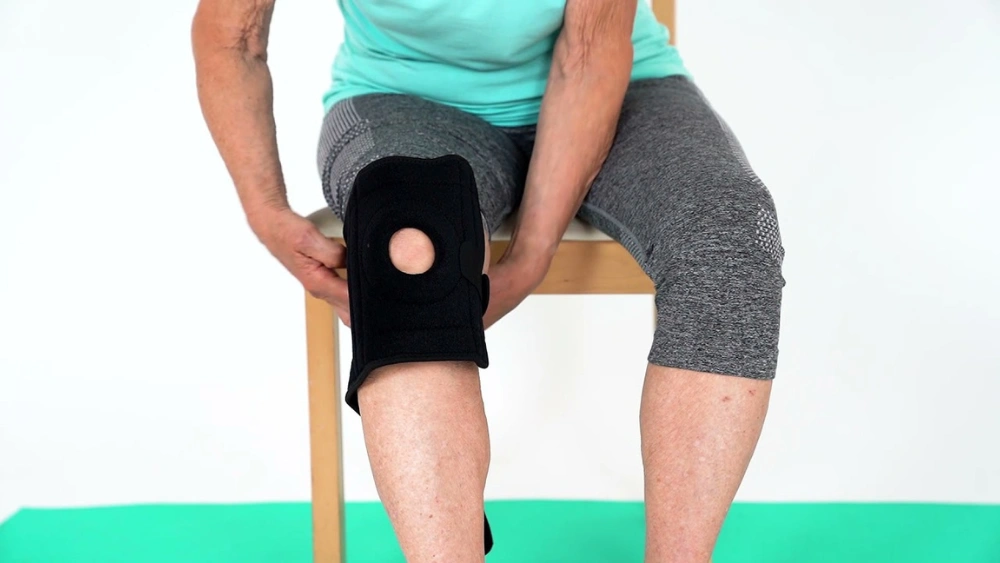
Properly wearing knee pads ensures comfort and protection. Start by placing them over your knees, ensuring a snug fit. Adjust the straps so they stay in place during movement, without being too tight.
Choosing the right knee pads is crucial for comfort and protection, whether you’re skating, gardening, or working on a construction site. Selecting the perfect pair involves considering several factors, which will ensure that your knees are safeguarded without compromising mobility. So, how do you make the best choice? Let’s dive into the key aspects that will guide you in finding the ideal knee pads.Types Of Knee Pads
Knee pads come in various styles tailored to specific activities. Soft-shell knee pads are excellent for tasks requiring flexibility, like gardening or floor work. They offer comfort without restricting movement. Hard-shell knee pads provide maximum protection and are perfect for high-impact activities such as skating or construction work. They are designed to absorb shocks and prevent injuries. Consider what you primarily need them for. This will narrow down your choices significantly and help you focus on the features that matter most to you.Materials And Durability
The materials used in knee pads play a significant role in their longevity and comfort. Foam padding offers excellent cushioning, making it a favorite for long hours of wear. It’s lightweight and absorbs impact well. Gel padding is a premium option that molds to your knees. It’s great for those who need extra support and comfort for extended periods. Look for durable outer materials like Nylon or Polyester. They withstand wear and tear, ensuring your knee pads last through intense activities. Prioritize durability to avoid frequent replacements.Size And Fit Considerations
A well-fitted knee pad is crucial for effective protection. Measure your knee circumference to find the right size. Many brands provide size charts to help you choose accurately. Ensure the straps are adjustable. This allows for a snug fit, preventing the pads from slipping during use. A loose knee pad can be as ineffective as not wearing one at all. Consider trying different sizes if you’re unsure. A personal experience I had involved purchasing knee pads that were slightly too tight. It led to discomfort and limited mobility. It taught me the importance of the right fit. In your quest for knee pads, what’s your priority? Comfort, protection, or a balance of both? Your answer will guide your choice and ensure you invest in the best gear for your needs.Preparing For Use
Putting on knee pads starts with finding the right fit. Ensure the straps are snug yet comfortable. Adjust them properly to prevent slipping during use. Proper placement protects knees and enhances mobility. Keep the pads clean for optimal performance and longevity.
Putting on knee pads might seem straightforward, but ensuring they are correctly prepared for use is crucial for both comfort and effectiveness. Imagine gearing up for your favorite outdoor activity, whether it’s skateboarding or gardening, and realizing halfway through you need to adjust your gear. Proper preparation can save you from distractions and discomfort. Let’s dive into how you can get your knee pads ready to provide optimal protection.Inspecting For Damage
Before you strap on those knee pads, take a moment to inspect them. Look closely for any signs of wear and tear. Are there any cracks or frayed edges? These can compromise protection and comfort. A quick inspection can prevent unexpected mishaps. It’s akin to checking your bike tires before a ride. You wouldn’t want to discover a flat tire miles from home, right? Similarly, ensuring your knee pads are in top condition keeps you safe during your activities.Adjusting Straps And Fasteners
Proper adjustment is key to making your knee pads work for you. If they’re too tight, they might cut off circulation. Too loose, and they won’t stay in place. Find the balance that offers security without discomfort. Use the straps and fasteners to achieve a snug fit. Think about your last experience with loose-fitting gear—did it distract you from your task? Avoid that hassle by ensuring your knee pads fit just right. Your knees will thank you later.Wearing Appropriate Clothing
The clothes you wear can affect how well your knee pads perform. Opt for pants or shorts that allow flexibility and don’t interfere with the pads. Tight clothing might push the pads out of place, while loose garments could bunch up underneath. Consider what you feel most comfortable in when you’re active. Does your outfit allow freedom of movement without compromising the knee pads’ position? This consideration might seem small, but it can make a big difference in how effectively your knee pads protect you. Are you ready to enjoy your favorite activities with peace of mind? Preparing your knee pads correctly means you can focus more on your activities and less on adjusting your gear. What adjustments will you make next time you gear up?Correct Placement
Ensure knee pads align with the knee cap for optimal protection. Secure straps comfortably to maintain mobility. Proper placement prevents slipping and enhances support during activities.
Correct placement of knee pads is essential for both comfort and protection. It’s not just about strapping them on and hoping for the best. Ensuring they sit correctly can make a significant difference in their effectiveness. Let’s dive into the specifics of how to position your knee pads perfectly to keep you safe and comfortable.Aligning With Kneecap
To start, you need to ensure the knee pad is centered over your kneecap. This alignment is crucial as it provides the necessary cushioning and protection during impact. Imagine the knee pad as a shield for your kneecap. If it’s off-center, it might not protect you when you need it most. Check that the pad’s center aligns with your kneecap when your leg is bent slightly.Ensuring Secure Fit
Once aligned, securing the fit is the next step. A snug fit is essential to keep the knee pad in place during movement. Use the straps or fasteners to adjust the tightness. They should be tight enough to stay in place but not so tight that they cut off circulation. Test by moving your leg back and forth to see if the pad shifts. If it does, readjust and try again.Avoiding Common Mistakes
Avoid wearing knee pads over bulky clothing. This can cause them to slip and reduce their effectiveness. It’s best to wear them directly over your skin or over thin clothing. Another common mistake is wearing knee pads too low. This can leave your kneecap exposed. Make sure they sit right over the kneecap, not below it. Have you ever put on knee pads only to find them slipping off mid-activity? This usually means the fit wasn’t secure. Reevaluate the alignment and fastening to prevent this from happening again. Correct placement isn’t just about protection; it’s also about comfort. By paying attention to these details, you’re ensuring your knee pads work as they should.Securing Knee Pads
Easily secure knee pads by first placing them over your knees. Adjust the straps for a snug fit. Ensure comfort by checking for movement restrictions.
Securing knee pads is crucial for both safety and comfort. Imagine you’re in the middle of a game or a DIY project, and your knee pads slip off. Frustrating, right? Ensuring your knee pads are properly secured can prevent injuries and distractions. Let’s dive into how you can master the art of securing knee pads effectively.Tightening Straps Properly
Fastening your knee pads too tightly can cut off circulation, while loose straps can make them slip. How do you find the balance? First, adjust the straps so they’re snug but not pinching. Slide your fingers between the strap and your skin. If you can do so comfortably, you’re on the right track. Avoid twisting or overlapping the straps. They should lay flat against your skin. This ensures even pressure and maximizes comfort.Testing Movement And Comfort
Once your knee pads are on, move around. Bend your knees and walk a few steps. Do you feel any pinching or slipping? Comfort is key here. If you feel restricted or notice the pads shifting, it’s time to adjust. Your knee pads should move naturally with you, not against you. Take a moment to squat or kneel. These are common positions where you’ll need your knee pads most. Are they staying in place? If yes, you’re good to go!Re-adjusting As Needed
It’s okay if you need to re-adjust. In fact, it’s better than struggling through discomfort. Are you feeling any discomfort after wearing them for a while? Loosen or tighten the straps as necessary. Sometimes, even a small adjustment can make a huge difference. Check your knee pads periodically, especially during long activities. Are they still secure? A quick adjustment can save you from potential mishaps. Remember, knee pads are there to protect you, not to hinder you. Have you ever found yourself adjusting them constantly? It’s a sign to revisit how you’re securing them. Your comfort and safety depend on it.Maintaining Your Knee Pads
Properly wearing knee pads ensures comfort and protection. Position pads over your knees and fasten straps securely. Make adjustments to avoid slipping during movement, keeping your knees safe and supported.
Maintaining your knee pads is crucial for ensuring their longevity and effectiveness. You might not realize it, but your knee pads go through a lot during your daily activities. Proper care can keep them in top condition, ready to protect you whenever you need them. Have you ever thought about how a simple routine could extend their lifespan?Cleaning And Care Tips
Keeping your knee pads clean not only preserves their quality but also keeps them hygienic. After every use, wipe them down with a damp cloth to remove dirt and sweat. Consider using mild soap and water for a deeper clean, especially if you’ve been working in dusty or muddy conditions. Air drying is your friend; avoid tossing them in the dryer as high heat can damage the padding. Do you clean them regularly enough to prevent odor build-up?Storing After Use
Proper storage is key to maintaining the shape and function of your knee pads. Always store them in a cool, dry place to prevent mold and mildew. Avoid piling heavy items on top of them, as this can distort their shape. Hanging them up or storing them flat helps preserve their form. Have you checked your storage space recently to ensure it’s suitable for your gear?Replacing Worn Out Pads
Even with the best care, knee pads eventually wear out. Check for signs of wear like thinning padding or tears in the fabric. If they no longer offer the protection they once did, it’s time for a replacement. It’s better to invest in new ones than risk injury with worn-out pads. When was the last time you evaluated the condition of your knee pads?
Credit: www.youtube.com
Safety Tips
Knee pads are essential for protecting your knees during various activities, but using them safely is crucial. Without proper knowledge, you might not get the protection you need. These safety tips will help ensure your knee pads serve you well, keeping your knees safe and sound.
Recognizing Signs Of Wear
Inspect your knee pads regularly for any signs of wear and tear. Look for thinning material, frayed edges, or loose straps. If you notice these issues, it’s time to replace them to maintain optimal protection.
Imagine you’re on a hike, and your knee pad slips unexpectedly—this could lead to an injury. Regular checks ensure you avoid such surprises. How often do you inspect your gear?
Using Knee Pads In Different Activities
Different activities require different types of knee pads. Whether you’re gardening, skating, or working on a construction site, choose the right pad for the task. It’s not just about comfort; it’s about ensuring you’re shielded from potential injuries.
Consider your last DIY project—did you have the right knee protection? Wearing the wrong type could compromise your safety. Always match the knee pad to the activity for best results.
Consulting Experts For Advice
When in doubt, consult experts for advice on selecting and using knee pads. Sports coaches, occupational therapists, or store specialists can offer valuable insights. Their expertise can guide you to make informed decisions, enhancing your protection.
Think of the last time you bought a complex gadget—did you seek advice? The same approach applies to knee pads. Consulting an expert can save you from future discomfort and injury.
Remember, safety isn’t just about wearing knee pads—it’s about wearing them correctly and maintaining them well. Keep these tips in mind, and your knees will thank you!
Credit: www.vivehealth.com
Frequently Asked Questions
What Is The Correct Way To Put On Knee Pads?
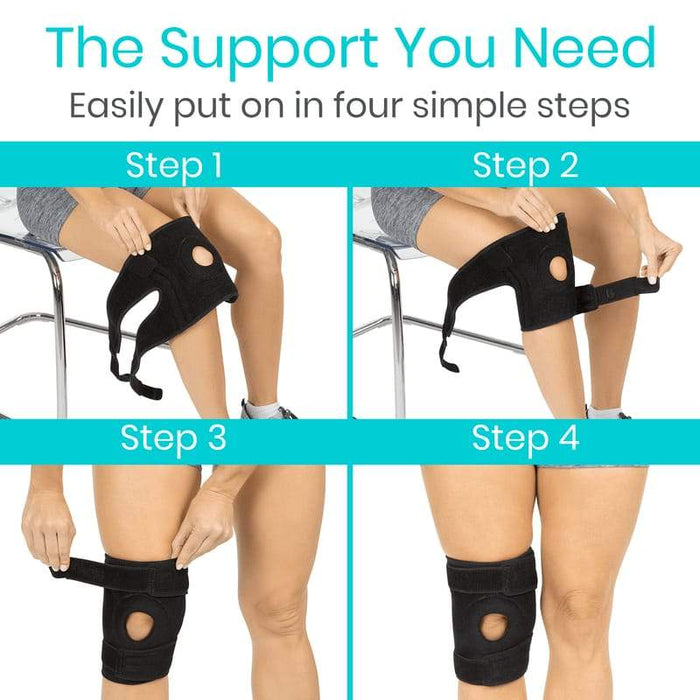
To properly put on knee pads, first ensure the correct size. Align them over your knees. Fasten straps securely but comfortably. Ensure no pinching or discomfort. Test movement to confirm they stay in place while active.
Where Are Knee Pads Supposed To Go?
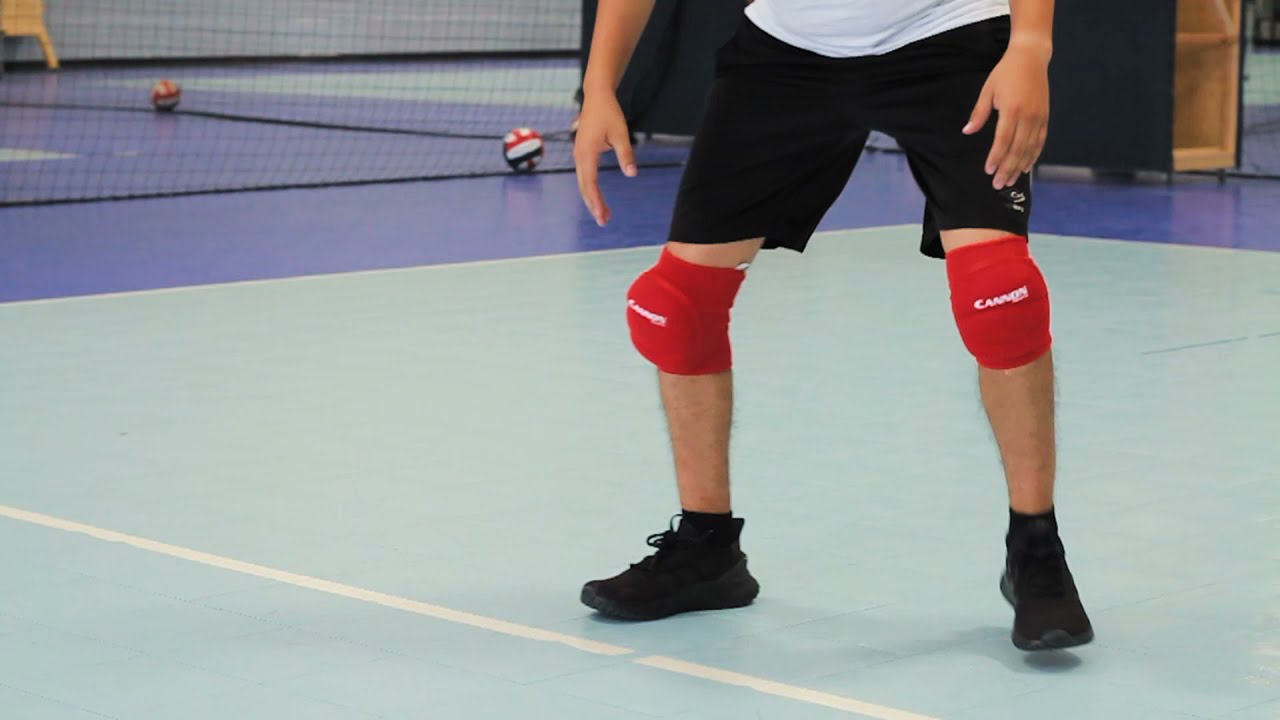
Knee pads should be placed directly over the kneecap. Ensure they fit snugly without restricting movement. Proper positioning protects against impact and provides support. Adjust straps for comfort and security during activities. Correct placement enhances safety and effectiveness.
How To Use Knee Pad Inserts?
Insert knee pads into designated pockets in work pants. Ensure the pads are securely positioned for comfort. Adjust as needed to cover the kneecaps. Check fit to avoid movement during use. Regularly inspect for wear and replace if necessary. Follow manufacturer’s instructions for specific knee pad models.
Do I Put Knee Pads Over Or Under Pants?
Wear knee pads over pants for easy adjustment and protection. For extra grip or comfort, wear them under.
Conclusion
Putting on knee pads is simple with the right steps. Start by choosing the correct size for comfort and protection. Slide the knee pad over your leg, ensuring a snug fit. Adjust the straps until it feels secure but not too tight.
Make sure the pad covers your knee completely. Check the fit by bending your knee a few times. This ensures flexibility and comfort. Properly worn knee pads protect against injury. Remember to clean them regularly to maintain their quality. With these tips, enjoy safer and more comfortable activities.
Stay safe and keep those knees protected!