Are you facing issues with your solenoid valve and wondering how to test it effectively? You’re not alone.
Solenoid valves are crucial components in many systems, from home appliances to industrial machinery, and when they malfunction, it can disrupt your entire setup. But don’t worry, there’s a straightforward way to diagnose the problem using a multimeter. Imagine being able to pinpoint the issue with precision, saving time and potentially expensive repair costs.
This article will guide you through the simple steps needed to test your solenoid valve using a multimeter, empowering you with the knowledge to tackle these technical challenges confidently. By the end of this read, you’ll have the skills to ensure your systems run smoothly, without the headache of unexpected failures. Ready to dive in and learn how to become your own troubleshooting expert? Let’s get started!
Basics Of Solenoid Valves
Understanding the basics of solenoid valves is essential for troubleshooting. A solenoid valve controls the flow of liquid or gas. It uses an electromagnetic coil to operate. These valves are vital in many systems. They help in fluid management. Simple yet effective, they ensure precise control.
Types Of Solenoid Valves
There are several types of solenoid valves. Direct-acting valves are the simplest. They open and close quickly. Pilot-operated valves are more complex. They use the line pressure for operation. Another type is the two-way valve. It has one inlet and one outlet. Three-way valves have three ports. Four-way valves have four ports. Each type has unique features. They cater to different applications.
Key Components
Solenoid valves have several key components. The coil is the heart of the valve. It generates a magnetic field. The plunger moves inside the coil. This movement opens or closes the valve. The valve body directs the flow. It is made of materials like brass or stainless steel. The spring returns the plunger to its original position. These components work together. They ensure efficient valve operation.
Credit: support.weathermatic.com
Tools Required For Testing
Testing a solenoid valve with a multimeter involves basic tools. Essential items include a multimeter, test leads, and safety gloves. These tools help measure resistance and ensure the valve functions correctly.
Testing a solenoid valve with a multimeter is a straightforward process, but like all tasks, having the right tools makes all the difference. Before you dive into the testing phase, gathering the necessary equipment is crucial. Not only does it ensure accuracy, but it also enhances safety and efficiency. Imagine the frustration of starting a task only to realize you’re missing a critical tool. Let’s dive into the essentials you’ll need for this testing adventure.Choosing The Right Multimeter
A multimeter is the star of the show when testing a solenoid valve. It’s essential to select one that suits your needs. Digital multimeters are generally preferred due to their precision and ease of reading. Look for a multimeter that can measure both AC and DC voltage, as well as resistance, which are crucial for this task. You don’t need the most expensive model, but ensure it has a clear display and a reliable build. Consider one that has a continuity test function to make your job easier.Additional Tools And Safety Gear
Aside from the multimeter, a few other tools will be handy. Have a set of screwdrivers ready to access the solenoid valve, as they are often enclosed. You may also need a wrench if the valve is tightly secured. Safety should never be an afterthought. Equip yourself with insulated gloves to protect against electrical shocks. A pair of safety goggles is advisable to shield your eyes from any unexpected debris or splashes, especially if you’re working in an industrial setting. Have you ever underestimated the importance of the right gear and paid the price? Many of us have been there. Making sure you have these tools on hand will save you time and potential frustration. Plus, it’s always better to be safe than sorry. What other tools or gear do you think would be helpful in this task? Feel free to share your thoughts!Preparation Steps
Testing a solenoid valve with a multimeter requires careful preparation. Proper steps ensure safety and accuracy. Before starting, gather necessary tools. A multimeter and basic tools are essential. Follow these steps for a smooth process.
Safety Precautions
Safety is a priority when testing electrical components. Always wear insulated gloves. This reduces the risk of electric shock. Ensure the workspace is dry. Wet areas can be hazardous. Keep a fire extinguisher nearby. Electricity can cause unexpected sparks.
Check your multimeter’s condition. Ensure it functions properly. A faulty multimeter can give incorrect readings. Double-check all connections. Loose wires can create dangerous situations. Keep distractions away. Focus fully on the task at hand.
Disconnecting The Valve
Disconnect the solenoid valve from the power source. This is crucial for safety. Make sure the power is completely off. Use a voltage tester to confirm no electricity flows. Unscrew the valve from its position. Handle it carefully to avoid damage.
Label the wires before disconnecting them. This helps during reassembly. Take photos if needed. This ensures wires return to their original positions. Store screws and small parts safely. Losing them can delay the process. Keep the work area organized.
Testing Coil Resistance
Testing coil resistance in a solenoid valve requires using a multimeter. Begin by disconnecting the valve from power. Set the multimeter to the ohms setting, then touch the probes to the valve terminals. A reading within the manufacturer’s range indicates proper function.
Testing coil resistance in a solenoid valve is crucial. It helps determine the valve’s functionality. A multimeter is the tool to use for this task. This guide will walk you through the process. The steps are simple and easy to follow.Setting Up The Multimeter
Begin by ensuring the multimeter is ready. Set the multimeter to measure resistance. Look for the ohm symbol on the dial. This is usually marked with the letter “Ω”. Connect the multimeter probes to the solenoid valve. The red probe goes to one end. The black probe connects to the other end. Ensure the probes are secure. This ensures accurate readings.Interpreting Resistance Readings
Observe the resistance reading on the multimeter. A typical solenoid valve should show a specific resistance range. Check the manufacturer’s specifications for this range. A reading outside this range indicates a problem. A very high reading might mean an open circuit. A very low reading could suggest a short circuit. Both conditions require further inspection. Understanding these readings is crucial. It ensures the solenoid valve is functioning properly.Checking Voltage Supply
Testing a solenoid valve with a multimeter ensures proper voltage supply. Start by setting the multimeter to measure volts. Next, connect the probes to the valve’s terminals. A correct voltage reading confirms functional supply, while a zero reading indicates a potential issue.
Checking the voltage supply of a solenoid valve is a crucial step in ensuring its proper functionality. Imagine a scenario where you’re troubleshooting a malfunctioning valve, only to discover that the issue lies in an inadequate voltage supply. Knowing how to test this can save you time and frustration. A multimeter is your best friend in this process, providing you with the necessary tools to measure and evaluate the voltage supply effectively.Measuring Voltage Levels
Start by setting your multimeter to measure voltage, typically indicated by a V symbol. Connect the probes to the power supply terminals of the solenoid valve. Make sure the connections are secure; loose connections can lead to inaccurate readings. Observe the voltage reading on the multimeter display. You might see a number that matches the specifications of the solenoid valve or one that’s way off. Compare this reading to the expected voltage range stated in the valve’s manual. If the voltage is within the acceptable range, you can move on to other potential causes for the valve issue. But what if the voltage is too low? This is where the real detective work begins.Troubleshooting Low Voltage
Low voltage can stem from several sources. First, check if your power supply source is functioning correctly. Sometimes, a faulty power source is to blame. Examine the wiring for any signs of wear and tear or damage that might be causing a voltage drop. Consider this: once, while fixing a valve, I found that the wiring had been chewed by rodents. It was an unexpected discovery, but it highlighted the importance of thorough inspections. If you suspect wiring issues, it may be worthwhile to replace the wires entirely. Ask yourself: Could external factors like temperature or moisture be affecting the electrical components? These elements can sometimes interfere with voltage levels. Addressing these environmental factors could be the key to solving your solenoid valve troubles. Engage with the process, and don’t shy away from asking questions or seeking help if needed. Testing a solenoid valve with a multimeter may seem daunting at first, but with patience and practice, you’ll master the technique. What’s the most surprising discovery you’ve made while troubleshooting your equipment?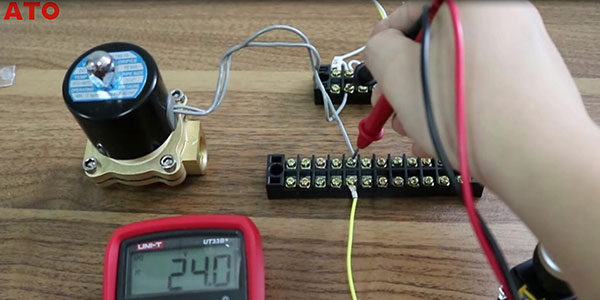
Credit: www.atosolenoidvalves.com
Inspecting For Coil Shorts
Testing a solenoid valve with a multimeter involves inspecting for coil shorts. Start by setting the multimeter to measure resistance. Place probes on the valve’s terminals; a reading outside normal range indicates a coil short. This simple test helps ensure the valve functions properly.
Inspecting the coil of a solenoid valve is crucial in diagnosing electrical issues. A common problem is coil shorts, which can cause the valve to malfunction. With a multimeter, you can easily identify and fix these shorts. It’s a straightforward process that doesn’t require professional training. Understanding how to perform this test can save you time and money.Identifying Short Circuits
To identify short circuits in the solenoid coil, you’ll need a multimeter set to the resistance (ohms) setting. Before you start, make sure the valve is disconnected from any power source. This ensures your safety and prevents further damage to the device. Touch the multimeter probes to the coil terminals. A healthy solenoid coil should show a resistance value specific to its design, often indicated in the manual. If the reading is zero or infinitely high, it indicates a short or an open circuit respectively. Have you ever wondered why certain devices suddenly stop working? This simple test can uncover hidden electrical faults.Steps To Rectify Shorts
Once you’ve identified a short, it’s time to address it. Start by examining the coil for visible signs of damage or wear. Look for burnt spots, frayed wires, or any irregularities. If the coil appears damaged, it might need replacement. If the coil looks fine, ensure that the connections are secure and free from corrosion. Loose or corroded connections can mimic the symptoms of a short circuit. Testing the solenoid valve regularly can help maintain its performance and extend its lifespan. By identifying and rectifying shorts, you ensure the system functions smoothly. Are you ready to become the troubleshooting expert in your home or workplace?Evaluating Valve Functionality
Testing solenoid valves with a multimeter ensures proper functionality. Start by disconnecting the valve from power. Measure resistance across the coil terminals. A low reading indicates a working coil, while a high or infinite reading suggests a fault.
Evaluating the functionality of a solenoid valve is crucial to ensuring that it operates smoothly and efficiently. Whether you’re troubleshooting an issue or performing routine maintenance, knowing how to test a solenoid valve with a multimeter can save you time and money. A well-functioning valve is essential for the optimal performance of your systems, so let’s dive into some practical steps and insights to evaluate your valve’s functionality effectively.Performing An Operational Test
Before starting any tests, ensure the power supply is off. Safety first! Once you’ve confirmed this, disconnect the valve from the system. Use your multimeter to check the resistance across the solenoid coil. Set your multimeter to the ohms setting and connect the probes to the terminals. A typical reading for a functional solenoid coil might range between 20 to 60 ohms, but always refer to your valve’s manual for specific values. If the multimeter shows a reading of zero or infinite resistance, the coil may be damaged. This is a clear indication that replacement might be necessary. Have you ever turned on a faucet expecting a steady flow, only to be met with a trickle? A similar frustration can occur with solenoid valves if they’re not functioning properly. Don’t let a malfunctioning valve disrupt your operations.Signs Of Mechanical Failure
Mechanical failures in solenoid valves can manifest in various ways. Listen for unusual noises when the valve is operating. A buzzing or humming sound might indicate a mechanical issue. Check for external damages. Look for cracks or signs of wear on the valve body, which can affect its performance. Also, inspect the valve for leaks. A leaking valve can lead to inefficiencies and potential damage to your system. Tighten or replace parts as necessary to fix any leaks. What are the consequences if you overlook these signs? Well, minor issues could escalate into significant problems, leading to costly repairs or replacements. Regular checks can prevent unexpected breakdowns. By understanding and evaluating these aspects of your solenoid valve, you ensure that your equipment runs efficiently and effectively. Are you ready to test your solenoid valve with confidence?Maintenance Tips
Maintaining a solenoid valve ensures its longevity and efficiency. Regular care prevents unexpected failures. Using a multimeter can diagnose issues early. This saves time and money. Here are some maintenance tips to keep your solenoid valve in top condition.
Regular Cleaning Procedures
Dust and debris can block solenoid valves. Clean them regularly for optimal performance. Use a soft brush or cloth. Avoid harsh chemicals. Clean the valve body and connections. Check for any rust or corrosion. This prevents blockages and ensures smooth operation.
Prolonging Valve Lifespan
Handle valves with care. Avoid dropping or mishandling them. Inspect seals and gaskets for wear. Replace them if needed. Ensure electrical connections are secure. Test valves with a multimeter periodically. This identifies any electrical faults early. Store valves in a dry place. This prevents moisture damage.

Credit: www.youtube.com
Frequently Asked Questions
How To Test If A Solenoid Is Bad With A Multimeter?
Set your multimeter to the ohms setting. Measure resistance between the solenoid terminals. A good solenoid typically shows low resistance, around 10-20 ohms. If the reading is zero or infinite, the solenoid may be faulty. Ensure the multimeter is properly connected for accurate results.
How Many Ohms Should A Good Solenoid Have?
A good solenoid typically has a resistance between 10 to 20 ohms. This range can vary based on design and purpose. Always refer to manufacturer specifications for the most accurate information on your specific solenoid model.
How To Tell If A Solenoid Valve Is Bad Without?
Check for unusual noises, leaks, or inconsistent operation. Inspect for corrosion or physical damage. Ensure it receives power.
Will A Bad Solenoid Have Continuity?
A bad solenoid may not show continuity. Continuity tests can reveal open circuits indicating a faulty solenoid. Ensure proper testing to confirm its condition. Regular checks can prevent electrical issues and maintain system efficiency.
Conclusion
Testing a solenoid valve with a multimeter is straightforward. Follow the steps carefully. Check resistance, continuity, and voltage. Ensure proper connections. A well-functioning solenoid valve is crucial. It ensures smooth operations. Regular testing prevents issues. Multimeters are valuable tools for this task.
They help diagnose problems early. This saves time and money. Understanding multimeter readings is key. Practice makes perfect in testing solenoid valves. Stay safe while testing. Wear protective gear if necessary. Proper testing extends valve lifespan. It maintains efficiency in systems.
Keep learning and practicing. Your skills will improve over time.