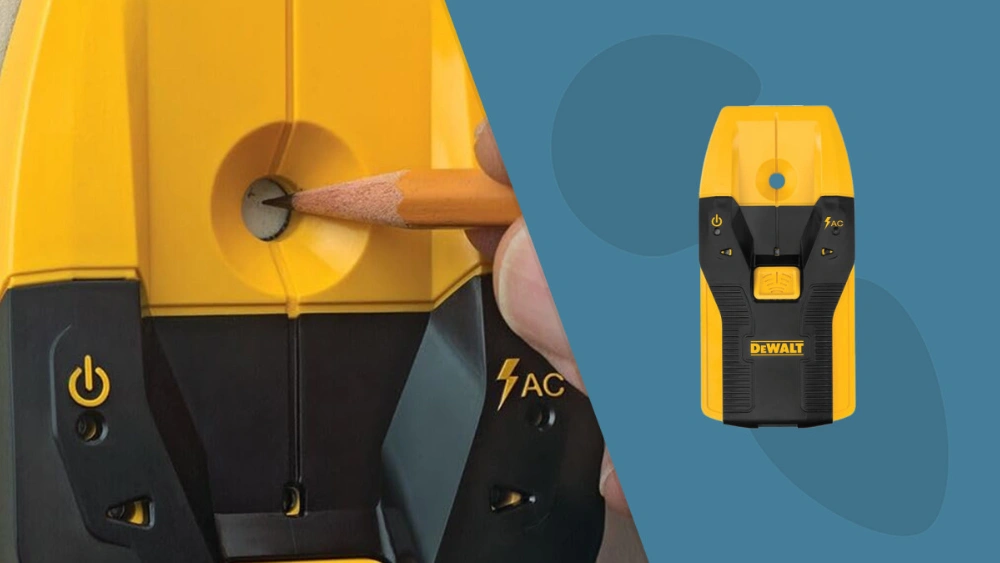
Imagine you’re about to hang a picture frame, mount a TV, or install shelves. You grab your trusty stud finder, hoping it will guide you to the right spot.
But how confident are you in its accuracy? Are you sure it’s pinpointing the exact location of the studs behind your walls? These are questions many homeowners and DIY enthusiasts grapple with. You want assurance that your project will be safe and secure, without the frustration of misplaced nails or unsightly holes.
We’ll dive into the truth about stud finders. By the end, you’ll know whether your stud finder is a reliable tool or if it’s time to seek alternatives. Let’s uncover the secrets behind these devices and ensure you’re making the best choice for your home projects.

Credit: www.techgearlab.com
Types Of Stud Finders
Stud finders come in different types, each with unique features. Choosing the right one can make home projects easier and more efficient. Understanding the types helps in picking the perfect tool for your needs.
Magnetic Stud Finders
Magnetic stud finders are simple and cost-effective tools. They detect the metal nails or screws in studs. These finders are lightweight and easy to use. They do not require batteries, making them convenient for quick tasks. Best for finding studs in homes with drywall construction. They might miss studs with fewer or no metal fasteners.
Electronic Stud Finders
Electronic stud finders are more advanced than magnetic ones. They use sensors to detect changes in density behind walls. This helps locate wood or metal studs accurately. These finders often come with LED or LCD displays. They indicate the position of studs clearly. Some models can detect live wires too, adding safety to your projects.
Advanced Stud Finders
Advanced stud finders offer high-tech solutions for tough detection tasks. They use radar or imaging technology to find studs. These finders can see through thick walls or multiple layers. They offer precise readings, ideal for professionals. Often pricier, but worth it for complex projects. Features can include Bluetooth connectivity or smartphone apps for enhanced usability.

Credit: walabot.com
How Stud Finders Work
Stud finders are nifty tools that can save you from drilling into walls blindly, searching for the elusive studs. But have you ever wondered how they actually work? Understanding their mechanism can make you a more informed user. Stud finders typically rely on two main technologies: magnetic detection and electronic sensor technology. Let’s break these down to see how they help you locate those hidden wall supports.
Magnetic Detection
Magnetic stud finders are the simplest type. They utilize a magnet to detect metal components in your wall. If you’ve ever used one, you might have noticed that it tends to latch onto nails or screws. These are often found in the wood or metal studs, which hold your wall together.
Imagine moving a magnet across your wall and feeling it pull toward a particular spot. It’s like a treasure hunt, only your prize is knowing where not to drill! If you’re dealing with older homes, magnetic stud finders can be especially useful as metal components are more common in older construction.
Electronic Sensor Technology
Electronic sensor stud finders are a bit more sophisticated. They measure changes in density as you move them across the wall. Think of it like a radar that detects variations in wall thickness.
These devices can often sense through walls made from drywall, plaster, or even paneling. They beep or light up when they find a stud. Some advanced models can even differentiate between wood and metal studs, giving you more precision.
Imagine using one of these electronic devices and feeling a sense of accomplishment as it confirms a stud’s location. You’re not just guessing; you’re using technology to make informed decisions. It’s like having a smart sidekick that guides you through your home improvement tasks.
So, how accurate are stud finders? It depends on the type you use and your wall’s materials. Magnetic finders might struggle with non-metallic components, while electronic ones can provide more nuanced readings. Next time you pick one up, consider what kind of wall you’re dealing with and choose the right tool for the job.
Have you ever had an unexpected result with a stud finder? Share your stories and tips for getting the best results. Your experiences can be a guiding light for others navigating the world of DIY projects!
Factors Affecting Accuracy
Stud finders are handy tools for locating studs behind walls. Yet, their accuracy can vary. Several factors influence how well they perform. Understanding these factors helps in choosing the right tool.
Wall Material
The type of wall material impacts stud finder accuracy. Drywall is common in many homes. Most stud finders work well with it. Plaster walls can pose challenges. Older homes often have plaster. It is denser and can confuse some devices. Knowing your wall type is crucial. It guides the choice of stud finder.
Calibration Needs
Many stud finders require calibration. This step is essential for accurate readings. Failing to calibrate can lead to errors. Some models auto-calibrate. Others need manual adjustments. Always follow the manufacturer’s instructions. Proper calibration ensures the device works as intended.
Interference From Metal Objects
Metal objects can interfere with stud finders. Nails, screws, and pipes often lurk behind walls. They can give false readings. Some stud finders detect metal. This feature helps avoid mistakes. Knowing what lies beneath the surface is vital. It prevents drilling into unwanted areas.
Testing Stud Finder Accuracy
Stud finders help locate hidden wall studs, but their accuracy varies. Some models detect studs precisely, while others struggle with thicker materials or uneven surfaces. Testing various stud finders can reveal which ones offer reliable results for your projects.
Testing the accuracy of a stud finder might seem like a straightforward task, but it’s not always as easy as it sounds. Are these devices as reliable as they claim? To answer this, we need to explore both controlled environments and real-world usage.Controlled Experiments
In a controlled setting, you can test stud finders on a wall with known parameters. You might mark the locations of studs before using the device. This allows you to compare the stud finder’s results with the actual stud locations. This method offers a clear picture of the stud finder’s reliability. It’s like testing a flashlight in a dark room; you know what to expect and can easily spot discrepancies. You could use various types of walls for testing. Drywall, plaster, and even textured walls can affect performance differently. Why not try testing the same stud finder on different surfaces? You might be surprised at the variations in accuracy.Real-world Usage
But how does a stud finder perform outside of a controlled environment? In your home, walls aren’t perfect. They may have pipes, wires, or even uneven textures. These factors can confuse a stud finder, leading to inconsistent results. Imagine hanging a heavy frame and the stud finder gives a false reading. It’s not just frustrating; it could be costly if the frame falls. Therefore, it’s crucial to understand your tool’s limitations. To improve accuracy, you can double-check with a tap test or use a small drill bit to confirm the stud’s presence. Have you ever tried using two different stud finders? You might get varying results. This could prompt you to question which one is correct. Adapting your technique based on the stud finder’s feedback can be a game changer. So, next time you reach for your stud finder, consider both its strengths and weaknesses. You might just find that a little bit of skepticism leads to more reliable results. Have you ever tested your stud finder in a new way? Share your insights and help others make informed decisions.Comparing Brands And Models
Choosing the right stud finder can be a maze. With countless brands and models, how do you find the one that meets your needs? It’s not just about price—it’s about precision, features, and reliability. Let’s dive into the options.
High-end Options
High-end stud finders boast advanced technology. They often use multiple sensors to detect wood, metal, and live wires. Brands like Franklin Sensors are renowned for accuracy. Imagine you’re hanging a heavy mirror. You need confidence in your tool. These models offer that peace of mind.
Some high-end models include LCD screens. They guide you with real-time feedback. This can be a game-changer. You no longer guess where the stud starts and ends. The precision is reassuring, especially in older homes with unpredictable layouts.
Budget-friendly Alternatives
Not every project needs a high-end stud finder. For simpler tasks, budget options can work wonders. Zircon is a popular choice here. They offer basic models at a fraction of the cost. Perfect for hanging picture frames or lightweight shelves.
Budget finders often rely on simpler technology. They might not detect live wires, but they get the job done. You might find them slightly less accurate, but they’re great for occasional use. Consider how often you tackle DIY projects. Sometimes, less is more.
What do you value more—feature-rich tools or affordability? How often do you need pinpoint accuracy? These questions guide your choice. Think about your specific needs before buying. It’s all about balancing cost with performance.
Tips For Improved Accuracy
Stud finders often miss the mark. To improve accuracy, ensure the device is calibrated correctly. Move slowly across the wall to detect changes. For reliable results, use models with advanced sensors.
When you’re working on a DIY project or hanging a heavy mirror, the last thing you want is to miss the stud and end up with a damaged wall. Stud finders can be a game-changer, but how accurate are they really? While no tool is foolproof, there are ways to improve their accuracy. Let’s dive into some practical tips that will help you make the most out of your stud finder.Proper Calibration
Before you start, make sure your stud finder is properly calibrated. This simple step is crucial for accurate readings. To do this, place the stud finder on a wall where you know there is no stud, then press the calibration button. Wait for the device to signal that calibration is complete. A well-calibrated tool will help you avoid false positives and negatives. Have you ever wondered why your stud finder gives inconsistent readings? Calibration might just be the answer.Using Multiple Detection Modes
Many modern stud finders come with multiple detection modes. These can include settings for wood, metal, and even live wires. Switching between these modes can help you pinpoint the exact location of studs and avoid potential hazards. If you’re unsure which mode to use, consult the manual or do a quick test on a known wall section. You might find that using the right mode saves you time and frustration.Understanding Wall Composition
Knowing what’s behind your walls can significantly enhance the accuracy of your stud finder. Are your walls drywall, plaster, or something else? Each material can affect how the stud finder performs. For example, plaster walls may require a different approach than drywall. Understanding your wall composition allows you to adjust your technique accordingly. Have you ever been surprised by what you found behind your wall? Sometimes, the unexpected can teach you the most. By following these tips, you’ll increase the accuracy of your stud finder and reduce the chances of mishaps during your projects. Happy DIY-ing!User Reviews And Experiences
Stud finders are popular tools for locating wall studs. Users often share their experiences online. Their feedback helps others decide on a purchase. Reading user reviews reveals the strengths and weaknesses of these devices. Experiences vary, but common themes emerge. Some users praise the accuracy, while others face challenges. Let’s explore some common complaints and satisfaction levels.
Common Complaints
Many users report issues with stud finders. One frequent complaint is false readings. The device might indicate a stud where there isn’t one. This can lead to unnecessary drilling or damage. Another common issue is sensitivity. Some stud finders struggle to detect studs through thick walls. These problems can frustrate users.
Battery life is another concern. Users often find their devices dying too quickly. This can interrupt projects and cause delays. Inconsistent performance is also mentioned. Some finders work well on one wall but fail on another. These issues suggest that not all stud finders perform equally.
Satisfaction Levels
Despite complaints, many users report satisfaction. Some stud finders perform accurately and reliably. Users often appreciate easy-to-use designs. Simple interfaces make tasks straightforward. Clear instructions add to user satisfaction.
Successful stud finders often receive praise for accuracy. Users value precise readings that prevent mistakes. Consistent performance across different wall types is a plus. Many users feel confident using their devices. This confidence leads to higher satisfaction levels.
Overall, user feedback is mixed. Experiences depend on the specific model and brand. Reading reviews and comparing features can guide a smart purchase.

Credit: www.popularmechanics.com
Future Of Stud Finder Technology
Stud finders have evolved over the years, offering better accuracy and ease of use. The future of stud finder technology promises even more precision and reliability. As technology advances, new features and improvements are on the horizon. These innovations aim to enhance user experience and deliver more reliable results.
Innovations On The Horizon
Future stud finders may integrate smart technology. This could include connectivity with mobile apps for data analysis. Augmented reality might be used to visually map out hidden structures. Enhanced sensors could detect different materials with greater accuracy. These advancements will provide users with detailed information on wall contents.
Potential Improvements
Current stud finders sometimes struggle with accuracy. Future models might address this by improving sensor precision. Better algorithms can help differentiate between studs and other materials. Battery life could see improvements, allowing longer usage periods. User interfaces might become more intuitive, simplifying operation for everyone.
Frequently Asked Questions
Can A Stud Finder Be Wrong?
Yes, a stud finder can be wrong. Various factors like low battery, incorrect calibration, or wall material can affect accuracy. Ensure proper usage and check for any obstructions in the wall for better results.
Are Studs Always 16 Inches On Center?
Studs are typically spaced 16 inches on center for standard construction. Sometimes, they may be 24 inches apart, depending on structural requirements. Always check local building codes and guidelines to ensure proper spacing for your specific project. This ensures stability and compliance with construction standards.
Which Is The Most Accurate Stud Finder?
The Franklin Sensors ProSensor 710 is highly accurate. It uses multiple sensors for precise stud detection. Its wide scanning area ensures efficient and reliable performance. Many users and experts recommend it for its accuracy and ease of use.
How Deep Can A Stud Finder Detect?
Stud finders typically detect up to 1. 5 inches deep in walls. Advanced models may reach depths of 3 inches.
Conclusion
Stud finders offer decent accuracy for locating studs in walls. They work best on standard drywall and wood studs. For complex materials or deeper scans, accuracy might drop. Always double-check with a manual check or drill test. Consider the type and quality of the stud finder before buying.
Basic models suffice for simple tasks. Advanced versions help with more detailed projects. User reviews and product specifications guide better choices. Understanding these tools helps in making informed decisions. Reliable results ensure safe and effective home improvement projects.