Are you ready to take your woodworking skills to the next level? Cutting a perfect 45-degree angle with a table saw can seem challenging at first, but it’s a skill that can transform your projects from amateur to professional.
Imagine the satisfaction of creating flawless miter joints or crafting sleek frames with precision and ease. In this guide, you’ll discover the secrets to mastering this essential technique. Whether you’re building furniture or working on a DIY project, understanding how to make accurate cuts will save you time, materials, and frustration.
Let’s dive into the simple steps and expert tips that will help you achieve those clean, crisp angles every time. You won’t believe how quickly your confidence and craftsmanship will soar!
Choosing The Right Blade
Selecting the right blade ensures precise 45-degree cuts with a table saw. A sharp, fine-toothed blade reduces splintering. Adjust the saw’s angle accurately for clean, professional results.
Choosing the right blade for your table saw is crucial when cutting a precise 45-degree angle. The right blade not only ensures a clean cut but also enhances safety and efficiency. Let’s dive into the key factors to consider when picking the perfect blade for your project.1. Blade Material
The material of your blade can significantly affect the quality of the cut. Carbide-tipped blades are popular for their durability and sharpness, making them ideal for frequent use. High-speed steel (HSS) blades might be less expensive, but they wear out faster, especially on harder woods. What kind of projects do you mostly work on? Choose a blade that matches the material you’re cutting most often.2. Tooth Count
The number of teeth on a blade plays a vital role in the finish of your cut. A higher tooth count provides a smoother cut, which is perfect for fine woodworking. On the other hand, a lower tooth count is better for quick, rough cuts. Consider the finish you desire before making your choice.3. Blade Diameter
The diameter of your blade must match your table saw’s specifications. Common sizes are 10-inch and 12-inch blades. A mismatched blade can lead to inefficiency and potential safety hazards. Always double-check your table saw’s manual for the correct size.4. Blade Kerf
Kerf refers to the width of the cut a blade makes. A thin kerf blade removes less material, reducing waste and requiring less power from the saw. This can be advantageous for smaller, portable saws. Full kerf blades are more robust and suitable for powerful table saws. What is your saw’s capacity? Ensure the kerf matches your tool’s capability.5. Specialty Blades
Sometimes, a specialty blade might be necessary for specific cuts. Dado blades are used for creating grooves, while combination blades can handle both ripping and crosscutting. If you frequently switch between different types of cuts, investing in a combination blade might save you time and hassle. What unique cuts do you often need? A specialty blade could be your solution.6. Personal Experience Insights
I’ve been caught in the trap of choosing a blade based solely on price. This mistake once resulted in a rough, splintered cut that ruined a piece of precious hardwood. The lesson? Invest in a quality blade suited to your project needs. Have you ever compromised on quality for cost? It might be time to reconsider. Choosing the right blade is not just a technical decision but a strategic one that can influence the success of your project. What factors do you prioritize when selecting a blade? Remember, a well-chosen blade is an investment in your craftsmanship.Adjusting The Saw For 45 Degrees
Adjusting a table saw for a 45-degree cut is essential for precision woodworking. Achieving this angle requires careful preparation and understanding of your saw’s features. The following steps will guide you through adjusting the saw, ensuring accurate and clean cuts.
Checking The Saw Blade Angle
First, check the current angle of your saw blade. Ensure it’s properly aligned with the table. Use a reliable angle gauge to measure the blade’s position. Adjustments may be needed to reach the exact 45 degrees.
Setting The Bevel Gauge
Next, locate the bevel gauge on your table saw. This is typically found near the blade’s adjustment area. Turn the gauge to set the saw blade at a precise 45-degree angle. Double-check the gauge to confirm the angle.
Locking The Angle In Place
Once the bevel gauge is set, lock the angle in place. Use the locking mechanism provided with your saw. This prevents accidental changes during the cutting process. Ensuring the blade stays steady is crucial.
Testing The Angle With A Scrap Piece
Before cutting your main material, test the angle with a scrap piece. Make a few trial cuts to verify the 45-degree setting. Adjust if necessary, ensuring the angle meets your requirements. Testing ensures accuracy and avoids mistakes.
Adjusting The Fence For Support
Adjust the fence to support your material. Align it parallel to the blade at the 45-degree angle. This provides stability during the cut. Proper fence positioning prevents the material from shifting and enhances safety.
Final Inspection Before Cutting
Conduct a final inspection before starting your project. Check all adjustments, ensuring the blade, gauge, and fence are correctly set. Confirm that everything is tight and secure. This final check guarantees a smooth cutting experience.
Setting Up A Miter Gauge
Setting up a miter gauge correctly is crucial for precise 45-degree cuts on a table saw. Adjust the miter gauge to 45 degrees, ensuring it is securely aligned with the saw blade. Always double-check the angle for accuracy before cutting to achieve clean, accurate results.
Setting up a miter gauge on your table saw ensures precise 45-degree cuts. This tool helps guide your wood accurately, preventing mistakes during cutting. Follow these steps to get the best results from your miter gauge setup.Understanding The Miter Gauge
The miter gauge is a metal guide. It slides into the slot on your table saw. It controls the angle of your wood as you cut. For a 45-degree cut, the miter gauge needs proper adjustment. This alignment is key for clean, accurate results.Aligning The Miter Gauge
First, check the miter gauge’s angle markings. Set it to 45 degrees using the gauge’s scale. Ensure the pointer aligns perfectly with the mark. This step is crucial for achieving the desired angle.Securing The Miter Gauge
Once aligned, tighten the gauge’s knob. This prevents it from moving during cuts. A loose gauge can cause inaccurate angles. Double-check its tightness before proceeding.Testing The Setup
Cut a small piece of scrap wood. Check the angle with a protractor. If it’s not 45 degrees, adjust the gauge slightly. Repeat until the angle is perfect. Always use scrap wood for tests. It’s safer and avoids wasting good materials.Maintaining Consistency
Consistency is crucial for multiple cuts. After each cut, recheck the gauge’s alignment. Make adjustments if needed. This ensures each piece maintains the desired angle.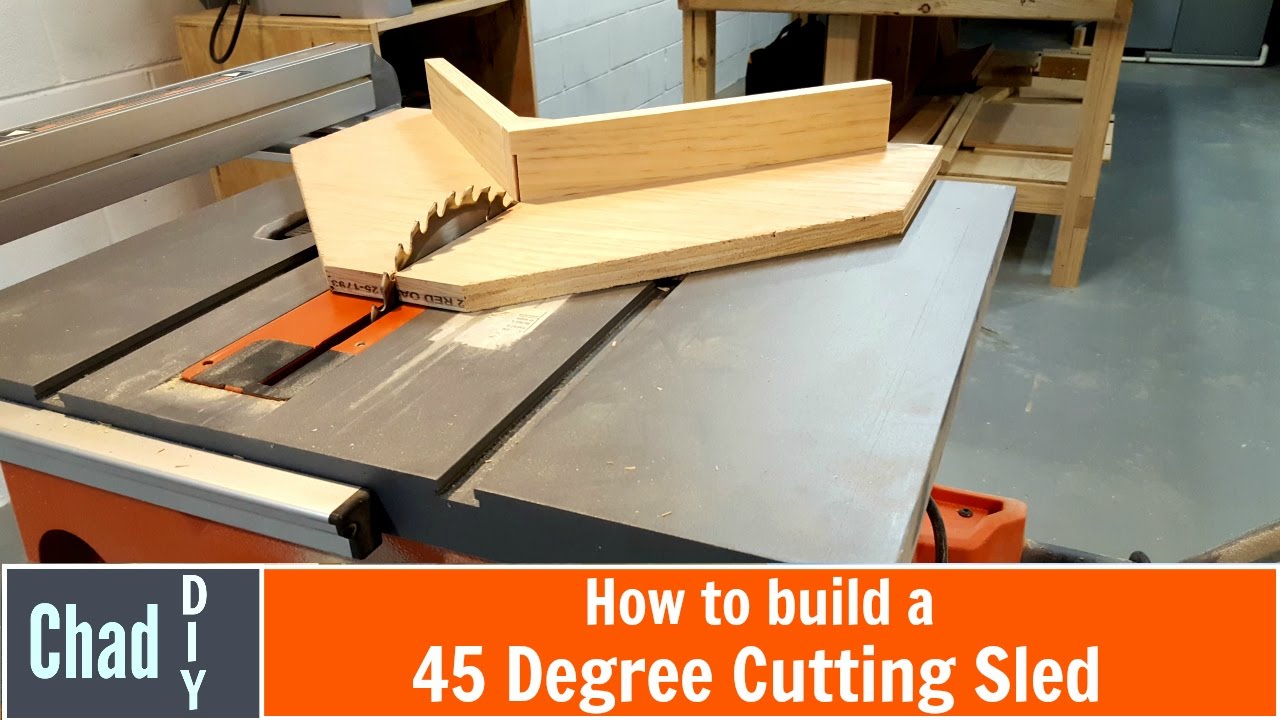
Credit: www.youtube.com
Using A Crosscut Sled
Cutting 45-degree angles with a table saw becomes precise using a crosscut sled. This tool stabilizes the workpiece, reducing errors. Simple adjustments ensure accurate cuts, enhancing woodworking projects.
Cutting a perfect 45-degree angle with a table saw can be a challenging task, but using a crosscut sled simplifies the process significantly. A crosscut sled provides stability and precision, enabling you to make accurate cuts effortlessly. Imagine the satisfaction of seeing your pieces fit together perfectly, just like you envisioned. If you’re looking to improve your woodworking skills, mastering the use of a crosscut sled is a must.What Is A Crosscut Sled?
A crosscut sled is a handy accessory that enhances the accuracy of your table saw. It slides across the saw table, ensuring your wood pieces remain stable while cutting. By eliminating the wiggle room, it provides cleaner, more precise cuts. Think of it as an extension of your table saw, designed to make your job easier and safer. Once you try it, you’ll wonder why you didn’t use it sooner.How To Set Up Your Crosscut Sled
Setting up your crosscut sled is straightforward. Begin by positioning it on your table saw. Make sure it’s aligned properly with the blade. You want a snug fit in the miter slots, ensuring the sled doesn’t wobble. Test it a few times to ensure smooth movement without resistance.Making A 45-degree Cut
Start by marking your wood piece with a clear 45-degree line. Position the wood on the sled, aligning the mark with the blade. Secure it with clamps if needed to prevent shifting. Push the sled steadily through the saw, keeping your focus on the alignment.Safety Tips When Using A Crosscut Sled
Safety is paramount when using power tools. Always wear protective eyewear and gloves. Keep your fingers away from the blade. Ensure your sled is stable and doesn’t have any loose parts. Do a quick check before each cut to avoid any mishaps.Benefits Of Using A Crosscut Sled
You’ll notice immediate improvements in your cutting precision. Projects will come together with less sanding and adjustments. Imagine the time saved and the professional finish you achieve. Your woodworking skills will advance, making complex projects feasible. Avoid rushing through the setup process. A misaligned sled can ruin your cuts. Double-check your measurements and sled alignment every time. Don’t underestimate the importance of securing your wood. Loose pieces can lead to inaccuracies and potential hazards.Why You Should Consider Making Your Own Crosscut Sled
Building your own sled offers customization tailored to your projects. You can adjust its size and features based on your specific needs. Creating your sled also enhances your woodworking skills. Plus, it’s a rewarding project that pays off in precision and efficiency. By embracing the use of a crosscut sled, you will elevate your woodworking projects to new heights. Are you ready to experience the difference it can make?Ensuring Accurate Measurements
Achieving accurate 45-degree cuts with a table saw requires precise setup and technique. Adjust the saw blade to 45 degrees, ensuring it aligns perfectly. Use a miter gauge or jig to guide the wood steadily, avoiding mistakes.
When cutting a 45-degree angle with a table saw, ensuring accurate measurements is essential for a perfect finish. The satisfaction of joining two pieces seamlessly can be exhilarating, but it requires precision. Even a slight error can disrupt the alignment, leaving you with a mismatch.Use A Reliable Measuring Tool
Invest in a quality measuring tool like a combination square. It helps you set an accurate 45-degree angle. Tools like these can become your best friend in the workshop, ensuring that each cut is precise.Mark Your Material Carefully
Clearly mark the wood where you plan to cut. Use a pencil and a ruler to draw the lines. Double-check these marks before making any cuts to avoid costly mistakes.Adjust The Table Saw Blade
Ensure your table saw blade is set at exactly 45 degrees. Most table saws have an adjustable gauge to help you with this. Take a moment to verify the angle with your combination square.Secure The Material Properly
Clamp the wood firmly to the table saw. This prevents any movement during the cut. A stable piece of wood guarantees a straight and precise cut.Make A Test Cut
Consider making a test cut on a scrap piece of wood. It allows you to check the accuracy of your setup. Better to adjust now than risk ruining your final piece.Check The Cut With A Square
Once you’ve made the cut, check it with your square to ensure it’s precisely 45 degrees. This step confirms that your saw and technique are on point. If it’s not perfect, adjust and try again. Accuracy is not just about technical precision; it’s about the satisfaction of seeing your pieces fit perfectly. Do you feel the thrill of getting it just right? Share your experiences and tips in the comments below!Testing The Angle
Achieving a precise 45-degree cut with a table saw involves testing the angle carefully. Adjust the saw blade to the desired angle, ensuring accuracy for smooth edges. Use a reliable angle gauge to verify the blade’s position, enhancing your woodworking craftsmanship with precision cuts.
Testing the angle is a crucial step in ensuring your 45-degree cut is precise and smooth. This part of the process often gets overlooked, but it can save you from wasted materials and time. By taking a few extra minutes to verify your setup, you can achieve professional results with your table saw.Aligning The Saw Blade
Before you start cutting, ensure the saw blade is aligned perfectly with the table. Misalignment can lead to inaccurate cuts and safety hazards. Use a combination square to check the blade’s angle against the table surface.Using A Test Piece
Cutting a test piece is a simple yet effective way to confirm your 45-degree angle. Use a scrap piece of wood to make a test cut. This allows you to adjust the saw without wasting valuable material.Checking With A Carpenter’s Square
After making a test cut, use a carpenter’s square to verify the angle. Place the square along the cut edge to see if it aligns perfectly. If there’s a gap, adjust your saw accordingly.Adjusting For Perfection
If your test cut isn’t perfect, don’t worry. Small adjustments can make a big difference. Use the adjustment knobs on your table saw to fine-tune the angle until the test piece meets your expectations.Relying On Your Senses
Sometimes, your senses can be your best guide. Listen to the sound of the saw and feel the wood as you cut. A smooth, even sound and feel often indicate a good cut. Have you ever noticed how a small tweak can lead to a big improvement? Your observations and adjustments can transform your woodworking skills. Testing the angle might seem like an extra step, but it’s a step towards mastery and precision.Safety Precautions
Using a table saw requires careful attention to safety precautions. Cutting at a 45-degree angle can be risky without proper measures. Following safety guidelines ensures a smooth and hazard-free experience. Prioritize safety to protect yourself and your workspace.
Proper Protective Gear
Wearing appropriate protective gear is essential. Always wear safety glasses to shield your eyes from flying debris. Use ear protection to prevent hearing damage from loud saw noises. Wear a dust mask to avoid inhaling sawdust particles. Proper footwear with non-slip soles helps maintain stability.
Positioning Hands And Body
Correct hand and body positioning is crucial. Keep your hands a safe distance from the blade at all times. Use push sticks or blocks to guide the wood through the saw. Stand to the side of the blade, not directly behind it. This reduces the risk of kickback injuries.
Maintain a balanced stance with your feet shoulder-width apart. This ensures better control and balance while cutting. Avoid loose clothing, jewelry, or anything that could catch in the saw. Stay focused and never rush the cutting process.

Credit: www.youtube.com
Common Mistakes To Avoid
Cutting a 45-degree angle with a table saw can be tricky. Many people make common mistakes that lead to poor cuts or damaged materials. Knowing these mistakes helps you achieve precise angles and smooth finishes.
Misaligning The Saw Blade
Ensure the blade is correctly aligned. Misalignment causes uneven cuts. Use a square to check the angle before cutting.
Ignoring Safety Measures
Always wear safety gear. Gloves and goggles protect from flying debris. Never skip these essential precautions.
Incorrect Measurements
Double-check your measurements. Errors result in wasted material. Use a tape measure for accuracy.
Using Dull Blades
Sharp blades are crucial for clean cuts. Dull blades make rough edges. Replace or sharpen the blade regularly.
Improper Material Support
Secure the material before cutting. Use clamps if necessary. Unsupported materials shift and cause inaccurate cuts.
Rushing The Process
Take your time while cutting. Rushing leads to mistakes. Slow, steady movements ensure precision.
Neglecting Maintenance
Keep your table saw in good condition. Clean and lubricate regularly. A well-maintained saw performs better.
Maintaining Your Table Saw
Keeping your table saw in top shape is crucial. It ensures safety and precision. Regular maintenance prevents unexpected breakdowns. It extends the life of your tool. A well-maintained saw makes clean cuts. It enhances your woodworking experience. Let’s explore how to care for your table saw effectively.
Cleaning The Table Saw Surface
Start by cleaning the table surface. Dust and debris accumulate quickly. Use a soft brush to clear them away. A clean surface improves accuracy. It prevents wood from snagging during cuts.
Checking The Blade
Inspect the blade regularly. Look for dullness or damage. A sharp blade ensures smooth cuts. Replace it if worn out. Check alignment too. A misaligned blade affects precision.
Lubricating Moving Parts
Lubricate moving parts often. It reduces friction and wear. Use a light machine oil for best results. It keeps the mechanism running smoothly. Avoid over-lubrication to prevent build-up.
Inspecting Electrical Components
Examine electrical components regularly. Look for frayed wires or loose connections. Secure any loose parts. Ensure the power cord is undamaged. Proper inspection prevents electrical hazards.
Tightening Bolts And Screws
Check bolts and screws frequently. Vibrations can loosen them over time. Tighten them as needed. Secure fittings ensure stable operation. It improves the overall safety of the saw.
Testing Safety Features
Test safety features regularly. Ensure the blade guard moves freely. Check the emergency stop button. These features prevent accidents. Reliable safety measures protect you during use.

Credit: woodworking.stackexchange.com
Frequently Asked Questions
Can A Table Saw Make 45 Degree Cuts?
Yes, a table saw can make 45-degree cuts. Adjust the blade or miter gauge to the desired angle. Ensure the settings are accurate and secure for precise cuts. Always prioritize safety by using proper protective gear and following the manufacturer’s instructions.
How To Easily Cut A 45 Degree Angle?
To cut a 45-degree angle, use a miter saw or a miter box with a hand saw. Mark the wood, align it with the 45-degree guide, and make the cut. Ensure steady pressure for a clean finish.
How To Measure For A 45 Degree Bevel Cut?
Use a protractor to mark a 45-degree angle on the material. Align the saw blade with this mark. Ensure precision by checking the angle with a square tool before cutting. Always double-check measurements for accuracy.
What Saw Is Best For Cutting 45 Degree Angles?
A miter saw is best for cutting 45-degree angles. It provides precision and ease for angled cuts. Use it for accurate crosscuts in wood, plastic, or metal. Choose a compound miter saw for additional bevel adjustments. Ensure the blade is sharp for clean cuts.
Conclusion
Cutting a 45-degree angle with a table saw is straightforward. Start by ensuring safety first. Check your blade alignment carefully. Adjust the saw blade to a 45-degree angle. Secure your material firmly to prevent movement. Move slowly and steadily through the cut.
Practice on scrap wood to gain confidence. Remember, patience and precision lead to cleaner cuts. With these steps, anyone can achieve accurate 45-degree cuts. Happy woodworking!