Ever found yourself staring at a stubborn pipe, wondering which way to turn your pipe wrench? You’re not alone.
This seemingly simple task can become quite perplexing, especially when you’re in the midst of a plumbing project. Whether you’re a DIY enthusiast or tackling a minor repair, knowing the correct direction to turn your wrench can save you time and prevent damage.
You’ll discover the secrets behind mastering your pipe wrench technique, ensuring that every twist and turn is efficient and effective. Dive in, and let’s put an end to your plumbing woes!
Basics Of Pipe Wrenches
Pipe wrenches help hold and turn pipes. They come in many sizes. The wrench has jaws. These jaws grip the pipe tightly. Use the wrench with care. Always turn the wrench to the right. This tightens the pipe. Turning left loosens it. Keep the wrench clean and dry.
Check the teeth on the jaws often. Worn teeth slip and cause accidents. Replace the teeth if needed. Always store the wrench in a safe place. This keeps it working well. A good wrench makes work easier. It keeps pipes secure.
Choosing The Right Pipe Wrench
Selecting the correct pipe wrench is important. Size matters. Small wrenches fit tight spaces. Large wrenches handle big pipes. Adjustable wrenches work for different sizes. Fixed wrenches offer a strong grip. Each type has its own use.
Material affects the wrench’s strength. Steel wrenches are strong. Aluminum wrenches are light. Grip is crucial too. Rubber grips prevent slips. Textured grips feel secure in hand. A good grip helps you turn pipes safely.
Understanding Pipe Thread Direction
Most pipes have right-hand threads. This means you turn them clockwiseto tighten. To loosen, turn them counterclockwise. Think of the phrase, “Righty tighty, lefty loosey.” It helps to remember the direction. Many tools and screws follow this rule. So, it is very common.
Some pipes use left-hand threads. These are less common. You turn them counterclockwiseto tighten. To loosen, turn them clockwise. These are used for special cases. For example, in gas fittings. It’s important to know which type you have. This will help avoid mistakes.
Correct Grip And Positioning
Hold the wrench with a strong grip. Keep your fingers away from the jaws. Place your thumb on the handle. This gives you better control. Use your other hand to support the pipe. This stops the pipe from moving. Keep your hands dry and clean. This prevents slipping.
Turn the screw to open the jaw. Make it fit the pipe size. The jaw must be snug but not too tight. This prevents damage. Always adjust the jaw before using the wrench. It should be just right. Not too loose, not too tight.
Turning The Pipe Wrench Effectively
Grip the wrench firmly. Turn the wrench to the right. Right direction tightens. Left direction loosens. Use steady force. Avoid jerking movements. Smooth turns work best. Watch the pipe carefully. Listen for any sounds. Check for leaks. Use both hands if needed. Keep control at all times.
Be careful with pressure. Too much force can damage. Stop when pipe feels snug. Inspect the pipe often. Avoid forcing the wrench. Feel for resistance. Listen for cracking noises. Use a gentle touch. Test the pipe regularly. Safety first always. Remember less is more.

Credit: www.youtube.com
Common Mistakes And How To Avoid Them
Misalignment can cause the wrench to slip. This can damage the pipe. Align the wrench with the pipe properly. Ensure the wrench is straight. It should not tilt to one side. This keeps the grip firm and steady. Double-check the alignment before turning. It saves time and avoids mistakes.
Incorrect jaw adjustment makes the wrench slip. The jaws must fit tightly. Adjust the jaws to match the pipe size. Ensure they grip snugly. Loose jaws can cause injury. Check the fit before applying force. Proper adjustment leads to better results.
Maintenance And Care Of Pipe Wrenches
Keep your pipe wrench clean to make it last longer. Wipe it after use to remove dirt. Use a cloth or brush for this job. Clean tools work better. They also look nice. Lubricate the moving parts with oil. This makes the wrench move smoothly. It reduces wear. Rust can damage the tool. Oil helps to prevent rust. A clean and oiled wrench is happy.
Check your wrench often for damage. Look for cracks or worn teeth. Broken parts make the wrench unsafe. It might slip or fail. Replace any worn parts. A good inspection keeps the wrench working well. Always check before and after use. Take care of your tools. They will take care of you.
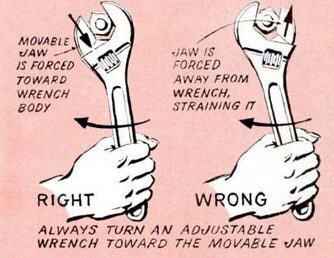
Credit: www.hvacrschool.com
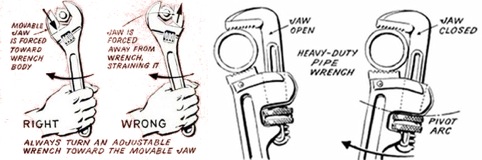
Credit: www.apexinds.com
Frequently Asked Questions
Which Way Do You Turn A Pipe Wrench?
Turn a pipe wrench clockwise to tighten and counterclockwise to loosen. Ensure proper grip for effective use. Adjust the wrench size to fit the pipe securely. Always check the direction before applying force.
Which Way To Turn To Loosen A Pipe?
Turn the pipe counterclockwise to loosen it. Use a wrench for better grip and control. Ensure safety by wearing gloves.
How To Loosen A Pipe Wrench?
Turn the pipe wrench’s knurled adjustment nut counterclockwise. This action opens the jaws, loosening the grip. Ensure the wrench is not engaged with any surface while adjusting. Always hold the handle firmly to maintain control. Regularly clean and oil the wrench for smooth operation.
Which Way Do I Turn My Wrench To Loosen?
Turn your wrench counterclockwise to loosen bolts or nuts. This direction follows the standard “lefty-loosey, righty-tighty” rule. Ensure your grip is firm for effective loosening. Use appropriate wrench size for best results. Check for any thread direction exceptions on specialized tools or fixtures.
Conclusion
Understanding how to use a pipe wrench is essential. Proper technique ensures efficiency and safety. Always remember: turn left to loosen, right to tighten. This basic rule helps avoid mistakes and damage. Practice makes perfect, so keep using your wrench.
Stay patient and focus on your task. You’ll handle plumbing tasks with confidence soon. With these tips, tackling simple plumbing jobs becomes easier. Keep learning and improving your skills. Your toolbox will thank you. Happy wrenching!