Have you ever wondered how the buildings and roads around you come to life? Concrete mixers play a vital role in constructing the structures we see every day.
These powerful machines are the heart of any construction site, turning raw materials into the concrete that forms the backbone of our urban environments. Understanding what concrete mixers are and how they work can give you a unique insight into the world of construction.
You’ll discover the different types of mixers, their uses, and why they are essential for creating strong, reliable structures. Ready to unlock the secrets behind these fascinating machines? Keep reading to find out how concrete mixers transform construction projects and why they might just be more interesting than you think!
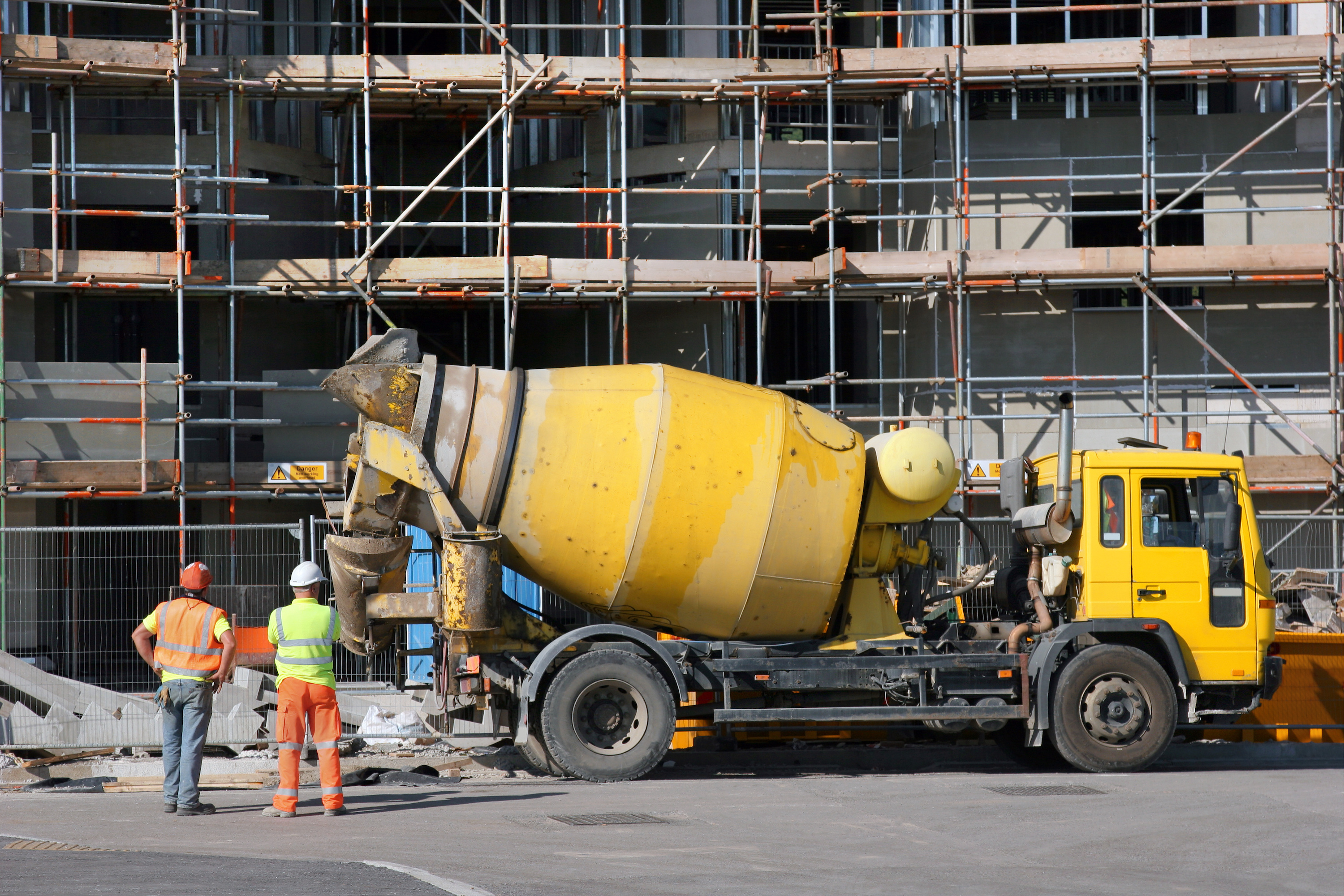
Credit: nmreadymix.com
Types Of Concrete Mixers
Concrete mixers are machines that blend cement, water, and aggregates to create concrete for construction. There are different types, including drum mixers, pan mixers, and continuous mixers, each suited for specific projects and mixing needs. These mixers ensure uniformity and quality in concrete production.
Concrete mixers are essential tools in construction, ensuring that cement, water, and aggregates are mixed to create the perfect concrete blend. But did you know there are different types of concrete mixers, each with unique features and benefits? Choosing the right type can significantly impact the efficiency of your project. Let’s dive into the world of concrete mixers and explore the distinct types available.Batch Mixers
Batch mixers are popular in many construction sites due to their versatility and efficiency. They mix concrete in batches, allowing for precise control over the mixture’s proportions. This type is perfect for projects where consistency is crucial, like building foundations or large pavements. A common variant is the drum mixer, which rotates to blend the ingredients thoroughly. Picture this: I once had a backyard project where I used a drum mixer to ensure every batch was just right. It saved time and reduced waste by preventing over-mixing. What projects are you planning? If precision and consistency are your goals, batch mixers might be your best bet.Continuous Mixers
Continuous mixers are designed for large-scale projects that require a constant supply of concrete. Unlike batch mixers, these machines continuously feed and mix materials, producing an endless stream of concrete. It’s ideal for tasks like laying long stretches of road or extensive concrete slabs. A significant advantage is the ability to adjust mix proportions on the fly. Imagine working on a lengthy highway project where stopping to mix a new batch every few hours isn’t feasible. A continuous mixer keeps things moving without interruption. Have you ever faced delays because of mixing issues? Consider a continuous mixer to streamline your process and maintain momentum. Choosing between batch and continuous mixers depends largely on your project’s size and requirements. Each type offers unique benefits that cater to different construction needs. So, what’s your next big project, and which mixer do you think would suit it best?Components And Features
Concrete mixers blend cement, sand, and water to create concrete. Essential components include a drum, motor, and mixing blades. Features vary, with options for portability and capacity, enhancing efficiency in construction projects.
Concrete mixers are essential tools in construction, blending cement, sand, and gravel to create concrete. Understanding the components and features of these machines can help you choose the right mixer for your project and ensure efficient operation. Each part plays a critical role in the mixing process, impacting the quality and consistency of the concrete produced.Drum Or Pan
The drum or pan is the heart of the concrete mixer. It holds the raw materials and rotates to mix them thoroughly. Drums are typically cylindrical and are used in larger mixers. Pans, on the other hand, are flat and often found in smaller mixers. Choosing between a drum and a pan depends on your project’s scale. Large construction sites prefer drums for their higher capacity. Smaller projects or quick jobs might benefit from pans for their compact size and ease of cleaning.Blades And Agitators
Inside the drum or pan, blades and agitators do the heavy lifting. These components move and mix the concrete ingredients, ensuring a uniform mixture. The shape and angle of the blades can affect the mixing quality. Consider the design of the blades when selecting a mixer. Efficient blades reduce mixing time and energy consumption. If you’ve ever felt frustrated with uneven concrete, you know the value of a good set of blades.Power Source
Concrete mixers can be powered by electricity, gasoline, or diesel. The power source affects the mixer’s portability and operational cost. Electric mixers are quieter and more eco-friendly, ideal for indoor use or areas with strict noise regulations. Gasoline and diesel mixers offer mobility and are suited for outdoor projects. Think about where you’ll be using the mixer. If access to electricity is limited, a gasoline-powered mixer might be more practical. Remember, the right power source can save you money and time in the long run. Understanding these components and features can transform how you approach your construction projects. What do you prioritize in a concrete mixer?Applications In Construction
Concrete mixers play a vital role in construction, blending cement, sand, and water into concrete. This mixture is essential for building strong structures, ensuring durability and stability. Efficiently mixed concrete lays the foundation for various projects, from roads to buildings.
Concrete mixers play a vital role in construction, streamlining the process of blending cement, water, and aggregates into a uniform mix. Whether you’re building a home, a commercial space, or vital infrastructure, concrete mixers are indispensable. They save time, reduce labor costs, and ensure consistency in the final product. But how do these machines transform construction projects? Let’s dive into their applications across various sectors.Residential Projects
Concrete mixers are a staple in residential construction. Imagine your neighbor’s home being built; the mixer ensures a steady supply of concrete for the foundation, walls, and driveways. You might have seen it working tirelessly, churning out batch after batch. The mixer allows for precise control over the mix, ensuring durability and strength. Have you ever wondered how your patio withstands the test of time? It’s the magic of perfectly mixed concrete. Mixers make small-scale projects manageable, enhancing quality without demanding huge resources.Commercial Developments
In commercial developments, concrete mixers are the unsung heroes. They provide the backbone for shopping malls, office complexes, and hotels. Efficient mixers speed up construction, helping meet tight deadlines that commercial projects often face. These mixers can handle larger volumes, making them ideal for big builds. The next time you walk into a skyscraper, think about the concrete mixer that helped shape it. It’s not just about pouring concrete; it’s about creating spaces where businesses thrive and dreams are built.Infrastructure Works
Infrastructure projects rely heavily on concrete mixers. Roads, bridges, tunnels – they all start with a well-mixed batch of concrete. Imagine driving on a highway; every mile is supported by concrete that had to be perfect. Mixers enable large-scale pours, crucial for stable and long-lasting infrastructure. The precision of mixers ensures safety and longevity in structures. Have you ever felt safe crossing a bridge? Thank the mixer that made it possible. It raises a question—can we afford to overlook the importance of concrete mixers in building our everyday world? Concrete mixers are more than just machines; they are integral to creating spaces where life happens. Whether you’re planning a small home renovation or a massive infrastructure project, understanding their role could transform your approach to construction. Are you ready to see the world with a new appreciation for these mighty mixers?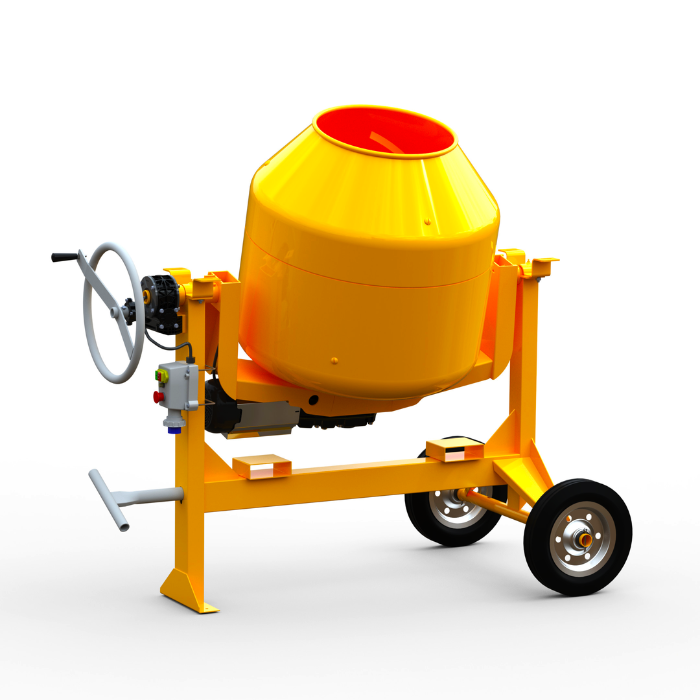
Credit: www.omaer.com

Credit: www.boomandbucket.com
Frequently Asked Questions
What Is A Concrete Mixer Used For?
A concrete mixer blends cement, water, and aggregates into a uniform mixture. It ensures consistent concrete quality for construction projects. Portable mixers suit small jobs, while large mixers handle bigger tasks. This equipment saves time and enhances efficiency on building sites.
What Are The Three Types Of Concrete Mixers?
Concrete mixers come in three types: batch mixers, continuous mixers, and truck mixers. Batch mixers handle specific volumes. Continuous mixers run without stopping, ideal for large projects. Truck mixers transport and mix concrete on-site, ensuring freshness. Each type serves different construction needs efficiently.
What’s A Concrete Mixer At Culver’s?
A concrete mixer at Culver’s is a customizable frozen custard treat. Choose your favorite toppings like candies, fruits, or nuts, and they’re blended into creamy custard for a delicious dessert experience. Enjoy endless combinations for a personalized, tasty treat.
Are Concrete Mixers Manual Or Automatic?
Concrete mixers can be manual or automatic. Manual mixers require human effort for operation. Automatic mixers use motors for mixing. Both types are used based on project requirements and budget constraints. Automatic mixers offer efficiency and consistency, while manual mixers are more cost-effective for smaller tasks.
Conclusion
Concrete mixers are vital in construction work. They mix materials quickly and efficiently. This ensures strong and durable structures. Different types suit various project needs. Portable mixers are great for small tasks. Large mixers handle big construction sites. Always choose the right mixer for your project.
It saves time and ensures quality. Understanding these machines can make a big difference. So, next time you see a construction site, you’ll know their importance. Concrete mixers truly are the backbone of building projects.