Are you wondering if drilled and slotted rotors are a good choice for your daily driving needs? Your car’s brake system is crucial for safety, and choosing the right components can make a big difference.
You might have heard about these high-performance rotors and their impressive stopping power, but are they really suitable for your everyday commute? This question might be spinning in your mind as you search for the best way to enhance your car’s performance without compromising comfort or safety.
We’ll dive into the benefits and potential drawbacks of using drilled and slotted rotors for daily driving. You’ll discover whether these rotors can offer you the smooth, reliable braking you need, or if they’re best left to the race track. Stick with us, and you’ll gain a clear understanding of whether these rotors are the right fit for your driving lifestyle. Prepare to be informed and confident in your brake system choices!
Credit: www.r1concepts.com
Drilled And Slotted Rotors
Drilled and slotted rotors offer improved braking performance. They can handle heat better, reducing brake fade. Yet, their lifespan might be shorter due to wear. For daily driving, they provide good stopping power, but frequent maintenance may be needed. Consider your driving style before choosing them.
Drilled and slotted rotors are becoming a popular choice among car enthusiasts and everyday drivers. These rotors are designed not just for performance vehicles but also for those who want to upgrade their daily driving experience. But are they really good for everyday use? Let’s dive into their design and features, and the common materials used to understand their advantages and potential drawbacks.Design And Features
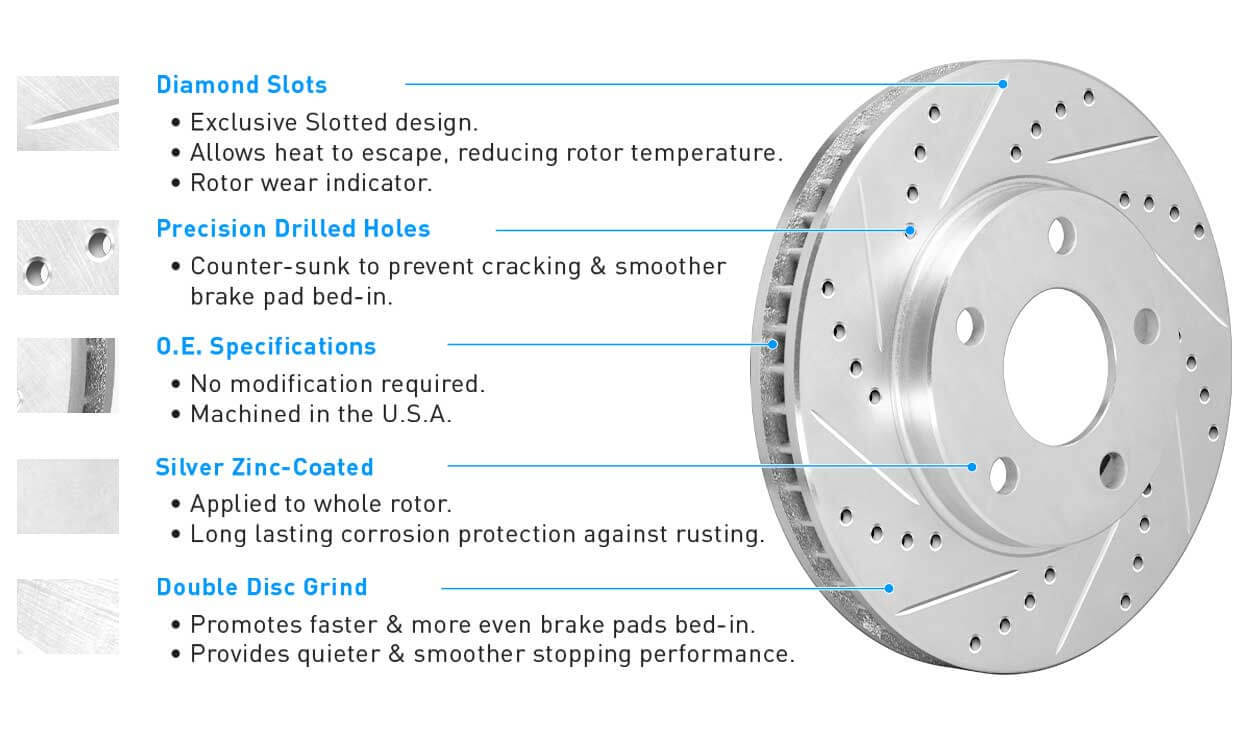
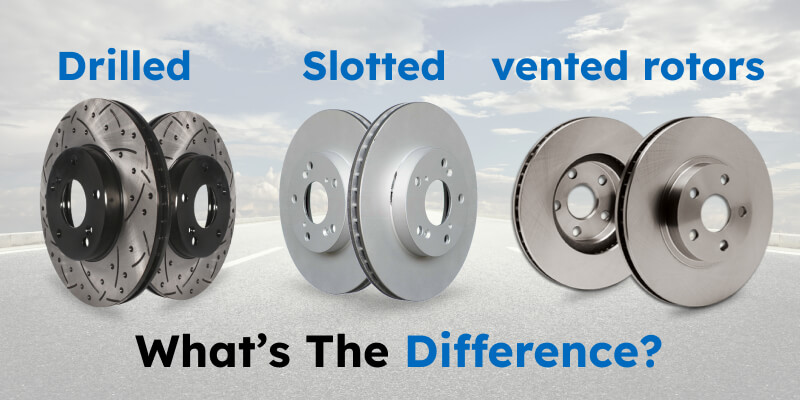
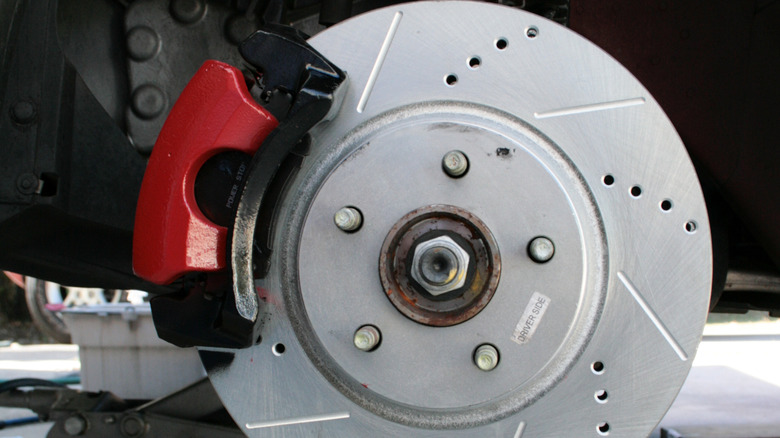
Drilled and slotted rotors have holes and grooves on their surface. The drilled holes help dissipate heat more efficiently, which can prevent brake fade during heavy braking. The slots, on the other hand, help remove debris, water, and dust from the braking surface. These features can improve braking performance and provide a more responsive feel. Imagine driving down a steep hill; the increased cooling from the drilled holes can give you confidence that your brakes won’t overheat. The slots ensure you have consistent braking power, even in wet conditions. However, these features can also lead to faster wear and tear. The holes may cause cracks over time, especially if you’re frequently driving in harsh conditions. So, while they offer great performance, they might require more frequent maintenance.Common Materials Used
Drilled and slotted rotors are typically made from cast iron or carbon composite materials. Cast iron is affordable and offers good heat resistance, making it a common choice for daily driving. It provides reliable performance without breaking the bank. Carbon composite rotors are lighter and provide superior heat dissipation. They’re often used in high-performance vehicles but can be quite costly. If you’re using your car for daily commutes, you might wonder if the extra expense is worth it. Consider your driving habits. If you frequently drive in heavy traffic or mountainous areas, the benefits of carbon composite might outweigh the costs. But for regular city driving, cast iron rotors should suffice. Have you considered the impact of your driving environment on rotor choice? It might be the key to unlocking the best braking performance for your needs.Performance Enhancement
Drilled and slotted rotors offer improved heat dissipation and brake performance. Ideal for spirited driving, they can handle daily driving needs. Keep in mind, they may wear brake pads faster than standard rotors.
Drilled and slotted rotors are often praised for their ability to boost your car’s performance, but how do they fare in the realm of daily driving? Let’s dive into the world of performance enhancement and see what these rotors bring to the table.Heat Dissipation
Heat is the enemy of efficient braking. When you’re driving in city traffic or cruising on the highway, your brakes generate significant heat. Drilled and slotted rotors have built-in designs that help disperse this heat quickly. Picture this: you’re stuck in traffic, constantly hitting the brakes. With standard rotors, the heat builds up, potentially leading to brake fade. But with drilled and slotted rotors, the heat escapes through the slots and holes, keeping your brakes cooler. This could mean fewer worries about brake performance when you need it most. Have you ever noticed your brakes feeling less responsive after a long drive? The enhanced heat dissipation from these rotors might just be the solution.Improved Braking Efficiency
Imagine a sudden stop at a pedestrian crossing. You want your brakes to respond instantly. Drilled and slotted rotors are designed to enhance braking efficiency by providing a better grip. These rotors help remove any debris or water from the surface, ensuring your brakes catch effectively. You might have experienced times when your brakes felt a bit sluggish in the rain. With improved design, drilled and slotted rotors maintain optimal performance even in wet conditions. It’s like wearing shoes with great traction on a slippery surface; you feel more secure and confident. Are you looking for that extra bit of assurance during your daily commute? Consider how improved braking efficiency could make your drive safer and smoother.Durability And Longevity
Drilled and slotted rotors are popular among car enthusiasts. They promise enhanced braking performance. But are they durable for daily driving? Let’s explore their longevity.
Wear And Tear Considerations
Drilled and slotted rotors face unique challenges. The holes and slots can lead to increased wear. They help in reducing heat during braking. But they also weaken the rotor structure slightly. This can result in faster deterioration over time.
Frequent brake use in city driving speeds up wear. Constant stopping and starting puts stress on the rotors. Regular inspections can help identify wear early. Maintaining them properly ensures longer life.
Impact On Brake Pads
These rotors impact brake pads differently. The design improves grip but increases pad wear. The grooves and holes provide better friction. This leads to quicker wear on the pads.
Replacing brake pads more often can be necessary. Choosing high-quality pads may reduce wear. It balances the performance and lifespan. Proper maintenance helps in extending their life.
Credit: geobrakes.com
Safety Aspects
When considering drilled and slotted rotors for daily driving, safety is key. These rotors promise enhanced braking performance. But how do they fare in terms of safety? Let’s explore.
Handling In Wet Conditions
Drilled and slotted rotors shine in wet conditions. The slots and holes help water escape. This design reduces the chance of hydroplaning. You maintain better control over your vehicle. In rainy weather, stopping distance improves. This ensures a safer driving experience.
Resistance To Brake Fade
Brake fade occurs after repeated use. It reduces braking power. Drilled and slotted rotors resist this. Their design helps dissipate heat quickly. This keeps the brakes cooler. Cooler brakes maintain performance. You enjoy consistent stopping power. This is crucial for safety on long drives.
Cost Implications
When considering drilled and slotted rotors for your daily drive, the cost implications can be a pivotal factor in your decision-making process. These specialized rotors often come with a higher price tag compared to standard rotors, but do they justify the expense when it comes to regular driving? Let’s delve into the price differences and maintenance costs to help you make an informed choice.
Price Comparison With Standard Rotors
The first thing you might notice is the price gap between drilled and slotted rotors and their standard counterparts. While standard rotors are usually more affordable, drilled and slotted rotors can cost anywhere from 50% to 100% more. This price difference is primarily due to their advanced design aimed at improving performance. However, ask yourself: do you really need performance enhancements like better heat dissipation and reduced brake fade for your daily commute?
Consider your driving habits and budget. If you’re not regularly driving on challenging terrains or engaging in high-speed maneuvers, the extra cost may not be necessary. On the other hand, if you value enhanced braking and are willing to invest in it, the additional expense could be worthwhile.
Maintenance Costs
Beyond the initial purchase price, maintenance costs are another crucial aspect to think about. Drilled and slotted rotors often require more attention. They can wear out faster due to their design, demanding frequent checks and possible replacements. This can add to your car maintenance bills over time.
Standard rotors, in contrast, typically offer longer lifespan and are less demanding in terms of maintenance. Are you prepared for potentially higher costs associated with drilled and slotted rotors? Consider your willingness to invest both time and money into regular upkeep.
Reflect on your priorities. If you enjoy tinkering with your vehicle and have the resources to manage higher maintenance costs, drilled and slotted rotors might be a rewarding choice. However, if you prefer a more hands-off approach, sticking with standard rotors could be more practical.
Ultimately, the cost implications of choosing drilled and slotted rotors for daily driving depend on your personal preferences and financial situation. Weigh the benefits against the expenses to find the best fit for your lifestyle and driving needs.
Credit: www.slashgear.com
Suitability For Daily Driving
Drilled and slotted rotors offer enhanced braking performance, making them suitable for daily driving. They reduce heat buildup and improve stopping power, providing a safer and more responsive driving experience. These rotors can handle everyday conditions while ensuring reliable braking efficiency.
When considering upgrades for your vehicle, you might wonder whether drilled and slotted rotors are the right choice for your daily driving needs. While they are popular in the performance and racing world, their suitability for everyday use is a topic worth exploring. Let’s look at how these rotors perform in different driving scenarios, such as urban commutes and highway driving.Urban Commute
Navigating city streets can be a stop-and-go affair. Drilled and slotted rotors excel in this environment by enhancing brake performance through better heat dissipation. This means your brakes remain more effective, even in bumper-to-bumper traffic. Imagine those intense moments when a pedestrian suddenly appears. You need reliable braking power. These rotors can provide that extra assurance. But, is the potential increase in noise and brake dust worth it for your daily commute?Highway Driving
On the highway, consistent braking performance is crucial, especially during long drives or sudden stops. Drilled and slotted rotors can help maintain that consistency by preventing brake fade, ensuring safer stops at high speeds. Consider a scenario where traffic suddenly slows. You’ll appreciate the extra braking confidence these rotors can offer. However, they may wear out more quickly due to the increased stress of high-speed driving. Ultimately, your driving style and priorities will determine if these rotors are suitable for you. Are you willing to trade off some comfort for performance? Evaluate your needs to make the best choice for your daily driving experience.Alternative Rotor Options
Drilled and slotted rotors offer improved braking performance by dissipating heat efficiently. They enhance vehicle control, reducing brake fade. While ideal for high-performance needs, they may wear faster in daily driving due to their design. Regular maintenance ensures longevity and safety for everyday use.
When considering alternatives to drilled and slotted rotors for daily driving, it’s important to explore options that match your vehicle’s needs and your driving style. While drilled and slotted rotors offer enhanced braking performance in specific conditions, they might not always be necessary for everyday use. Let’s look at some alternative rotor types that may suit your daily driving requirements better.Solid Rotors
Solid rotors are often the go-to choice for many standard vehicles. They are typically more affordable and offer sufficient braking power for regular driving. Unlike drilled or slotted rotors, solid rotors don’t have holes or slots, which means less wear and tear over time. These rotors are also quieter, producing less noise when you brake. This can be a significant advantage if you value a peaceful ride. Have you ever felt annoyed by squeaky brakes? Solid rotors might help solve that problem.Vented Rotors
Vented rotors are another excellent option for daily driving. They feature a design that allows air to flow between the rotor surfaces, helping to dissipate heat more efficiently. This can be particularly useful in stop-and-go traffic where your brakes might heat up frequently. They provide better cooling than solid rotors, which can improve braking performance over time. However, they are slightly more expensive. Consider if the additional cost fits your budget and driving habits. Choosing the right rotor can make a noticeable difference in your daily driving experience. What are your priorities when it comes to brake performance and longevity? Understanding your needs will help you make the best decision for your vehicle.Frequently Asked Questions
Are Drilled And Slotted Rotors Good For Daily Driver?
Drilled and slotted rotors can be used for daily driving. They provide good heat dissipation and improved braking performance. However, they may wear out pads faster and can be noisier than standard rotors. Consider your driving conditions and maintenance before choosing them for your vehicle.
What Are The Disadvantages Of Drilled And Slotted Rotors?
Drilled and slotted rotors may crack under extreme stress. They can wear out pads faster and produce more noise. Dirt and debris can accumulate in holes, reducing efficiency. They tend to be more expensive than standard rotors, affecting budget-conscious buyers.
Frequent maintenance is necessary for optimal performance.
Which Rotors Are Best For Daily Driving?
For daily driving, OEM-style rotors work best. They offer reliable performance, durability, and cost-effectiveness. Consider rotors made from high-quality iron or carbon-infused materials for enhanced longevity and reduced noise. Ensure compatibility with your vehicle model for optimal results.
Do Drilled And Slotted Rotors Warp Easily?
Drilled and slotted rotors can warp if not properly maintained or if subjected to extreme heat. Quality materials and proper installation help prevent warping. Regular inspections and avoiding aggressive driving habits extend rotor life. Proper care ensures performance and longevity.
Conclusion
Drilled and slotted rotors offer benefits for daily drivers. Better braking performance is a key advantage. They disperse heat efficiently, reducing wear. Enhanced grip improves safety during stops. Yet, they can be noisier. Also, they may wear faster under harsh conditions.
For regular city driving, they work well. Consider your driving style and needs. Weigh the pros and cons carefully. Choosing the right rotors ensures safety and comfort. Always consult with a trusted mechanic. Make informed decisions for your vehicle. Your car’s performance depends on it.
Prioritize quality and reliability in your choice.