Have you ever found yourself standing in front of a wall, drill in hand, wondering if you’re supposed to drill into a stud? It’s a common question, and getting it right can mean the difference between a successful project and a frustrating disaster.
Whether you’re hanging a picture, installing shelves, or mounting a TV, knowing where and how to drill is crucial. You might be surprised to learn that the answer isn’t as straightforward as it seems. By understanding the ins and outs of drilling into a stud, you can ensure stability and safety in your home projects.
Ready to discover the secret to flawless drilling? Let’s unravel the mystery together, and you’ll gain the confidence you need to tackle any wall with ease.
What Is A Wall Stud
A wall stud is a crucial element in construction. It provides support and stability. These vertical beams are typically made of wood or metal. They form the framework of a wall. Wall studs are hidden behind drywall, making them invisible to the naked eye. Yet, they play a vital role in hanging heavy items. Understanding their function is essential for home improvement tasks.
Studs are spaced evenly within walls. They usually have a standard spacing of 16 or 24 inches. This consistent spacing ensures uniformity and strength. You can locate them using a stud finder or tapping the wall. The sound changes when you hit a stud.
What Material Are Wall Studs Made Of?
Wall studs come in various materials. Wood is the most common choice. It’s affordable and easy to work with. Metal studs are used in commercial buildings. They resist termites and fire. Each material has its own advantages. Choosing the right one depends on your project needs.
Why Are Wall Studs Important?
Wall studs support the structure of a building. They hold up the walls and ceilings. Without them, walls would not stand upright. Studs also serve as a mounting point for heavy objects. Shelves, TVs, and cabinets rely on studs for stability. Properly anchoring into a stud prevents accidents.
How Do You Find A Wall Stud?
Finding a wall stud is easy with a stud finder. This tool detects density changes in the wall. Move it slowly along the surface. It will alert you when it finds a stud. Alternatively, knock on the wall. A hollow sound indicates no stud. A solid sound means you’ve found one.
Why Studs Matter In Construction
Studs play a vital role in building structures. They are the backbone of walls, providing support and stability. Without studs, walls would lack the strength to stand upright. Their presence ensures that structures remain safe and durable.
Every stud acts as an anchor for various elements. This includes drywall, shelves, and cabinets. Knowing where studs are located is crucial in construction projects.
Support And Stability
Studs provide essential support for walls. They keep walls straight and sturdy. Without them, walls could wobble or collapse. Studs help distribute loads evenly across the structure.
They prevent walls from bending or breaking. This is important for maintaining the integrity of a building. Properly installed studs ensure that walls can bear weight effectively.
Weight Distribution
Studs play a key role in weight distribution. They help balance loads across the wall. This prevents strain on specific points. When weight is evenly distributed, structures remain safe.
Studs allow walls to carry heavy loads. This includes furniture and fixtures. Proper weight distribution reduces the risk of damage. It keeps walls intact and prolongs their lifespan.
Identifying Wall Studs
Identifying wall studs is crucial for drilling tasks. It prevents damage and ensures stability. Wall studs are vertical framing members behind your wall. They offer strong support for hanging items. Finding these studs can be tricky. But with the right tools and techniques, it becomes easier.
Tools For Finding Studs
Several tools assist in locating wall studs. A stud finder is the most common device. It uses sensors to detect changes in density behind the wall. Magnetic stud finders locate screws or nails in the studs. These are reliable indicators of stud position. You can also use a tape measure for manual locating. Measure from an outlet or switch. Studs are usually spaced 16 or 24 inches apart. This method requires precision but works well.
Common Mistakes To Avoid
Avoid relying solely on knuckle tapping. It might seem easy but it’s inaccurate. The sound varies due to wall material and thickness. Don’t assume stud locations based on old construction norms. Walls may have irregular spacing or double studs. Always confirm with a tool. Be cautious with electrical wires and pipes. They can run close to studs. Use a stud finder with wire detection if possible. This prevents accidents and ensures safety.
Credit: www.kenenghardware.com
Drilling Into A Stud
Drilling into a stud is a key part of many home projects. Studs are vertical boards behind walls that support structures. They are strong, making them ideal for hanging heavy items. Knowing how and when to drill into a stud can save time and effort.
When To Drill Into A Stud
Drill into a stud when you need strong support. Hanging shelves or TVs require sturdy backing. Studs provide stability that drywall alone cannot offer. Using studs prevents items from falling or causing damage. Avoid drilling into a stud for smaller, lighter items.
Appropriate Tools For Drilling
Choose the right tools for drilling into a stud. A drill with a sharp bit is essential. Use a drill bit designed for wood. Ensure your drill is set to the correct speed. A slower speed prevents splitting the stud. Consider using a stud finder to locate studs before drilling.
Potential Risks And Considerations
Drilling into a stud can pose potential risks like damaging electrical wires or plumbing hidden within walls. Proper tools and techniques are essential to avoid structural damage or personal injury. Always ensure accurate stud identification to prevent costly mistakes.
Potential risks arise when drilling into a stud. Each project has unique factors to consider. Understanding these risks helps prevent damage. Homeowners should ensure safety and maintain structural integrity. Drilling into studs requires careful planning. Here are crucial considerations to avoid common pitfalls.Avoiding Electrical And Plumbing Hazards
Drilling into a stud may pose electrical risks. Wires often run through walls. Use a stud finder with electrical detection. This tool identifies wires behind walls. Protect yourself from electrical shock. Avoid drilling near outlets or switches. Plumbing pipes can also be hidden. Water damage can occur if pipes are punctured. Check for plumbing fixtures nearby. Use caution and avoid drilling directly over them. Always consider what’s beneath the surface.Impact On Wall Integrity
Drilling can affect wall strength. Studs provide structural support. Removing too much material weakens them. Use the correct drill bit size. Ensure screws fit snugly without splitting wood. Overdrilling compromises wall stability. It may cause cracks or sagging. Always drill with precision and care. Proper technique maintains stud integrity. Keep the home’s structure sound. Choose hardware designed for studs. This ensures secure installation and long-lasting results.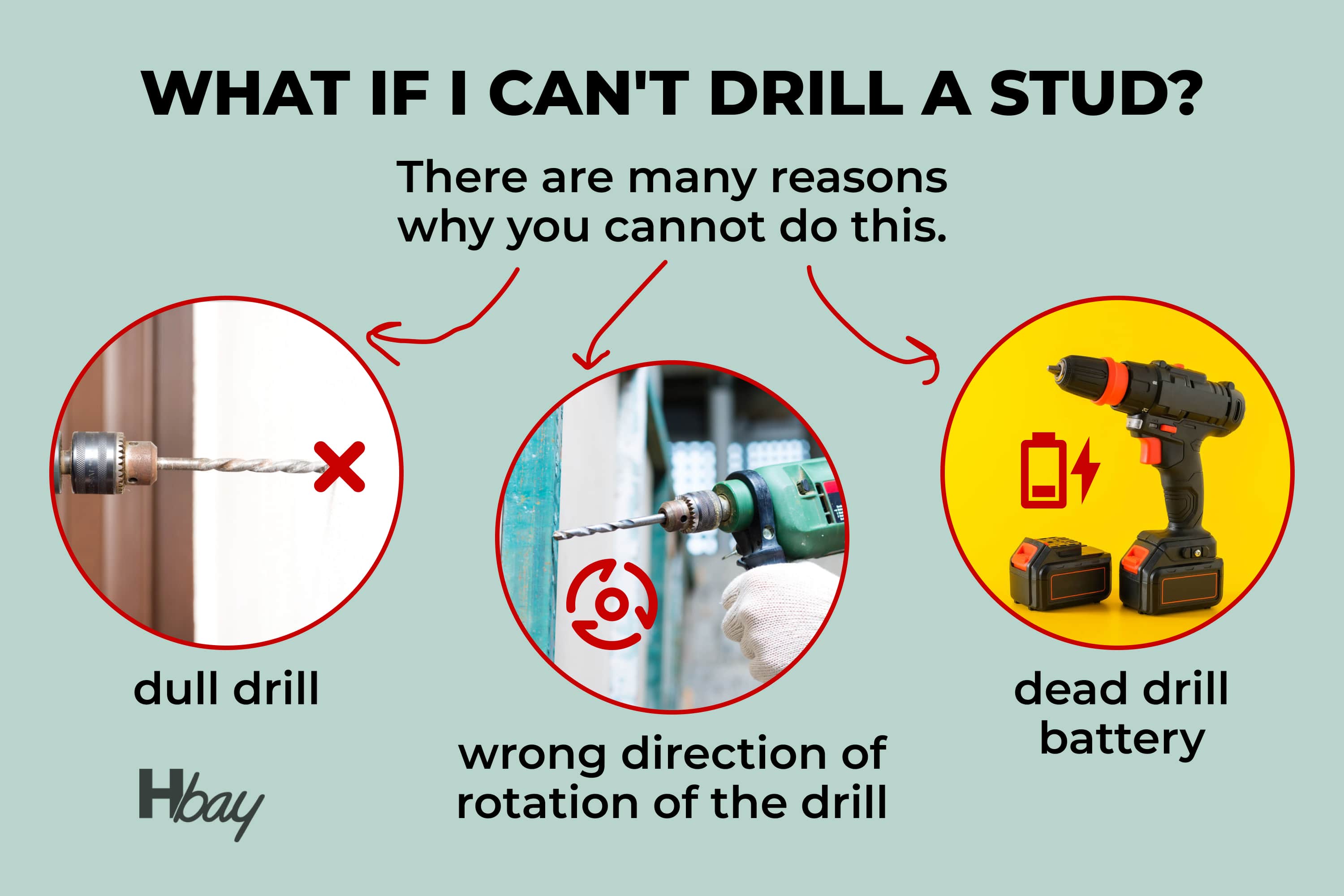
Credit: housekeepingbay.com
Expert Tips For Safe Drilling
Drilling into a stud provides stability and support for your projects. But safety is key. Proper drilling ensures your project remains secure without damaging tools or materials. Here, we share expert tips for safe drilling. These tips will guide you through proper techniques and recommended safety measures.
Proper Drilling Techniques
Always use the right drill bit for the material. Wood, metal, and drywall require different bits. Mark the spot before drilling. This prevents mistakes and ensures accuracy. Start with a small pilot hole. It guides the larger drill bit and prevents slipping. Keep the drill perpendicular to the wall. This angle provides the best hold and reduces stress on the bit.
Recommended Safety Measures
Wear safety goggles to protect your eyes from debris. Hearing protection is also important. Drills can be loud, and earplugs reduce noise impact. Ensure the drill is off before changing bits. This prevents accidental starts and potential injuries. Secure loose clothing and hair. These can catch in the drill and cause harm. Always maintain a firm grip on the drill. A secure hold ensures control and precision.
Alternatives To Drilling Into A Stud
Drilling into a stud isn’t always necessary. There are various alternatives to consider. These options can offer strong support without the need for drilling. They also help in preventing potential wall damage. Here, we explore some of these alternatives.
Using Anchors And Fasteners
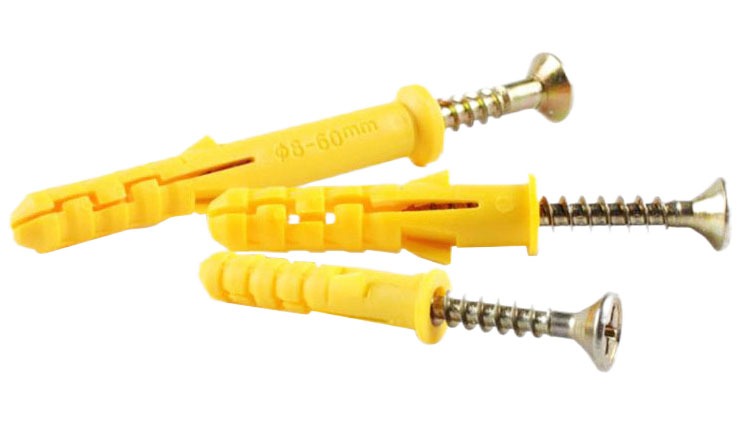
Anchors and fasteners provide solid support for many items. They are designed to hold weight securely. You can use them in drywall, concrete, or plaster walls. Choose the right type for your wall material. Metal anchors are strong and reliable. Plastic anchors work well for lighter items. Both are easy to install. Follow the package instructions carefully for best results.
Exploring Adhesive Solutions
Adhesives are another great alternative. They stick items to walls without nails or screws. Many strong adhesive products are available. Double-sided tapes and adhesive strips are popular options. They work well for lightweight items. Always check the weight limits before use. Ensure the wall surface is clean and dry for better adhesion. These solutions are quick and mess-free.

Credit: m.youtube.com
Frequently Asked Questions
Should You Avoid Drilling Into Studs?
Avoiding drilling into studs is unnecessary unless you’re concerned about structural damage. Studs provide strong support for heavy items. Use appropriate tools and techniques for safety. Always check for electrical wiring or plumbing before drilling. Properly drilled screws and anchors ensure a secure hold in studs.
Are Studs Meant To Be Drilled Into?
Yes, studs are designed to be drilled into. They provide strong support for attaching shelves, cabinets, or frames securely. Use appropriate tools and techniques to avoid damaging walls. Always ensure you’re drilling into wood studs, not metal or electrical components.
Do You Need To Screw Things Into A Stud?
Screwing into a stud provides strong support for heavy items, preventing damage. Drywall alone lacks strength for weight. Always locate studs for secure installation. Use a stud finder for accuracy. Ensure screws are long enough to penetrate the stud for optimal hold.
What If I Can’t Drill Into A Stud?
Use drywall anchors for mounting without a stud. Toggle bolts offer strong support for heavier items. Ensure your chosen anchor matches the weight and size of the item. Always check the wall’s capacity to avoid damage. Properly installed anchors can securely hold items without drilling into a stud.
Conclusion
Drilling into a stud can offer strong support. This is essential for heavy items. Always use the right tools and techniques. It ensures safety and efficiency. Studs provide a secure anchor. This prevents damage to walls and objects. Check for wires or pipes first.
This avoids accidents. Use a stud finder for accuracy. It saves time and frustration. Proper drilling keeps your projects sturdy. It also protects your home. Remember, preparation is key. Follow these tips for successful drilling. Your home improvement tasks will be easier and safer.