Ever found yourself staring at your toolbox, wondering if you can use a hammer drill as a regular drill? You’re not alone.
Whether you’re a seasoned DIY enthusiast or just starting to explore the world of home improvement, this question is bound to pop up. It’s like having a Swiss Army knife and trying to figure out if you can use the blade for something more delicate.
Imagine the convenience of having one tool that does it all. But before you dive into your next project, it’s crucial to know if your hammer drill can really take on the role of a regular drill. Is it a versatile powerhouse or just too much for everyday tasks? Stick around, because understanding this could save you time, money, and a whole lot of frustration. Let’s uncover the truth behind the power and potential of your hammer drill.
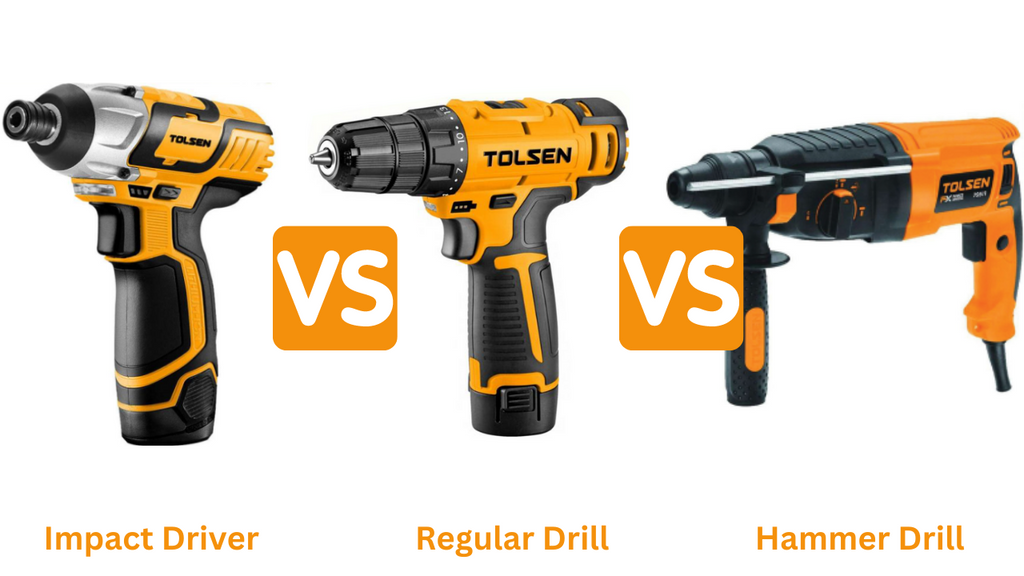
Hammer Drill Vs. Regular Drill
Choosing between a hammer drill and a regular drill can be confusing. Both tools serve distinct purposes. Yet, they seem similar. Understanding their differences helps in making the right choice.
Key Differences
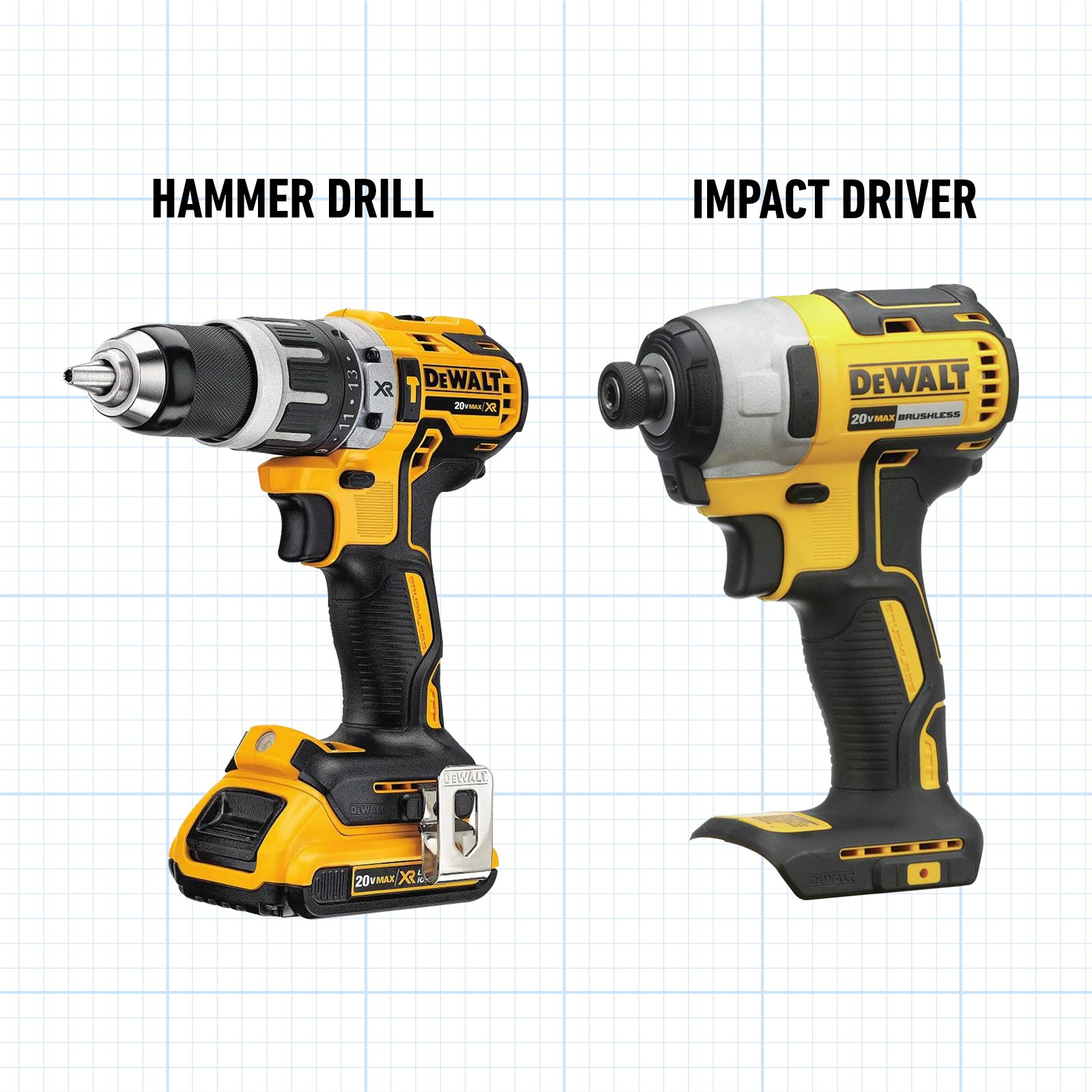
A hammer drill adds a hammering action. This makes it perfect for hard surfaces. Think concrete or brick. A regular drill only rotates. It suits softer materials like wood or metal. The hammer drill is often heavier. It requires more power. A regular drill is lighter. Easier to manage for simple tasks.
Unique Features
The hammer drill has a unique pounding motion. This feature breaks tough surfaces easily. It’s ideal for heavy-duty tasks. You can switch off the hammer action. Use it like a regular drill if needed. The regular drill shines in precision tasks. It offers better control for delicate work. It’s versatile for DIY projects.
Versatility Of Hammer Drills
Have you ever wondered if a hammer drill can serve as your all-in-one tool for various home projects? You’re not alone. Many DIY enthusiasts find themselves in situations where a hammer drill is within reach, and a regular drill seems unnecessary. The versatility of hammer drills is what makes them a valuable tool in your toolbox. With the ability to switch modes, these devices offer more than just the power to chip away at tough materials.
Applications Beyond Hammering
Hammer drills are not just for drilling into concrete or masonry. You can use them for everyday drilling tasks like creating holes in wood or metal. Imagine you’re working on a home project and realize you need to drill into different materials. Instead of switching between tools, your hammer drill can tackle it all. Just ensure you have the right drill bits and adjust the settings accordingly.
Think about how often you switch tools during a project. With a hammer drill, you reduce the hassle and save time. No more rummaging through your toolbox looking for the right drill. It’s like having a Swiss Army knife in tool form, ready to adapt to various tasks. This versatility makes hammer drills a favorite among those who prefer simplicity and efficiency.
Switching Modes
Switching modes on a hammer drill is straightforward. Most models come with a simple dial or switch that lets you choose between hammering and regular drilling. This feature is incredibly useful when you need to transition between tasks quickly. Picture yourself mid-project, needing to switch from drilling into concrete to wood. With a quick flick, your hammer drill is ready for the job.
Have you ever felt frustrated trying to figure out complex settings on power tools? Hammer drills simplify this with intuitive mode switches. You can easily adjust the tool, making it accessible even if you’re not a seasoned pro. This user-friendliness is part of the charm that makes hammer drills appealing to both beginners and experts alike.
Why clutter your workspace with multiple tools when one can do the job? Embrace the versatility of hammer drills and streamline your projects. Whether you’re a weekend warrior or a professional, the practicality of switching modes is something you’ll appreciate every time you pick up your drill.
Pros And Cons Of Using A Hammer Drill For Regular Tasks
Using a hammer drill as a regular drill might sound convenient. It’s a powerful tool designed for heavy-duty tasks. But does it work well for everyday drilling? Understanding the pros and cons can help you decide if it’s the right choice.
Advantages
Hammer drills offer robust power for tough materials. They can drill through concrete, brick, and stone. Their versatility means fewer tools in your toolbox. This can save storage space. If you need to switch tasks quickly, they are adaptable. Many hammer drills have settings for regular drilling. This lets you use them like a standard drill. They are built to last with durable construction.
Disadvantages
Hammer drills are heavier than regular drills. This can cause fatigue with long use. Their high power can be hard to control on delicate surfaces. This might lead to damage or over-drilling. Noise levels are higher with hammer drills. This could be disturbing in quiet environments. They are often more expensive than regular drills. If you only need light drilling, it might not be cost-effective. A hammer drill’s vibration can be uncomfortable.
Credit: fantast.rs
Choosing The Right Drill For The Job
Whether you’re a DIY enthusiast or a seasoned builder, selecting the appropriate drill can make or break your project. A hammer drill is a powerful tool, but is it the right choice for your everyday drilling needs? Let’s explore how to make the best choice without compromising efficiency.
Factors To Consider
Start by evaluating the nature of your task. Are you drilling into tough materials like concrete or masonry, or is it softer surfaces like wood and drywall?
Hammer drills excel in heavy-duty jobs, delivering powerful blows that penetrate hard surfaces. However, if you’re working on smaller, delicate tasks, a regular drill might be more suitable, offering precision without the excessive force.
Think about your frequency of use. If you occasionally handle light tasks, investing in a hammer drill might be overkill. Instead, consider a versatile drill that caters to a broader range of applications.
Material Compatibility
Understanding material compatibility is key. Hammer drills are your go-to for concrete, brick, and stone. But using them on fragile materials can lead to damage.
Imagine trying to hang a picture frame on a plaster wall using a hammer drill. You might end up with a larger hole than intended. A regular drill is gentler, making it ideal for such tasks.
Ask yourself, what materials will you frequently encounter? Ensure your chosen drill aligns with your materials to avoid mishaps and achieve professional results.
Choosing wisely can save you time, effort, and potential repair costs. So, what do you value more—power or precision? Your answer will guide you to the right tool for the job.
Expert Tips For Optimal Use
Using a hammer drill as a regular drill is possible with the right approach. Expert tips can help you achieve optimal results. Understanding tool longevity and safety precautions are key. This ensures efficient and safe usage of your hammer drill.
Ensuring Tool Longevity
Proper maintenance extends your drill’s lifespan. Regular cleaning prevents dust buildup. Store it in a dry, cool place. Avoid using the hammer setting for regular drilling. This reduces wear and tear. Check the drill bits frequently. Replace them when worn out. Follow manufacturer instructions for best practices.
Safety Precautions
Safety is crucial when using power tools. Wear protective gear like goggles and gloves. Ensure the drill bit is tightly secured. Avoid loose clothing that can get caught. Keep your workspace well-lit and clutter-free. Double-check the power cord for damage. Use the correct bit for the material you’re drilling. This prevents accidents and ensures efficient drilling.
Credit: kakilai.sg

Credit: www.youtube.com
Frequently Asked Questions
When Should You Not Use A Hammer Drill?
Avoid using a hammer drill on delicate surfaces like tiles, drywall, or softwoods. It can cause damage or cracking. Use it only on concrete, masonry, or hard surfaces. For precision tasks, switch to a regular drill. Always ensure the drill bit matches the material to prevent unnecessary harm.
Can You Use A Hammer Drill For Driving Screws?
A hammer drill is not ideal for driving screws. It delivers high-impact force, risking screw or material damage. Use a regular drill or impact driver instead. Adjust the torque settings for precision and control. Hammer drills are better suited for drilling into hard surfaces like concrete or masonry.
Is A Hammer Drill Good For Drilling Holes?
Yes, a hammer drill is excellent for drilling holes in hard surfaces like concrete and masonry. It combines rotation and hammering action, making it efficient for tough materials. Use appropriate drill bits for best results. It’s ideal for construction and DIY projects requiring durable hole drilling.
Can I Use A Hammer Drill On Metal?
Yes, you can use a hammer drill on metal, but it’s not ideal. Hammer drills are designed for masonry. For metal, use a regular drill with a metal drill bit. Ensure the drill is set to the non-hammer mode for smooth drilling.
Always use cutting fluid to prevent overheating.
Conclusion
Using a hammer drill as a regular drill is possible. It offers versatility for various tasks. Just switch off the hammer mode. This avoids unnecessary force on delicate materials. Perfect for wood and metal projects. Remember to choose the right bit for the job.
This ensures efficiency and safety. Not all hammer drills are suitable for light tasks. Always check the specifications. Understanding your tool’s capabilities is important. It helps in achieving the best results. So, make informed decisions. Happy drilling!