Have you ever found yourself staring at your toolbox, wondering if your impact driver can double as a drill? You’re not alone.
Many DIY enthusiasts and even seasoned professionals have asked this question. Understanding the tools at your disposal not only saves you time but also makes your projects more efficient and fun. We’ll explore whether you can use an impact driver as a drill and what you need to consider before trying it out.
Stick around to uncover some surprising insights that could transform the way you tackle your next project. Let’s dive in and discover the hidden potential of your impact driver!
Impact Driver Basics
An impact driver is a versatile tool that can be a game-changer in your toolbox. If you’re new to DIY projects or just curious about how this tool works, understanding the basics is crucial. Let’s dive into what makes an impact driver unique and how it can be used effectively.
What Is An Impact Driver?
An impact driver is a power tool designed primarily for driving screws and fasteners. It delivers a strong rotational force with short bursts of impact, making it more efficient than a regular drill. This tool is especially handy when you’re dealing with tough materials or stubborn screws.
How Does An Impact Driver Work?
The magic of an impact driver lies in its internal mechanism. It combines rotational force with concussive blows, which increases torque output significantly. This means you exert less effort while the tool does the heavy lifting, saving your wrist and time.
Why Choose An Impact Driver Over A Drill?
An impact driver is compact and lightweight, making it easier to handle in tight spaces. Compared to a drill, it provides greater torque, which is perfect for driving long screws into wood or metal. Have you ever struggled with a screw that just wouldn’t budge? An impact driver could be your solution.
Common Uses Of An Impact Driver
While it excels at driving screws, you can use an impact driver for other tasks too. Installing decking, assembling furniture, or even changing car tires are within its capabilities. Just remember, it’s not ideal for drilling holes unless you have the right bit.
Can You Drill With An Impact Driver?
This is a common question among DIY enthusiasts. Yes, you can drill with an impact driver if you use hex shank drill bits. However, it’s best suited for soft materials like wood or drywall. For precision drilling in hard materials, a dedicated drill might be more effective.
Have you ever used an impact driver in an unexpected way? Share your experiences in the comments and let’s learn together. Your next DIY project might just benefit from a new tool in your arsenal.
How An Impact Driver Works
Understanding how an impact driver works can change your DIY approach. This powerful tool isn’t just for driving screws. Its unique mechanism makes it versatile for various tasks, including drilling.
What Is An Impact Driver?
An impact driver is a tool used for driving screws and bolts. It delivers rotational force and downward force. This combination helps in driving screws into tough materials with ease.
Mechanism Of An Impact Driver
The impact driver uses a hammering action. This action creates a high torque output. The hammer strikes an anvil inside the tool. This rapid striking generates a powerful rotational force.
Components Of An Impact Driver
Key parts include the motor, hammer, and anvil. The motor powers the tool and drives the hammer. The hammer then strikes the anvil to produce torque.
Torque Generation
Torque is the twisting force produced by the driver. The hammering action boosts this force. It allows the driver to drill through dense materials easily.
Speed And Control
Impact drivers offer high speed with control. They have variable speed settings. This feature helps in adjusting the force needed for different tasks.
Noise And Vibration
Impact drivers can be noisy due to the hammering action. Vibration is also common. These features result from the rapid striking within the tool.
Use Cases For Impact Drivers
Impact drivers are ideal for tasks requiring high torque. They excel in driving long screws and bolts. They can also be used for drilling holes in wood and metal.
Impact Driver Vs. Drill
Choosing between an impact driver and a drill can be tricky. Both tools have their unique features and uses. Understanding their differences helps in making the right choice for your projects. You may wonder if an impact driver can double as a drill. Let’s explore the key differences, advantages, and disadvantages of each tool.
Key Differences
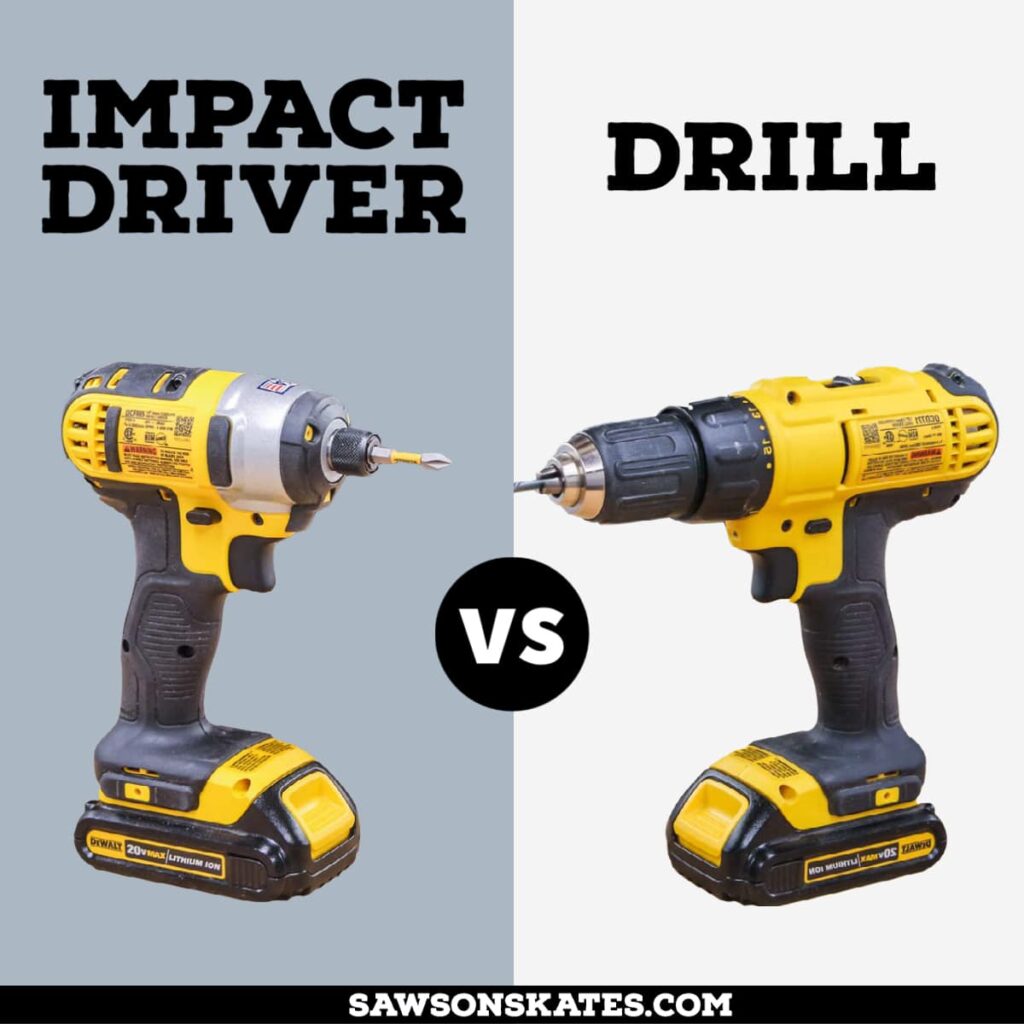
Impact drivers and drills differ in their design and function. An impact driver delivers high torque in short bursts. This makes it ideal for driving screws into dense materials. It uses rotational and concussive force. A drill, on the other hand, is more versatile. It provides consistent rotational force. This is perfect for drilling holes in various materials.
Drills come with adjustable chucks that fit different drill bits. Impact drivers use hexagonal sockets for bits. This limits their use with regular drill bits. The impact driver is lighter and more compact than a drill. It is easier to handle in tight spaces.
Advantages And Disadvantages
The impact driver’s main advantage is its power. It drives screws faster and with less effort. This saves time on heavy-duty tasks. Its compact design is a bonus for working in tight spots. Yet, it can be too powerful for delicate tasks. This may damage softer materials.
Drills are versatile and handle a wide range of tasks. They can drill holes and drive screws with precision. They are better for finer work where control matters. Drills are heavier and bulkier, which can be tiring over long periods. They lack the high torque of impact drivers.
Choosing between these tools depends on your needs. Consider the material and task before making a decision. Each tool has its place in your toolbox.
Drilling With An Impact Driver
Impact drivers are versatile tools. Many wonder if they can drill holes. Yes, you can use an impact driver to drill. But, you must take care. An impact driver is different from a regular drill. It uses quick, strong bursts. These bursts help drive screws and bolts. But they can also drill into some materials. Let’s explore how to drill with an impact driver.
Suitable Materials
Not all materials work with an impact driver. Soft woods are ideal. Pine and cedar drill well. Also, thin metals like aluminum are suitable. Avoid hard materials. Concrete and thick steel need a regular drill. They require more control. An impact driver might damage them.
Required Accessories
Use the right bits for the job. Impact-rated bits work best. They handle the tool’s strong bursts. Regular bits may break. A bit holder can help. It keeps the bit steady. Also, consider a depth stop. It stops the bit from going too deep. These accessories make drilling safer and easier.
Choosing The Right Bits
Choosing the right bits for your impact driver is crucial. It helps achieve the desired results efficiently. Though an impact driver can function like a drill, specific bits ensure optimal performance.
Understanding Bit Types
Bits vary for different tasks. Standard twist drill bits are commonly used. They work well with softer materials. For harder surfaces, consider using masonry bits. These are designed for concrete or brick.
Material Matters
Bits come in various materials. High-speed steel (HSS) is durable and affordable. It’s suitable for wood and plastic. For metal, cobalt bits are a better choice. They resist heat and wear.
Impact-rated Bits
Impact-rated bits are essential for an impact driver. They withstand the high torque. Standard bits may break under pressure. Look for bits labeled as impact-rated for best results.
Size And Length
Choose the right size for your task. Smaller bits are for precision work. Larger bits handle heavy-duty tasks. Length also matters. Longer bits reach deeper areas.
Compatibility Check
Ensure bits fit your impact driver. Check the shank size. Most impact drivers use hex shank bits. This prevents slipping during operation.
Quality Over Quantity
Invest in quality bits. They last longer and perform better. Cheap bits wear out quickly. A good set ensures efficient drilling.
Regular Maintenance
Keep bits clean and sharp. Dull bits reduce performance. Regularly inspect for wear. Replace damaged bits promptly.
:max_bytes(150000):strip_icc()/SPR-impact-driver-vs-drill-5116867-hero-37b95592c1a44e97baa3de9f859fbd0a.jpg)
Credit: www.thespruce.com
Safety Tips For Drilling
Using an impact driver as a drill demands caution. Ensure the bit is securely attached to prevent slipping. Always wear safety gear, like goggles and gloves, to protect against accidents.
Drilling with an impact driver can be a convenient choice, but safety must always come first. You might be eager to get started on your DIY projects, yet overlooking safety can lead to mishaps. By following essential safety tips, you ensure a smooth and secure drilling experience. Have you ever wondered how to keep yourself protected while using an impact driver as a drill? Let’s dive into some crucial safety tips that can make all the difference.Wear Proper Protective Gear
Always wear safety goggles to protect your eyes from flying debris. Hearing protection is also essential, as impact drivers can be quite loud. Don’t forget gloves to protect your hands from vibrations and potential injuries.Secure Your Workpiece
Ensure the material you’re drilling into is firmly clamped down. A loose workpiece can lead to inaccurate drilling and potential accidents. Check twice to avoid any unnecessary movements during the task.Check Your Tool’s Condition
Inspect your impact driver before use. Make sure the battery is charged and the drill bits are in good condition. A faulty tool can lead to unexpected failures during operation.Use The Correct Drill Bit
Select a drill bit suitable for the material you’re working with. Using the wrong bit can damage the tool or the workpiece. Double-check if your drill bit is properly fitted and secure before starting.Maintain A Steady Grip
Hold your impact driver with a firm grip. Keep both hands on the tool to ensure stability and control. This helps in achieving precise drilling and minimizes the risk of accidents.Be Mindful Of Your Surroundings
Keep your workspace tidy and free from obstacles. Ensure no one is standing too close while you’re drilling. A cluttered area can lead to distractions and potential hazards. Remember, safety isn’t just about following rules—it’s about making sure you and those around you stay unharmed. Have you ever had a close call while drilling? It serves as a powerful reminder of why these tips are crucial. Taking a few extra minutes to prepare can save you from unwanted surprises.Maintenance Tips
Regular maintenance of your impact driver ensures its longevity and performance. Keeping your tool in top condition is essential for consistent results. A well-maintained impact driver also reduces the risk of unexpected issues.
Cleaning And Storage
Dust and debris can clog your impact driver over time. Clean it after every use to prevent buildup. Use a soft brush to remove particles from vents and other parts. Always store your tool in a dry, cool place. Moisture can cause rust and damage internal components. Consider using a case for added protection.
Common Issues And Fixes
Sometimes, the impact driver might not work properly. If it makes unusual noises, check the bits and fasteners. Ensure they are not worn or damaged. If the driver loses power, inspect the battery connection. A loose battery can affect performance. Tighten it securely before use. If problems persist, consult the manufacturer’s manual for guidance.
Credit: sawsonskates.com
Alternative Uses For Impact Drivers
Impact drivers excel at driving screws with high torque, but can also serve as drills in softer materials. Using appropriate drill bits, they handle light drilling tasks, though not as efficiently as standard drills. For minor drilling jobs, impact drivers offer versatility, extending their usefulness beyond screwdriving.
Impact drivers are often seen as tools reserved for heavy-duty tasks, like driving large screws or bolts. However, their versatility goes far beyond that. If you’ve ever wondered whether your impact driver could do more than just drive screws, you’re not alone. Let’s dive into some alternative uses for impact drivers that might surprise you.Using An Impact Driver For Drilling
Did you know you can use your impact driver for drilling? With the right drill bit, it can handle wood, metal, and even masonry. The key is to ensure that your bit is compatible with the hex chuck of the impact driver. While it might not replace your trusty drill for precision tasks, it’s handy for quick jobs when you don’t want to switch tools. Have you ever tried drilling with an impact driver? It’s a game-changer for those quick fixes.Removing Stubborn Bolts And Screws
An impact driver’s torque is perfect for loosening stubborn bolts and screws. If you’ve ever struggled with a rusted screw that just won’t budge, you’ll appreciate the power of the impact driver. Its rapid bursts of power can break the hold of corrosion. Next time you face a seemingly impossible screw, reach for your impact driver instead of a wrench.Driving Long Screws Into Hardwoods
Driving long screws into hardwoods can be a daunting task. But with an impact driver, you can do it with ease. The tool’s power ensures the screw goes in straight without splitting the wood. This saves you time and effort, especially in projects like decking or framing. Who knew that a tool primarily for driving could be your best friend in woodworking too?Fastening And Unfastening Nuts And Bolts
Impact drivers aren’t just for screws; they can also tackle nuts and bolts. With the right socket adapter, your impact driver can become a mini-impact wrench. This is particularly useful in automotive repairs where space is tight. If you’ve ever been frustrated with hand tools in cramped spots, an impact driver might be the solution you need.Mixing Paint Or Other Materials
Did you ever think of using your impact driver for mixing? Attach a mixing paddle to your impact driver, and you can mix paint, mortar, or even concrete. This unconventional use is perfect for small projects where you don’t want to deal with bulky equipment. It’s a nifty trick that can save you time and energy. What other creative uses can you think of? The impact driver is more than a one-trick pony. With its versatility, it can become a staple in your tool kit for various tasks. From drilling to mixing, the possibilities are broader than you might think. Next time you’re tackling a project, consider whether your impact driver can make the job easier. You might just find a new favorite use for this powerful tool.Selecting The Right Tool For The Job
When you’re tackling a DIY project or a professional task, choosing the right tool can be the difference between success and frustration. Both impact drivers and drills have their unique strengths, but knowing which to use is crucial. Have you ever been in the middle of a project and wondered if your impact driver could double as a drill? Let’s delve into selecting the right tool for the job.
Understanding The Basics
An impact driver is your go-to tool for driving screws with precision. It’s powerful, compact, and efficient. But when it comes to drilling holes, its design isn’t quite suited for the job. A drill, on the other hand, is specifically built for creating holes in various materials. Think about what your project needs—speed and force or precision and versatility?
Performance And Efficiency
Impact drivers excel in speed and torque. They can drive screws into tough materials with ease. However, their lack of a chuck and inability to hold drill bits makes them less effective for drilling. Drills offer a steady rotational force, allowing for cleaner, more accurate holes. Which performance factor matters more to your current task?
Versatility And Adaptability
While impact drivers are fantastic for driving screws, their adaptability for drilling is limited. You might find some aftermarket adapters that allow drilling, but this isn’t ideal. Drills offer a range of settings and attachments, giving you flexibility across different projects. Do you need a tool that adapts to various tasks, or one that specializes?
Personal Insights
Imagine you’re fixing a deck or installing a shelf. You reach for your impact driver, thinking it might handle drilling too. I’ve been there, and it’s tempting to use one tool for everything. But the frustration of a stripped screw or a crooked hole made me rethink. Learning from these experiences can save you time and effort.
Ask Yourself
What’s your priority—speed or precision? Are you prepared to invest in both an impact driver and a drill, or are you looking for one tool to do it all? Your answer will guide your decision. Consider the specifics of your project, and don’t be afraid to use a tool specifically designed for the task. Your time and work quality are worth it.
:max_bytes(150000):strip_icc()/SPR-impact-driver-vs-drill-5116867-hero-37b95592c1a44e97baa3de9f859fbd0a.jpg)
Credit: www.thespruce.com
Frequently Asked Questions
Can I Use An Impact Driver Instead Of A Drill?
Yes, you can use an impact driver instead of a drill for specific tasks. It excels in driving screws and bolts quickly. However, it may not be ideal for precision drilling tasks. Consider the project’s requirements before choosing between an impact driver and a drill.
How Do You Turn An Impact Driver Into A Drill?
Attach a drill bit adapter to the impact driver. Use hex-shank drill bits for compatibility. Ensure the bit is securely fastened. Adjust the speed settings for drilling tasks. Always wear safety gear when operating.
Why Do People Use Impact Drivers Instead Of Drills?
Impact drivers offer more torque, making them ideal for driving screws into tough materials. They are compact, lightweight, and reduce wrist strain. Their quick-change system allows for faster bit swaps, enhancing efficiency. Impact drivers are perfect for repetitive tasks and heavy-duty applications, outperforming drills in these scenarios.
Is An Impact Driver A Normal Drill?
An impact driver isn’t a normal drill. It provides rotational force and quick bursts of power. This makes it ideal for driving screws and bolts efficiently. Normal drills offer consistent torque, suitable for drilling holes. Both tools serve different purposes in construction and DIY tasks.
Choose based on your specific needs.
Conclusion
Using an impact driver as a drill? It’s possible. Yet, not ideal. Impact drivers excel in driving screws. They are powerful and efficient. But drilling holes? A standard drill works better. Impact drivers lack precision. They can damage delicate materials.
Choose the right tool for your task. This ensures safety and quality work. Remember, each tool has its purpose. Understanding this helps in making smart choices. So, use an impact driver for screws. For drilling, stick with a drill. Your projects will thank you.