Have you ever tried to fix an electrical problem but felt unsure about where to start? Understanding how circuit testers work can be the key to solving those mysteries.
Imagine being able to check if an electrical circuit is live or if there’s a fault, with just a simple tool. Circuit testers empower you to diagnose and troubleshoot electrical issues with confidence and ease. They’re not just for electricians; they’re for anyone who wants to ensure safety and efficiency in their home or workplace.
By diving into the world of circuit testers, you’ll gain valuable insights that can save you time, effort, and potential hazards. Curious about how these handy tools can make your life easier? Let’s uncover the secrets behind circuit testers and how they can become an essential part of your toolkit.

Credit: automationforum.co
Types Of Circuit Testers
Circuit testers are essential tools for anyone working with electrical systems. They help diagnose and fix problems in circuits. Understanding the types of circuit testers is crucial. Each type has its unique features and uses. Knowing these can aid in selecting the right tool for any job. Let’s explore the different types of circuit testers available.
Continuity Tester
A continuity tester checks if an electrical path is complete. It consists of a small battery and a light bulb or buzzer. If the circuit is complete, the bulb lights up or the buzzer sounds. This type is useful for checking fuses, wires, and switches.
Voltage Tester
Voltage testers measure electrical voltage in outlets or devices. They come in two types: non-contact and contact. Non-contact testers detect voltage without touching wires. Contact testers require touching the wire to measure voltage. Both are handy for safety checks before working on circuits.
Multimeter
A multimeter is a versatile tool. It measures voltage, current, and resistance. This makes it valuable for diagnosing complex electrical issues. Multimeters have digital or analog displays. They are essential for troubleshooting various electrical problems.
Clamp Meter
Clamp meters measure current flowing through a circuit. They have jaws that clamp around a wire. This allows measurement without breaking the circuit. Ideal for measuring high currents safely. They are commonly used in industrial settings.
Ground Fault Circuit Interrupter (gfci) Tester
GFCI testers check the functioning of GFCI outlets. They ensure the outlets trip when a ground fault occurs. This is vital for safety in wet areas like bathrooms and kitchens. A simple tool for ensuring household safety.
Receptacle Tester
Receptacle testers check the wiring of electrical outlets. They identify common wiring problems. These include open grounds, open neutrals, and reversed polarity. Essential for ensuring outlets are wired correctly.
Basic Components
Understanding the basic components of a circuit tester is essential. These devices are simple yet powerful tools. They help identify electrical issues swiftly. Knowing each part can enhance your troubleshooting skills.
Power Source
The power source is crucial. It provides the necessary energy for testing. Usually, batteries power circuit testers. They ensure the device functions properly.
Probes
Probes are essential components. They connect the tester to the circuit. They come in various shapes and sizes. Their tips must make contact with circuit points.
Display
The display shows test results. It can be digital or analog. A digital display offers clearer readings. An analog display uses a needle to indicate results.
Indicator Lights
Indicator lights are often present. They show the status of the circuit. A red light might indicate a problem. A green light usually means everything is okay.
Switch
The switch controls the tester. It turns the device on or off. Some testers have multiple settings. These settings adjust the tester for different tasks.
Wiring
Wiring connects all components. It ensures electricity flows correctly. Quality wiring is necessary for accurate tests. Poor wiring can lead to false readings.
Operating Principles
Circuit testers work by detecting electrical current and voltage. They ensure circuits are connected properly. They identify faults by measuring resistance and continuity.
Understanding the operating principles of circuit testers is crucial for anyone interested in electronics. These tools help you identify issues in electrical circuits, making them indispensable for both professionals and DIY enthusiasts. You might be wondering how these small devices can pinpoint problems with such precision. Let’s dive into the fascinating world of circuit testers and see how they work.How Circuit Testers Measure Voltage
Circuit testers are designed to measure voltage by connecting to the circuit’s components. They help you identify whether the current is flowing properly. Imagine you’re troubleshooting a faulty lamp. By using a circuit tester, you can quickly determine if the bulb or the wiring is the issue. It gives you immediate feedback, guiding you to the source of the problem. This saves you time and effort, preventing the frustration of trial and error.Identifying Continuity In Circuits
Continuity testing is another key feature of circuit testers. It checks if a circuit is complete and uninterrupted. This is particularly useful if you’re dealing with older appliances or complex wiring systems. Picture trying to figure out why your vintage radio stopped working. A circuit tester can trace the path of electricity, helping you spot breaks or faults in the wires. This insight is invaluable for restoring functionality without guesswork.Safety Features Of Circuit Testers
Safety is paramount when working with electricity. Circuit testers come with built-in features to ensure your protection. They’re equipped with insulated handles and LED indicators. These features alert you to live wires, helping you avoid shocks. Think about the peace of mind you get when you’re sure the wiring is safe before you start repairs. This added layer of security can make all the difference, especially for beginners.Adapting To Different Circuit Types
Circuit testers are versatile tools that adapt to various circuit types. Whether you’re working on household wiring or automotive circuits, these testers can handle it. Consider the versatility as a major advantage when you need to switch from fixing a ceiling fan to diagnosing car issues. This adaptability means you’re not limited by the type of project you’re tackling. It keeps your toolkit lean and efficient.Practical Tips For Using Circuit Testers
To get the most out of your circuit tester, start by familiarizing yourself with its features. Practice using it on simple circuits to build your confidence. Always check the user manual for specific instructions. Are you ready to tackle more complex projects? Your circuit tester can be your best ally. It empowers you to identify and fix electrical issues with precision. Remember, the more comfortable you are with your tester, the more effective you’ll be in troubleshooting. Have you ever wondered how a tiny device can offer such powerful insights? Circuit testers are your gateway to understanding and resolving electrical issues efficiently. As you explore their operating principles, you’ll find yourself equipped with skills that simplify your electrical projects.
Credit: www.electricaltechnology.org
Safety Precautions
Circuit testers detect electrical flow, ensuring safety. These tools identify live wires, preventing shocks during repairs. Always use insulated handles to avoid accidents.
Safety should always be your top priority when working with circuit testers. Whether you’re a seasoned electrician or a DIY enthusiast, understanding safety precautions is crucial. Taking the time to ensure your safety can prevent accidents and save you from unnecessary harm.Understand The Tool
Before using a circuit tester, familiarize yourself with its components. Read the manual carefully. Know which parts are safe to touch, and which are not.Wear Protective Gear
Always wear insulated gloves to protect yourself from electric shocks. Safety glasses are also a smart choice to shield your eyes from sparks.Check For Damage
Inspect your circuit tester for any visible damage. Cracked insulation or exposed wires could lead to accidents. Replace damaged tools immediately.Power Off
Ensure the power is turned off before testing. This reduces the risk of electric shock. It’s a simple step, but often overlooked.Use The Right Tester
Different testers are designed for different jobs. Using the wrong tester can give false results and endanger your safety. Double-check that you’re using the correct tool for the task.Stay Alert
Distractions can lead to mistakes. Focus on the task at hand. Keep your work area organized and free from unnecessary items.Know Your Limits
If you’re unsure about a task, ask for help. Consult with a professional rather than risking injury. Safety is more important than pride.Test The Tester
Before working, test your circuit tester on a known live circuit. This ensures it’s working properly. It’s a quick step that can prevent major mishaps. Reflecting on these safety precautions, have you ever skipped a step in haste and regretted it later? Taking shortcuts can have dire consequences, especially when dealing with electricity. Prioritizing safety can be the difference between a successful project and a dangerous mishap. So, next time you pick up a circuit tester, remember these guidelines to ensure a safer experience.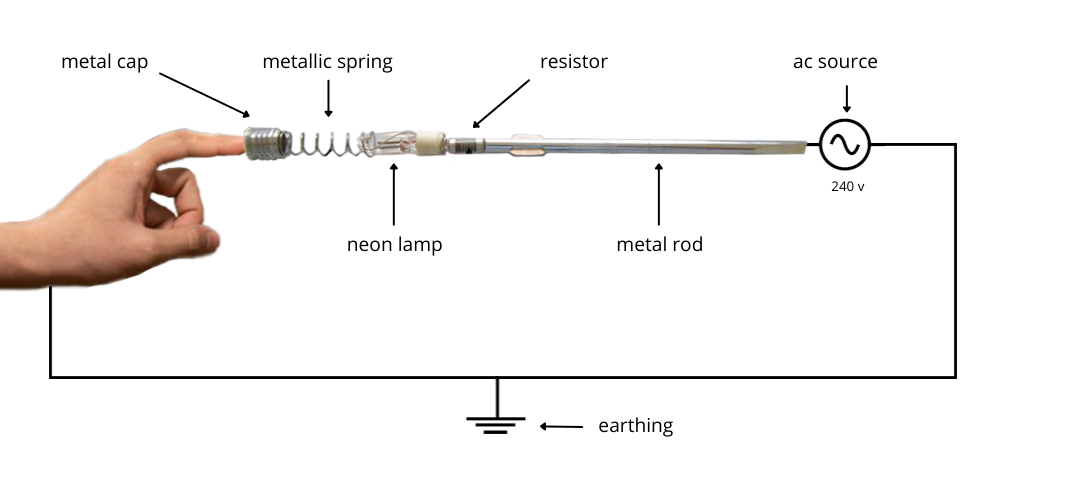
Credit: www.pressfitindia.com
Frequently Asked Questions
How To Use A Basic Circuit Tester?
To use a basic circuit tester, first, turn off the power supply. Connect the tester probes to the circuit’s terminals. Turn on the power and check the indicator light. A lit light means the circuit is live. Ensure safety by wearing insulated gloves and following all safety precautions.
What Is The Difference Between A Multimeter And A Circuit Tester?
A multimeter measures voltage, current, and resistance, offering detailed diagnostics. A circuit tester checks electrical current presence, identifying live wires. Multimeters provide comprehensive analysis, while circuit testers deliver quick, basic checks. Use multimeters for detailed electrical assessments and circuit testers for fast troubleshooting of electrical connections.
How To Test Wires With A Circuit Tester?
To test wires, first, ensure power is off. Connect the circuit tester’s probe to the wire. Touch the other end to a ground or terminal. If the light illuminates, the wire has power. This verifies if the wire is live or faulty.
Always follow safety precautions.
How To Test If A Circuit Tester Is Working?
Connect the circuit tester to a known live circuit. Ensure the tester lights up or beeps. Check both AC and DC settings if available. Test on multiple circuits for confirmation. If it doesn’t react, it might be faulty. Always follow safety precautions while testing electrical components.
Conclusion
Circuit testers are essential for safety and efficiency. They help identify electrical issues quickly. By using them, you can prevent potential hazards. Simple to operate, they offer peace of mind. Whether for home or work, they save time and effort.
Understanding their function is key for any DIY enthusiast. Remember to always follow safety guidelines while using them. Knowledge of circuit testers empowers you in handling electrical tasks. With practice, you’ll gain confidence in using these tools. Keep learning, and you’ll enhance your skills over time.