Have you ever struggled to find the perfect pair of gloves, only to end up with ones that are too tight or too loose? You’re not alone.
Understanding glove sizes can be a bit confusing, but it’s crucial for comfort and functionality. Imagine slipping on gloves that fit just right, allowing you to move your fingers freely while keeping them warm or protected. We’ll unravel the mystery of glove sizes, guiding you to find the ideal fit.
This knowledge will not only enhance your comfort but also boost your confidence, knowing you’ve chosen the best option for your hands. Keep reading to discover how simple it can be to find the perfect glove size for you.
Glove Sizing Basics
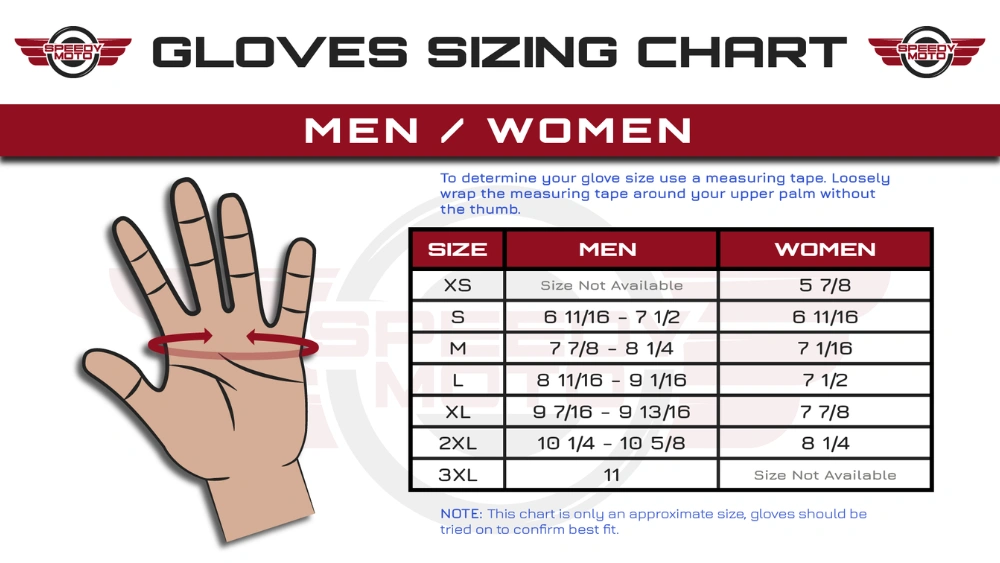
Understanding glove sizes ensures a comfortable fit. Sizes are usually based on the measurement of your hand’s circumference. Measure around the widest part of your palm, excluding the thumb, to determine your correct size.
When it comes to choosing the right pair of gloves, understanding glove sizing is crucial. Have you ever bought a pair, only to find them too tight or annoyingly loose? Glove sizes might seem straightforward, but they can be tricky. It’s like finding a perfect pair of shoes; size matters more than you think.Understanding Glove Sizes
Glove sizes are often determined by measuring the circumference of your hand. Grab a measuring tape and wrap it around the widest part of your hand, excluding the thumb. This measurement, usually in inches, correlates to glove sizes.Glove Size Charts
Many brands offer size charts to help you convert hand measurements into glove sizes. Here’s a simple example:| Hand Circumference (inches) | Glove Size |
|---|---|
| 6.5 – 7.5 | Small |
| 7.5 – 8.5 | Medium |
| 8.5 – 9.5 | Large |
The Importance Of Finger Length
Hand circumference isn’t the only factor. Finger length can also affect comfort. If your fingers are longer or shorter than average, you may need to adjust your size. Trying on gloves can help you find the right balance.Different Materials, Different Fits
Did you know that glove material can impact fit? Leather gloves may stretch over time, while synthetic materials might not. Consider how the glove will fit after a few uses, and choose accordingly.Why It Matters
A well-fitting glove ensures dexterity and comfort. Whether you’re skiing or working in the garden, the right size can prevent blisters and discomfort. Isn’t it worth taking a few extra minutes to measure your hand properly?Common Mistakes In Glove Sizing
Many people guess their size or rely on one-size-fits-all options. This often leads to ill-fitting gloves. Have you ever made this mistake? Avoid it by using a tape measure and consulting size charts.Understanding glove sizing basics can save you time and hassle. The next time you shop for gloves, remember these tips. Isn’t it satisfying to find a pair that fits just right?

Credit: www.stauffersafety.com
Measuring Your Hand
Understanding glove sizes starts with measuring your hand. Wrap a tape around your palm to find the circumference. This measurement helps determine the right size for comfort and fit.
Understanding glove sizes can seem tricky, but it’s much easier when you know how to measure your hand. Knowing your hand’s size ensures you pick gloves that fit perfectly. A good fit means better comfort and performance, whether you’re skiing, gardening, or handling delicate tasks.Hand Circumference
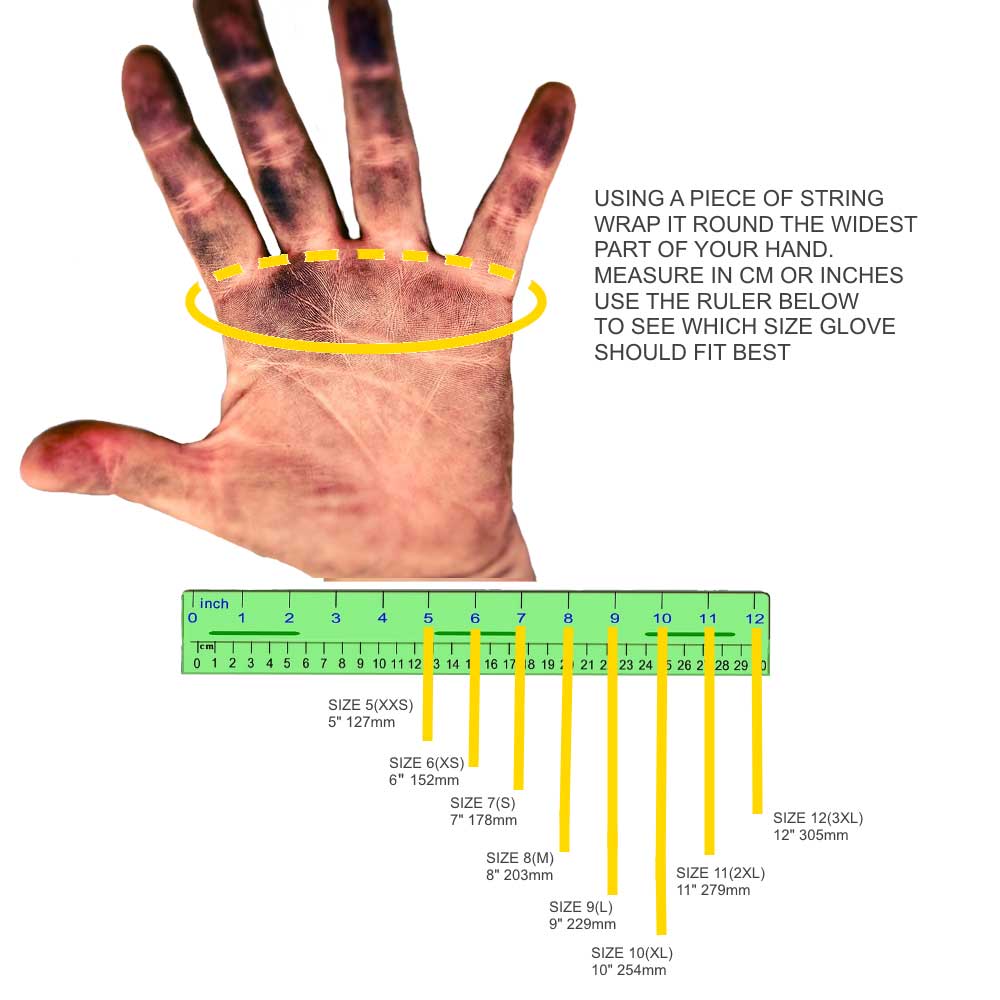
To start, grab a flexible tape measure, like the kind you find in sewing kits. Wrap it around the widest part of your hand, usually just below the knuckles, excluding your thumb. The measurement in inches or centimeters is your hand circumference. This number is essential for understanding glove sizes. Most glove charts will use this measurement to suggest your size. If you’re between sizes, consider how you plan to use the gloves. Tighter gloves may offer better control, while looser ones may provide more warmth.Hand Length
Next, measure the length of your hand. This means stretching the tape measure from the tip of your middle finger to the base of your palm. Make sure your hand is flat and your fingers are together for accuracy. This measurement helps ensure the glove covers your entire hand and fingers. A glove that’s too short can be uncomfortable and limit your movement. Remember, a well-fitting glove will help you perform tasks more effectively, whether you’re typing, driving, or hitting the slopes. When I first measured my hand, I was surprised to find I had been wearing the wrong size for years. Once I switched to the right size, my gloves felt much more comfortable and functional. Have you ever checked if you’re wearing the right glove size? It might be time to measure your hand and find out!Different Sizing Systems
Glove sizes can be confusing due to different systems used worldwide. Some measure in inches, others in letters like S, M, L. Proper fit ensures comfort and dexterity. Understanding these systems helps in selecting the right size for your hands.
When shopping for gloves, you might think it’s as simple as picking a size marked small, medium, or large. But glove sizes are more nuanced than that. Different regions have developed their own sizing systems, which can make choosing the right fit a bit tricky. Let’s dive into the most common sizing systems and how they differ.American Sizing
American sizing for gloves typically uses a numerical system based on the measurement of your hand in inches. This is done by measuring the circumference of your hand just below the knuckles, excluding the thumb. If your hand measures 7 inches, you might wear a size 7 glove. This system is straightforward but requires a tape measure. You may have borrowed one from a friend or fumbled with a cloth tape measure from a sewing kit. It’s important to measure both hands, as they can be slightly different sizes.European Sizing
European sizing follows a different approach, often listed in centimeters rather than inches. This system also measures the circumference around the widest part of your hand, excluding the thumb. A 20 cm measurement would generally equate to a size 8 in European sizing. This method might seem more precise due to the use of centimeters. However, it can be confusing if you’re used to the American system. Consider using an online converter for a quick translation between inches and centimeters.Asian Sizing
Asian glove sizing tends to run smaller than American and European sizing. This system often incorporates both numerical and letter sizing. A small in Asian sizing might fit like an extra-small in American terms. You might recall trying on gloves labeled with an unfamiliar size and feeling surprised by the snug fit. This is why checking the sizing chart specific to the brand or region is crucial. It ensures that you get the most comfortable and accurate fit for your hands. Navigating different sizing systems can seem daunting. But understanding these distinctions helps you find the perfect pair of gloves, no matter where they are made. What has been your experience with glove sizing? Have you found a particular system that works best for you?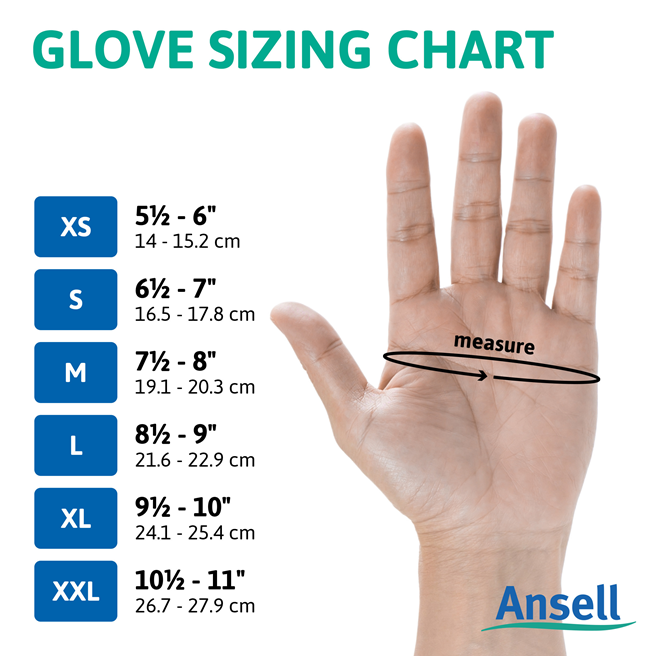
Credit: shop.ansell.com
Materials And Fit
Understanding glove sizes is crucial for comfort and functionality. Different materials offer unique fits, impacting how a glove feels and performs. Choosing the right material ensures the glove provides the best fit and serves its purpose effectively.
Leather Gloves
Leather gloves offer a snug fit due to their ability to stretch. They mold to the shape of your hand over time. This natural material ensures durability and flexibility. Leather gloves are often chosen for their stylish appearance. They are ideal for formal occasions and casual wear.
Fabric Gloves
Fabric gloves provide a softer, more relaxed fit. They are often made from cotton, wool, or fleece. These materials are great for warmth and comfort. Fabric gloves are popular for everyday use. They are easy to wear and maintain.
Synthetic Gloves
Synthetic gloves are made from materials like nylon and polyester. They offer a lightweight and flexible fit. These gloves are often water-resistant and durable. Synthetic options are perfect for outdoor activities. Their design caters to functionality and ease of movement.
Common Fit Issues
Finding the right glove size can be tricky. Many experience common fit issues. These problems affect comfort and usability. Understanding them helps make better choices.
Tight Fit
Tight gloves restrict movement. Fingers feel cramped. Blood circulation decreases. Hands may become numb. This can lead to discomfort. It affects tasks like typing or driving.
Loose Fit
Loose gloves slide off easily. Grip becomes weak. Objects may slip from your hand. Activities become challenging. A loose fit impacts safety. Tasks like cooking or handling tools become risky.
Finger Length Problems
Finger length issues are common. Fingers might feel squeezed or excess material folds. This affects dexterity. It’s tough to perform delicate tasks. Typing or playing instruments becomes difficult.
Credit: www.glovesnstuff.com
Choosing The Right Size
Finding the perfect glove size is crucial for comfort and function. Ill-fitting gloves can hinder performance and cause discomfort. With the right size, gloves enhance your experience, whether you’re working or enjoying a hobby.
Purpose Of Use
Consider the main purpose of the gloves. For sports, precise fit ensures better grip and agility. Work gloves need durability and protection, so a snug fit is vital. Fashion gloves should balance style with comfort. Each type requires specific sizing considerations.
Personal Comfort
Comfort is key in choosing glove size. Too tight, and movement restricts; too loose, and it slips off. Measure your hand’s circumference with a flexible tape measure. Check the size chart for accurate results. Try different brands, as sizes may vary slightly.
Remember, the right size enhances comfort and function. Prioritize both when selecting gloves.
Caring For Your Gloves
Understanding glove sizes is essential for a comfortable fit. Sizes are often based on hand circumference measured around the widest part, excluding the thumb. Properly fitted gloves enhance performance and prevent discomfort during use.
Caring for your gloves is essential to ensure they last longer and remain effective. Whether you use them for gardening, sports, or fashion, proper maintenance keeps them in good shape. You’d be surprised how a little attention can extend their lifespan significantly.Cleaning Tips
Keeping your gloves clean can be straightforward. Check the label for washing instructions, as some materials require special care. For leather gloves, use a damp cloth and mild soap, and avoid soaking them in water. For fabric gloves, a gentle machine wash on a cold cycle works well. Consider using a mesh laundry bag to prevent any damage. Air dry them completely before storing to avoid mold and odor.Storage Advice
Storing your gloves properly prevents unnecessary wear and tear. Avoid cramming them into tight spaces, as this can deform their shape. Instead, lay them flat or use glove clips to hang them. For leather gloves, keep them away from direct sunlight, which can cause fading and drying out. A drawer with a cedar block can help keep them fresh and deter pests. How do you usually store your gloves? Could a small tweak in your routine make a big difference? Taking these steps isn’t just about maintenance—it’s about valuing the items that serve you daily. By caring for your gloves, you’re not only prolonging their life but also ensuring they continue to perform at their best.Frequently Asked Questions
How Do I Know My Glove Size?
Measure the circumference of your hand around the knuckles, excluding the thumb. Use a tape measure for accuracy. Compare the measurement to a glove size chart to find your size. Ensure the gloves fit snugly but comfortably for optimal use.
How Big Are Size 7 Gloves?
Size 7 gloves typically have a circumference of about 7 inches around the palm. They fit medium-sized hands and provide a snug feel for most users. Ensure you measure your hand correctly to find the perfect fit.
What Size Is A 7 Inch Hand?
A 7-inch hand typically measures from the base of the palm to the tip of the middle finger. It’s considered average for adults. Hand sizes can vary based on gender, age, and genetics. Knowing your hand size helps in choosing gloves and ergonomic tools for comfort and functionality.
What Size Is 9.5 In Gloves?
A 9. 5 glove size typically corresponds to a large or extra-large fit. It measures about 10. 5 inches in circumference around the knuckles. Proper fit ensures comfort and dexterity. Always check sizing charts for brand-specific differences.
Conclusion
Understanding glove sizes is essential for a good fit. Proper fit ensures comfort and protection. Measure your hand carefully. This helps in choosing the right size. Consider the material and style, too. Different activities may need different gloves. Try several pairs to find the best one.
Remember, a well-fitting glove improves performance. It also prevents discomfort or injury. Always check sizing charts for accuracy. With these tips, selecting gloves becomes simple. Enjoy a comfortable and secure fit every time.