Have you ever found yourself struggling with assembling furniture or working on your car, only to wonder if the bolts are tight enough? Using a torque wrench can make a world of difference in ensuring that everything is securely fastened without over-tightening.
Understanding how to use this handy tool can save you from future headaches and potential damages. You might think it’s complicated, but it’s easier than you imagine. By the time you finish reading, you’ll feel confident and ready to tackle your next project with precision and ease.
Let’s unlock the secrets of the torque wrench together, so you can work smarter, not harder.
What Is A Torque Wrench?
A torque wrench tightens nuts and bolts to a specific tension. To use it, set the desired torque level, then apply force until you hear a click or feel resistance. This ensures parts are secured without over-tightening.
Have you ever wondered how mechanics ensure nuts and bolts are tightened just right? The secret tool they rely on is the torque wrench. It’s a handy device designed to apply a specific amount of force to a fastener, ensuring everything is securely tightened without causing damage. If you’re diving into the world of DIY repairs or just curious about tools, understanding the torque wrench is essential. Let’s explore what makes this tool so valuable.Understanding The Purpose Of A Torque Wrench
A torque wrench is not your average tool. It’s specifically crafted to measure and control the torque applied to nuts and bolts. This precision ensures that components are fastened correctly, which is crucial in preventing mechanical failures. Imagine putting together a bike or fixing an engine; using a torque wrench ensures the parts stay intact and function safely. There are different types of torque wrenches available, each serving specific needs. The most common types include: – Click Type: Emits a clicking sound when the set torque is reached. Perfect for beginners. – Beam Type: Simple and cost-effective, using a pointer to indicate torque. – Digital: Provides an accurate digital readout, ideal for high-precision tasks. Each type has its pros and cons, and your choice depends on the task at hand and your comfort level with technology.Importance Of Calibration
Calibration is critical to a torque wrench’s accuracy. Over time, these tools can drift from their set measurements, leading to incorrect readings. Regular calibration ensures your wrench provides accurate torque levels. Consider the wrench like a musical instrument; without tuning, it won’t perform as expected. So, how often do you check if your tools are in tune?Personal Experience: Learning The Hard Way
Once, I skipped using a torque wrench while fixing my car’s brake system. I thought hand-tightening was enough. Soon after, I felt a wobble while driving. A mechanic later confirmed the bolts weren’t tight enough. That experience taught me the importance of precision and why a torque wrench is indispensable.Why Every Diy Enthusiast Should Own One
A torque wrench is a game-changer for any DIY enthusiast. It brings accuracy and safety to your projects. Without it, you risk over-tightening or under-tightening, both of which can lead to costly mistakes. Owning a torque wrench means you can tackle projects confidently and professionally, ensuring long-lasting results. Isn’t it time you added one to your toolkit?Types Of Torque Wrenches
Understanding the different types of torque wrenches can make your mechanical tasks smoother and more efficient. Have you ever found yourself fumbling with the wrong tool, wishing you had something more precise? Knowing which torque wrench to use can save you time and energy, especially when working on projects that demand accuracy. Let’s dive into the various types of torque wrenches and find out which one might suit your needs best.
Beam Torque Wrench
The beam torque wrench is perhaps the most straightforward tool in this category. It utilizes a simple design with a scale and a pointer. As you apply force, the pointer moves across the scale, indicating the torque level. Imagine you’re tightening a bolt on your bicycle; a beam torque wrench lets you see exactly how much force you’re applying. It’s reliable for tasks where you need a visual confirmation of torque.
Click Torque Wrench
The click torque wrench is popular for its satisfying click sound when the desired torque is reached. This audible cue prevents over-tightening, which can be a lifesaver when working on delicate machinery. Picture yourself assembling a car engine; the click lets you know you’ve hit the sweet spot. It’s ideal for precision work where feeling or hearing the torque is crucial.
Digital Torque Wrench
Digital torque wrenches bring technology into the mix with a digital display showing the exact torque value. They offer high precision and often come with features like memory settings and alerts. Consider using one when working on complex engineering projects where accuracy is key. Are you ready to embrace a tech-savvy approach? This wrench might be your new best friend.
Dial Torque Wrench
The dial torque wrench provides a clear and easy-to-read dial that shows the torque measurement. It’s a great tool for applications requiring precise adjustments. Think about calibrating sensitive equipment; a dial torque wrench allows you to see the exact measurement without guesswork. Does your task demand pinpoint accuracy? This wrench can help you achieve it effortlessly.
Choosing the right torque wrench can significantly impact the quality of your work. Have you determined which type aligns best with your project needs? Consider the nature of your tasks and the level of precision required. This understanding can transform your approach to mechanical work, making it more efficient and rewarding.
Choosing The Right Torque Wrench
Choosing the right torque wrench can make a big difference in your work. It ensures proper tension and safety in your projects. With various types available, understanding what fits your needs is essential.
Understanding Torque Requirements
Know the torque needs of your task. Different jobs require different levels. Check the specifications of the bolts or nuts you will work with. This helps in selecting a wrench that meets those needs. Proper torque prevents damage and ensures safety.
Size And Range Considerations
Consider the size and range of the wrench. Torque wrenches come in various sizes. Choose one that fits the size of the fasteners you will tighten. The range is equally important. Make sure the wrench can handle the torque you need. A wrench with a wide range offers more flexibility.
Quality And Brand Factors
Look for quality and brand reliability. A well-made torque wrench lasts longer. Trusted brands often provide better durability and accuracy. Check user reviews and ratings. This helps in understanding the reliability of different brands. Investing in quality ensures precise results.
Credit: www.toolstop.co.uk
Calibrating Your Torque Wrench
Calibrating your torque wrench might seem like a daunting task, but it’s essential for ensuring accurate measurements. Imagine you’re tightening a bolt on your car wheel. If your wrench isn’t calibrated correctly, you might unknowingly under or over-tighten, leading to potential safety issues. Calibration is all about precision and reliability, making sure every turn counts.
Importance Of Calibration
Why is calibration so crucial? Well, think of your torque wrench as your trusty sidekick. Without proper calibration, it can’t perform at its best. You risk compromising the integrity of your work. Imagine having a wrench that’s always off by 10% – it’s like a compass leading you slightly astray each time. Precision in calibration means your wrench will deliver the exact force needed, safeguarding the longevity and safety of your projects.
Steps To Calibrate
Calibrating a torque wrench might sound technical, but it can be straightforward. Here’s a simple guide:
- Gather Your Tools:You’ll need a calibration device, a bench vise, and your torque wrench.
- Secure the Wrench:Place your wrench in the bench vise, ensuring it’s steady and secure.
- Attach the Calibration Device:Connect your wrench to the calibration device. This tool will measure the accuracy of your wrench.
- Test and Adjust:Apply force and check the readings. Adjust the wrench settings until the readings align perfectly.
Once calibrated, test it out on a simple task. Feel the difference in precision? It’s like having a sixth sense for mechanical work. Calibration isn’t just a task; it’s a commitment to quality.
Have you ever thought about the unseen errors in your work caused by a miscalibrated tool? Taking the time to calibrate ensures your craftsmanship stands the test of time. When’s the last time you checked your wrench’s calibration? Maybe today’s the day.
Proper Torque Wrench Usage
Using a torque wrench correctly ensures the longevity of your equipment. It prevents damage and maintains safety. Proper torque wrench usage involves several key steps. Understanding these steps helps you achieve precise results. Each step ensures effective and accurate application.
Setting The Torque Level
Begin by setting the torque level on your wrench. Check the manufacturer’s specifications. Use the dial or digital display to set the desired torque. Ensure the wrench is calibrated properly. A miscalibrated wrench can lead to incorrect torque application.
Applying Even Pressure
Apply even pressure when using the torque wrench. Hold the wrench firmly. Turn smoothly without jerking. This prevents damage to the bolt or screw. Even pressure ensures accurate torque application. It helps avoid over-tightening or under-tightening.
Avoiding Common Mistakes
Several common mistakes can occur with torque wrench use. Do not use the wrench to loosen bolts. This can damage the wrench. Always check the calibration before use. Avoid using a damaged wrench. Ensure the wrench is in good condition. Proper usage prevents costly errors and equipment damage.
Maintenance And Care
Proper use of a torque wrench ensures safe and accurate tightening of bolts and nuts. Start by setting the desired torque value, then turn until it clicks. Regular calibration and cleaning improve its lifespan and performance.
Maintaining and caring for your torque wrench is essential to ensure its longevity and accuracy. Proper maintenance not only keeps the tool in optimal condition but also guarantees that your measurements remain precise. Neglecting this aspect can lead to costly mistakes and even damage to your projects. Let’s dive into how you can keep your torque wrench in top shape.Cleaning Tips
After using your torque wrench, always take a moment to clean it. Use a soft, dry cloth to wipe away any dirt, grease, or residue. For stubborn grime, a damp cloth with mild soap can do wonders, but ensure you dry it thoroughly afterward to prevent rust. Avoid submerging the wrench in water or using harsh chemicals. These can damage the delicate components and affect the wrench’s accuracy. A clean torque wrench is not just about appearance; it’s about ensuring every part functions smoothly.Storage Recommendations
Where and how you store your torque wrench can greatly influence its lifespan. Always store it in a cool, dry place to prevent moisture and rust from creeping in. A dedicated case or toolbox with a padded interior is ideal. Before storing, make sure the wrench is set to its lowest setting. This relieves tension on the internal spring, preserving its accuracy. Have you ever found a forgotten tool in a damp shed, only to discover it’s rusted beyond use? Proper storage prevents such heartaches.Regular Inspection
Set a routine to inspect your torque wrench regularly. Check for any signs of wear, like cracks in the handle or misalignment. A quick visual inspection can catch potential problems before they escalate. Test the calibration periodically, especially if the wrench has taken a hard fall or been used extensively. Many manufacturers recommend recalibration every 5,000 cycles or once a year. Is your wrench delivering the precise torque you expect? Regular checks can provide peace of mind. Caring for your torque wrench doesn’t have to be time-consuming or complicated. With a few simple practices, you can extend its life and ensure it remains a reliable part of your toolkit. Remember, a well-maintained tool is a joy to use and a testament to your commitment to quality work.Troubleshooting Common Issues
Using a torque wrench correctly prevents damage. Begin by setting the desired torque level. Apply steady pressure until you hear a click, indicating the correct torque is reached. Regular checks and calibration ensure accuracy.
Using a torque wrench can be a breeze, but like any tool, it comes with its quirks. Understanding and troubleshooting common issues can save you time and frustration. Let’s dive into some frequent problems you might encounter and how to tackle them effectively.Inaccurate Readings
One common issue is inaccurate readings. This can lead to under-tightening or over-tightening bolts, which can cause serious issues. Have you ever tightened a bolt, only to find it still feels loose? It might be due to inaccurate calibration. Ensure your torque wrench is calibrated annually. You can also check the manual for specific instructions on calibration. Storing it properly can prevent this issue. Keep it in a protective case to avoid knocks and drops that could affect accuracy.Sticking Mechanism
A sticking mechanism can be frustrating, especially when you’re in the middle of a job. If your wrench feels sticky or doesn’t click smoothly, it may need some attention. Clean the wrench regularly to remove dirt or grime that might cause sticking. Lubricate the moving parts with a light machine oil. A smooth click ensures you’re applying the correct torque, and it gives you confidence in your work.Handle Problems
Handle problems can range from discomfort in use to slipping. If you’ve ever felt like your wrench isn’t as comfortable as it should be, it could be a handle issue. Check if the handle is securely attached and not loose. A loose handle can affect your grip and lead to uneven torque application. Consider using a wrench with a rubberized grip for more comfort. It can make a significant difference, especially during prolonged use. Have you encountered these issues with your torque wrench? Remember, regular maintenance can significantly extend the life of your tool and improve your work’s quality. Keep your wrench in top shape, and it will serve you well for years to come.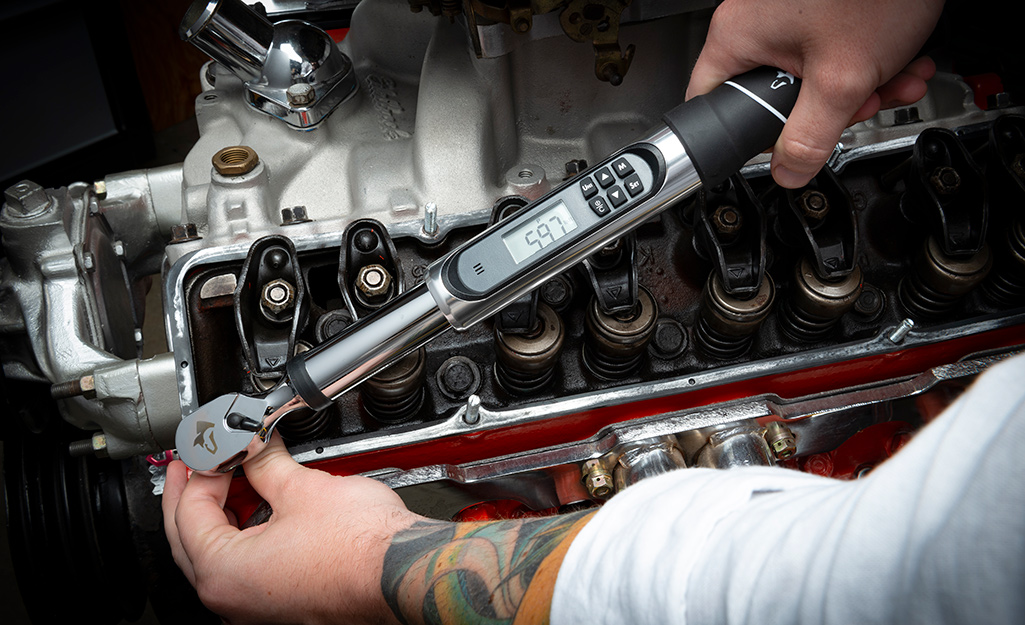
Credit: www.homedepot.com
Benefits Of Using A Torque Wrench
Using a torque wrench is not just about tightening bolts. It’s about precision, safety, and preserving the life of your equipment. You might not realize it, but every time you tighten a bolt without the correct torque, you could be putting yourself and your machinery at risk. Discover how a torque wrench can make a difference in your projects and why it’s a tool worth investing in.
Enhanced Safety
Imagine working on your car and suddenly, a wheel comes loose while driving. Scary, right? A torque wrench ensures bolts are tightened to the manufacturer’s specifications, preventing such mishaps. It reduces the risk of over-tightening, which can lead to equipment failure or accidents.
Have you ever felt the anxiety of not knowing if a bolt is tight enough? A torque wrench eliminates this uncertainty, giving you peace of mind. It’s about knowing your work is safe and reliable.
Improved Performance
Using a torque wrench can significantly boost the performance of your equipment. Properly tightened bolts mean parts fit together perfectly, ensuring smooth operation. Think about the difference between a smoothly running engine and one that’s sputtering due to loose components.
Ever watched a friend struggle with equipment that just doesn’t work right? Often, the issue is poorly tightened bolts. A torque wrench helps you avoid these performance pitfalls, making sure everything works like it should.
Longevity Of Equipment
Every time you over-tighten a bolt, you risk damaging threads and components. This wear and tear can shorten the lifespan of your equipment. A torque wrench helps you maintain the integrity of your machinery, saving you money in the long run.
Think about it: would you rather replace parts frequently or have your equipment last for years? With a torque wrench, you ensure that your investment remains in top condition for longer.
So, why take chances with your safety and your equipment? A torque wrench is an investment in precision, performance, and peace of mind. Have you considered adding one to your toolkit yet?

Credit: www.wikihow.com
Frequently Asked Questions
How Many Clicks For A Torque Wrench?
A torque wrench doesn’t have clicks; it emits a click sound when the desired torque is reached. This click indicates you’ve achieved the correct setting. Always follow the manufacturer’s instructions for accuracy and safety.
What Are Three Rules Of Torque Wrenches?
Always use the correct torque setting for your task. Regularly calibrate your torque wrench for accuracy. Store it at its lowest setting to maintain its precision.
Do You Hand Tighten Before Using A Torque Wrench?
Yes, always hand tighten the bolt or nut before using a torque wrench. This ensures proper alignment and prevents cross-threading. Hand tightening provides initial stability, making the torque application more accurate and effective.
How To Use A Torque Wrench For Lug Nuts?
Set your torque wrench to the manufacturer’s recommended setting. Tighten lug nuts in a crisscross pattern. Listen for the click sound, indicating the correct torque is reached. Double-check all nuts for consistency. Avoid over-tightening to prevent damage.
Conclusion
Using a torque wrench correctly improves safety and accuracy. Always check the wrench settings. Keep the tool clean and stored properly. Practice will make the process smoother. Remember, precision is key when tightening bolts. Review instructions before starting any project.
A torque wrench is an essential tool for many jobs. Handle it with care. Follow safety guidelines to prevent injuries. Use the wrench confidently. Apply these tips every time. You’ll soon master its use. Keep learning about tools. This will enhance your skills greatly.
Happy wrenching!