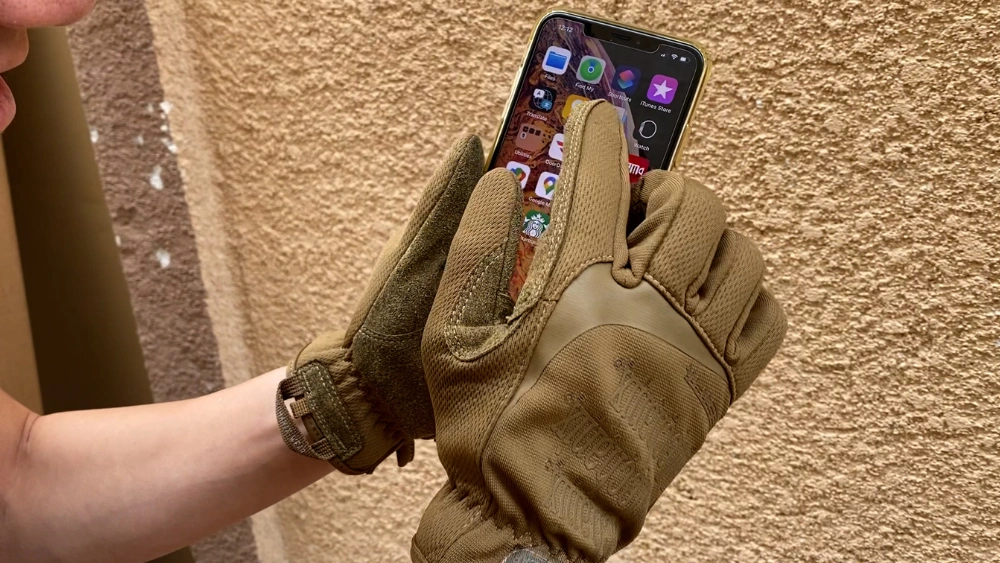
Ever found yourself in the freezing cold, trying to send a text or check a map, but your smartphone just won’t respond to your touch? You’re definitely not alone.
Touch screen gloves have become a winter essential for many, but do you really know how they work? Understanding the simple yet fascinating technology behind these gloves can change the way you see this everyday accessory. Imagine never having to choose between keeping your hands warm and staying connected again.
You’ll be surprised by how a small tweak in glove design can offer you the seamless tech experience you crave. Curious about how these gloves bridge the gap between warmth and technology? Keep reading to uncover the secret behind this winter wonder.
Materials Used
Touch screen gloves are a marvel of modern technology. They let you use your smartphone without removing your gloves. The secret lies in the materials used. These materials allow electrical signals to pass through, ensuring seamless interaction with touch screens.
Conductive Fibers
Conductive fibers are the heart of touch screen gloves. They are woven into the glove material. These fibers carry electric signals from your hand to the screen. Common materials include copper and silver. These metals conduct electricity well. This ensures touch sensitivity remains high. Conductive fibers are often mixed with regular fibers. This gives the gloves a normal look and feel.
Insulating Layers
Insulating layers play a key role in touch screen gloves. They prevent electrical interference from the environment. These layers keep the conductive fibers safe. They also ensure the gloves are comfortable to wear. Materials like polyester or fleece are common. They provide warmth and insulation. This makes the gloves suitable for cold weather. The insulating layers also add durability. They help the gloves last longer.

Credit: m.youtube.com
Conductive Technology
Touch screen gloves work by using conductive materials. These materials mimic the electrical conductivity of human skin. This allows the gloves to interact with touch screen devices seamlessly.
Imagine you’re outside on a chilly morning. Your phone buzzes with a message, and you fumble with your gloves, struggling to respond. Touchscreen gloves save the day with their conductive technology. This innovation allows you to keep your gloves on while still interacting with your device.Capacitive Touchscreen Interaction
Capacitive touchscreens are the most common in smartphones. They work by detecting the electrical properties of your skin. When you touch the screen, it senses the change in its electrical field. But how do gloves fit into this? Normal gloves block this interaction because they don’t conduct electricity. Touchscreen gloves are different. They have special materials in the fingertips that mimic the conductivity of your skin. Next time you wear these gloves, notice how effortlessly they work with your device. Isn’t it fascinating how a tiny material change can make such a difference?Role Of Electrical Conductivity
Electrical conductivity is the secret sauce in touchscreen gloves. Materials like silver-coated nylon threads are woven into the fabric. These threads conduct electricity, creating a bridge between your fingers and the screen. Think of it as an invisible handshake. Your gloves and the screen communicate smoothly thanks to this conductivity. This simple yet effective design lets you stay warm without missing important notifications. Have you ever wondered why some gloves work better than others? It often boils down to the quality and placement of the conductive threads. A well-designed glove ensures even the smallest touch registers correctly. In your experience, which brands have you found most reliable? Sharing your thoughts can help others make smarter choices.Design And Functionality
Touchscreen gloves are a marvel of modern design and functionality. They let you use your smartphone without freezing your fingers off in the winter chill. But have you ever wondered how they work? The secret lies in their clever design, which blends innovation with practicality. Let’s dive into the fascinating world of touchscreen gloves and discover how they are crafted to keep you connected, warm, and stylish.
Integration Of Conductive Elements
At the heart of touchscreen gloves is the integration of conductive elements. These elements are strategically woven into the fabric, usually at the fingertips. This is where the magic happens. Conductive materials, such as copper or silver thread, mimic the electrical conductivity of human skin. When you touch your screen, these materials enable the flow of electrons, registering your touch just like your bare finger would.
Imagine you’re outside on a cold day, trying to send a text. Without conductive elements, you’d have to remove your gloves and expose your fingers to the icy wind. With touchscreen gloves, the conductive elements ensure you stay warm while maintaining your connection with the digital world. They are your invisible allies in the battle against the cold.
Balancing Warmth And Touch Sensitivity
Finding the right balance between warmth and touch sensitivity is crucial in designing touchscreen gloves. You need gloves that are warm enough to protect against the cold but thin enough to allow precise touch interaction. This is achieved through innovative layering techniques.
Many touchscreen gloves feature a thin layer of conductive material on the fingertips, while the rest of the glove is made of a thicker, insulating fabric. This design ensures that the gloves provide adequate warmth without compromising touch sensitivity. Picture yourself in a pair of gloves that are too thick; you’d struggle to type out even a simple message. Thin yet warm gloves solve this problem.
Have you ever found yourself frustrated with gloves that just don’t seem to work right? Perhaps they are too bulky or fail to register your touch accurately. In touchscreen gloves, every detail counts. Designers focus on creating a seamless experience, where warmth and touch sensitivity harmoniously coexist.
So next time you’re shopping for touchscreen gloves, ask yourself: Are they designed with both warmth and functionality in mind? You deserve gloves that keep you comfortable without sacrificing your ability to stay connected.
Types Of Touch Screen Gloves
Touch screen gloves are a winter essential for tech-savvy individuals. They allow users to interact with devices without exposing their hands to the cold. Not all touch screen gloves are created equal, though. Different types offer various levels of functionality and comfort. Understanding these types can help you choose the best pair for your needs.
Full Finger Conductivity
Full finger conductive gloves have special material woven throughout. This allows the entire glove to interact with touch screens. You can use any finger to swipe, tap, or scroll. These gloves provide more flexibility in use. Ideal for those who need constant interaction with devices. They offer seamless connectivity across all fingers.
Partial Conductive Tips
Partial conductive tip gloves have specific areas that interact with screens. Typically, only the fingertips are conductive. These gloves require precise movements to use touch screens. They are often more affordable due to limited conductive material. Suitable for basic tasks, like answering calls or checking messages. They offer a budget-friendly option for occasional device use.
Advantages And Limitations
Touchscreen gloves offer the convenience of using devices without removing gloves in cold weather. They work by incorporating conductive materials that mimic the touch of human skin. Limitations include reduced sensitivity and accuracy compared to bare fingers, affecting precise interactions with smaller screens.
Touch screen gloves have become a staple accessory for tech-savvy individuals who want to stay connected without sacrificing warmth. These gloves are designed to allow you to use your smartphone or tablet in cold weather, but they come with their own set of advantages and limitations. Understanding these can help you make an informed choice about whether they’re right for you.User Experience
Touch screen gloves offer an enhanced user experience by allowing you to operate your devices seamlessly. Imagine standing at a bus stop on a chilly day. You want to check your emails or scroll through social media without removing your gloves. These gloves make it possible to swipe, tap, and type with ease. However, the accuracy can vary depending on the design and material. Some gloves might not provide the precision you’re used to with bare fingers. This can be frustrating if you’re trying to send a quick text or navigate through apps. Consider trying different brands to find the best fit for your needs.Challenges In Cold Weather
While touch screen gloves are great for staying connected, they might not offer the warmth you expect. The material used for touch functionality sometimes compromises insulation. You might find your fingertips getting cold faster than usual. Think about how this affects your daily routine. Are you willing to sacrifice some warmth for the convenience of using your phone? If you’re someone who spends a lot of time outdoors in freezing temperatures, this is a crucial consideration. Balancing warmth and functionality is key. Ultimately, touch screen gloves are a handy solution, but they’re not without their trade-offs. Would you prioritize connectivity over comfort? Understanding these aspects can help you decide whether these gloves are worth adding to your winter wardrobe.
Credit: www.youtube.com
Innovations And Future Trends
Touch screen gloves use conductive materials that mimic the electrical conductivity of human skin. These materials are woven into glove fingertips, allowing interaction with screens. They balance warmth and functionality, making them ideal for cold weather use with smartphones or tablets.
Touch screen gloves have revolutionized how we interact with our devices during cold weather. As technology advances, so do the materials and methods used to create these gloves. This section explores the innovations and future trends in touch screen gloves, focusing on advanced materials and smart glove technologies.Advanced Materials
The heart of touch screen gloves lies in the materials used. Traditional gloves use fabrics that don’t conduct electricity, but touch screen gloves integrate conductive materials. One popular choice is conductive thread, often made of silver, woven into the fingertips. This allows you to swipe and tap just like your bare fingers. Newer innovations include graphene, a highly conductive and flexible material. Imagine gloves that feel like a second skin yet allow seamless interaction with your phone. These materials also improve the durability and comfort of gloves. Have you ever worn gloves that feel bulky or cumbersome? Advanced materials aim to solve that, providing both functionality and style.Smart Glove Technologies
Smart gloves are pushing boundaries by integrating technology directly into the fabric. Features like Bluetooth connectivity and sensors can track your hand movements or control devices. Consider gloves that let you answer calls with a flick of your wrist. Or imagine controlling your smart home devices by simply swiping your fingers in the air. These gloves can even provide feedback. Think of a glove vibrating to alert you of notifications. This could change how you stay connected without constantly checking your phone. What does the future hold for touch screen gloves? Could we see gloves that charge your devices as you wear them? As technology evolves, the possibilities are endless. With each innovation, touch screen gloves become more than just accessories. They transform into essential tools for everyday life. What features would you want in your next pair of gloves?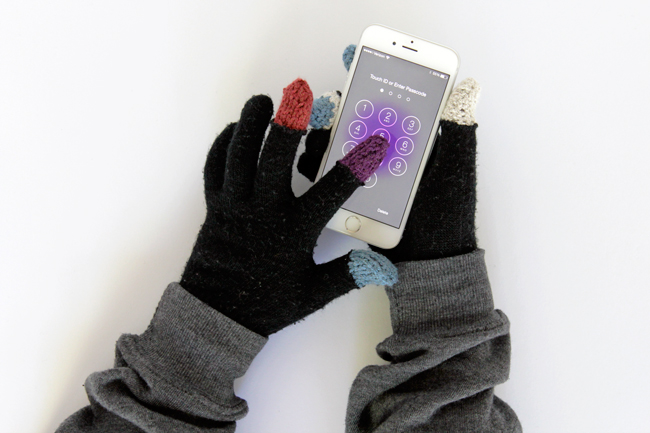
Credit: www.handsoccupied.com
Frequently Asked Questions
Why Do Touchscreens Not Work With Gloves?
Touchscreens require direct skin contact to register touch. Gloves block the electrical signals, preventing interaction. Special touchscreen gloves with conductive materials can resolve this issue, allowing users to operate devices without removing gloves.
How To Make Your Gloves Work On A Touch Screen?
Use touchscreen-compatible gloves or apply a conductive solution to fingertips. Ensure fingers make direct contact with the screen.
How Do Touch Screens Work With Only Fingers?
Touch screens detect finger touch using capacitive technology. They sense electrical changes caused by your finger. This allows precise input without pressure. Special sensors measure these changes to identify touch location and actions. Fingers conduct electricity, making them ideal for capacitive screens, ensuring responsive and accurate interaction.
Do Touchscreen Gloves Work?
Yes, touchscreen gloves work by using conductive materials. They allow you to interact with screens while keeping hands warm. These gloves have special fingertips that mimic skin’s electrical conductivity. Always check compatibility with your device for optimal performance.
Conclusion
Touch screen gloves bring convenience in cold weather. Their special fibers let you use devices without removing gloves. Now, texting outside is easy and comfortable. These gloves combine warmth with technology. A simple yet effective solution. No more chilly fingers while scrolling.
Perfect for winter gadget lovers. Choose the right pair for your needs. Check compatibility with your device. Enjoy technology without the cold. Stay connected and warm.