Are you ready to tackle your next woodworking project but unsure how to drill that perfect hole in wood? You’re not alone!
Drilling into wood might seem simple, but without the right technique, you could end up with splinters, uneven holes, or worse, a damaged piece of wood. Imagine the satisfaction of effortlessly creating clean, precise holes every time. That’s exactly what you’ll achieve when you learn the secrets we’re about to reveal.
This guide is crafted to empower you with practical, easy-to-follow steps that will transform your DIY skills. Ready to discover how to drill like a pro? Keep reading, and unlock the key to mastering this essential woodworking skill.
Choosing The Right Drill
Selecting the right drill ensures precise holes in wood. Consider drill size and type for the best results. Proper technique, including steady pressure and correct speed, guarantees smooth and clean holes.
Choosing the right drill is crucial when you’re about to drill a hole in wood. Your choice can affect not only the ease of the task but also the quality of the outcome. Imagine spending time on a project only to find the hole is splintered or uneven. Let’s ensure that doesn’t happen to you.Types Of Drills
There are several types of drills, each with its unique features. A corded drill offers consistent power, making it ideal for heavy-duty tasks. On the other hand, a cordless drill gives you the freedom to move around without being tethered to an outlet. If you’re like me and enjoy versatility, consider a hammer drill. It can tackle wood and masonry alike. But for most wood drilling tasks, a standard drill will suffice.Drill Bit Selection
Choosing the right drill bit is just as important as selecting the drill itself. A twist bit is great for general-purpose drilling in wood. It’s likely the one you’ll use most often. For larger holes, a spade bit or a hole saw will do the trick. These bits can cut wider diameters with ease. Remember to check the sharpness of the bit before you start. A dull bit can cause splintering or damage to your wood. Think about the last time you struggled with a dull bit—it’s not something you want to repeat. Always have a couple of spare bits on hand, just in case. When you’ve got the right drill and drill bit, you’re more than halfway to drilling the perfect hole. What projects will you tackle with this newfound knowledge?Preparing The Wood
Drilling a hole in wood requires selecting the right drill bit and marking the spot to drill. Ensure the wood is secure using clamps to avoid movement. Apply steady pressure and maintain a consistent speed for a clean, precise hole.
Drilling a hole in wood might seem straightforward, but preparing the wood properly is crucial for achieving a clean and precise result. Whether you’re a seasoned DIY enthusiast or a woodworking novice, taking the time to prepare the wood can make all the difference in your project. Let’s dive into the essential steps you need to take before you get started with drilling.Marking The Drill Spot
Begin by determining exactly where you want the hole. Use a pencil to make a clear mark on the wood surface. Consider the purpose of the hole and ensure it’s positioned correctly. A simple trick is to use a template or a ruler to measure and mark evenly spaced spots. This ensures consistency and accuracy in your drilling. Ask yourself: Is this spot optimal for my project’s design and functionality? Taking a moment to reflect can save you from costly mistakes.Securing The Wood
Once you’ve marked the drill spot, it’s time to secure the wood. This step prevents movement that could lead to uneven drilling or injury. Use clamps to hold the wood firmly in place. If you’re working with a smaller piece, a vise might be more effective. Ensure the wood is stable and doesn’t wobble. Consider the surface you’re working on. Is it strong enough to withstand pressure from the drill? Ensuring a solid foundation can enhance your control and precision. By following these simple yet crucial steps, you’ll be setting yourself up for success when you start drilling. What’s your favorite tip for preparing wood for drilling?Drilling Techniques
Drilling a hole in wood requires skill and precision. Understanding the right techniques is crucial for a clean and accurate result. Whether you’re a beginner or a seasoned DIY enthusiast, mastering these techniques can elevate your woodworking projects.
Proper Drilling Angle
Align the drill at a 90-degree angle to the wood surface. This ensures the hole is straight and prevents damage. Use a guide or jig for assistance. A steady hand is essential. Avoid tilting the drill as it can lead to uneven holes.
Controlling Drill Speed
Start at a low speed to begin the hole. This reduces splintering and gives better control. Gradually increase speed for smoother drilling. Monitor the drill’s resistance. Reduce speed if the drill struggles. A consistent speed ensures clean edges.
Practice these techniques for better results. Every project becomes easier with the right skills.
:max_bytes(150000):strip_icc()/metal-drill-bit-paddle-make-holes-in-a-wooden-oaks-plank-1225061285-220034342b084079b32341a40166807c.jpg)
Credit: www.thesprucecrafts.com
Safety Precautions
Ensure safety by wearing goggles and gloves while drilling. Secure the wood firmly to prevent movement. Keep fingers away from the drill bit for added protection.
Drilling a hole in wood can be a straightforward task, but ensuring safety should always be your top priority. Whether you’re a seasoned woodworker or a DIY enthusiast, safeguarding yourself and your surroundings is crucial. Let’s delve into the essential safety precautions you need to follow before you hear the satisfying hum of your drill.Protective Gear
Wearing the right protective gear can make all the difference. Always start with a pair of safety goggles to shield your eyes from flying wood particles. If you’ve ever had a tiny splinter land in your eye, you know it’s not a pleasant experience. Gloves can protect your hands, but be careful they don’t get caught in the drill. Consider using ear protection, especially if you’re working with loud power tools. Remember, your safety gear isn’t just a checklist—it’s your first line of defense.Safe Work Environment
Your workspace should be organized and clutter-free. Imagine tripping over a stray piece of wood while holding a drill; it’s an accident waiting to happen. Ensure that your workbench is stable and at a comfortable height. Good lighting is essential for precision and safety. If you can’t see well, you’ll struggle to drill straight and might hurt yourself. Keep your tools and materials within easy reach, reducing the need to stretch or lean awkwardly. Have you ever worked in a dimly lit garage and felt like you were guessing where the drill bit would land? Proper lighting eliminates this uncertainty. Always unplug your drill when changing bits or adjusting it—never assume it’s off just because you’re not using it. Safety isn’t just about ticking boxes; it’s about creating a mindset that prioritizes caution at every step. Are you prepared to make your next drilling project safe and efficient?Avoiding Common Mistakes
Drilling a hole in wood requires precision. Ensure the drill bit matches the hole size. Steady hands prevent unwanted splits.
Drilling a hole in wood might seem straightforward, but it’s easy to stumble over common mistakes that can lead to splintered edges, burnt wood, or misaligned holes. Many DIY enthusiasts, including myself, have learned this the hard way. By being aware of these pitfalls, you can ensure a smooth and successful drilling process. Let’s delve into some critical areas where errors often occur.Preventing Splintering
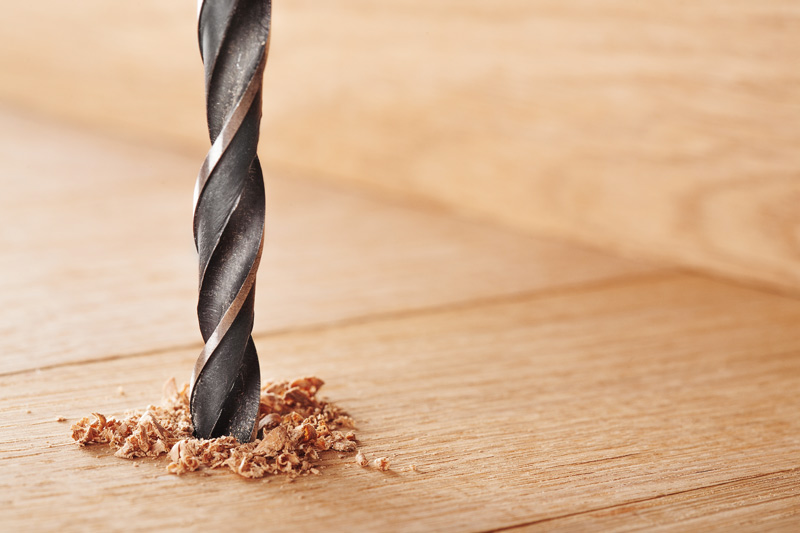
Splintering is a frequent issue that can ruin the appearance of your woodworking project. To minimize this, ensure you’re using a sharp drill bit; dull bits tend to tear the wood fibers apart rather than cut them. Another useful trick is to place a sacrificial board beneath the wood you’re drilling. This provides backing support, reducing the likelihood of splintering as the drill bit exits the wood. Also, try drilling at a slow speed initially; this gives you more control and helps keep the edges clean. Have you ever noticed how some woods splinter more than others? Hardwoods like oak are more prone to this, so extra care is necessary. Are you using the right technique for the specific type of wood you’re working with?Avoiding Overheating
Overheating can cause damage to both your drill bit and the wood itself. This often happens when drilling too quickly or applying excessive pressure. To prevent this, ensure your drill is set to the appropriate speed for the task. If the wood begins to smell burnt, it’s a clear sign you’re overheating. Pause and let both the wood and the drill bit cool down. Another tip is to frequently withdraw the drill bit to clear away debris, which helps in maintaining a cooler temperature. Have you ever considered the impact of friction while drilling? Less friction not only keeps the wood intact but also extends the life of your drill bit. Are you allowing the tools to do the work, rather than forcing them? Avoiding these common mistakes will make your woodworking projects smoother and more enjoyable. Keep these tips in mind the next time you pick up your drill, and you’ll likely find your finished product looking more polished and professional. What new strategies might you apply to your next drilling task?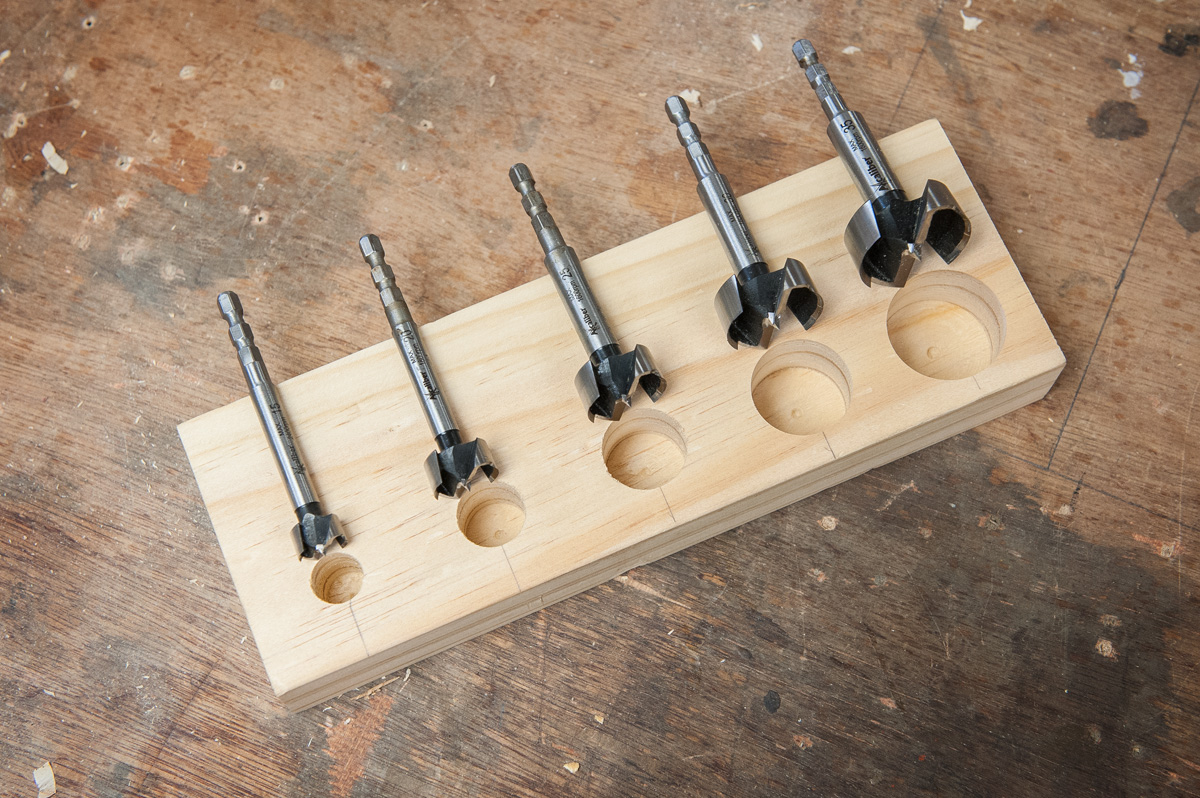
Credit: www.axminstertools.com
Finishing The Hole
Drilling a hole in wood requires the right tools and technique. Start by selecting a suitable drill bit for wood. Ensure the wood is securely clamped before drilling to avoid movement.
After you’ve drilled your hole in wood, you might think the task is complete. However, finishing the hole is just as crucial as the drilling itself. This step ensures your project looks professional and functions correctly. A well-finished hole can make all the difference in your woodworking project, providing both aesthetic appeal and structural integrity.Sanding Edges
Sanding the edges of the hole smooths out any roughness left from drilling. It helps prevent splinters and ensures the hole looks neat. Use a fine-grit sandpaper wrapped around a dowel or pencil for better control. This way, you can sand precisely without affecting the surrounding wood surface. Have you ever skipped sanding only to catch your shirt on a jagged edge later? Spending a few minutes on this step can save you such annoyances.Cleaning Debris
After drilling, you’ll find wood shavings and dust around and inside the hole. Cleaning these up is essential for a clean finish. A simple way to do this is by using a small brush or compressed air to blow the debris away. This ensures that nothing interferes with any screws or fasteners you might insert. Did you know leftover debris can affect how well screws grip? Ensuring a clean hole boosts your project’s durability and effectiveness. By taking these final steps, you ensure your project is not just complete but polished and ready for use. What other details in your woodworking projects might you be overlooking?Advanced Tips
Drilling a hole in wood is a common task. But achieving precision requires advanced techniques. These tips will help enhance your woodworking skills. Let’s delve into methods that offer accuracy and efficiency.
Using Drill Guides
Drill guides are essential for perfect alignment. They prevent the drill bit from wandering. Secure the guide on the wood surface. Ensure it’s aligned with your desired drill path. Guides offer stability, ensuring straight holes. This tool is a must for consistent results.
Drilling At An Angle
Drilling at an angle requires skill. Start by marking the desired angle on the wood. Use a protractor for accuracy. Position the drill bit carefully. Begin with a slow speed to maintain control. Increase speed gradually as the bit progresses. This method ensures clean and accurate angled holes.
Credit: blog.wirutex.com
Frequently Asked Questions
Can You Drill Directly Into Wood?
Yes, you can drill directly into wood using a suitable drill bit. Ensure you select the correct bit size and type for the task. To prevent splitting, start with a smaller pilot hole. Secure the wood firmly to avoid movement during drilling.
Always prioritize safety by wearing protective gear.
How To Drill A Hole Straight In Wood?
Use a drill guide or jig to ensure straight holes. Position the drill vertically and apply steady pressure. Mark the spot with a pencil before drilling. Use clamps to stabilize the wood, preventing movement. Maintain a consistent speed for precision and accuracy.
What Tool Is Used To Drill A Hole In Wood?
A drill is the primary tool used to create holes in wood. For precision, use a wood drill bit. Hand drills or electric drills are both suitable. Choose the appropriate drill bit size for your project. Always ensure the drill is in good condition for safety and efficiency.
Do You Need A Special Drill Bit For Wood?
Yes, using a special wood drill bit is recommended. These bits ensure clean, precise holes in wood. They include spade bits, brad-point bits, and auger bits. Each type suits different wood drilling needs, providing efficiency and accuracy. Always choose the right bit for the best results.
Conclusion
Drilling a hole in wood can be easy. Just follow the right steps. Choose the correct drill bit for your project. Mark the spot where you want to drill. Steady your hand and press firmly. Check your drill speed for smooth holes.
Remember to wear safety goggles for eye protection. Practice makes perfect, so don’t worry about mistakes. With patience, you’ll improve your skills over time. Now, you’re ready to tackle any wood project confidently. Enjoy your woodworking journey!