You know the frustration all too well: you’re in the middle of a project, everything’s going smoothly, and then—snap! The drill bit gets stuck.
Suddenly, what seemed like a straightforward task turns into a battle of wills between you and a stubborn piece of metal. But before you give up or reach for the nearest hammer, take a deep breath. You’re not alone, and the solution is simpler than you think.
You’ll discover straightforward tips and tricks to safely and efficiently remove a stuck drill bit. Whether you’re a seasoned DIY enthusiast or just starting out, mastering this skill will save you time, effort, and potential damage to your tools. Imagine the satisfaction of overcoming this common obstacle with ease, ready to tackle the next challenge with newfound confidence. Read on, and let’s turn that drill bit mishap into a moment of triumph!

Credit: abutterflyhouse.com
Assessing The Situation
Assessing the situation involves carefully examining why a drill bit is stuck. Identify the type and size of the drill. Check for visible obstructions or damages. This helps determine the right method to safely remove the bit without causing further issues.
Assessing the situation is crucial when dealing with a stuck drill bit. Before you dive into solutions, take a step back. Understand the root of the problem to avoid making it worse. Sometimes, we rush to fix things without really knowing what’s wrong. It’s like trying to solve a puzzle without looking at the picture first. Getting a drill bit unstuck can be frustrating, but the right approach makes all the difference.Identifying The Drill Type
First, let’s identify your drill type. Are you using a cordless drill or a power drill? Each type has unique features. Cordless drills are convenient for quick jobs, but they may not have the power you need for tough materials. Power drills, on the other hand, offer more force but require a steady power source. Knowing your drill helps you understand potential limitations and strengths. This knowledge can guide your next steps. You don’t want to apply the wrong technique and damage your drill or bit.Determining The Cause Of Stuck Bit
Next, pinpoint the cause of the stuck bit. Is it jammed due to rust or debris? Perhaps the bit overheated and expanded. Each scenario requires a different approach. Imagine you’re drilling into wood, and suddenly the bit won’t budge. It could be trapped by compacted sawdust. Or, if you’re working with metal, heat might have caused the bit to swell. Ask yourself: did you use the right bit for the material? Sometimes, the wrong bit choice leads to jamming. Understanding the cause helps you choose the right fix. Have you ever tried removing a bit with brute force only to regret it later? Take a moment to assess the situation before acting. Taking these steps ensures you’re not just solving a problem but learning from it.
Credit: www.youtube.com
Safety Precautions
Removing a drill bit requires careful handling. Safety precautions should be a top priority. Proper steps prevent accidents and ensure a smooth process. Equipping yourself correctly and preparing the workspace are key.
Protective Gear
Wearing protective gear is essential. Safety goggles protect your eyes from flying debris. Gloves help grip tools better and shield your hands. Ear protection is crucial if using loud equipment.
Ensure your clothing is not loose. Loose clothing can get caught in machinery. Steel-toed boots offer foot protection. They prevent injuries from falling heavy objects.
Workspace Preparation
Organize your workspace before starting. A tidy area reduces the risk of accidents. Remove any clutter that could obstruct movement.
Ensure good lighting. Proper lighting helps you see clearly. This reduces the chance of errors. Check all tools are within reach and in good condition.
Secure the drill. A stable drill prevents wobbling and accidents. Make sure the power is off before any adjustments. This guarantees safety while working.
Using Basic Tools
Removing a stuck drill bit can be frustrating. Basic tools can often help solve this problem efficiently. These methods don’t require advanced skills or equipment. With a few simple tools, you can free the drill bit and continue your work smoothly.
Wrench Or Pliers Method
This method involves using a wrench or pliers to grip the drill bit firmly. First, ensure the drill is unplugged for safety. Position the wrench or pliers around the drill bit’s base. Apply gentle pressure and twist slowly. The bit should start to loosen. If it doesn’t move, try slightly more force. Be careful not to damage the drill or the bit.
Reverse Drill Technique
The reverse drill technique can help dislodge a stuck bit. Set the drill to reverse mode. Use low speed for better control. Apply steady pressure on the trigger. The drill’s motion should help free the bit. If the bit remains stuck, try alternating between forward and reverse. This can ease its grip further.
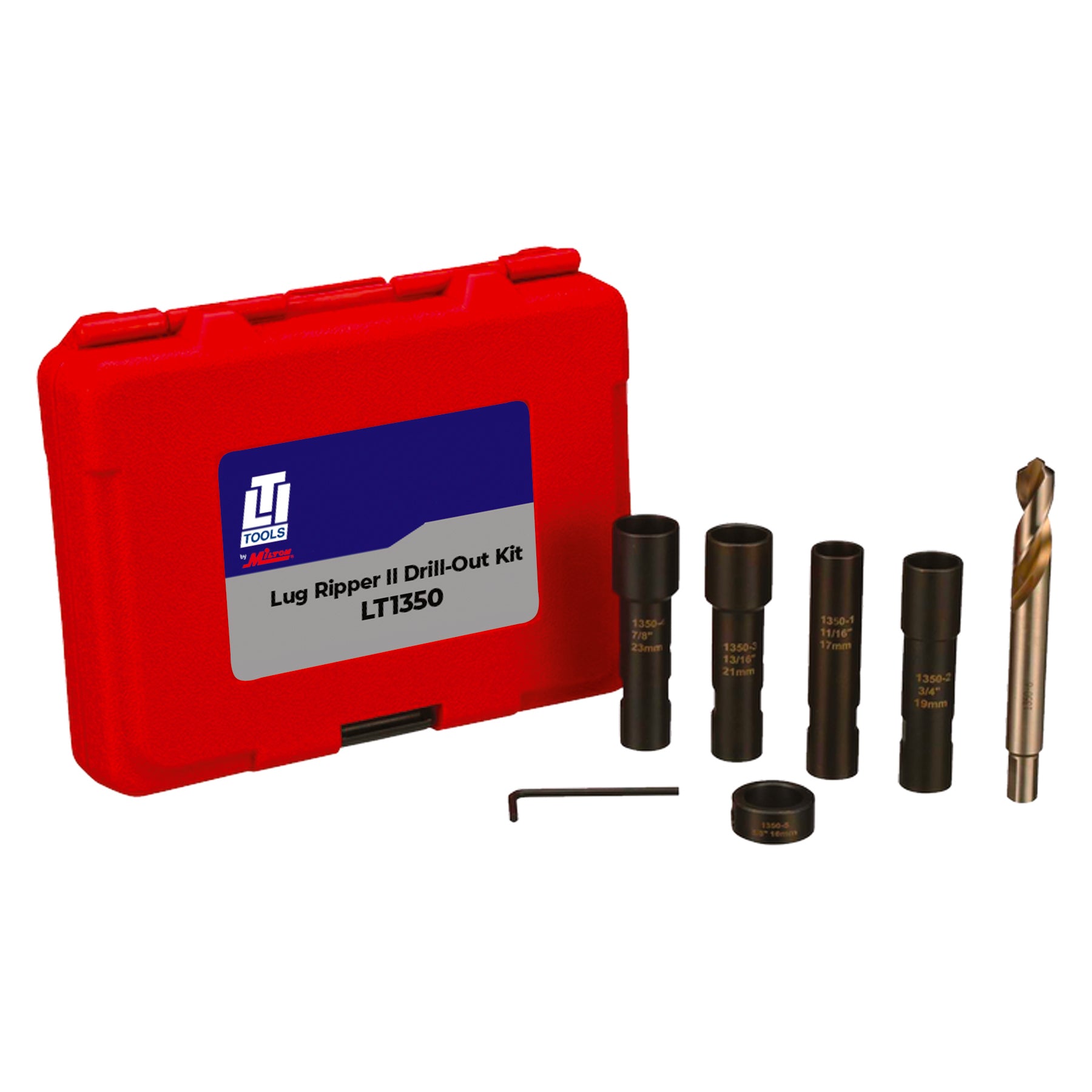
Credit: promaxxtool.com
Advanced Techniques
Removing a drill bit involves careful steps. First, ensure the drill is unplugged for safety. Use pliers or a wrench to grip the bit firmly, then twist gently to loosen it from the chuck.
When dealing with stubborn or stuck drill bits, sometimes basic methods just won’t cut it. Enter advanced techniques, which can save the day and your sanity. If you’ve ever wrestled with a drill bit that refuses to budge, these strategies might just be your new best friends.Lubrication Methods
Start with lubrication, a simple yet effective approach. Use a penetrating oil or WD-40 to loosen the grip of a stuck drill bit. Apply generously around the bit and let it sit for a few minutes. This allows the oil to seep into tight spaces, reducing friction. After waiting, gently twist and pull the bit using pliers. You might be surprised at how easily it starts to move. Have you ever found that extra nudge makes all the difference? Consider adding a bit more oil and repeating the process if necessary.Heat Application
Heat application is another powerful technique. Carefully apply heat to the area around the drill bit using a heat gun or torch. The heat causes the metal to expand, potentially loosening the grip on the bit. After heating, use pliers or a wrench to attempt removal. Be cautious—metal can become very hot. Always wear protective gloves to avoid burns. Have you tried this method before? It might just be the trick you need when dealing with a particularly stubborn bit. Always remember, patience and safety are key. These advanced techniques can turn a frustrating situation into a manageable one. Next time a drill bit won’t cooperate, you’ll have a couple of new tricks up your sleeve.When To Seek Professional Help
Struggling to remove a stuck drill bit can be frustrating. It’s time to consult a professional if the bit is deeply embedded or the tool is damaged. They can prevent further harm and safely handle tricky situations.
When drilling projects turn tricky, knowing when to seek professional help can save you time and stress. Imagine you’re halfway through a DIY project, and suddenly, your drill bit gets stuck. You try everything you know, but it won’t budge. It might be time to call in the experts. Sometimes, tackling a problem alone can lead to more damage. You want your project to succeed, not become a headache. Let’s dive into when you should consider professional help and how to choose the right service.Identifying Complex Cases
Some situations are more complicated than they appear. Is your drill bit stuck in a sensitive material like glass or metal? Removing it without expertise could cause irreversible damage. You might notice unusual noises or vibrations indicating a bigger problem. If you’ve tried several techniques and the bit remains stuck, it could be more than a simple jam. Ask yourself: Is this a task beyond my skill level? Recognizing complexity early can prevent costly mistakes.Choosing A Professional Service
Once you’ve decided you need help, selecting the right service is crucial. Look for professionals with a strong reputation and experience in handling drill bits. Online reviews and recommendations can guide your choice. Consider services that offer guarantees or warranties, ensuring accountability for their work. How do you know they’re the right fit? Check if they have specialized tools and knowledge for your specific situation. Investing in expert help can be the difference between a successful project and a frustrating setback.Preventative Measures
Preventative measures ensure your drill bits stay in top shape. Regular care prevents issues like stuck drill bits. Simple habits can extend the life of your tools. These habits save time and reduce frustration.
Regular Maintenance Tips
Clean drill bits after each use. This removes debris and dust. Inspect bits for signs of wear and tear. Sharpen dull bits to maintain efficiency. Use a sharpening stone or tool. Lubricate drill bits with oil. This reduces friction and heat.
Proper Storage Practices
Store drill bits in a dry place. Moisture causes rust and damage. Use a dedicated drill bit case. It protects from damage and loss. Organize bits by size and type. This makes selection quick and easy. Avoid tossing bits in toolboxes. This prevents chipping and dulling.
Frequently Asked Questions
How To Get The Bit Out Of A Drill?
Turn off the drill and unplug it. Hold the chuck and rotate it counterclockwise. Remove the bit carefully.
How To Remove A Drill Bit Without Chuck Key?
Use pliers to grip the drill bit tightly. Turn the drill bit counterclockwise to loosen it. Ensure safety by wearing gloves. Consider applying penetrating oil for stubborn bits. Hand twist the bit out once loosened.
Which Way Is Unscrew On A Drill?
Turn the drill’s chuck counterclockwise to unscrew. Look for the reverse setting on the drill. This direction is typically marked with an arrow or “R” symbol. Ensure the drill is set to reverse mode for unscrewing tasks.
How To Remove Drill Bit Holder?
To remove a drill bit holder, first, loosen the chuck by turning it counterclockwise. Hold the base steady, then pull the holder out gently. Ensure the drill is switched off for safety.
Conclusion
Removing a drill bit can be simple. Follow the right steps. Begin by turning off the drill. Then, loosen the chuck by hand. Use pliers if it’s stuck. Take care not to damage the bit. Keep a firm grip while pulling it out.
Always store your drill bits properly after use. This prevents future issues. Regularly check and maintain your tools. This ensures they last longer. With practice, this process becomes easier. You’ll save time and effort. Happy drilling!