Are you tired of staring at a metric tape measure, trying to make sense of all those little lines and numbers? You’re not alone.
Whether you’re tackling a home improvement project or just curious about how to measure things accurately, understanding a metric tape measure can feel like deciphering a secret code. But here’s the good news: it’s easier than you think! By the end of this article, you’ll feel confident using a metric tape measure like a pro.
Imagine the satisfaction of getting precise measurements every time, without the guesswork. Keep reading to unlock the simple secrets that will make your next project a breeze.
Basics Of Metric Tape Measures
The metric tape measure is a handy tool for precise measurements. It is widely used in construction, carpentry, and other fields. Understanding its basics can make your projects easier and more accurate. This guide will help you learn how to read a metric tape measure.
The metric tape measure uses meters, centimeters, and millimeters. Each meter consists of 100 centimeters. Each centimeter contains 10 millimeters. This makes conversions simple and straightforward.
Identifying The Markings
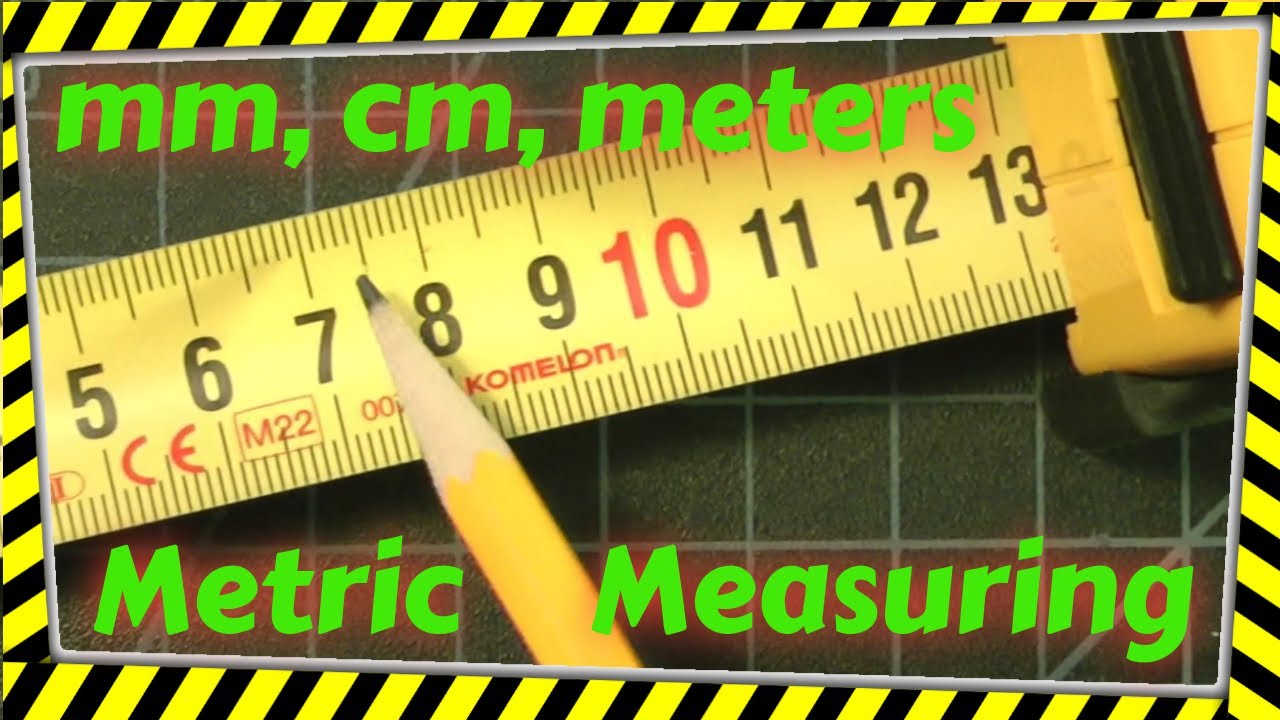
A metric tape measure has distinct markings. The longest markings represent centimeters. The shorter ones indicate millimeters. Look for numbers next to the centimeter lines. They help you quickly identify measurements.
Reading The Tape
To read a metric tape, start by finding the zero mark. Align the end of the object with this mark. Count the full centimeters first. Then, count the millimeters past the last centimeter. Combine these numbers for an accurate measurement.
Common Uses Of Metric Tape Measures
Metric tape measures are used in many fields. Builders use them for precise cuts. Interior designers need them for space planning. Even tailors rely on them for accurate clothing measurements. Their versatility makes them essential.
Understanding Metric Units
Metric tape measures show centimeters and millimeters. Each numbered line marks a centimeter. Smaller lines represent millimeters. Understanding these helps measure accurately.
Understanding metric units is crucial when reading a metric tape measure. If you’ve ever found yourself struggling with conversions or staring at a tape measure in confusion, you’re not alone. Many people are accustomed to the imperial system and might find the metric system a bit intimidating. But fear not, with a bit of practice, you’ll be measuring like a pro in no time.What Are Metric Units?
Metric units are based on powers of ten. This makes them simple and intuitive, especially when you need to convert between units. The primary metric units you’ll encounter on a tape measure are millimeters and centimeters. Imagine standing in a hardware store, trying to buy a piece of wood. You see the measurements given in centimeters. Knowing that there are 10 millimeters in a centimeter instantly helps you understand the precision of what you’re purchasing.Millimeters Vs. Centimeters
The smallest unit on a metric tape measure is typically the millimeter. One millimeter is about the thickness of a credit card. Centimeters are larger, consisting of 10 millimeters each. Picture yourself needing to measure the length of a pencil. Using millimeters gives you a more detailed measurement, while centimeters provide a broader overview.Why Use Metric?
The metric system is widely used worldwide, making it essential for international projects and collaborations. Its simplicity in conversion can save you time and frustration. Think of a scenario where you are trying to follow a recipe from a European cookbook. Understanding metric units can help you accurately measure ingredients without second-guessing.How To Read A Metric Tape Measure
Start by identifying the markings. Each short line typically represents a millimeter, while the longer lines denote centimeters. Consider how often you measure things without understanding the markings. By focusing on the length of the lines, you can quickly grasp the measurement without having to count each one individually.Practical Tips For Accuracy
Always ensure the tape measure is straight and flush against the object you’re measuring. Double-check your measurements by comparing them to a ruler if possible. Have you ever measured something only to find out your initial reading was wrong? By maintaining accuracy, you avoid costly mistakes and ensure everything fits perfectly. Understanding metric units transforms the way you approach measuring tasks. Give it a try and see how much easier your next project becomes. What’s stopping you from mastering the metric tape measure today?Components Of A Metric Tape Measure
A metric tape measure is essential for precise measurements. Understanding its components enhances accuracy. Different parts serve unique functions. Knowing these helps you use the tool correctly.
Blade And Hook
The blade is the long, flexible strip marked with measurements. It extends from the case and retracts smoothly. Metric units like centimeters and millimeters appear on the blade. The hook is at the end of the blade. It helps secure the tape when measuring. The hook grabs onto surfaces. This ensures stability and accuracy.
Case And Locking Mechanism
The case protects the blade when not in use. It is often made of durable plastic or metal. The case is portable and easy to carry. The locking mechanism holds the blade in place during use. This prevents the blade from retracting unexpectedly. Locking ensures the measurement stays steady. It is crucial for maintaining accuracy.
Reading Metric Measurements
Metric tape measures are easy to use. Read the numbers marked in centimeters and millimeters. Each centimeter is divided into ten millimeters.
Reading metric measurements on a tape measure might seem daunting at first, but once you understand the basics, it’s quite straightforward. Whether you’re working on a DIY project or measuring for new furniture, knowing how to read these measurements can save you time and prevent costly mistakes. Let’s dive into the essentials of reading metric measurements, focusing on interpreting centimeters and millimeters, and converting between units.Interpreting Centimeters And Millimeters
When you glance at a metric tape measure, you’ll notice it is divided primarily into centimeters. Each centimeter is further broken down into ten smaller lines, representing millimeters. Understanding this division is crucial. If you see a marking that aligns with the 5th small line after a centimeter, you’re looking at 1.5 centimeters or 15 millimeters. A helpful tip: always start from zero to ensure accuracy. Imagine you’re measuring a piece of wood. Starting from zero gives you the precise length without guessing.Converting Between Units
Sometimes, you might need to convert between centimeters and millimeters or other units. This is where understanding the metric system’s simplicity is beneficial. Converting centimeters to millimeters is straightforward. Simply multiply the number of centimeters by 10. Conversely, divide by 10 to convert millimeters to centimeters. Have you ever found yourself needing to convert these measurements while shopping for home improvement supplies? Knowing how to switch between units can ensure you purchase the right amount, avoiding waste and unnecessary trips back to the store. In practical terms, if you measure a shelf and find it to be 45 centimeters, you can quickly convert it to 450 millimeters. This knowledge can be particularly useful when dealing with specifications that list dimensions in different units. As you become more familiar with reading metric measurements, ask yourself: how can mastering this skill improve your next DIY project? The answer might surprise you with newfound efficiency and precision.Common Mistakes To Avoid
Reading a metric tape measure can be tricky for beginners. Small mistakes can lead to big errors. Knowing these common pitfalls helps avoid misreading measurements. This section discusses frequent errors in reading metric tape measures.
Misreading The Millimeters
Many confuse millimeters with centimeters. Millimeters are the small marks between centimeter numbers. One centimeter equals ten millimeters. Always count the small marks carefully.
Ignoring The Zero Point
Some start measuring without aligning the tape’s zero point. This leads to incorrect measurements. Always start from the tape’s zero point for accuracy.
Inconsistent Measurement Technique
Using different techniques causes errors. Always use the same method. Keep the tape straight and taut. Avoid bending or twisting the tape.
Overlooking Tape Condition
A damaged tape leads to faulty readings. Check for bends, twists, or wear before measuring. Ensure the tape is in good condition.
Misjudging Fractions
Metric tape measures often show fractions. Misjudging them can cause errors. Understand how fractions relate to whole numbers. Practice reading fractions to improve accuracy.
Not Recording Measurements Immediately
Forgetting to record measurements leads to confusion. Write down measurements as soon as taken. This helps keep track and avoid mistakes.
Tips For Accurate Measurement
Accurate measurements are essential in many tasks. A metric tape measure can help you achieve precision. Knowing how to use it properly ensures reliable results. Here are some practical tips to enhance your measuring skills.
Maintaining A Steady Hand
A steady hand is crucial for accurate measurements. Keep your hand calm to avoid errors. Rest your arm on a stable surface while measuring. This minimizes unintentional movements. Slow and controlled actions lead to better precision.
Using The Right Technique
Choose the correct technique for each measurement. Start by placing the tape’s end on the starting point. Stretch the tape carefully along the surface. Ensure the tape remains flat and untwisted. Note the measurement where the tape ends. Double-check your reading for accuracy.
Choosing The Right Tape Measure
Reading a metric tape measure involves identifying the millimeter and centimeter markings. Each large numbered marking represents a centimeter, while smaller lines indicate millimeters. Understanding these measurements helps in accurately determining lengths for various projects.
Choosing the right tape measure might seem straightforward, but the variety available can be overwhelming. The perfect tape measure can make or break your project, ensuring accuracy and efficiency. Let’s explore how to select a tape measure that fits your needs perfectly.Considering Size And Material
Tape measures come in various sizes, typically ranging from 12 to 100 feet. Think about the types of projects you tackle most often. For small, indoor tasks, a 16-foot tape measure might be ideal. Larger projects like building a deck may require a 25-foot tape measure. Material matters, too. Steel tapes are durable and ideal for heavy-duty work. Meanwhile, fiberglass tapes resist stretching and are great for long outdoor measurements. Consider where and how you’ll use the tape measure to decide the best material for your needs.Evaluating Additional Features
Modern tape measures often come with additional features that can enhance their utility. Look for a locking mechanism to hold the tape in place; this can be a game-changer for solo work. Some models have a magnetic tip, allowing you to attach it to metal surfaces for hands-free operation. You might also find tape measures with a built-in level or even digital readouts. These features can increase accuracy and ease of use. Ask yourself which features would make your tasks easier or more enjoyable. Have you ever grabbed a tape measure only to realize it’s missing a crucial feature for your project? Choosing the right tape measure involves more than just grabbing the first one you see. By considering size, material, and additional features, you can ensure you have the right tool for the job. Which features would make your measuring tasks seamless?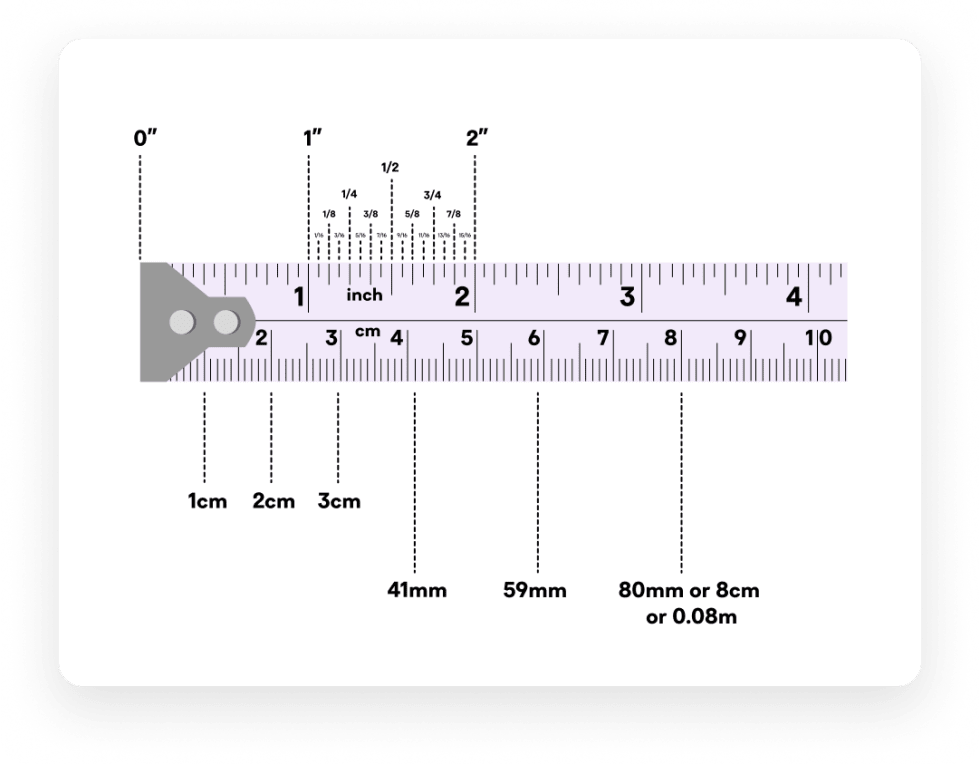
Credit: www.apartmentlist.com
Applications Of Metric Tape Measures
Metric tape measures are essential tools in various fields. They offer precise measurements, crucial for accuracy in construction, crafting, and DIY projects. Understanding their applications helps you make informed decisions when selecting tools for your tasks. Explore how metric tape measures enhance efficiency in different areas.
In Construction
Construction relies heavily on accurate measurements. Metric tape measures provide precision for laying foundations and erecting walls. Builders use them to ensure structures meet specifications. They help calculate distances between beams or pillars. This accuracy prevents costly mistakes. Proper measurements guarantee stability and safety. Contractors appreciate the ease of reading metric units. It simplifies international projects where metric is standard. Understanding metric tapes boosts productivity on site.
In Crafting And Diy Projects
Crafters need exact measurements for creating beautiful pieces. Metric tape measures are ideal for detailed work. Seamstresses use them to measure fabric dimensions. Woodworkers rely on them for cutting precise lengths. They ensure symmetry in art projects or furniture. DIY enthusiasts find them handy for home repairs. Metric units offer clarity in small-scale tasks. They eliminate conversion errors. These tapes enhance creativity and efficiency. They are indispensable in crafting and DIY.
Caring For Your Tape Measure
Reading a metric tape measure involves identifying millimeters, centimeters, and meters. Look at the numbers and lines. Each small line represents a millimeter, while each numbered line indicates centimeters. Understanding these markings helps in precise measurements.
Caring for Your Tape Measure Your tape measure is a trusty sidekick in every DIY project. It’s crucial to keep it in good shape to ensure it provides accurate measurements every time. Proper care can extend its lifespan and make your life a lot easier.Proper Storage Tips
Storing your tape measure correctly is key to maintaining its condition. Always retract the tape fully before putting it away to prevent bending or damage. Keep it in a dry, cool place. Moisture can cause rust and affect the tape’s accuracy. Do you have a designated drawer or toolbox for your tools? It’s a great spot for storing your tape measure! Avoid leaving it exposed to sunlight for long periods. This can cause the casing to become brittle over time.Cleaning And Maintenance
Regular cleaning can keep your tape measure functioning well. Wipe it down with a damp cloth to remove dirt and grime. Use a mild soap if the tape is especially dirty. Avoid harsh chemicals that can damage the markings or the casing. Check the retracting mechanism often. If it becomes sluggish, a drop of machine oil can help. Have you ever had a tape measure that wouldn’t retract properly? A little maintenance can prevent this common issue. Remember to inspect the tape for any tears or bends. A damaged tape can lead to inaccurate measurements. Would you trust a broken ruler to give you the right numbers? Your tape measure deserves the same attention.
Credit: www.youtube.com
Credit: www.youtube.com
Frequently Asked Questions
How To Read A Metric Measurement?
To read a metric measurement, identify the unit (meters, liters, grams). Understand prefixes like kilo (1,000), centi (0. 01), and milli (0. 001). Use a metric ruler, scale, or measuring cup for accurate reading. Practice converting between units to enhance comprehension and accuracy in measurements.
What Is 100 Mm On A Tape Measure?
100 mm on a tape measure equals 10 centimeters. It’s a metric measurement. Metric tape measures usually show both millimeters and centimeters. This unit is commonly used in countries using the metric system. Always ensure the tape measure’s accuracy by checking the markings.
Do You Start At 0 Or 1 When Measuring?
Start at 0 when measuring length or distance. For counting items, start at 1. Choose based on context.
How To Tell Mm On A Tape Measure?
To read millimeters on a tape measure, look for the smaller, evenly spaced lines between the centimeter marks. Each small line represents 1 millimeter. Count these lines from zero to get the measurement in millimeters.
Conclusion
Understanding a metric tape measure is essential for accurate projects. It helps in precise measurements and reduces errors. With practice, reading it becomes second nature. Use this guide to enhance your measuring skills. Remember, practice makes perfect. Each mark on the tape has meaning.
Knowing them saves time and effort. Even beginners can grasp these basics with patience. So, grab a tape and start measuring. It’s a valuable skill for everyday tasks. Happy measuring!