Are you looking to master the art of using a clamp meter? Whether you’re a seasoned electrician or a curious DIY enthusiast, understanding how to use this handy tool can save you time, money, and a lot of frustration.
Imagine effortlessly measuring current without breaking a sweat, diagnosing electrical issues like a pro, and ensuring your projects are safely powered. By the end of this article, you’ll not only know how to wield a clamp meter with confidence but also unlock its full potential for your electrical needs.
Dive in, and discover the secrets that can transform your electrical tasks from daunting to doable.
What Is A Clamp Meter?
A clamp meter measures electrical current without disconnecting circuits. Place it around a wire to read the current flowing through. Its jaws open wide, offering easy access to crowded panels or wires.
Understanding how to use a clamp meter can open doors to safer and more efficient electrical work. So, what exactly is a clamp meter? Picture a tool that combines the features of a multimeter with the ability to measure current without direct contact with a live wire. This powerful device allows electricians and DIY enthusiasts to safely measure current in a conductor without disconnecting it, making it an essential tool for both professionals and hobbyists alike.Key Features Of A Clamp Meter
A clamp meter is designed with a hinged jaw integrated into an electrical meter. This jaw allows you to clamp around a conductor—such as a wire or cable—at any point in an electrical system. Imagine not having to cut through wires to measure current; the clamp meter does this effortlessly. Another standout feature is its ability to measure AC and DC currents. Some advanced models can even measure voltage, resistance, and continuity. It’s like having multiple tools in one compact device.How Does A Clamp Meter Work?
The clamp meter works based on the principle of magnetic induction. When you clamp it around a conductor, it detects the magnetic field generated by the current flowing through the wire. The meter then translates this magnetic field into an electric current reading. Consider the ease of measuring current without interrupting the circuit. This functionality not only saves time but also ensures safety, reducing the risk of shocks. There are mainly two types of clamp meters: digital and analog. Digital clamp meters provide readings on an LCD screen, making them user-friendly and precise. Analog versions, although less common now, offer a needle and dial setup. For those who want precision and ease of use, a digital clamp meter is a go-to choice. However, if you appreciate the classic feel and can interpret analog readings, you might enjoy the traditional version.Why You Need A Clamp Meter
Why bother with a clamp meter when you have a multimeter? While multimeters are great, they usually require you to break the circuit to measure current. A clamp meter offers a contactless experience, which means more safety and less hassle. Think about the convenience of measuring current in hard-to-reach places or crowded panels. The clamp meter’s design allows you to take readings without having to untangle wires or disturb your setup.Common Mistakes To Avoid
One common mistake is not zeroing the meter before taking a measurement. Always ensure the clamp meter is set to zero to get an accurate reading. Also, remember not to clamp it around two wires simultaneously, as this can result in inaccurate readings. Focus on one conductor at a time to maintain accuracy.Final Thoughts
Using a clamp meter can dramatically improve your electrical projects. It provides safety, efficiency, and accuracy—all in one tool. Next time you face a daunting electrical task, think about how a clamp meter could simplify the process. Have you ever used a clamp meter? Share your experience or any tips you’ve discovered along the way. Your insights might just help a fellow reader tackle their next project with confidence.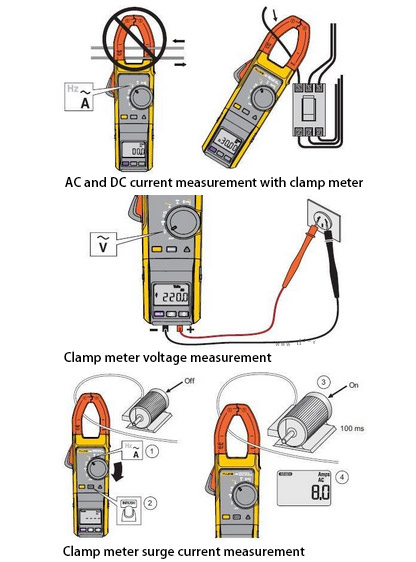
Credit: www.ato.com
Types Of Clamp Meters
Clamp meters are handy tools for measuring electrical currents. They come in different types to suit various needs. Each type has its unique features and benefits.
Digital Clamp Meters
Digital clamp meters are popular for their precision. They display readings on an LCD screen. These meters are easy to use and read. They often include extra features. Some measure voltage and resistance too. Digital meters are great for quick checks.
Analog Clamp Meters
Analog clamp meters have a needle display. They are often more affordable than digital ones. These meters don’t require batteries. Analog meters are durable and reliable. They work well in harsh conditions. Reading them takes practice and skill. Some users prefer the old-school feel.
Key Features To Look For
Choosing the right clamp meter can enhance your electrical projects. Knowing what features to prioritize ensures safety and efficiency. These key features should guide your decision.
Safety Features
Safety is critical when using electrical tools. Look for meters with overload protection. Ensure they have insulated clamps. This reduces the risk of electric shock. LED indicators can warn of dangerous voltage levels. A robust safety rating is essential.
Measurement Range
The measurement range varies among different clamp meters. A wider range offers more versatility. Choose a meter that matches your typical work needs. Consider AC and DC current measurement capabilities. This ensures you can handle varied electrical tasks.
Data Logging
Data logging is beneficial for tracking measurements. It allows for recording and reviewing past data. Look for meters with memory storage. USB connectivity can be useful. Some models offer wireless data transfer. This feature aids in efficient data management.
Credit: www.youtube.com
Basic Operation Steps
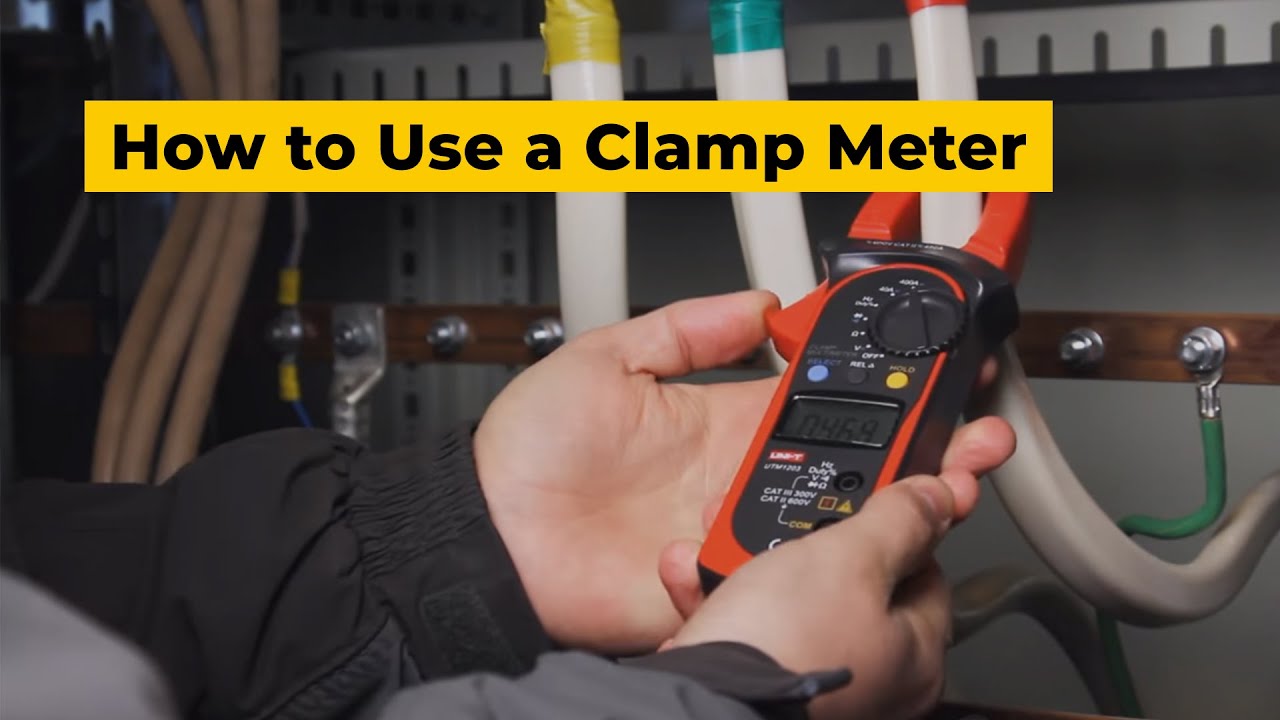
Using a clamp meter doesn’t have to be complicated. With a few steps, you can measure electrical currents easily. These tools are essential for electricians and DIY enthusiasts alike. To ensure accurate readings, follow these basic operation steps.
Powering The Device
First, check the battery level of your clamp meter. Ensure it is fully charged or has fresh batteries. This guarantees that the device will function properly. Next, press the power button to turn it on. Wait a few seconds for it to initialize. Look at the display to confirm it’s working. If it shows an error, consult your user manual.
Selecting The Measurement Mode
Clamp meters offer various measurement modes. Common modes include current, voltage, and resistance. Use the dial or buttons to select the mode you need. For measuring current, choose the AC or DC current mode. The display will show the selected mode. Make sure it matches your desired measurement.
Clamping The Conductor
Open the clamp by pressing the trigger. Place the conductor inside the open clamp. Ensure the conductor is centered within the jaws. Release the trigger to close the clamp around the conductor. Be careful not to clamp multiple wires at once. This ensures an accurate reading. Read the measurement displayed on the screen. If needed, record the value for future reference.
Measuring Ac And Dc Currents
Clamp meters are essential tools for electricians and technicians. They allow you to measure currents without breaking the circuit. This makes them invaluable for quick and safe current measurements. Understanding how to use them for AC and DC currents is crucial for effective diagnostics.
Ac Current Measurement
Begin by setting the clamp meter to AC current mode. Ensure the jaw of the clamp opens wide enough to encircle the conductor. Place the conductor within the clamp’s jaws. Verify that the jaws are completely closed. This ensures accurate readings. The meter will display the current flowing through the conductor. Remember, AC currents alternate direction frequently.
Dc Current Measurement
Switch the clamp meter to DC current mode. Open the jaws and position them around the DC wire. Confirm the jaws are tightly closed around the conductor. The meter calculates the current in the wire. Unlike AC, DC currents flow in one direction. This consistent flow allows the meter to provide stable readings.
Voltage And Resistance Measurements
A clamp meter is a versatile tool for electricians. It measures both voltage and resistance. Understanding these measurements is key to using the meter effectively. Learning the right process ensures safety and accuracy. Let’s explore how to measure voltage and test resistance using a clamp meter.
Voltage Measurement Process
Start by turning the clamp meter to the voltage setting. Ensure the meter’s jaws are open. Place them around a single wire. This will measure the current without contact. Make sure no other wires are within the jaws. Check the reading on the display. The number represents the voltage in the circuit.
Always ensure correct settings for AC or DC voltage. This ensures accurate readings. Use protective gear when handling live wires. Safety is important to prevent accidents.
Resistance Testing
Switch the clamp meter to the resistance setting. Resistance is measured in ohms. Disconnect power from the circuit before testing. This prevents damage to the meter.
Use the meter’s probes for this task. Touch the probes to both ends of the component. A reading will appear on the display. This shows the resistance level.
Ensure the component is free of power. This keeps measurements accurate. If the reading shows zero, the component may be shorted. High resistance suggests a broken circuit. Understanding these readings helps in troubleshooting.
Advanced Tips For Accurate Readings
To get the most out of your clamp meter, understanding the nuances beyond basic operation is key. Advanced tips for accurate readings can elevate your efficiency and precision. Implementing these tips can make a significant difference in the quality of your data.
Minimizing External Interference
External interference can skew your readings, leading to inaccurate results. Position your clamp meter away from large metal objects or other electrical devices. This reduces electromagnetic interference, which can distort the readings.
Use a stable hand when taking measurements. Even slight movements can introduce errors. Imagine trying to measure a current while your hand shakes—it’s like trying to read a book in a moving car.
Additionally, ensure that the area around the conductor is clear. Clamping onto a crowded bundle of wires might pick up unintended currents. Aim for a single, isolated wire to capture precise data.
Avoiding Common Mistakes
A common mistake is using the wrong setting on your clamp meter. Always double-check the settings before you start measuring. This ensures you’re capturing the correct type of current—AC or DC.
Another frequent error is clamping the meter onto a grounded or neutral wire instead of the live one. Remember, only the live wire carries the current you want to measure. This oversight can lead you to question your skills instead of the setup.
Lastly, neglecting regular calibration can degrade your clamp meter’s accuracy over time. Regular calibration keeps your tool in top condition, ensuring reliable readings every time you use it.
Have you ever wondered why your measurements were off despite following the manual? Often, it’s these small adjustments that make all the difference. By applying these advanced tips, you can enhance the precision and reliability of your clamp meter readings.
Safety Precautions
Using a clamp meter requires careful attention to safety precautions. These devices measure electrical currents without direct contact. Mistakes can lead to serious accidents. Stay alert and follow these safety guidelines.
Handling High Voltage Safely
High voltage poses significant risks. Always turn off power before connecting the clamp meter. Check the surroundings for any exposed wires. Avoid working alone in high voltage areas. Maintain a safe distance from live wires. Never touch any conductive part with bare hands. Ensure the meter is properly insulated. Verify that the clamp meter is rated for the voltage you are measuring.
Protective Equipment Guidelines
Wearing the right protective gear is crucial. Use insulated gloves to prevent electric shock. Safety goggles protect your eyes from sparks. Wear rubber-soled shoes for extra protection. Make sure all equipment is in good condition. Avoid using damaged protective gear. Check for cracks or wear in gloves and shoes. Replace any defective equipment immediately.
Maintenance And Care
Clamp meters are essential for measuring electrical currents. Open the jaws and place them around a wire to get a reading. Always ensure the device is set to the correct measurement type before use.
Taking good care of your clamp meter is essential if you want it to last and provide accurate readings. Just like any other tool, it requires regular maintenance and careful handling. Whether you’re an electrician, technician, or a DIY enthusiast, understanding how to maintain your clamp meter can save you time and money. Let’s dive into some practical tips that will help keep your clamp meter in top-notch condition.Regular Calibration
Calibration is the first step in ensuring your clamp meter’s accuracy. Over time, components may drift from their original settings, affecting readings. So, how often should you calibrate? Most experts recommend doing it annually. However, if you’re using your clamp meter frequently or in harsh environments, consider a bi-annual check. You can send it to a professional calibration service or do it yourself if you have the right equipment. A well-calibrated meter is a reliable one.Proper Storage Practices
Storing your clamp meter properly is crucial for its longevity. Have you ever noticed how some tools seem to last forever? It’s often because they’re stored correctly. Always keep your clamp meter in a clean, dry place. Moisture and dust can damage the internal components over time. Use the protective case that often comes with the meter. This simple step can prevent physical damage and keep it safe from environmental hazards. What storage practices do you follow to keep your tools in good condition? Taking a moment to think about this can make all the difference in the lifespan of your clamp meter.
Credit: kaiweets.com
Common Applications
A clamp meter measures electrical current without direct contact with wires. Electricians use it to check circuit loads and diagnose electrical issues safely. It’s essential for checking AC and DC currents in residential and industrial settings.
Understanding the diverse applications of a clamp meter can transform the way you approach electrical tasks. Whether you’re a homeowner tackling simple repairs or an industrial technician managing complex systems, knowing where and how to use this tool can make your work safer and more efficient. So, how can a clamp meter be utilized in different scenarios?Residential Electrical Work
In your home, a clamp meter can be your best friend when troubleshooting electrical issues. Imagine your lights flickering or an outlet not working. With a clamp meter, you can easily measure the current without disconnecting any wires, ensuring a quick and safe diagnosis. A few months ago, I used a clamp meter to identify a faulty circuit in my living room. It turned out that the air conditioner was drawing more current than it should have. This tool saved me from hiring an electrician for a simple fix, and it could do the same for you.Industrial Use Cases
In an industrial setting, the stakes are higher, and the systems are more complex. A clamp meter becomes indispensable when dealing with large machinery and intricate electrical systems. It helps in monitoring the load and ensuring that machines operate within safe current limits. This is not just about safety; it’s about preventing costly downtime. Consider the instance when a friend of mine working at a manufacturing plant used a clamp meter to identify a motor drawing excessive current. This early detection prevented a potential breakdown, saving the company both time and money. Do you see how critical this tool can be in avoiding industrial mishaps? Using a clamp meter effectively can simplify your tasks, enhance safety, and even save money. Whether it’s the flicker of a light at home or the hum of a factory machine, this tool is your ally in maintaining electrical harmony. Have you thought about incorporating a clamp meter into your toolkit for better efficiency? It might just be the game-changer you need.Frequently Asked Questions
How To Use A Clamp Meter For Beginners?
To use a clamp meter, select the correct function. Open the jaws and clamp around the wire. Read the measurements on the display. Ensure safety by not touching live wires. Always refer to the user manual for specific instructions. Practice with different settings for accurate readings.
How To Measure Current Using A Clamp Meter?
To measure current with a clamp meter, open the jaws and clamp them around a single conductor. Ensure the conductor is live and the meter is set to the correct current range. Read the displayed value on the meter’s screen for the current measurement.
How To Use A Multimeter For Beginners?
Turn the multimeter dial to the desired measurement type. Insert the probes into the correct ports. Connect probes to the circuit or component. Read the display for measurements. Always start with a higher range to prevent damage.
What Is The Rule Of Clamp Meter?
A clamp meter measures electrical current without direct contact. It utilizes jaws to encircle a conductor, detecting magnetic fields. This tool safely checks AC/DC current, voltage, and resistance. Ideal for quick diagnostics, it enhances safety by eliminating the need to disconnect circuits during testing.
Conclusion
Mastering a clamp meter makes electrical tasks safer and easier. Its user-friendly design helps measure current without contact. Just clamp around a conductor for precise readings. Always choose the right settings for your task. Safety first—wear protective gear and follow instructions.
Practice regularly to build confidence and accuracy. Clamp meters are essential tools for both professionals and DIY enthusiasts. They simplify complex measurements, ensuring effective results. With practice, using a clamp meter becomes second nature. Keep your tools maintained for best performance.
Understanding your clamp meter opens up new possibilities in electrical work.