Imagine standing in your backyard, surrounded by fresh grass waiting to be tamed. You glance at your lawn mower and wonder, “How fast can this thing really go?”
You’re not alone. Many homeowners and gardening enthusiasts are curious about the speed capabilities of their trusty lawn mowers. Understanding this can transform your mowing experience, making it quicker and more efficient. But there’s more to mower speed than meets the eye.
By exploring the factors that influence how fast lawn mowers go, you can make smarter choices and optimize your lawn care routine. Dive into the fascinating world of lawn mower speeds and uncover the secrets to achieving a perfectly manicured lawn in no time.
Types Of Lawn Mowers
When it comes to mowing your lawn, the type of mower you choose can make a significant difference in both speed and efficiency. Different lawn mowers offer varying levels of power, control, and speed, each suited for specific types of terrain and yard sizes. Understanding the nuances of each type can help you decide which is the best fit for your needs. Let’s dive into the various types of lawn mowers and see how fast they can go.
Push Lawn Mowers
Push lawn mowers are the classic choice for smaller yards. They rely entirely on your physical effort to move across the lawn. Typically, these mowers can go as fast as you can push them, which is generally around 3 to 4 miles per hour.
These mowers are perfect for those who enjoy a bit of exercise while maintaining their yard. A personal tip: they can be great for getting your steps in for the day!
Self-propelled Lawn Mowers
Self-propelled lawn mowers take some of the effort out of mowing by powering the wheels themselves. They typically move at a speed range of 3 to 5 miles per hour. These mowers are ideal for medium-sized lawns and slightly hilly terrains.
With a self-propelled mower, you can focus more on steering and less on pushing. Think of it as having a little helper to tackle those slopes.
Riding Lawn Mowers
Riding lawn mowers are perfect for large yards and can save you a lot of time and effort. They usually operate between 4 to 7 miles per hour. Riding mowers come with the convenience of sitting comfortably while mowing expansive areas.
Imagine sipping your favorite drink while cruising through your yard—riding mowers make this possible. They transform mowing into a relaxing weekend activity.
Zero-turn Mowers
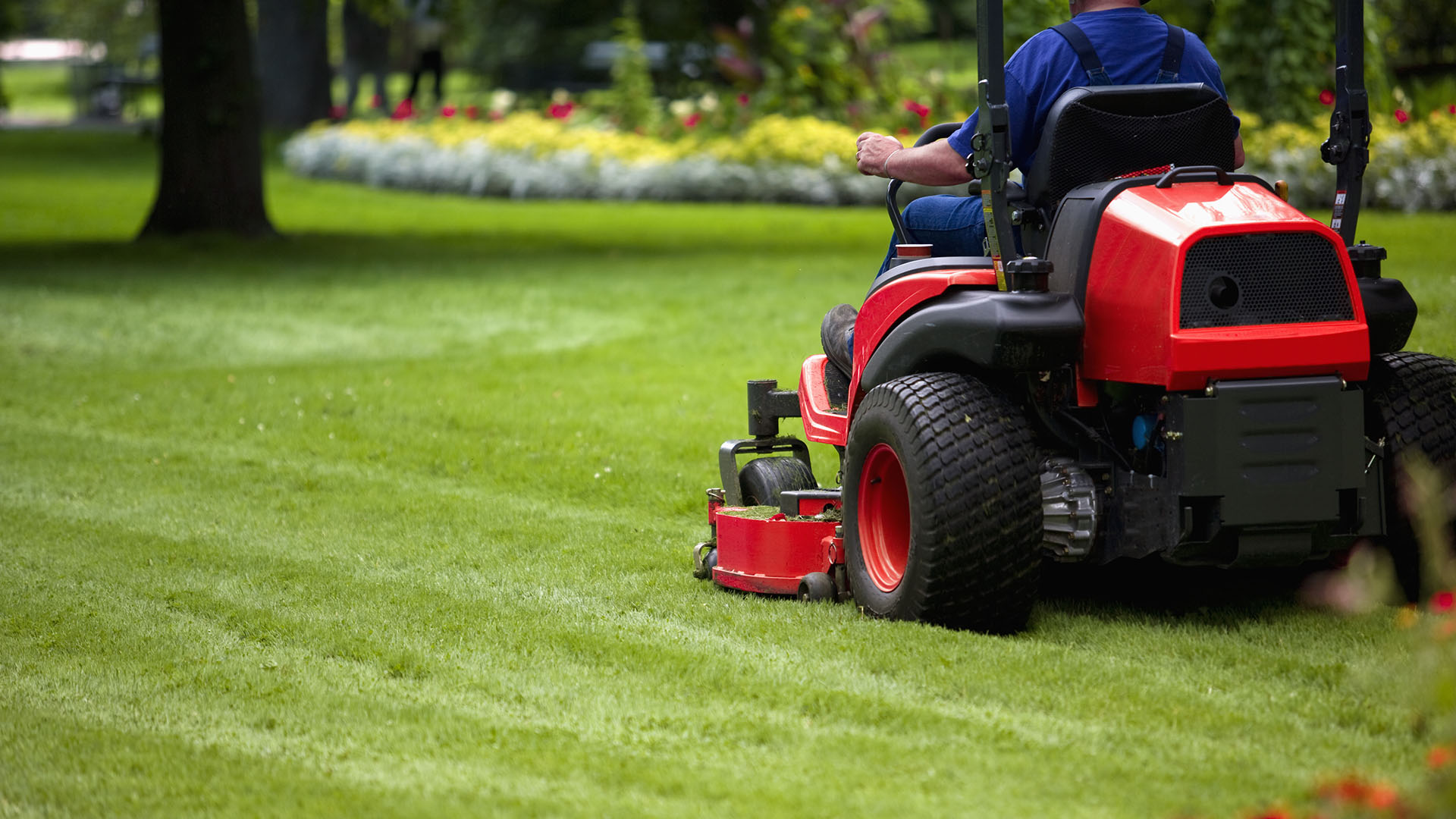
Zero-turn mowers are the speed demons of the lawn care world. They can achieve speeds up to 8 miles per hour, making them ideal for large, flat areas. Their unique turning capabilities allow you to navigate obstacles with ease.
Have you ever wished you could finish mowing in a fraction of the time? Zero-turn mowers might be your answer. They offer precision and speed, turning lawn care from a chore into a quick task.
In choosing the right mower, consider your yard size, terrain, and how much time you want to spend mowing. Have you found a type that aligns with your needs and lifestyle?
Credit: www.toptenreviews.com
Factors Affecting Mower Speed
Lawn mowers come in different shapes and sizes. Each type offers different speed capabilities. Understanding these factors helps you choose the right mower. Let’s dive into what affects a mower’s speed.
Engine Power
The engine power plays a big role in how fast a mower goes. More horsepower means higher speed potential. A powerful engine can tackle tougher grass with ease. It ensures smooth operation even on large lawns. Small engines might struggle on thicker grass. Check the engine specs for better performance.
Mower Design
Mower design also impacts speed. Lightweight mowers often move faster. They are easier to maneuver. Rear-wheel drive mowers offer better traction. This makes them faster on uneven surfaces. Streamlined designs reduce drag. This helps increase speed.
Terrain And Conditions
The type of terrain affects mower speed. Flat and open lawns allow faster mowing. Bumpy or hilly areas slow down the mower. Wet conditions can make grass slippery. This reduces speed. Dry conditions improve traction. Always consider the terrain before mowing.
Average Speeds Of Common Mowers
Lawn mowers come with different speed capabilities. Understanding these speeds helps choose the right mower. Whether for a small yard or a large lawn, knowing average speeds is useful. Let’s explore the speeds of common mowers.
Push Mowers
Push mowers are manual and rely on human power. Their average speed is 2 to 3 miles per hour. This speed depends on the user’s walking pace. Ideal for small lawns, push mowers offer precise control.
Self-propelled Models
Self-propelled mowers have a motor to assist movement. These models typically reach speeds of 3 to 4 miles per hour. They reduce physical effort, making them suitable for medium-sized lawns. Users can adjust speed settings for comfort.
Riding Mowers
Riding mowers are designed for larger lawns. They can travel at speeds of 4 to 8 miles per hour. Some models even go faster. Riding mowers cover large areas quickly. They offer a comfortable mowing experience.
Speed Versus Efficiency
Understanding the balance between speed and efficiency is vital in lawn mowing. Faster speeds may seem attractive, but they can compromise the quality of the cut. The key is to find the right speed that ensures both efficiency and a neat lawn.
Optimal Speed For Cutting
Lawn mowers have different speed settings. The ideal speed is about 3 miles per hour. This speed allows the blades to cut grass evenly. It prevents missed patches and ensures a clean cut. Faster speeds can cause the mower to bounce. This results in uneven cutting.
Balancing Speed And Quality
Finding the sweet spot between speed and quality is crucial. Mowing too quickly can leave behind uneven patches. It can also damage the lawn. A slower speed ensures a thorough job. It allows the blades to cut each blade of grass properly.
Consider the type of grass and the lawn’s condition. Adjust the speed based on these factors. This ensures a beautiful and well-maintained lawn.
Safety Considerations
Lawn mowers are essential tools for keeping your lawn neat and tidy. With advancements in technology, their speed has increased significantly. But high-speed mowers come with increased safety risks. Understanding these risks is crucial for safe operation. This section highlights important safety considerations for using high-speed mowers.
Handling High-speed Mowers
High-speed mowers require careful handling. Sudden movements can be dangerous. Always maintain a firm grip on the handles. Keep your feet steady on the ground. Avoid mowing on steep slopes. This reduces the risk of tipping over. Always ensure the mower is in good condition. Check brakes and steering before starting. Regular maintenance can prevent accidents.
Protective Gear
Wearing protective gear is essential. A sturdy pair of gloves protects your hands. Safety goggles shield your eyes from debris. Ear protection is necessary due to noise levels. Proper footwear prevents slips and falls. Boots with a good grip are recommended. Long pants protect your legs from flying objects. Always dress appropriately before mowing.
Credit: www.quora.com
Technological Advancements
Lawn mowers today reach speeds up to 15 mph, thanks to advancements in technology. Powerful engines and efficient designs make mowing faster and easier. Riding mowers offer speed and comfort, ideal for large lawns.
The pace at which lawn mowers operate has significantly evolved due to technological advancements. Gone are the days when you had to push a heavy, noisy machine across your yard. Today, the market is filled with innovative options that promise not only speed but also efficiency and convenience. Whether you’re tackling a small backyard or a sprawling estate, modern mowers offer solutions that cater to your specific needs and make yard work a breeze.Smart Mowers
Smart mowers have taken the gardening world by storm. These innovative machines are equipped with GPS, sensors, and sometimes even AI technology. Imagine setting your mower to work via an app on your phone while you enjoy a cup of coffee. They adjust their speed and direction based on the layout of your lawn. Some models even return to their charging station when the battery is low. It’s like having a personal gardener without the hourly fee.Electric And Battery-powered Options
Electric and battery-powered mowers are gaining popularity for their eco-friendly and user-friendly features. They offer a quieter, smoother mowing experience compared to traditional gas-powered models. With improvements in battery technology, these mowers can now run longer and charge faster. This means you can mow a larger area without interruption. Plus, you don’t have to deal with the hassle of gas and oil, making them a cleaner choice for the environment. Think about the time saved when you don’t have to refuel or maintain an engine. It’s an attractive option for anyone who values convenience and sustainability. Are you ready to embrace these advancements and transform your lawn care routine? The technology is here, waiting for you to take advantage of it.Choosing The Right Mower
Lawn mowers typically move at speeds between 3 to 6 miles per hour. Faster mowers can cut larger lawns efficiently. Understanding speed helps choose a mower that matches your yard size and needs.
Choosing the right mower isn’t just about speed. It’s about finding the perfect fit for your lawn’s needs. Lawn mowers come in various types and speeds. Each type serves specific requirements. Picking the right one ensures a well-maintained yard. Consider several factors to make the best decision.Assessing Yard Size
Your yard’s size greatly impacts mower choice. Small yards suit push mowers. They’re easy to maneuver. Larger yards benefit from riding mowers. They cover more ground faster. Measure your yard before deciding. Knowing the size helps narrow down options.Budget Considerations
Budget plays a crucial role in mower selection. Set a budget range first. Mowers vary in price. More features often mean higher costs. Consider long-term savings. Efficient mowers can reduce maintenance costs. Look for the best value within your budget.Personal Preferences
Personal preferences influence mower choices too. Some prefer eco-friendly models. Electric mowers are quieter and cleaner. Others value convenience. Self-propelled mowers need less effort. Choose based on what matters most to you. Reflect on what’s important for your lifestyle.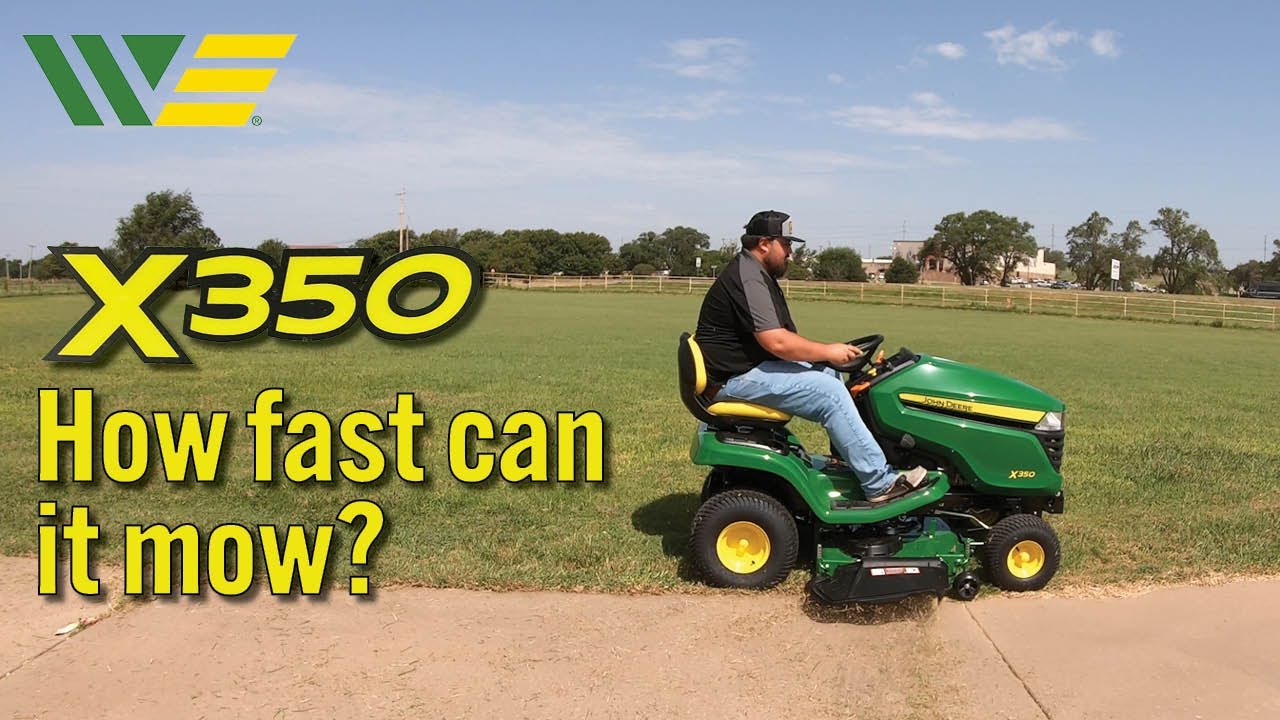
Credit: www.youtube.com
Frequently Asked Questions
What Is The Average Speed Of A Lawn Mower?
The average speed of a lawn mower ranges from 3 to 5 miles per hour. Riding mowers generally move faster than push mowers. Speed varies based on the mower type and lawn conditions. Always check the manufacturer’s specifications for accurate speed details.
How To Make A Lawn Mower Go 30 Mph?
Modify the lawn mower by upgrading the engine, installing a transmission kit, and adjusting the throttle. Ensure proper safety measures and legal compliance. Consult experts for guidance on modifications. Use high-quality parts to enhance durability and performance. Regular maintenance is crucial for optimal functionality and safety.
What Is The Fastest Ride On A Lawnmower?
The fastest ride on a lawnmower reached 150. 99 km/h (93. 33 mph). This record was set by Honda’s Mean Mower V2 in 2019. The powerful lawnmower combines speed with functionality, maintaining its cutting capabilities.
How Fast Is The Average Lawn Mower Race?
Lawn mower races typically reach speeds of 6 to 10 mph. Competitive races can see speeds up to 60 mph. These races vary based on mower modifications and track conditions. Safety gear is essential for participants at higher speeds.
Conclusion
Lawn mowers vary in speed. Some are faster than others. Riding mowers often go up to 8 mph. Push mowers move slower, around 3 mph. Speed depends on the mower type and design. Choose the right speed for your needs.
Consider yard size and terrain. Faster isn’t always better. Safety and control matter more. Knowing your mower’s speed can help. Make smart decisions when mowing. Keep your lawn neat and well-maintained. Enjoy the process and the result. Happy mowing!