Are you confident that your food handling practices are up to standard? If you’re unsure about how long you should wear gloves before changing them, you’re not alone.
Many food workers wonder about the right duration for glove use to ensure safety and hygiene. In the fast-paced environment of a kitchen, it’s easy to lose track of time. But getting it wrong can have serious consequences. Imagine serving a dish that looks delicious but is contaminated because of improper glove use.
Not only could this affect your customers’ health, but it could also damage your reputation. By understanding the simple guidelines for glove use, you can protect both. Keep reading to discover how you can maintain top-notch hygiene standards and ensure every meal you serve is both safe and delicious.
Credit: www.fooddocs.com
Importance Of Gloves In Food Safety
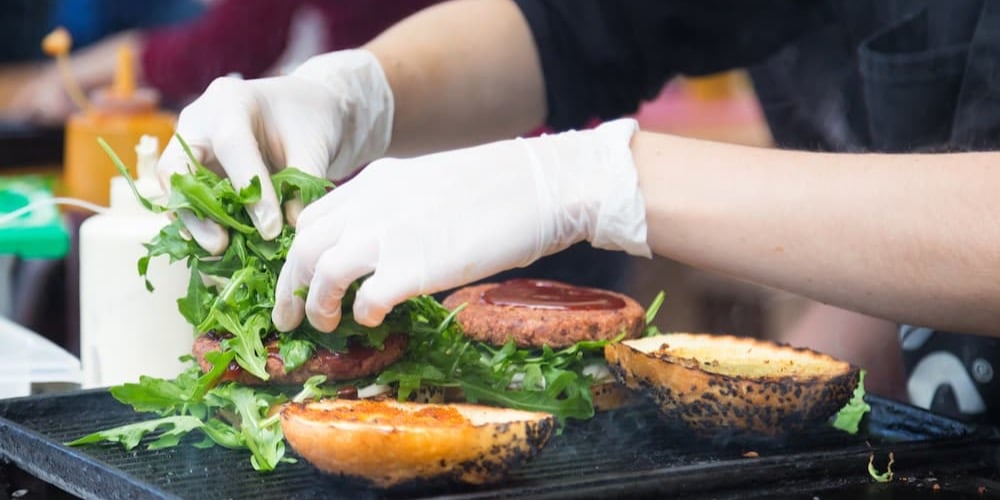
Gloves are vital in preventing food contamination. A food worker should change gloves every four hours or when soiled. Regularly changing ensures hygiene and safety, protecting both the worker and the consumer.
In the bustling world of food service, ensuring the safety and hygiene of what we eat is paramount. One of the unsung heroes in this mission is the humble glove. Gloves act as a crucial barrier, protecting food from potential contaminants. Think about the last time you dined out—did you notice the chef or server wearing gloves? These simple items play a key role in food safety, making sure your meal is safe to eat. But how often should they be changed to maintain that safety?Why Gloves Matter In Food Handling
Gloves are essential in preventing the spread of germs and bacteria. They create a protective layer between your hands and the food. This is especially important when handling raw ingredients like meat or fish. Imagine you’re preparing a salad. Without gloves, any germs on your hands could transfer directly to the lettuce. With gloves, however, there’s a barrier that helps keep the food clean and safe for consumption.When To Change Gloves
Changing gloves regularly is vital. They should be replaced after handling raw food and before touching ready-to-eat items. This prevents cross-contamination, a common cause of foodborne illness. Think about how often you wash your hands. The same principle applies to gloves. If you wouldn’t touch food with dirty hands, you shouldn’t do it with dirty gloves either.Signs It’s Time For A New Pair
Gloves should be changed if they become damaged or soiled. Any visible tear or contamination is a clear sign they need replacing. Using compromised gloves defeats their purpose and risks food safety. Additionally, if you switch tasks or take a break, it’s a good idea to start fresh with a new pair. This ensures you maintain a high standard of hygiene throughout your work.The Impact Of Glove Use On Public Health
Proper glove use can significantly reduce the risk of spreading illnesses. This simple practice helps protect not just customers, but also workers and the wider community. Effective glove management is a small step with a big impact. Consider the public health benefits when you stay vigilant about glove use. It’s about more than following rules—it’s about keeping people safe and healthy. So, next time you put on a pair of gloves at work, remember their importance in food safety. Are you changing them often enough to keep your food safe?Types Of Gloves For Food Workers
Choosing the right gloves is vital for food workers. Different types offer unique benefits and suit various tasks. The choice impacts hygiene and comfort.
Disposable Gloves
Disposable gloves are common in food service. They are cheap and easy to find. Workers can change them frequently to maintain hygiene. These gloves are usually made of latex, vinyl, or nitrile. Latex gloves are flexible but can cause allergies. Vinyl gloves are affordable and suitable for short tasks. Nitrile gloves are durable and good for handling greasy foods.
Reusable Gloves
Reusable gloves offer sustainability. Made from rubber or neoprene, they last longer than disposables. Workers clean them after each use. These gloves are ideal for cleaning or long tasks. They provide better protection and comfort. Investing in reusable gloves saves money over time.
Cut-resistant Gloves
Cut-resistant gloves protect hands during food preparation. They are made from materials like Kevlar or metal mesh. These gloves prevent injuries from knives or sharp tools. They are crucial in kitchens where slicing is frequent. Safety is their primary focus.
Heat-resistant Gloves
Heat-resistant gloves are essential for handling hot items. They protect against burns from ovens or grills. Made from materials like silicone or aramid fibers, they withstand high temperatures. These gloves keep food workers safe during cooking.
Powder-free Gloves
Powder-free gloves reduce contamination risks. They are ideal for workers with sensitive skin. Powdered gloves can leave residue on food. Powder-free options eliminate this issue. They ensure a clean and safe food handling process.
Factors Affecting Glove Usage Duration
Understanding how long a food worker can wear gloves before changing them is crucial for maintaining food safety. Several factors influence glove usage duration, making it essential to consider various elements in your daily routine. Let’s dive into these factors that impact how often gloves should be swapped.
Type Of Food Being Handled
Different foods demand different levels of care. Handling raw meat, for instance, requires more frequent glove changes to prevent cross-contamination. If you’re preparing ready-to-eat items, gloves can be worn longer as long as cleanliness is maintained. Think about your menu and the diverse ingredients you work with daily. Are you handling raw chicken, or slicing fresh fruit? Each requires its own attention to detail.
Environmental Conditions
The setting you work in matters too. In a hot kitchen, gloves might get sweaty or sticky, reducing their effectiveness. On a cold day, they might remain pristine longer. Consider the humidity and temperature of your workspace. Have you ever noticed gloves feeling different in summer compared to winter? It’s not just discomfort; it impacts hygiene.
Worker’s Activity Level
High activity levels mean more wear and tear on gloves. If you’re constantly moving, lifting, or multitasking, gloves can degrade faster. Consider how much you move during your shift. Do you find yourself rushing around, or is your pace more steady? Your activity level directly influences glove durability.
As you consider these factors, ask yourself: How often do you change gloves, and is it enough? By focusing on these elements, you can ensure better safety and hygiene in your food handling processes. Remember, thoughtful glove management can significantly impact your efficiency and the safety of your food. So, what’s your current glove-changing routine, and how can it improve?
Signs It’s Time To Change Gloves
As a food worker, wearing gloves is essential for maintaining hygiene and ensuring the safety of the food you handle. But how do you know when it’s time to change them? Recognizing the signs that indicate it’s time to swap out your gloves is crucial. Let’s dive into the tell-tale signs that signal a glove change is necessary.
Visible Damage
One of the most obvious signs is visible damage. If you notice any tears, holes, or rips in your gloves, it’s time to switch them out immediately. Damaged gloves can lead to contamination, putting both you and your customers at risk.
Imagine handling a plate of food with a torn glove. The exposure can compromise the cleanliness of the meal. Regularly inspect your gloves for any signs of wear and tear before handling food.
Loss Of Fit
Gloves should fit snugly without being too tight or loose. A loss of fit can occur over time as gloves stretch or degrade. If your gloves start slipping off or feel too tight, it’s a clear sign to replace them.
Think back to a time when your gloves felt loose and cumbersome. Did it affect your ability to work efficiently? Proper fit is crucial for maintaining hygiene and efficiency in the kitchen.
Contamination Indicators
Contamination can occur from touching surfaces, raw foods, or other sources. If your gloves come into contact with anything unclean, it’s time for a change. It’s better to err on the side of caution.
Consider the implications of not changing gloves after handling raw meat and then touching fresh produce. Cross-contamination is a major risk in food safety. Always be vigilant about where your gloves have been.
Could overlooking these signs impact your work or customer safety? Stay attentive and proactive in monitoring your gloves to uphold food safety standards. Remember, frequent glove changes are a small effort that makes a big difference.
Best Practices For Glove Use
Gloves are essential for food workers to maintain hygiene. They protect both the food and the worker. But, gloves are not a substitute for good hygiene practices. Knowing when to change gloves is crucial for safety. Follow best practices to ensure cleanliness and avoid contamination.
Regular Glove Changes
Food workers should change gloves often. Gloves must be changed every four hours. This prevents the spread of germs. A new pair should be worn for each new task. If gloves are torn, change them immediately. Fresh gloves ensure safe food handling.
Proper Removal Techniques
Removing gloves correctly is important. Do not touch the outside of the gloves. Pinch the glove at the wrist and pull it off. Use the inside of the glove to remove the other one. Dispose of gloves properly to avoid contamination.
Hygiene Habits
Hygiene is key in food safety. Wash hands before wearing gloves. Keep nails short and clean. Avoid touching face or hair while wearing gloves. Change gloves if touching non-food items. Practice good habits to maintain a safe environment.

Credit: foodsafepal.com
Regulatory Guidelines On Glove Use
Food safety rules suggest changing gloves every four hours. Fresh gloves help avoid contamination. Regular changes ensure cleanliness and safety.
When working with food, cleanliness and hygiene are critical. Gloves are a key part of this process, but how long should a food worker wear them before changing? Regulatory guidelines provide clear answers to ensure both safety and compliance. Let’s dive into the specifics of these guidelines.Food Safety Standards
Food safety standards are put in place to protect both the consumer and the worker. According to the FDA, gloves should be changed every four hours when performing the same task. This may seem frequent, but it ensures that contamination does not build up over time. Have you ever noticed how quickly gloves can become dirty? Even if they don’t look visibly soiled, bacteria can multiply rapidly. Changing them regularly helps maintain a high standard of cleanliness in food preparation areas.Local Health Regulations
Local health regulations may vary, but they usually align with national standards. Some regions might have stricter rules based on recent health trends or outbreaks. It’s crucial to familiarize yourself with your local health department’s specific requirements. Have you checked what your local guidelines say about glove use? Adhering to these rules not only keeps you compliant but also reassures your customers that you prioritize their safety. Moreover, local inspections often focus on glove use during audits. Failing to comply can lead to penalties or even business closure. Always keep an eye on updates from health authorities to stay ahead. In the fast-paced environment of food service, it’s easy to overlook glove changes. But these guidelines are there for a reason. By understanding and implementing them, you play a significant role in preventing foodborne illnesses and ensuring a safe dining experience for everyone.Benefits Of Proper Glove Management
Proper glove management is crucial in the food industry. It ensures food safety and hygiene. Gloves act as a barrier between hands and food. This prevents contamination. But wearing gloves for too long can be risky. This is why regular glove changes matter. Let’s explore the benefits of proper glove management.
Enhanced Food Safety
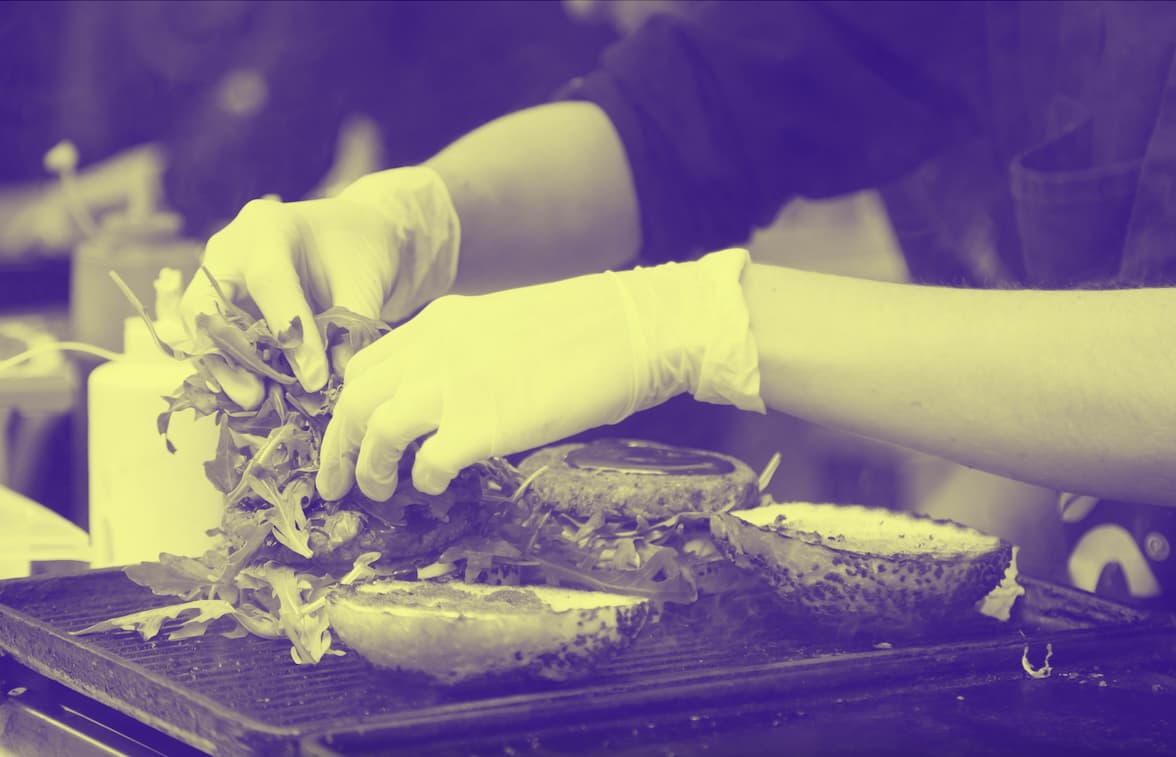
Regular glove changes enhance food safety. Fresh gloves reduce the risk of contamination. They keep harmful bacteria away from food. This is vital in preventing foodborne illnesses. Proper glove use protects both workers and customers.
Improved Hygiene
Changing gloves often improves hygiene. It ensures cleanliness in food handling. Dirty gloves can spread germs and bacteria. Fresh gloves maintain a clean environment. This is essential for safe food preparation.
Customer Trust
Proper glove management builds customer trust. Customers notice hygiene practices. They feel safer when workers change gloves regularly. It shows commitment to health and safety. This trust leads to customer loyalty and satisfaction.
Credit: www.fooddocs.com
Frequently Asked Questions
How Long Can A Food Worker Go Before Changing Gloves?
Food workers must change gloves every four hours during continuous use. Replace gloves between tasks or after contamination. Always change gloves after handling raw foods and before touching ready-to-eat items. Regular glove changes ensure hygiene and prevent cross-contamination.
What Are The Fda Requirements For Food Handling Gloves?
Food handling gloves must be FDA-approved for safety. They should be food-safe, durable, and free from harmful substances. Gloves must fit well and not tear easily. Proper labeling is required, and they should not contaminate food. Compliance with FDA regulations ensures hygiene and safety in food handling.
When To Change Gloves For Food Handlers?
Food handlers must change gloves after handling raw food, switching tasks, or touching contaminated surfaces. Always use clean gloves when handling ready-to-eat food. Replace gloves if torn or dirty to ensure food safety. Regular glove changes prevent cross-contamination and maintain hygiene standards in food preparation areas.
What Are The Rules For Gloves In Servsafe?
ServSafe requires gloves for handling ready-to-eat food. Change gloves when dirty, torn, or switching tasks. Wash hands before wearing new gloves. Never reuse disposable gloves. Ensure proper glove fit for safety.
Conclusion
Gloves are crucial in keeping food safe. But they can’t be worn forever. Changing them regularly prevents contamination. It’s best to switch gloves often, especially after touching raw food. This keeps germs away and maintains hygiene. Always inspect gloves for holes or damage.
Fresh gloves ensure clean and safe food handling. Remember, frequent changes are key. Your customers rely on you for safe meals. Prioritize their health by changing gloves often. It’s simple and effective. Stay mindful, stay clean. Safe food practices make a difference.