Imagine your lawn mower as a trusty sidekick, faithfully transforming your backyard into a tidy oasis year after year. But have you ever wondered how long your lawn mower will last?
Understanding the lifespan of your mower can save you time, money, and hassle in the long run. You want to make sure you’re getting the most out of your investment, right? We’ll dive into the factors that affect your lawn mower’s longevity, helping you keep it humming happily for years to come.
So, let’s explore what impacts your mower’s lifespan and uncover some tips to maximize its performance. Whether you’re a seasoned gardener or just starting out, you’ll find this guide essential in ensuring your lawn mower stands the test of time.

Credit: getgoldoon.com
Lifespan Of Lawn Mowers
The lifespan of lawn mowers is a topic of interest for anyone who cherishes a well-kept lawn. Whether you’re a weekend warrior or someone with a sprawling estate, understanding how long your lawn mower will last is crucial. Let’s dive into the factors that influence the longevity of these indispensable garden tools and what you can do to maximize their lifespan.
Understanding The Average Lifespan
Lawn mowers, when well-maintained, can last anywhere from 8 to 10 years. However, this varies significantly based on the type of mower and how frequently it’s used. Push mowers, for instance, often outlast riding mowers due to their simpler mechanics and fewer parts.
Factors Influencing Longevity
Several factors determine how long your mower will serve you. Regular maintenance is key. Cleaning the deck, sharpening the blades, and changing the oil are simple tasks that can extend your mower’s life.
The environment also plays a role. Mowers used in dusty or sandy areas may wear out faster due to abrasive particles. Are you storing your mower in a dry, sheltered place? Proper storage protects it from rust and mechanical failure.
Personal Experience: Maintenance Matters
From my own experience, I noticed a significant difference when I started routinely checking my mower. A simple oil change and blade sharpening every season kept my trusty push mower running smoothly for over a decade. Have you ever skipped a maintenance step and regretted it?
Signs Your Mower Might Be Nearing The End
Even with diligent care, mowers will eventually show signs of aging. Difficulty starting, uneven cutting, and increased noise are all red flags. If repairs become frequent and costly, it might be time to consider a replacement.
Practical Tips To Extend Mower Life
To get the most out of your mower, adhere to a regular maintenance schedule. Use fresh fuel and store it properly during the off-season. Also, consider investing in high-quality replacement parts to ensure better performance.
By focusing on these actionable insights, you can ensure your lawn mower serves you faithfully for years to come. What actions will you take today to extend the life of your lawn mower?
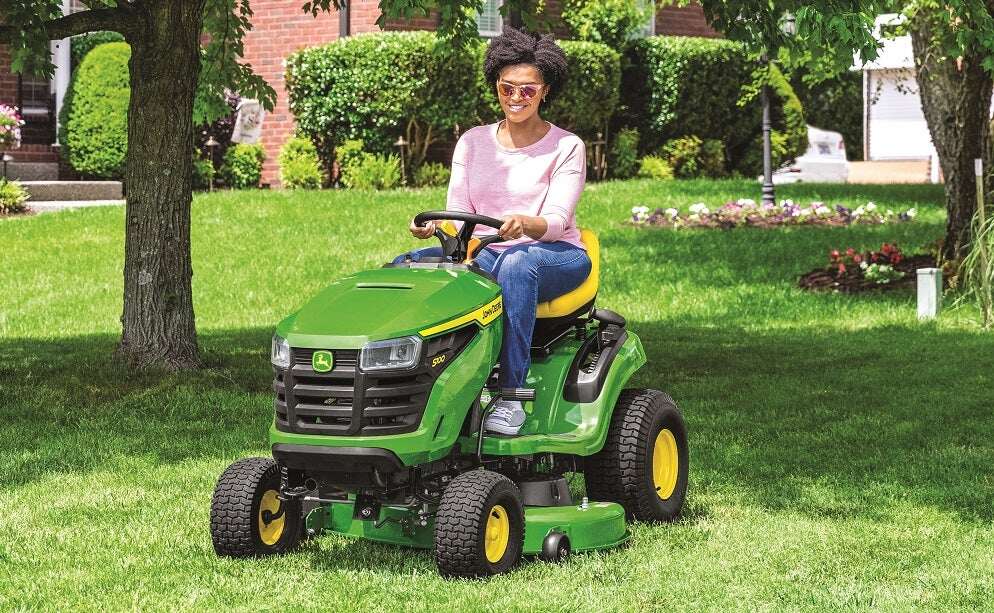
Credit: blog.koenigequipment.com
Factors Affecting Longevity
Lawn mowers are an investment. Their lifespan depends on several factors. Understanding these can help extend their life.
Build Quality
The materials used in a mower affect its durability. High-quality materials usually last longer. Brands known for good construction often provide reliable mowers.
Frequency Of Use
Mowers used often may wear out faster. Occasional use leads to less strain. Consider your mowing needs before purchase.
Type Of Terrain
Flat lawns are easy on mowers. Rough, uneven terrains cause more wear. Choose a mower suited for your lawn type.
Maintenance Practices
Regular maintenance extends a mower’s life. Clean parts after use. Check oil and blades often. Following the manual helps too.
Proper Maintenance Techniques
Proper maintenance can extend the life of lawn mowers to 10 years or more. Regularly check and change the oil, sharpen blades, and clean the air filter to ensure longevity. Keep your lawn mower in good condition for years of reliable service.
Maintaining your lawn mower properly can significantly extend its lifespan. Just like any other machine, your mower needs regular care to stay in top condition. Consistent maintenance not only ensures a longer life but also improves the performance of your mower. What are some effective techniques to keep your mower running smoothly? Let’s dive into some practical steps you can take.Regular Cleaning
Keeping your lawn mower clean is crucial. Grass clippings, dirt, and debris can build up under the deck and around the blades. This buildup can cause rust and reduce the mower’s efficiency. After each mowing session, take a few minutes to clear away any debris. A simple brush or a garden hose can work wonders. This small effort can prevent larger issues down the line.Blade Sharpening
A dull blade tears grass rather than cutting it cleanly. This not only stresses your lawn but also strains the mower. How often should you sharpen the blade? Ideally, after every 20-25 hours of mowing. You could do it yourself with a sharpening tool or take it to a professional. Remember, sharp blades lead to healthier lawns and more efficient mowing.Oil Changes
Oil is the lifeblood of your lawn mower’s engine. It lubricates the moving parts, reduces friction, and prevents overheating. Regular oil changes are vital to keep your mower running smoothly. Aim to change the oil after every 50 hours of use or once a season. Old oil can cause increased wear on the engine. Check your owner’s manual for specific instructions on the type and amount of oil to use.Air Filter Replacement
A clean air filter is essential for optimal engine performance. It prevents dirt and debris from entering the engine, which can cause damage over time. How often do you replace the air filter? Typically, once a season or more often if you mow in dusty conditions. A clogged filter can make your mower less efficient and increase fuel consumption. Inspect it regularly and replace it when needed. By taking these steps, you can ensure your lawn mower stays in excellent condition for years to come. What maintenance habits have you found effective for your mower? Sharing your experiences can help others too!Storage Tips
Lawn mowers can last 8 to 10 years with proper care. Regular maintenance, like cleaning and oil checks, extends their lifespan. Store them in dry places to avoid rust.
Storing your lawn mower properly can extend its lifespan significantly. Imagine investing in a reliable mower only to have it deteriorate due to poor storage. It’s a scenario you’d want to avoid, right? Proper storage isn’t just about finding a spot in your garage; it involves several key considerations to keep your mower in tip-top shape. Let’s dive into some actionable storage tips that can make all the difference.Avoiding Moisture
Moisture is your lawn mower’s silent enemy. Rust can sneak in and damage vital components if your mower isn’t stored correctly. Ensure your storage area is dry and well-ventilated. Use a tarp or cover specifically designed for mowers to shield them from unexpected leaks or dampness. A friend once stored his mower under a shed with a leaky roof; it wasn’t pretty when he found it covered in rust. Learn from that mistake—keep moisture at bay.Ideal Storage Conditions
Finding the right spot for your mower is crucial. You want an area that’s both convenient and protective. Aim for a place with stable temperatures, away from direct sunlight, which can degrade plastic parts over time. A corner in your garage or a dedicated outdoor shed can work wonders. Remember, keeping your mower elevated on a pallet or stand can prevent ground moisture from creeping in. It’s a simple yet effective strategy.Winterizing The Mower
Winter is coming, and your mower needs some TLC. Winterizing is not just for cars; mowers need it too. Drain the fuel to prevent gunk from forming in the engine. Clean the blades and undercarriage to remove grass clippings and debris that can cause corrosion. Why not add this task to your seasonal checklist? It’s a straightforward way to ensure your mower is ready to roar come springtime. — Have you ever thought about what goes into storing your mower effectively? It’s more than just finding a spot; it’s about creating the perfect environment for your trusted garden companion.Signs Of Wear And Tear
Recognizing signs of wear and tear in your lawn mower can save you time and money. Regular maintenance can extend the life of your mower. However, knowing what to watch for is crucial. Identifying issues early can prevent costly repairs and replacements. Below are key signs indicating your mower might need attention.
Engine Performance Issues
If your mower struggles to start, this might signal engine trouble. A sputtering engine is another sign of wear. You may notice the mower stalls frequently. Reduced power is a common issue as well. These symptoms often point to engine wear or fuel system problems. Address these issues promptly to avoid further damage.
Physical Damage
Visible damage can affect your mower’s efficiency. Look for cracks in the mower deck. Bent blades can reduce cutting quality. Loose bolts or screws may cause parts to rattle or fall off. Check the wheels for damage. Physical wear can lead to more serious mechanical failures.
Unusual Noises
Strange noises are a clear sign of trouble. Listen for grinding or squealing sounds. These noises often indicate mechanical issues. Loud banging or clunking sounds are serious red flags. Unusual noises can mean parts are worn or broken. Investigate noise sources quickly to prevent major repairs.
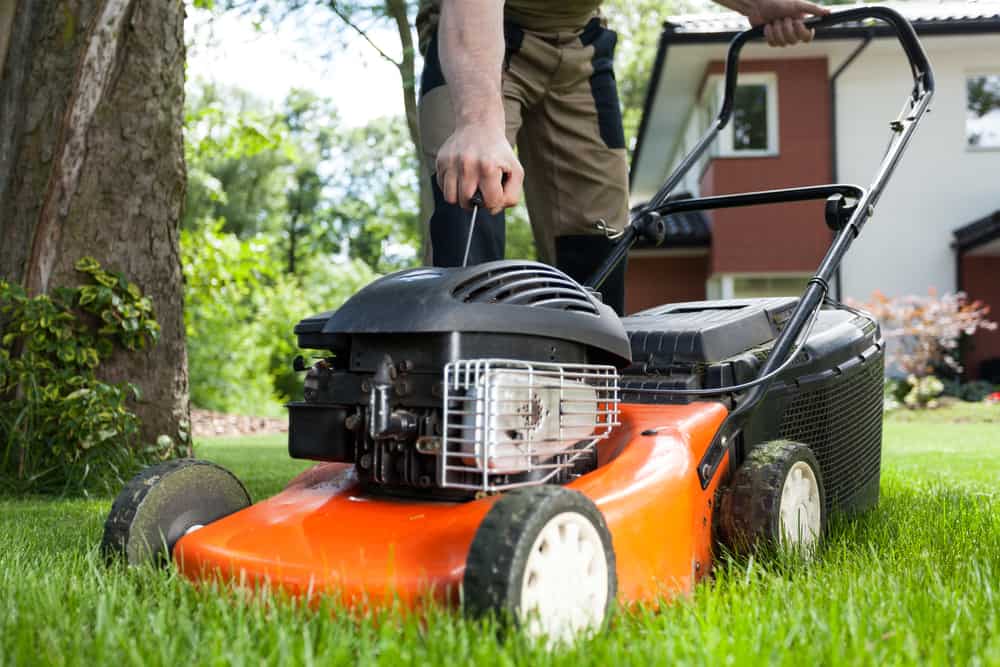
Credit: lithiumhub.com
When To Consider Replacement
Deciding when to replace your lawn mower can be tricky. It’s important to weigh several factors. A new lawn mower might be a better choice sometimes. Consider repair costs, new technology, and environmental impact. Each factor plays a crucial role in your decision.
Cost Of Repairs Vs. New Purchase
Frequent repairs can add up quickly. Compare repair costs with the price of a new mower. If repairs exceed half the cost of a new one, replacement might be wise. Older mowers may need more frequent repairs. New models often come with warranties, reducing long-term costs.
Technological Advancements
Technology in lawn mowers improves constantly. New models often feature better fuel efficiency. They also provide enhanced cutting power. Some even offer smart technology integrations. These advancements can save time and effort. A new mower can make yard work easier and more efficient.
Environmental Considerations
Old mowers can harm the environment. They often emit more pollutants. Newer models meet stricter emission standards. Electric mowers reduce carbon footprints significantly. Replacing an old mower can contribute to a healthier planet. Consider eco-friendly options for a greener choice.
Tips For Extending Mower Life
Extending the life of your lawn mower saves money and effort. Simple habits can make your mower last longer. Follow these tips to keep your mower in great shape and improve its lifespan.
Routine Inspections
Check your mower before each use. Look for loose bolts and screws. Tighten them if needed. Inspect the blades. Ensure they are sharp and damage-free. Examine the air filter. Clean or replace it regularly. A clean filter improves engine performance. Inspect the oil level. Change the oil as recommended by the manufacturer. Routine checks prevent bigger issues.
Using Quality Fuel
Use fresh, clean fuel in your mower. Old fuel can clog the engine. Buy fuel in small amounts to keep it fresh. Consider fuel stabilizers. They help prevent fuel degradation. High-quality fuel improves engine efficiency. Avoid ethanol-blended fuels. They can damage small engines. Quality fuel keeps your mower running smoothly.
Proper Usage Techniques
Operate your mower on dry grass. Wet grass can clog the blades. Avoid overloading the mower. Cut the grass in stages if it’s too high. Follow the manufacturer’s instructions. They provide guidance for optimal use. Store your mower in a dry place. Protect it from harsh weather. Proper usage extends the mower’s life.
Frequently Asked Questions
What Is The Average Life Of A Lawn Mower?
The average life of a lawn mower is around 8 to 10 years. Regular maintenance and proper care can extend its lifespan. Ensure timely oil changes, blade sharpening, and cleaning. Choosing a quality brand can also contribute to a longer-lasting mower.
How Often Should You Replace Your Lawn Mower?
Replace your lawn mower every 7 to 10 years for optimal performance. Factors like frequency of use and maintenance impact lifespan. Regular servicing extends its life, but noticeable inefficiency or frequent repairs indicate it’s time for a new one. Choose energy-efficient models for improved mowing and environmental benefits.
How Long Do Push Gas Lawn Mowers Last?
Push gas lawn mowers typically last 8 to 10 years with proper maintenance. Regular servicing extends their lifespan. Factors like usage frequency, storage conditions, and engine care influence durability. Replace worn-out parts promptly to maintain efficiency. Investing in quality models ensures longer service.
Keep the mower clean and dry to prevent rust.
Is 200 Hours On A Lawn Mower A Lot?
200 hours on a lawn mower is generally moderate usage. Regular maintenance ensures longevity and optimal performance. Newer models often last over 500 hours. Check the manufacturer’s guidelines for specific lifespan details. Consider usage frequency and mower condition when assessing wear and tear.
Conclusion
Lawn mowers offer years of service with proper care. Regular maintenance helps extend their lifespan. Cleaning and storing them correctly prevents damage. Monitor the engine and blades for signs of wear. Replace parts when needed to avoid bigger issues. Choose a mower that suits your lawn size and needs.
This ensures longevity and efficient performance. Investing in quality pays off with fewer repairs. Understanding these tips can save time and money. A well-maintained mower leads to a beautiful lawn. Keep these practices in mind for a lasting, reliable machine.