Are you considering drilling a water well for your home or property? If so, you’re probably wondering how long the process takes.
The timeframe can impact your plans and budget, and knowing what to expect can make all the difference. You might envision a quick and straightforward procedure, but the reality can be more complex. By understanding the factors involved, you can better prepare for this significant investment.
Imagine the peace of mind that comes from knowing exactly when your water well will be ready. We’ll break down the process, step by step, so you have a clear picture of the timeline. Get ready to dive into the details and discover how soon you could be tapping into your own source of fresh water.
Factors Affecting Drilling Time
Drilling a water well can vary in time due to several factors. Soil type, depth, and drilling equipment significantly influence the duration. Experienced drillers assess these elements to ensure efficient completion.
Drilling a water well is more than just digging a hole in the ground. It involves careful planning and consideration of various factors that can significantly impact the time it takes to complete the process. Understanding these factors can help you plan better and manage expectations. Let’s dive into the key elements that can affect drilling time.
Geological Conditions
The type of soil and rock you encounter plays a crucial role. Soft soil may allow for quicker drilling, while hard rock formations can slow down progress. I remember a project where we hit a thick layer of granite, and it added several days to the timeline. Are you prepared for the unexpected challenges that Mother Nature might throw your way?
Well Depth
How deep is the well going to be? Shallow wells obviously take less time to drill than deeper ones. A 50-foot well might be done in a day, but a 500-foot well could take over a week. Take a moment to consider the depth you need and how it aligns with your timeline.
Drilling Equipment
The efficiency of the equipment used can make a big difference. Modern rigs with advanced technology drill faster and with more precision. In one instance, upgrading to a newer model shaved days off the schedule. What kind of equipment are you planning to use, and is it up to the task?
Weather Conditions
Weather can be a wild card in your drilling project. Rain, snow, or extreme temperatures can delay work and create unsafe conditions. I once had to halt drilling for two days because of unexpected heavy rain. How will you plan around the weather in your area? By understanding these factors, you can better prepare for your well drilling project. Keep these elements in mind to ensure a smoother process and timely completion. What steps will you take to manage these variables effectively?
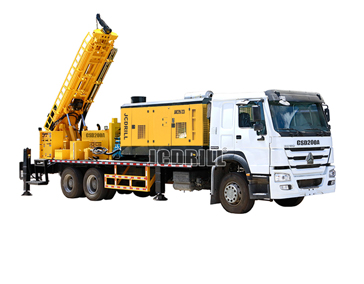
Credit: www.jcdrill.com
Steps In The Drilling Process
Drilling a water well involves several steps, including site preparation and the installation of casing. The process typically lasts a few days, depending on soil conditions and equipment efficiency.
Drilling a water well involves several steps to ensure efficiency. Each step plays a crucial role in the overall process. Understanding these steps can help you anticipate how long it might take to complete a water well.
Site Preparation
Site preparation is the first crucial step. It involves clearing the area where the well will be drilled. Workers ensure the site is accessible and free from obstacles. They also check for underground utilities to avoid damage. Proper site preparation can prevent delays and costly mistakes.
Drilling The Borehole
Drilling the borehole is the next step. A drill rig is used to create a hole in the ground. The depth and diameter depend on the water source. This phase can take a few days or weeks. The drill must reach the aquifer to ensure water access.
Casing Installation
Casing installation follows borehole drilling. A casing is inserted into the borehole. It prevents the walls from collapsing and keeps contaminants out. The casing ensures a clean water supply. Proper installation is critical for long-term well health.
Well Development
Well development is the final step. It involves clearing the borehole of debris and fine particles. Techniques like airlifting or surging are used. This process improves water flow. A well-developed borehole provides better water quality and quantity.
Average Timeframes
Drilling a water well requires careful planning and timing. The time it takes varies based on the type of well. Understanding average timeframes helps in planning better.
Residential Wells
Residential wells usually take less time than other types. The average timeframe is one to two weeks. Factors include the depth and location. Equipment availability can also impact the duration.
Commercial Wells
Commercial wells often require more time. They can take two to four weeks. Depth and size are key factors. Drilling deeper wells may extend the timeframe. Permits and inspections also play a role.
Agricultural Wells
Agricultural wells vary in time based on usage. Average time is two to three weeks. The size of the farm influences the duration. Soil type can affect drilling speed. Equipment efficiency matters significantly.

Credit: www.emergencywaterwell.com
Challenges And Delays
Drilling a water well involves many challenges and delays. These issues can extend the time needed to complete the project. Understanding these challenges helps in planning better and managing expectations.
Unexpected Geological Issues
The earth beneath us hides many surprises. Soil and rock types can vary greatly. Sometimes, the drill encounters hard rock or unstable ground. These unexpected geological issues slow down the drilling process. The drillers may need to change equipment or methods to continue. This causes delays and increases the cost of the project.
Equipment Malfunctions
Equipment malfunctions are common in water well drilling. Machines break down and need repairs. Even a minor malfunction can halt the entire project. This can lead to significant delays. Regular maintenance reduces the risk of equipment failure. However, malfunctions still occur, impacting the timeline.
Permitting And Regulations
Permitting and regulations play a big role in drilling a water well. Before starting, one must obtain the necessary permits. This process can be lengthy and complex. Different regions have different rules. Failing to comply can result in fines or work stoppages. Delays often arise from waiting for approvals or meeting regulatory requirements.
Expert Tips For Efficient Drilling
Drilling a water well is a significant project that requires careful planning and execution. To ensure efficiency, it’s crucial to have expert tips at your disposal. Whether you’re considering drilling a new well or optimizing an existing one, understanding the essential aspects can save you time and resources.
Choosing The Right Contractor
Your choice of contractor can make or break the efficiency of your drilling project. It’s not just about finding someone who can handle the job—it’s about finding the right person with experience and a proven track record. Ask around for recommendations and read online reviews. Talk to previous clients about their experiences. Wouldn’t you want someone who has drilled in similar soil conditions before?
Consider their equipment and technology. Advanced drilling rigs can make a huge difference in the speed and precision of the project. Also, ensure they are licensed and insured. This protects you from liabilities and guarantees a certain standard of work.
Preparing The Site
Site preparation is a step you cannot afford to overlook. Clear the area of debris and obstacles. You’ll need easy access for the drilling equipment and crew. Think about the environmental impact too. Are there trees or plants that need to be preserved?
Mark the exact location for drilling, ensuring it’s away from potential contamination sources like septic tanks. Before drilling starts, discuss the layout and logistics with your contractor. A well-prepared site can significantly reduce drilling time.
Understanding Local Regulations
Compliance with local regulations is non-negotiable. Research the permits and licenses required in your area. Ignoring these can lead to costly fines and delays. Your contractor should be familiar with these requirements, but it’s best if you understand them too.
Check if there are specific depth restrictions or water quality standards you must adhere to. Local regulations can vary widely, so what works in one area may not apply in another. Are you prepared to navigate these legal waters?
Efficient drilling isn’t just about speed. It’s about making informed decisions every step of the way. By choosing the right contractor, preparing your site meticulously, and adhering to regulations, you set the stage for a successful water well project.
Cost Implications Of Drilling Time
Drilling a water well involves several cost factors. The time taken directly affects the overall expense. Understanding these cost implications helps in budgeting effectively. The longer the drilling takes, the higher the costs can climb.
Labor And Equipment Costs
Labor costs rise with extended drilling time. Workers need to be paid for each hour on site. Equipment rental fees also accumulate daily. Efficient planning and execution minimize these costs. Delays can lead to increased expenses.
Permit And Inspection Fees
Permits are essential for legal drilling. Fees vary by location. Longer drilling may require more inspections. Each inspection carries its own fee. This adds to the total cost. Ensure permits and inspections are accounted for in your budget.
Unexpected Expenses
Unexpected issues can arise during drilling. These may include equipment breakdowns or hitting rock layers. Each problem can cause delays. Delays lead to additional costs. Preparing for these possibilities helps in managing expenses.
Frequently Asked Questions
How Long Does It Take To Drill A 200 Ft Water Well?
Drilling a 200 ft water well typically takes 1-3 days. Factors like soil type and equipment efficiency affect duration. Professional drillers ensure timely completion, minimizing disruptions. Always consult experts for precise estimates.
How Much Does It Cost To Drill A 500 Foot Well?
Drilling a 500-foot well typically costs between $5,000 and $15,000. Factors like location and geology affect price. Always consult local experts for precise estimates and permits requirements.
How Long Does It Take To Get A Well Drilled?
Drilling a well typically takes 1 to 3 days. Factors include depth, geology, and equipment used. Weather conditions and permits may affect duration. Always consult professionals for accurate timelines based on your location and requirements. Efficient planning ensures quicker completion.
Where Would Be The Worst Place To Drill A Well?
Drilling a well in a contaminated area is the worst choice. Toxic chemicals and pollutants can seep into the water, making it unsafe. Avoid locations near industrial sites, landfills, or sewage systems to prevent health risks and ensure water quality.
Always conduct a thorough site assessment.
Conclusion
Drilling a water well takes time and planning. Each project varies. Factors like location and depth affect the duration. Experienced drillers complete tasks quicker. Permits and inspections also add time. On average, it can take a few days to weeks.
Homeowners should consult experts. They provide accurate estimates. Patience is key for successful outcomes. Choosing the right team ensures efficiency and quality. A well-planned project meets your water needs. Always consider local regulations and site conditions. Doing so prevents unexpected delays.
Good preparation leads to smooth drilling. Enjoy your new water source. It’s worth the wait!