Are you considering drilling a well and wondering how long it might take? You’re not alone.
Whether you’re planning for a new water source on your property or exploring options for agricultural use, understanding the timeline for well drilling is crucial. The process isn’t just about digging deep into the earth; it involves several steps that can vary based on your location, the type of soil, and the purpose of the well.
This article will guide you through the typical timeline, breaking down each phase so you know exactly what to expect. Let’s dive into the details and unravel the mystery of well drilling timeframes. Stick around to discover the factors that could speed up or slow down your project, and ensure you’re fully prepared for the journey ahead.
Factors Affecting Drilling Time
Drilling time for a well depends on several factors like soil type, depth, and equipment used. Hard rock formations take longer to penetrate than soft soils. Modern machinery can speed up the process, but weather conditions might delay work.
Drilling a well is more than just digging a hole in the ground; it’s a complex process influenced by numerous factors. Understanding these elements can help you grasp why drilling times vary widely. Whether you’re planning to drill a well for water, oil, or gas, knowing what affects the timeline can save you time and money.
Geological Conditions
Geological conditions are one of the primary factors affecting drilling time. If the ground is composed of soft soil, drilling might proceed quickly. However, hitting a layer of rock can slow things down drastically. Imagine you’re drilling in a region with dense granite—each meter could take hours, even with advanced machinery. It’s essential to assess the geological makeup before starting.
Well Depth
The depth of the well is another crucial factor. Shallow wells might be completed in a day or two, while deeper wells can take weeks. Consider the difference between drilling a 100-meter water well and a 3,000-meter oil well. The deeper you go, the more complex the operation becomes. You might need to plan for additional equipment and increased labor hours.
Drilling Technology
The technology used in drilling can significantly impact the time required. Modern rigs equipped with automatic systems can speed up the process. Are you using a traditional rotary drill or a cutting-edge laser drill? The choice of technology can cut drilling time in half or even more. Investing in the right technology can be a game-changer.
Crew Experience
Never underestimate the power of an experienced crew. A seasoned team knows how to tackle unexpected challenges quickly. Have you ever watched a crew adjust to sudden equipment failure? Their experience enables them to solve problems efficiently, minimizing delays. Hiring skilled professionals can be crucial to staying on schedule. Drilling a well is a complex task with many moving parts. As you consider these factors, ask yourself: What can you do to streamline your drilling project? Understanding these elements not only prepares you for the task ahead but also empowers you to make informed decisions that can save time and money.
Types Of Wells
Drilling a well can take a few days to several weeks. The duration depends on the well type and location. Factors like soil conditions and equipment efficiency also influence the timeline.
Drilling a well might seem like a straightforward task, but the type of well significantly influences the time it takes. Whether you’re looking to tap into water, oil, or gas, each type presents its own unique challenges and considerations. Understanding these differences can help you make informed decisions and better plan for the future.
Water Wells
Water wells are typically drilled to access groundwater. The process can take anywhere from a few days to a couple of weeks. Factors like soil composition and water table depth play crucial roles. Imagine you’re living in a rural area, needing to secure a consistent water source. The drilling company might face rocky terrain or clay-heavy soil, slowing progress. It’s not uncommon for them to adjust their approach to reach the desired depth effectively. Have you ever thought about how water quality might impact drilling decisions? Ensuring the well taps into clean water can sometimes extend the timeframe, as more tests and adjustments are needed.
Oil Wells
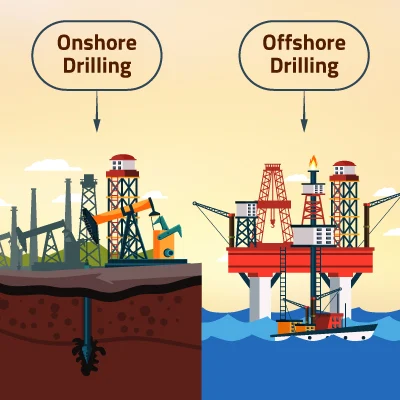
Oil wells are a different beast altogether. Drilling an oil well can take anywhere from a few weeks to several months. Depth and location are key influencers here. Consider the technological advancements in drilling rigs. Modern rigs can speed up the process, yet the complexity of oil extraction often demands more precision. This is where the expertise of drilling teams becomes invaluable. Ever wondered why offshore oil drilling takes longer? The challenging conditions and need for specialized equipment often extend the timeline compared to onshore drilling.
Gas Wells
Gas wells often overlap with oil wells in terms of technique, but they can differ in depth and geological challenges. The drilling can span weeks to months, similar to oil wells. Think about the importance of safety measures in gas drilling. The volatile nature of gas requires meticulous planning and execution, sometimes adding time to the project. Have you noticed the rise in demand for natural gas? This demand can lead to more drilling activities, which might influence timelines as resources and equipment are stretched across multiple projects. Drilling a well is not just a matter of how long it takes—it’s a complex interplay of environmental, technical, and resource factors. Each type of well presents unique challenges that can affect the drilling time. As you consider your next project, keep these insights in mind to better anticipate the journey ahead.
Drilling Phases
Drilling a well involves several key phases. Each phase plays a crucial role in the process. Understanding these phases helps in estimating the time required for drilling.
Site Preparation
Site preparation is the first step. It involves clearing the land and setting up equipment. Workers ensure safety measures are in place. This phase can take a few days to complete.
Drilling Operations
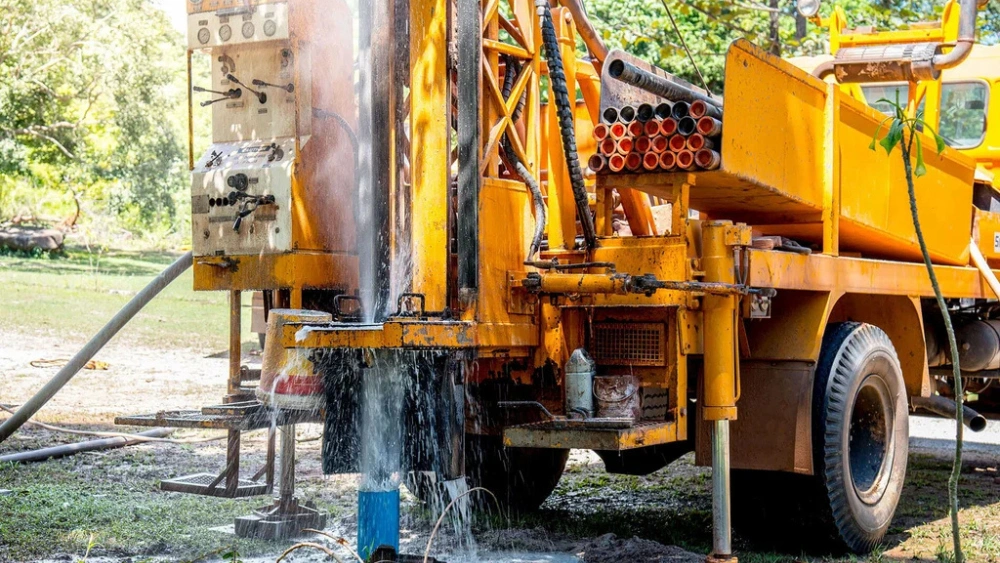
Drilling operations are the core of the process. A drill rig pierces the ground to reach the water source. The depth of the well influences the time taken. Drilling can take from days to weeks.
Completion And Testing
Completion and testing finalize the well. This phase includes installing the pump and pipes. Testing ensures the well functions correctly. It often takes several days to finish.
Estimating Drilling Duration
Understanding how long it takes to drill a well is important. The time varies based on the type of well. Factors like depth, location, and technology also matter. Here, we break down the average time for water, oil, and gas wells.
Average Time For Water Wells
Water wells usually take a few days to drill. Depth and soil conditions influence the duration. Shallow wells in soft soil are quicker. Deep wells in rocky areas take more time.
Average Time For Oil Wells
Drilling oil wells can take weeks or months. Depth and geological conditions are key factors. Offshore wells often require more time. Onshore wells might be faster, but still complex.
Average Time For Gas Wells
Gas wells often take several weeks to drill. The process is similar to oil well drilling. Geological challenges can extend the duration. Advanced technology can help speed up the process.
Challenges And Delays
Drilling a well can face many challenges and delays. These issues can extend the time needed for completion. Understanding potential obstacles helps in planning and managing expectations.
Weather Conditions
Weather can greatly impact drilling operations. Rain makes the ground unstable. Snow and ice can halt work. Strong winds pose a danger to equipment and workers. Planning around weather forecasts can reduce delays.
Equipment Failure
Equipment breakdowns can cause significant delays. Drilling relies on complex machinery. Any failure needs immediate attention. Regular maintenance helps, but unexpected issues can still occur. Having spare parts on hand can minimize downtime.
Regulatory Compliance
Regulatory compliance is crucial in well drilling. Permits must be obtained before starting. Inspections ensure safety and environmental protection. Delays can occur waiting for approvals. Staying informed about local regulations helps avoid surprises.
Cost Implications
Drilling a well involves more than just time and effort. The cost implications also play a significant role. Understanding the financial aspects can help you plan better. It’s crucial to break down the expenses into direct and indirect costs.
Direct Costs
Direct costs cover expenses you can easily track. Equipment rental is a major part. You might need a drilling rig, which is costly. Labor costs also fall under direct expenses. Skilled workers are necessary for a successful operation. Permits and licenses are additional expenses. These are mandatory and can vary by location. Materials like casing and cement also contribute to direct costs.
Indirect Costs
Indirect costs are not as obvious but still impact the budget. Delays in the drilling process can increase costs. Weather conditions might cause unexpected pauses. Maintenance of equipment is another indirect cost. Regular checks and repairs prevent breakdowns. Utility expenses, like fuel, add to indirect costs. Transporting equipment and materials also incurs costs.
Tips For Efficient Drilling
Drilling a well requires time and precision. Efficient drilling saves time and money. Follow these tips to streamline the process. Proper equipment and skilled professionals play a crucial role. Regular maintenance ensures smooth operations.
Choosing The Right Equipment
Selecting the correct equipment is essential. The right tools enhance efficiency. Consider the soil type and depth needed. Choose equipment that suits these conditions. Quality gear reduces delays and breakdowns. It also minimizes potential hazards.
Hiring Skilled Professionals
Experienced professionals make a big difference. They understand the drilling process well. Skilled workers handle equipment better. They can troubleshoot issues quickly. This expertise saves valuable time. It also ensures safety on the site.
Regular Maintenance
Regular maintenance keeps equipment in top shape. Inspect tools before starting the project. Check for wear and tear regularly. Address minor issues immediately. Routine checks prevent major breakdowns. Maintenance boosts efficiency and safety.

Credit: waterwelling.com
Credit: www.mineralview.com
Frequently Asked Questions
How Long Does It Take To Drill A 100 Ft Well?
Drilling a 100 ft well usually takes 1 to 3 days. Time varies based on soil conditions and equipment. Hiring experienced professionals ensures efficient work and accurate results. Plan for potential delays due to weather or unforeseen challenges. Regular updates from the drilling team help manage expectations.
How Long Does It Take To Get A Well Drilled?
Drilling a well typically takes 1 to 3 weeks. Factors include depth, location, and geological conditions. Experienced crews and modern equipment can speed up the process. It’s crucial to conduct thorough planning and site assessment for efficient drilling. Always hire reputable professionals to ensure quality and safety.
How Many Hours To Drill A Well?
Drilling a well typically takes 1 to 3 days, depending on depth and soil conditions. Experienced professionals may complete faster. Geological factors and equipment efficiency influence the duration. Always consult a local expert for precise estimates.
How Much Does It Cost To Drill A 500 Foot Well?
Drilling a 500-foot well typically costs between $5,000 and $15,000. Costs vary based on location, materials, and labor. Always consult local professionals for accurate estimates.
Conclusion
Drilling a well takes careful planning and patience. Timelines can vary widely. Factors like location, depth, and equipment affect the process. Professional teams ensure safety and efficiency. Weather can also impact drilling time. It’s important to work with experienced drillers.
They help anticipate and manage challenges. Proper preparation leads to smoother operations. Always plan ahead for potential delays. Understanding these elements helps set realistic expectations. A well-drilled well provides long-term benefits. Reliable water supply is crucial for many needs. Investing time in the process pays off.
With patience, a successful outcome is achievable.