Are you in the market for a riding lawn mower, but feeling overwhelmed by the choices? One of the critical factors you might be overlooking is the weight of the mower.
Understanding how much riding lawn mowers weigh can make a significant difference in your buying decision. The weight affects not only how you maneuver the mower but also how it impacts your lawn and storage. You might wonder why weight matters so much, or how it influences the efficiency and usability of your mower.
You’ll discover everything you need to know about the weight of riding lawn mowers, helping you make a smarter, more informed purchase. Stay with us to learn how this vital detail can change your lawn care experience.
Factors Influencing Weight
Riding lawn mowers weigh between 300 to 600 pounds. Engine size, deck materials, and added features influence their weight. Larger mowers often have more powerful engines, making them heavier.
Factors influencing the weight of riding lawn mowers are varied. Each component contributes to the overall heaviness. It’s crucial to understand these elements. They affect how the mower performs and handles.Engine Size And Type
The engine is a significant factor. Larger engines weigh more. They often provide more power, allowing efficient mowing. Gas engines tend to be heavier than electric ones. Their components, like fuel tanks, add weight. Electric engines are lighter, suitable for smaller yards.Cutting Deck Size
The cutting deck is another key factor. A larger deck covers more ground. This increases the mower’s weight. It also affects the cutting width and efficiency. Smaller decks are lighter and easier to maneuver. Choose based on your lawn size.Construction Materials
Materials used in construction play a role. Steel frames are sturdy but heavy. Aluminum frames are lighter, but less durable. Plastic parts reduce weight but may not last long. Consider durability against weight. Your choice impacts the mower’s longevity.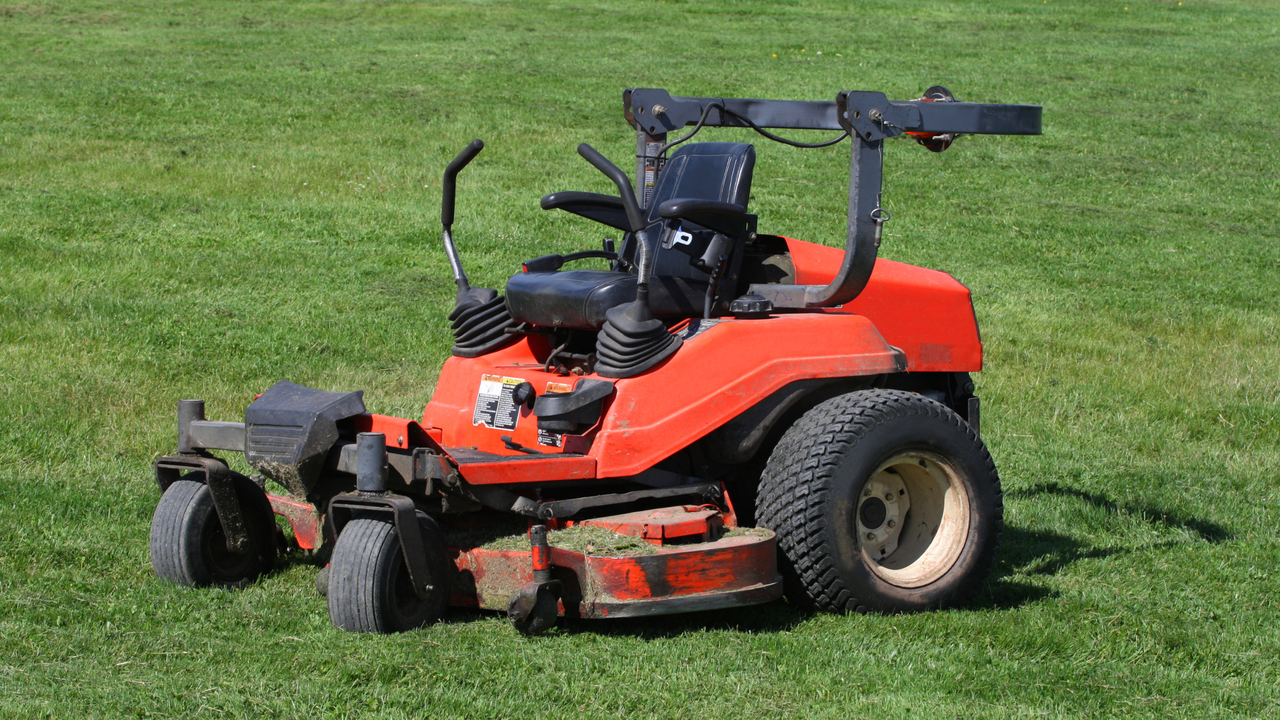
Credit: www.yarbo.com
Weight Categories
When choosing a riding lawn mower, its weight plays a crucial role in determining its usability and efficiency. The weight impacts how easy it is to maneuver, transport, and store. Understanding the different weight categories can help you make an informed decision that suits your needs and preferences. Let’s break down the weight categories into three main groups: lightweight, medium weight, and heavy-duty mowers.
Lightweight Mowers
Lightweight mowers typically weigh between 300 to 400 pounds. These mowers are perfect for small yards and offer easy maneuverability. If your lawn is on the smaller side, these mowers can be your best friend. They are easy to store and generally more affordable. However, they might lack some of the power needed for larger or more challenging terrains.
Imagine a mower that glides seamlessly through your yard, making the task feel less like a chore. You’ll find that lightweight mowers can often fit in tighter spaces, allowing you to cut grass precisely around delicate flower beds or intricate landscapes. Consider how often you’ll need to transport your mower—lighter models are easier to load onto a trailer or truck.
Medium Weight Mowers
Medium weight mowers usually range from 400 to 600 pounds. These are a popular choice for homeowners with medium-sized lawns. They offer a balance between power and ease of handling. Do you have a variety of terrains in your yard? Medium weight mowers can handle gentle slopes and uneven ground better than their lighter counterparts.
Think about how a medium weight mower can provide a sturdy ride without compromising on mobility. You’ll appreciate their versatility if your lawn includes several types of grass or features. These mowers provide enough force to tackle moderate grass density without feeling cumbersome.
Heavy-duty Mowers
Heavy-duty mowers weigh over 600 pounds and are built for large properties or professional use. They offer robust power and durability, perfect for extensive landscaping projects. If your lawn feels more like a field, a heavy-duty mower is what you need. These machines can effortlessly cut through thick grass and handle tough terrains.
Consider the investment in a heavy-duty mower if you’re serious about maintaining a vast lawn or need a reliable tool for commercial purposes. These mowers often come with advanced features that make long mowing sessions more comfortable. However, ensure you have enough storage space and a reliable transportation method for these heavier machines.
As you think about these weight categories, ask yourself: What is the size and layout of my lawn? How often will I need to move the mower around? Answering these questions can lead you to the perfect riding lawn mower for your needs.
Popular Models And Their Weights
Choosing the right riding lawn mower depends on many factors. One of the key considerations is its weight. Mowers vary in weight depending on their design and purpose. Understanding the weight of popular models helps in making an informed decision. Here, we explore the weights of some well-known residential and commercial riding lawn mowers.
Residential Models
Residential riding lawn mowers are designed for home use. They are usually lighter than commercial models. The John Deere E100, for example, weighs around 415 pounds. This model is user-friendly for small to medium-sized lawns. Another popular choice is the Cub Cadet XT1 Enduro Series. It weighs about 470 pounds. It offers a good balance between performance and weight.
Commercial Models
Commercial models are built for larger areas. They are typically heavier and more robust. The Toro TimeCutter series weighs approximately 656 pounds. It suits professionals who need durability. The Husqvarna MZ61 is another commercial favorite. This model weighs around 770 pounds. It’s ideal for extensive landscaping tasks. These mowers handle tough jobs with ease.
Impact Of Weight On Performance
Understanding the weight of riding lawn mowers is crucial for optimal performance. Whether you’re a seasoned gardener or a homeowner looking to maintain a pristine lawn, the weight of your mower can significantly impact its efficiency. The weight influences maneuverability, fuel consumption, and adaptability to various terrains. Let’s delve into how these factors play out and what you should consider when choosing the right mower for your needs.
Maneuverability
Have you ever struggled to navigate tight corners or dodge flower beds? A heavier mower might be challenging to steer, especially in small or intricate spaces. Lighter mowers offer ease in turning and navigating obstacles, making them ideal for complex landscapes. But remember, sometimes weight adds stability, reducing the risk of tipping over when making sharp turns.
Fuel Efficiency
Do you want to save on fuel costs? Consider the weight of your mower. Heavier mowers can demand more power, leading to higher fuel consumption. On the flip side, lighter mowers tend to be more economical, allowing you to mow longer without refueling. However, the engine type and efficiency play a role too, so weigh these factors carefully.
Terrain Adaptability
Imagine trying to mow a hilly or uneven lawn. How does the weight of your mower affect its ability to tackle such terrains? A heavier mower might provide better traction and stability on slopes, preventing slippage. Yet, lighter models can easily navigate flat surfaces but may struggle on steep inclines. It’s a balancing act—consider your terrain before making a choice.
Choosing the right mower weight is more than just a number; it’s about matching it with your lawn’s needs. So, what’s your terrain like, and how do you prioritize efficiency and maneuverability? Consider these factors to find your perfect mower match.
Transport And Storage Considerations
Riding lawn mowers typically weigh between 300 to 600 pounds. Consider the weight for transport and storage. Ensure your space can handle this weight safely.
Transporting and storing a riding lawn mower can pose unique challenges due to its weight and size. Whether you’re moving your mower across town or finding a spot in your garage, understanding these considerations is crucial. Let’s dive into practical insights that will help you manage these aspects efficiently.Towing And Loading
Have you ever tried loading a riding lawn mower onto a trailer? It’s no small feat! Mowers can weigh anywhere from 300 to 600 pounds, depending on the model. Make sure your trailer is equipped to handle this weight. Consider using ramps designed specifically for lawn mowers. They provide stability and ease during loading. Always secure the mower with straps to prevent it from shifting during transport. Safety is paramount. Double-check that your towing vehicle can handle the added weight. A common mistake is overlooking the towing capacity, which can lead to dangerous situations.Space Requirements
Storing a riding lawn mower requires careful planning. Its dimensions can range from 4 to 7 feet in length, making it a substantial piece of equipment. Measure your garage or storage area beforehand. Think about accessibility. You’ll need enough space to maneuver the mower in and out without damaging other items. Consider a dedicated corner or section in your garage. Have you considered vertical storage solutions? If space is tight, explore racks or lifts designed for mowers. They maximize space while keeping your equipment safe and accessible. Do these considerations make you rethink your current setup? Transporting and storing your mower efficiently not only saves space but also prolongs its lifespan.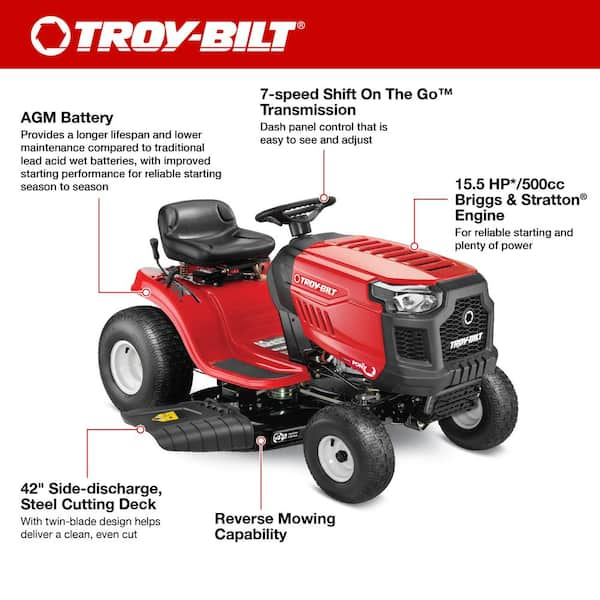
Credit: www.homedepot.com
Choosing The Right Weight For Your Needs
Riding lawn mowers typically weigh between 300 and 600 pounds. Choosing the right weight depends on your yard size and terrain. A heavier mower offers more stability, while a lighter one provides better maneuverability.
Choosing the right weight for a riding lawn mower is crucial. It affects performance, fuel efficiency, and ease of use. A mower’s weight can impact how you manage your lawn. Understanding your specific needs helps in making the best choice.Assessing Lawn Size
A larger lawn often requires a heavier mower. These mowers cover more ground efficiently. A smaller lawn, on the other hand, benefits from a lighter model. It offers easy maneuverability. Heavier mowers might be overkill for small yards. Consider your lawn size carefully.Evaluating Terrain
Flat terrains are easier for any mower. Light or heavy, both perform well. Hilly or uneven terrains need a different approach. Heavier mowers provide better traction on slopes. They are stable and less likely to tip. A light mower might struggle on hills. Assess your terrain before deciding.Budget Considerations
Weight impacts the cost of a mower. Heavier models are often more expensive. They come with advanced features and durability. Lighter mowers tend to be budget-friendly. Consider your budget and lawn needs. Balance cost with performance for the best choice.
Credit: us.mammotion.com
Frequently Asked Questions
How Much Does An Average Riding Lawnmower Weigh?
An average riding lawnmower weighs between 300 to 600 pounds. Weight varies by model and features. Compact models tend to weigh less, while those with more features or larger engines are heavier. Always check the manufacturer’s specifications for precise information.
Can You Lift A Riding Lawn Mower Into A Truck?
Lifting a riding lawn mower into a truck requires proper equipment. Use ramps or a hydraulic lift for safety. Ensure the mower is secure during transportation. Always follow manufacturer guidelines to avoid damage or injury. Consider professional help if unsure.
How Much Does A 42 Riding Mower Weigh?
A 42-inch riding mower typically weighs between 400 to 600 pounds. Weight varies by brand and model. Always check the manufacturer’s specifications for precise details. Riding mowers can be heavy due to their engines and durable construction. Consider weight for transportation and storage needs.
What Is The Weight Of A Craftsman Riding Lawn Mower?
A Craftsman riding lawn mower typically weighs between 400 to 600 pounds. Weight varies by model and features. Check the product specifications for exact weight details. Always consider weight for transport and storage requirements.
Conclusion
Riding lawn mowers come in various sizes and weights. Understanding their weight helps with transport and storage decisions. Heavier models offer stability but may be harder to maneuver. Consider your yard size when choosing the right mower. A lighter model suits smaller spaces, while larger mowers work well for expansive areas.
Research and compare different models to find the best fit. Weight affects performance and ease of use, so choose wisely. Keep your needs and preferences in mind before purchasing. Selecting the right mower ensures efficient lawn care and a smooth mowing experience.