Have you ever felt that sudden jolt of panic when your car’s ABS warning light flickers on? It’s a scenario many drivers face, and it can be both alarming and confusing.
The Anti-lock Braking System (ABS) is crucial for your safety, ensuring that your car maintains traction on slippery roads. But when that light goes on, it might be signaling a problem with your ABS sensor. Before rushing to a mechanic, wouldn’t it be empowering to know how to check this sensor yourself with a simple tool like a multimeter?
This article will guide you step-by-step, demystifying the process so you can confidently handle this common car issue. By the end, you’ll not only save time and money but also gain peace of mind knowing exactly what’s happening under the hood. Ready to take control of your car’s safety features? Let’s dive in.
Credit: parts.olathetoyota.com
Abs Sensor Basics
ABS sensors play a crucial role in vehicle safety systems. These sensors monitor wheel speed and help prevent wheel lockup. Understanding how they work can aid in diagnosing issues. A multimeter can assist in checking their functionality.
Purpose Of Abs Sensors
ABS sensors measure the speed of each wheel. This information helps the ABS system control braking. The goal is to maintain traction and prevent skidding. They provide real-time data crucial for safety.
Common Types Of Abs Sensors
There are two primary types of ABS sensors: passive and active. Passive sensors, also known as inductive sensors, do not require an external power source. They generate an AC signal as the wheel turns.
Active sensors, on the other hand, need an external power source. They produce a digital signal and are more accurate. Understanding the type of sensor in your vehicle is key for proper maintenance.

Credit: www.youtube.com
Tools Required
When checking an ABS sensor, having the right tools is crucial. The essential tools ensure accurate readings, helping you diagnose issues effectively. Let’s dive into what you need.
Multimeter Essentials
A multimeter is your primary tool for testing an ABS sensor. Choose a multimeter that measures voltage, resistance, and continuity. Ensure it has a clear display for easy reading.
Digital multimeters are preferred for precision. They offer more accurate readings than analog ones. Look for auto-ranging features to simplify the testing process.
Additional Tools For Testing
Along with a multimeter, you need a few more items. Alligator clips are useful. They help connect the multimeter to the sensor wires securely.
Safety gloves and goggles protect you while testing. They prevent injuries from unexpected electrical surges. A flashlight can be handy too, especially in dimly lit areas.
Having a clean cloth or towel is beneficial. It helps wipe the sensor area clean. This ensures better contact and accurate readings.
Safety Precautions
Before testing an ABS sensor with a multimeter, ensure the vehicle is off and parked on a flat surface. Wear protective gloves to avoid electric shocks. Disconnect the sensor carefully, and check for any visible damage before proceeding with the multimeter testing.
Checking an ABS sensor with a multimeter is a task that requires careful attention to safety. The use of electrical equipment, combined with working around a vehicle, poses several risks. Before you dive into the process, consider these safety precautions to ensure your well-being.Protective Gear
Always wear protective gear when working on your vehicle. This includes safety goggles to protect your eyes from any sparks or debris. Gloves are also essential to protect your hands from sharp edges and electrical shocks. Think of protective clothing like a seatbelt—it might feel unnecessary until it saves you from injury. In one of my experiences, a simple pair of gloves saved me from a nasty cut when a tool slipped. Don’t underestimate the power of protective gear.Safe Working Environment
Ensure your workspace is well-lit and clean. A cluttered area can lead to accidents, as tools or components might be misplaced or cause tripping hazards. Keep your workspace dry, especially when dealing with electrical tools like a multimeter. Water and electricity are a dangerous combination. Have you ever tried to concentrate in a chaotic room? A tidy environment helps you focus and reduces the risk of mistakes. Finally, consider the location of your vehicle. If you’re working in a garage, make sure it’s well-ventilated. This prevents any harmful fumes from accumulating, keeping you safe and alert. Safety isn’t just about avoiding accidents; it’s about creating a space where you can work confidently and efficiently. Are you prepared to create that environment before you start checking your ABS sensor?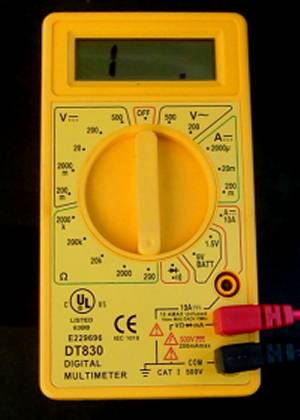
Credit: www.peachparts.com
Locating The Abs Sensor
Finding the ABS sensor is a crucial step in diagnosing sensor issues. This small device monitors wheel speed and ensures safe braking. Knowing its exact location is vital for accurate testing.
Different vehicles have varied sensor placements. Understanding your car’s specific configuration aids in smooth troubleshooting.
Identifying Sensor Location
Begin by checking your vehicle’s manual. It usually has diagrams showing sensor positions. Typically, ABS sensors are near the wheels. Look for small electrical connectors or wiring near the wheel hub. This can guide you to the sensor’s exact location.
Accessing The Sensor
Accessing the sensor might require removing parts. Lifting the car safely is often necessary. Use a jack to elevate the vehicle for better reach. Remove the wheel if needed for sensor access. Be careful when handling the sensor to avoid damage.
Ensure you have the right tools. A socket set might be required for loosening bolts. Once accessed, inspect the sensor and wiring for any visible damage. This prepares you for testing with a multimeter.
Preparing The Multimeter
Before diving into the intricacies of checking an ABS sensor with a multimeter, it’s vital to set up your multimeter correctly. This ensures accuracy and reliability in your readings, ultimately helping you diagnose the problem effectively. Preparing your multimeter is a step that shouldn’t be overlooked, as it lays the foundation for a successful troubleshooting session.
Setting The Multimeter
First, ensure your multimeter is in good working condition. Check the battery level—nobody wants to be halfway through a check only to realize the battery is dead.
Inspect the leads for any visible damage. A frayed wire can lead to incorrect readings. Personal experience has taught me that a quick visual inspection can save you from frustrating errors.
Turn the multimeter on and ensure the display is clear and readable. An unreadable display can lead to misinterpretation, which can be costly if you’re diagnosing a vehicle issue.
Selecting The Right Mode
Set your multimeter to the correct mode for measuring resistance, usually denoted by the Greek letter Omega (Ω). This is crucial for checking an ABS sensor, as you’ll be measuring the sensor’s resistance.
Ensure the settings match the expected range of the sensor you’re testing. ABS sensors typically require a specific resistance range, often detailed in the vehicle’s manual.
Have you ever wondered why your readings are off? It might be a simple mistake in selecting the wrong mode. Double-checking this setting can save you a headache later.
By preparing your multimeter correctly, you set yourself up for success. Accurate readings can pinpoint the problem, saving time and effort. So, take a moment to ensure your multimeter is ready before you start testing. Have you ever faced challenges in setting up your multimeter? What steps do you find most crucial? Let us know your thoughts in the comments!
Testing The Abs Sensor
Use a multimeter to check an ABS sensor’s functionality. Measure the resistance to ensure it’s within the specified range. This simple test helps identify faulty sensors quickly.
Testing your ABS sensor with a multimeter can seem daunting, but it’s a straightforward process that anyone can learn. Whether you’re troubleshooting a warning light or simply curious about your car’s health, checking the ABS sensor is a valuable skill. It’s surprising how many car issues you can diagnose on your own with just a little know-how and a multimeter in hand. Have you ever wondered how that small piece of technology can affect your car’s safety? Let’s dive into the practical steps of testing the ABS sensor, ensuring that your vehicle remains roadworthy and safe.Checking Resistance
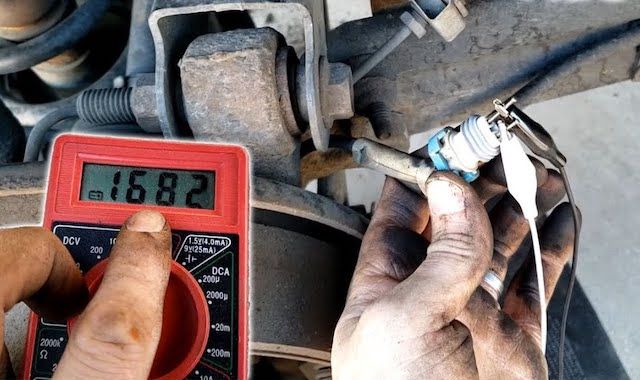
Begin by setting your multimeter to the resistance (ohms) setting. Disconnect the ABS sensor from the car’s wiring harness, then attach the multimeter probes to the sensor’s terminals. You should see a specific resistance value, often between 800 and 2000 ohms. Check your vehicle’s manual for the exact range. If the reading is out of this range, it could indicate a faulty sensor. Remember the time when your car suddenly skidded on a wet road? A well-functioning ABS sensor helps prevent that.Measuring Voltage
Turn your multimeter to the DC voltage setting. Reconnect the sensor and start your car. Carefully insert the probes into the back of the sensor’s connector while the engine is running. A healthy ABS sensor will produce a small AC voltage when the wheel is spun. Is the voltage reading consistent with the manual’s specifications? Any deviation might mean it’s time for a replacement.Interpreting Results
Understanding the results from your multimeter is crucial. If you notice any inconsistencies in resistance or voltage, it may signal an issue with the sensor or its connections. Consider the implications: a faulty ABS sensor can compromise your car’s braking system, affecting your safety. Ask yourself, how confident do you feel driving with an uncertain braking system? Stay proactive about maintenance. Diagnosing these issues early can save you from costly repairs and, more importantly, keep you safe on the road.Troubleshooting Tips
Checking an ABS sensor with a multimeter can solve brake issues. Understanding troubleshooting tips is vital for a smooth process. This guide will help you identify common issues and offer solutions. Learn how to effectively address ABS sensor problems.
Common Issues
ABS sensors often suffer from dirt and debris buildup. This affects their performance. Corroded connections can cause inaccurate readings. Damaged wires can also lead to sensor failure. Misaligned sensors may provide faulty data. It’s essential to identify these issues early.
Solutions And Repairs
Clean the ABS sensor using a soft brush. Ensure debris is completely removed. Check the sensor’s connections for corrosion. Clean or replace them if necessary. Inspect wires for any visible damage. Repair or replace damaged wires promptly. Align the sensor properly to ensure accurate readings. Regular maintenance can prevent many common issues.
When To Seek Professional Help
While checking an ABS sensor with a multimeter can be a straightforward task, there are times when seeking professional help is crucial. Understanding the nuances of when to call in an expert can save you time, money, and ensure your vehicle’s safety. Identifying severe problems early and knowing the benefits of expert assistance can make all the difference.
Signs Of Severe Problems
Have you noticed persistent warning lights on your dashboard? This could be a sign that your ABS system needs more than just a DIY fix. If your vehicle’s brakes are becoming less responsive or you hear unusual grinding sounds, it might be time to seek professional help.
Sometimes, even after checking the sensor with a multimeter, the issue persists. This indicates deeper electrical problems that could affect your vehicle’s overall performance. Would you trust your safety to a faulty diagnosis?
Benefits Of Expert Assistance
Turning to a professional ensures that the problem is diagnosed correctly. Experts use advanced tools and have the experience to spot issues that may be invisible to the untrained eye. They can offer solutions that are not only effective but also long-lasting.
Imagine the peace of mind knowing your vehicle has been thoroughly checked by a specialist. Professionals often guarantee their work, which can prevent future headaches. Isn’t it worth investing in your safety and vehicle’s health?
While DIY methods are great for minor issues, recognizing when to seek professional help can safeguard your vehicle and potentially save lives. Don’t let a small oversight become a major problem. Trust the experts when the signs point to severe issues.
Frequently Asked Questions
Can You Test An Abs Sensor With A Multimeter?
Yes, you can test an ABS sensor with a multimeter. Set the multimeter to measure resistance. Connect the probes to the sensor terminals. A healthy sensor typically shows resistance between 800 and 2,500 ohms. If the reading is outside this range, the sensor might be faulty.
How To Check If An Abs Sensor Is Bad?
Test the ABS sensor using a multimeter to check resistance. Inspect for physical damage or corrosion. Drive the vehicle and observe any ABS warning lights. Use a diagnostic scanner to read fault codes. Consider professional evaluation for accurate diagnosis if uncertain.
How To Check If A Sensor Is Bad With A Multimeter?
Set the multimeter to the appropriate setting. Test the sensor’s resistance or voltage. Compare readings to manufacturer specifications. Unusual readings suggest a faulty sensor.
What Voltage Should An Abs Sensor Read?
An ABS sensor typically reads between 0. 5 to 1. 5 volts AC when the wheel is spinning. At rest, it should show zero volts. Ensure connections are clean for accurate readings. Faulty sensors may display inconsistent or no voltage.
Always consult your vehicle’s manual for specific voltage requirements.
Conclusion
Testing your ABS sensor with a multimeter is simple. Follow the steps carefully. First, gather your tools. Next, test the sensor’s resistance. Check for any faults. Clean connections if necessary. Always ensure safety while working. A faulty sensor affects braking.
Replace it if needed. This guide helps you maintain your vehicle’s safety. Regular checks prevent bigger issues. Stay informed and proactive. Your car’s health depends on it. Keep learning about your vehicle. Understanding basic maintenance saves money and stress. Now, you’re ready to check your ABS sensor confidently.
Happy driving!