If you’ve ever worked with concrete, you know that cleaning your concrete mixer is crucial. But do you know the best way to do it?
A dirty mixer can mess up your next batch and even shorten the life of your equipment. This article will show you exactly how to clean your concrete mixer effectively and efficiently. You’ll discover simple steps that save you time, money, and a lot of headaches.
By the end, you’ll have the confidence to keep your mixer in top condition, ensuring every mix is just right. Ready to keep your tools in prime shape? Let’s dive in and make your cleaning routine as smooth as a freshly poured slab.
Essential Cleaning Tools
Cleaning concrete mixers is essential for their longevity and performance. Using the right tools makes the task easier and more efficient. Having the proper equipment ensures that every crevice is free of hardened concrete. This helps in maintaining the mixer’s functionality and efficiency.
Brushes With Stiff Bristles
Stiff-bristled brushes are crucial for scrubbing away dried concrete. They help remove stubborn spots that a simple rinse can’t handle. Opt for brushes with long handles. This allows for better reach into deep parts of the mixer.
Pressure Washer
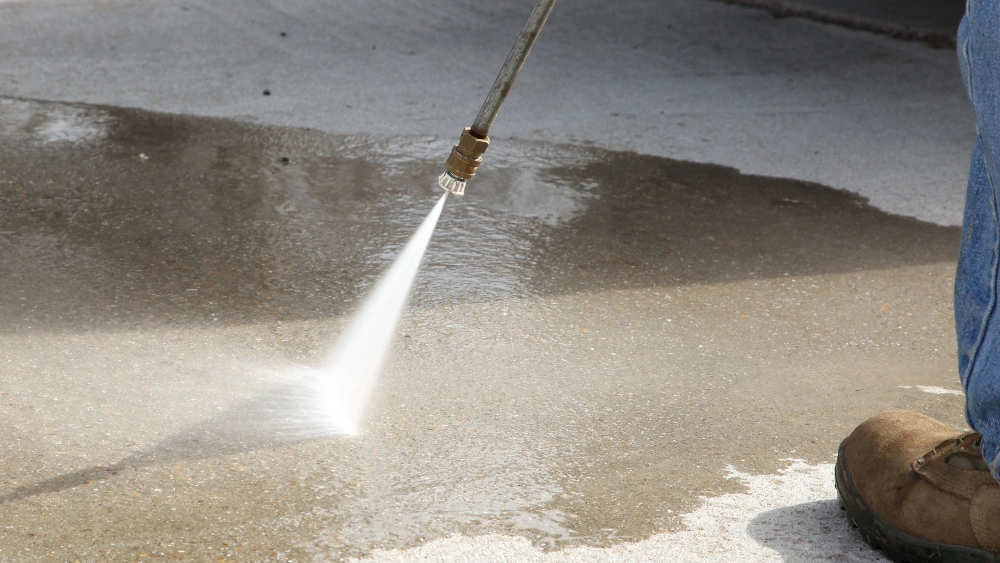
A pressure washer is excellent for removing concrete residue. High-pressure water jets can clean areas that are hard to reach. Use a pressure washer for large mixers or tough stains. Always adjust the pressure to prevent damage to the mixer.
Scrapers And Chisels
Scrapers and chisels are useful for chipping away hardened concrete. They can reach tight spots that brushes miss. Choose tools with durable handles for easy grip. This ensures effective scraping without injuring your hands.
Water Hose
A water hose is a basic yet essential cleaning tool. It rinses away loose debris and washes out the mixer. Use it frequently during the cleaning process. This prevents concrete from setting inside the mixer.
Protective Gear
Always wear protective gear while cleaning. Gloves protect your hands from chemicals and sharp tools. Goggles shield your eyes from splashes and debris. Safety is key while handling cleaning equipment.
Step-by-step Cleaning Process
Cleaning concrete mixers is crucial for their longevity and efficiency. A clean mixer ensures better mixing and prevents concrete buildup. Follow a step-by-step process to keep your mixer in top shape. Regular cleaning enhances performance and prevents costly repairs.
1. Gather Cleaning Tools
Start by gathering necessary cleaning tools. You need a stiff brush, hose, and cleaning solution. Ensure you have protective gloves and goggles for safety.
2. Disconnect The Mixer
Turn off and unplug the mixer for safety. Ensure the mixer is stable before cleaning. This prevents accidents and ensures a thorough clean.
3. Remove Excess Concrete
Use a putty knife to scrape off loose concrete. Focus on areas where concrete tends to build up. This step prevents hardening and makes cleaning easier.
4. Apply Cleaning Solution
Mix water with a mild detergent solution. Apply it generously to the mixer drum. Let the solution sit for a few minutes to loosen debris.
5. Scrub The Mixer Drum
Use a stiff brush to scrub the drum. Work in circular motions for best results. Pay attention to corners and edges where residue hides.
6. Rinse Thoroughly
Rinse the mixer with a hose. Ensure all detergent and concrete residue is washed away. Repeat rinsing if needed to ensure cleanliness.
7. Dry The Mixer
Use a clean cloth to wipe the mixer dry. Ensure all parts are completely dry to prevent rust. Store the mixer in a dry place.
Maintenance Tips For Longevity
Concrete mixers are essential tools in construction projects. Keeping them in good shape ensures a smooth workflow. Regular maintenance extends their life and reduces costs. Follow these tips to maintain your concrete mixer efficiently.
Inspect Regularly
Inspect the mixer regularly for any signs of wear or damage. Look for cracks, rust, or any loose parts. Early detection prevents serious problems. This simple step ensures long-lasting performance.
Clean After Every Use
Cleaning the mixer after every use prevents material buildup. Use water and a stiff brush to remove leftover concrete. A clean mixer performs better and lasts longer.
Lubricate Moving Parts
Lubricate moving parts to avoid friction and wear. Use appropriate lubricants on joints and gears. This practice ensures smooth operation and extends the machine’s life.
Check Electrical Components
Check electrical components for any signs of wear or damage. Look at the wiring and connections. Ensure everything is secure and functioning. Regular checks prevent electrical failures.
Store Properly
Store the mixer in a dry and covered area. Avoid exposure to harsh weather conditions. Proper storage prevents rust and other damages.
Replace Worn Parts
Replace worn parts promptly to maintain efficiency. Keep spare parts handy. Quick replacements prevent downtime and maintain productivity.
Frequently Asked Questions
What’s The Best Way To Clean A Cement Mixer?
To clean a cement mixer, rinse with water immediately after use. Use a pressure washer to remove dried cement. Scrub stubborn spots with a wire brush. Add gravel and water, then run the mixer to clean the drum. Always wear protective gear during the process.
How Do You Clean Dried Concrete Off Tools?
Use a wire brush to scrape off dried concrete. Soak tools in vinegar to soften concrete residue. Rinse thoroughly with water. For stubborn concrete, apply a commercial concrete remover. Always wear gloves and protective eyewear during cleaning. Regular maintenance prevents buildup.
What Is The Best Way To Clean A Mixer?
To clean a mixer, unplug it first. Wipe the base with a damp cloth. Detach and wash removable parts with warm, soapy water. Use a brush for stubborn residues. Dry thoroughly before reassembling. Regular cleaning maintains performance and hygiene.
How Do You Keep Cement From Sticking To The Mixer?
Use a non-stick spray or oil on the mixer drum. Clean the drum immediately after use.
Conclusion
Cleaning concrete mixers is crucial for their longevity and performance. Regular maintenance ensures they work efficiently. Start by removing leftover concrete with a hose. Then scrub the drum with a stiff brush. Use a mixture of water and vinegar to dissolve stubborn concrete.
Rinse thoroughly to remove all residue. Ensure the mixer is dry before storing it. This prevents rust and other damage. Following these steps keeps your mixer in top shape. Save money by avoiding costly repairs. Clean tools last longer and work better.
Keep your concrete projects running smoothly with these simple cleaning tips.