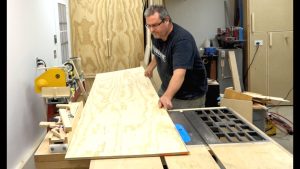
Cutting plywood with a table saw might seem daunting at first, but with the right guidance, you can achieve smooth, precise cuts every time. Imagine transforming those bulky sheets into perfect pieces for your project without the hassle of splinters or jagged edges.
This process isn’t just about cutting wood—it’s about unlocking your potential to create. You’re here because you want to learn how to do it right, and that’s exactly what this guide will deliver. Are you ready to master the art of cutting plywood like a pro?
Dive in, and let’s start turning your woodworking dreams into reality.

Credit: www.youtube.com
Choosing The Right Blade
Choosing the right blade is crucial for cutting plywood with a table saw. The right blade ensures clean cuts and reduces splintering. It also affects the saw’s performance and safety. Understanding the different types of blades and their features can help in making an informed decision. Let’s dive into the essential aspects of blade selection.
Types Of Blades
Different blades serve different purposes. Crosscut blades are ideal for cutting across the grain. They have more teeth and provide a smoother finish. Rip blades are designed for cutting along the grain. They have fewer teeth but cut faster. Combination blades can handle both tasks but may not excel in either.
Blade Size And Teeth Count
Blade size and teeth count matter a lot. Most table saws use a 10-inch blade. This size balances power and precision well. The number of teeth affects the cut quality. More teeth mean smoother cuts but slower progress. Fewer teeth make rougher cuts but quicker work. A 40-tooth blade is a good middle ground for plywood.
Setting Up The Table Saw
Cutting plywood with a table saw requires precise setup. Begin by adjusting the blade height for clean cuts. Ensure the fence is parallel to the blade, preventing wood from binding.
Setting up a table saw is crucial for cutting plywood accurately. Proper setup ensures clean cuts and prevents wood wastage. It creates a safe workspace and boosts efficiency. Follow these steps before starting any cutting tasks.Adjusting The Fence
Position the fence parallel to the blade. This guides the plywood straight through the saw. Check the alignment using a ruler. Ensure the fence locks securely to prevent wobbling during the cut. A well-adjusted fence reduces the chance of kickback.Calibrating The Blade Height
Set the blade height based on plywood thickness. The blade should be slightly higher than the wood. This allows smooth and precise cuts. Use a measuring tape for accuracy. Adjusting the height prevents excessive wear on the blade.Ensuring Stability And Safety
Ensure the table saw is stable on the ground. Check the workspace for clutter and remove any obstacles. Use push sticks to keep hands safe. Install a blade guard for added protection. Safety should be a priority while working with power tools.Measuring And Marking
Measuring and marking plywood is crucial for precise cuts. Accurate measurements ensure the final product fits perfectly. Proper marking helps guide the saw blade. Taking the time to measure and mark reduces waste and frustration.
Accurate Measurements
Start by measuring the plywood with a tape measure. Double-check each measurement. Mistakes can lead to costly errors. Write down dimensions to avoid confusion. A sharp pencil works best for marking. Make sure the pencil lines are clear and visible.
Using A Carpenter’s Square
A carpenter’s square is vital for straight lines. Align the square with the edge of the plywood. This ensures the cut is straight and accurate. Hold the square firmly while marking the line. Use long, smooth strokes for better results.
Re-check the marked lines before cutting. This prevents mistakes and saves time. Correct any errors early to avoid problems later. Proper measuring and marking make cutting plywood easier and more efficient.
:max_bytes(150000):strip_icc()/MPC103558-316dd6d26e9747a09a3f6f89a7837dc8.jpg)
Credit: www.woodmagazine.com
Executing The Cut
Executing a precise cut with a table saw is an art. It requires skill, patience, and a good understanding of the process. Start by preparing your plywood and table saw. Then proceed with caution to achieve a clean, accurate cut. Let’s dive into the details of feeding the plywood, maintaining control, and avoiding tear-out.
Feeding The Plywood
Begin by placing the plywood on the table saw. Align it with the blade carefully. Ensure it is stable and not wobbling. Use a gentle push to feed the plywood through the saw. Keep your hands away from the blade area. Use a push stick for added safety. Maintain a steady pace as you guide the plywood.
Maintaining Control And Precision
Hold the plywood firmly as it moves. Avoid sudden movements or jerks. Keep your focus on the cut line. Adjust your grip as needed to maintain control. Ensure the plywood stays aligned with the blade. Precision is key for a clean cut. A good grip helps achieve this.
Avoiding Tear-out
Tear-out can ruin your plywood edge. Use a sharp blade to minimize this issue. Consider using a zero-clearance insert. It supports the plywood and reduces tear-out. Feed the plywood slowly and steadily. Avoid forcing it through the saw. Inspect the cut edge for any rough spots.
Safety Precautions
Always wear safety goggles and ear protection. Keep fingers away from the blade and use a push stick. Ensure the plywood is secured firmly before cutting to prevent kickback.
Cutting plywood with a table saw can be a rewarding experience, but safety should always be your priority. Imagine you’re about to make a perfect cut, only to find that a momentary lapse in safety could lead to an injury. Ensuring you understand and adhere to safety precautions not only protects you but also enhances your woodworking skills. Let’s dive into the essential safety measures you should consider before flipping the switch.Using Safety Gear
Always wear appropriate safety gear. A pair of safety goggles will protect your eyes from flying debris, while ear protection guards against the loud noise of the saw. Consider a dust mask, especially if you’re sensitive to airborne particles. You might think it’s unnecessary, but the fine dust from plywood can irritate your lungs. Gloves can offer protection, but be cautious. Loose gloves may catch on the saw blade, so ensure they’re snug and suitable for woodworking.Handling Emergency Situations
What would you do if something goes wrong? Knowing how to handle emergencies is crucial. Keep a first aid kit nearby; it’s a small step that can make a big difference. Be prepared to stop the saw immediately if needed. Familiarize yourself with the emergency stop button or switch on your table saw. If a cut doesn’t go as planned, resist the urge to reach over the blade to remove the wood. Always turn off the saw and wait for the blade to stop completely. Safety isn’t just about gear or protocols; it’s about mindset. You might be tempted to rush through a project, but remember, taking a moment to think about safety can save you from a lifetime of regrets. Do you have a safety routine that you follow consistently? Consider sharing your experiences with others; it might just inspire them to adopt safer habits.Troubleshooting Common Issues
Working with plywood on a table saw can present challenges. Troubleshooting is essential for smooth cuts. Issues like blade binding and misaligned cuts often arise. Understanding these problems can improve your woodworking skills.
Dealing With Blade Binding
Blade binding occurs when the wood pinches the blade. This can lead to dangerous kickbacks. To prevent binding, ensure the blade is sharp and clean. A dull blade increases friction. Check the alignment of your fence. It should be parallel to the blade. Use a splitter or riving knife. These tools help keep the cut open. They reduce the chance of binding.
Correcting Misaligned Cuts
Misaligned cuts can ruin your project. They often result from an improperly set fence. Measure the distance from the fence to the blade. Do this at both the front and back. Both measurements should be equal. Check the blade angle. It should be 90 degrees to the table. Use a square for accuracy. If the table saw is not stable, vibration can cause misalignment. Secure the saw to the workbench.
Maintaining Your Table Saw
Cutting plywood with a table saw requires precise adjustments. Ensure the blade is sharp and set to the correct height for clean cuts. Use a push stick to guide the plywood smoothly, minimizing splintering and maintaining safety.
Maintaining your table saw is essential for achieving precise cuts and ensuring your safety. Without regular upkeep, even the most advanced table saw can become unreliable. Picture this: you’re midway through a project, and suddenly, the blade wobbles or the motor stalls. Such interruptions can be avoided with some straightforward maintenance practices.Regular Cleaning
Dust and debris accumulate quickly on a table saw. This buildup can interfere with the saw’s performance and increase wear and tear. After each use, take a few minutes to clear away sawdust from the table surface and internal components. A shop vacuum works wonders for cleaning tight spaces. Pay extra attention to the motor and blade areas. Clean tools not only perform better but also last longer.Routine Inspection And Repairs
Make it a habit to inspect your table saw before starting any project. Check the alignment of the blade and fence to ensure accurate cuts. Misalignment can lead to dangerous kickbacks. Listen for unusual noises during operation. Grinding or squeaking sounds may indicate that parts need lubrication or replacement. Addressing small issues early can prevent costly repairs later. Regular maintenance helps keep your table saw in top condition. What’s your routine for table saw care? Share your tips in the comments!:max_bytes(150000):strip_icc()/7support-fc43d4bfc50b4fb99cd1cdbca27d8021.jpg)
Credit: www.woodmagazine.com
Frequently Asked Questions
What Blade Is Used To Cut Plywood On A Table Saw?
Use a carbide-tipped blade with 80 teeth or more for cutting plywood on a table saw. This ensures smooth cuts and minimizes splintering. Ensure the blade is sharp and clean for optimal performance. A blade designed specifically for plywood cutting will provide the best results.
What Is The Best Tool To Cut Plywood?
The best tool to cut plywood is a circular saw. It offers precision and clean cuts. Use a fine-tooth blade for smoother edges. Ensure safety by wearing goggles and gloves. Maintain a steady hand for straight cuts. For curves, consider a jigsaw with a suitable blade.
How To Avoid Chipping When Cutting Plywood?
Use a sharp blade and cut with the good side facing down. Apply masking tape along the cut line. Set the saw blade depth slightly deeper than the plywood. Support the plywood fully to prevent movement. Make a straight, slow cut to minimize chipping.
Is A Circular Saw Or Table Saw Better For Plywood?
A table saw offers precise cuts for plywood, ideal for larger sheets. Circular saws provide versatility and portability, better for quick tasks. Choose based on your project’s needs: accuracy favors table saws, while mobility suits circular saws. Prioritize safety and blade quality for optimal results.
Conclusion
Cutting plywood with a table saw is simple with practice. Remember to check your blade and settings before starting. Safety goggles and gloves are important for protection. Keep your work area clean and organized. Always guide the plywood steadily through the saw.
Don’t rush; take your time for better results. With these tips, your cuts will be clean and precise. Perfect for any project you’re working on. Practice regularly to improve your skills. Soon, you’ll feel more confident using a table saw.
Happy woodworking!