Are you ready to tackle that electrical project but unsure how to identify the hot wire safely? Using a multimeter, you can quickly and accurately find the hot wire, ensuring that your work is safe and efficient.
With electricity being an essential part of our daily lives, knowing how to handle it properly is crucial. In this guide, you’ll discover simple steps to use your multimeter effectively, empowering you to handle electrical tasks with confidence. By the end of this article, you’ll not only know how to find a hot wire but also feel more secure in your DIY electrical endeavors.
Keep reading to unlock the secrets of your multimeter and take charge of your projects like a pro.
Tools Needed
Essential tools include a multimeter and insulated gloves. The multimeter measures voltage to identify live wires safely. Insulated gloves protect against electrical shocks during testing.
When you’re ready to find a hot wire with a multimeter, having the right tools on hand is crucial. It’s like preparing for a DIY project; without the right equipment, you might end up frustrated or worse, injured. Let’s take a closer look at the essentials you’ll need to make this task both safe and successful.Essential Multimeter Features
A multimeter is your best friend for identifying hot wires. You want to ensure yours has the basic features like voltage measurement and continuity testing. Make sure it has a clear display; a bright, backlit screen can save you squinting in dim lighting. Auto-ranging is a lifesaver, especially if you’re not sure of the wire’s voltage. It will automatically select the correct measurement range, reducing guesswork and potential errors.Safety Gear
Safety should be your top priority whenever you’re dealing with electrical work. Gloves that insulate against electrical shocks are non-negotiable. Eye protection is another must-have. Sparks can fly unexpectedly, so guarding your eyes is a smart move. Consider wearing long sleeves to protect your skin from accidental burns or shocks. It might seem excessive, but better safe than sorry, right? — Having the right tools not only makes the job easier but also safer. Have you ever found yourself in a situation without the proper gear, and it turned out messy? This is why preparation is key. Equipping yourself with the right tools and safety gear transforms a daunting task into a manageable one.Preparing For The Test
Before diving into the hot wire test, it’s crucial to prepare properly. Ensuring safety and accuracy is key. This preparation involves understanding your multimeter, setting up correctly, and taking essential precautions.
Power Source Considerations
Check the multimeter’s power source first. Ensure batteries are fresh and properly installed. This guarantees the multimeter works correctly. A drained battery may give false readings. Use the right battery type recommended by the manufacturer.
Confirm the multimeter is set to the correct mode. Use the voltage mode for testing wires. This setting helps identify live wires accurately. Adjust the range setting to a higher value than expected. This prevents overload and ensures safety.
Safety Precautions
Safety should always be a priority. Wear rubber gloves to protect against electrical shocks. Avoid wet environments during testing. Dry surroundings reduce the risk of electric shock.
Inspect the multimeter leads. Ensure they are intact and not frayed. Damaged leads can cause inaccurate readings or harm. Keep your workspace organized. Clutter-free areas prevent accidents and enhance focus.
Always disconnect power before starting the test. Confirm the wire is not carrying current. This step is vital to prevent accidents and ensure safety.
Setting Up The Multimeter
Discovering the hot wire with a multimeter requires careful setup. Adjust the multimeter to AC voltage mode. Test wires one by one, identifying the live wire by detecting voltage presence.
Setting up the multimeter is crucial for accurately finding a hot wire. It’s important to ensure your multimeter is ready and set correctly. This will help avoid false readings and ensure safety. Let’s break down the steps involved in setting up your multimeter.Choosing The Right Mode
First, select the correct mode on your multimeter. For finding a hot wire, use the AC voltage setting. This setting allows the multimeter to read electrical currents in most household wires. Look for the ‘V’ symbol with a wavy line above it. This indicates AC voltage. Ensure your multimeter is set to the appropriate mode before testing any wires.Adjusting The Settings
After selecting the mode, adjust the range settings. Most multimeters have a range selector. Choose a range that covers typical household voltage levels. This is usually around 200 volts. If your multimeter has an auto-range feature, enable it. This setting will automatically adjust the range for you. Double-check all settings to ensure accuracy before proceeding.
Credit: www.youtube.com
Identifying The Hot Wire
Knowing how to identify a hot wire is crucial for anyone working with electrical systems. It’s not just about safety; it’s about efficiency and accuracy. Imagine trying to fix a faulty outlet or install a new light fixture without knowing which wire is the hot one. You could end up with a frustrating mess, or worse, a dangerous situation. Thankfully, using a multimeter can simplify this task significantly. By following a few steps, you can pinpoint the hot wire and proceed with your electrical projects confidently.
Testing Techniques
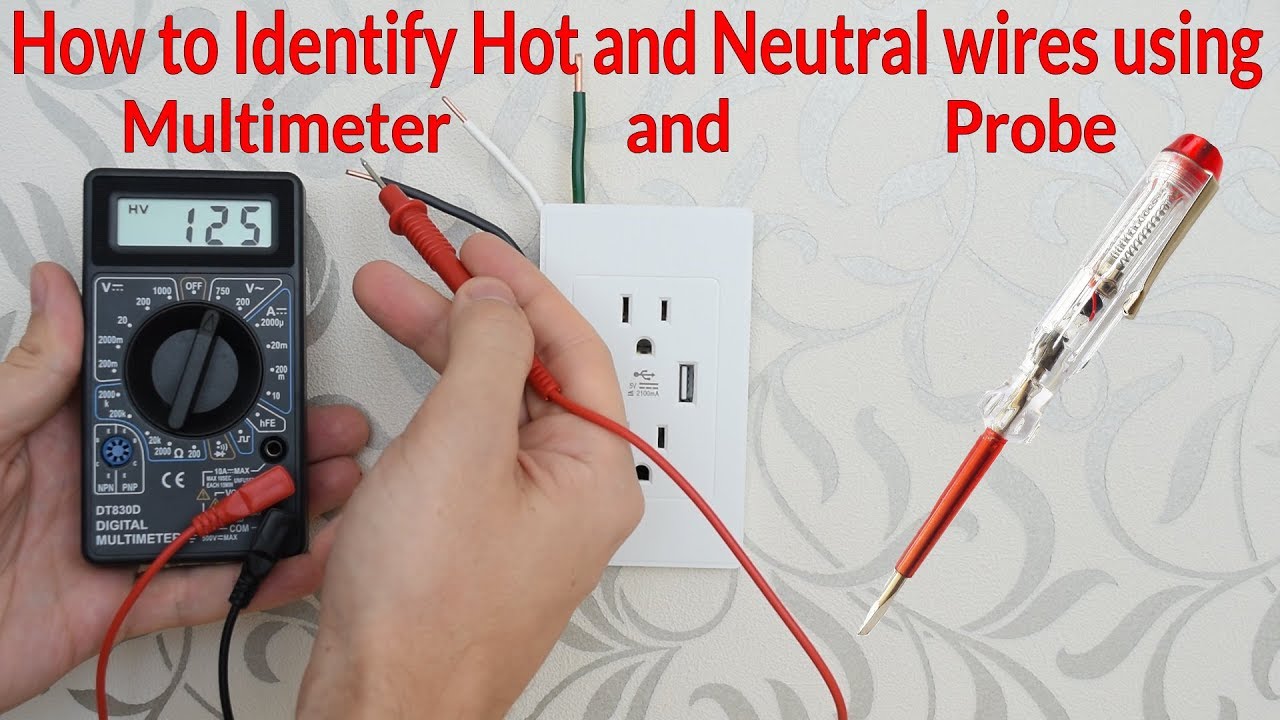
Start by setting your multimeter to measure AC voltage. Ensure that the circuit you’re testing is live; otherwise, you won’t get accurate readings. Remember, safety first—wear gloves and eye protection. Place the black lead on a neutral or ground wire. The red lead should touch the wire you suspect to be hot. If the multimeter displays a voltage reading, you’ve likely found your hot wire.
Try testing multiple wires if you’re unsure. Sometimes, wires can look identical, and making assumptions can lead to errors. Testing each wire methodically ensures you identify the correct hot wire. If you test a wire and see no reading, move to the next one. This process of elimination is simple yet effective.
Interpreting Multimeter Readings
Once you’ve tested the wires, interpreting the readings correctly is key. A typical household voltage reading for a hot wire will be around 120 volts in the U.S. If your reading matches this, you’re on the right track. However, if the reading is zero or very low, the wire is likely neutral or ground.
Consider the multimeter’s display carefully. Some models show additional information like frequency or current, which can be useful but might confuse beginners. Focus on the voltage reading for identifying the hot wire. If your multimeter has a hold function, use it to freeze the reading for easier analysis.
Have you ever misread a multimeter and wondered what went wrong? It’s a common mistake. Double-check the settings and connections. Ensuring the leads are properly connected can prevent incorrect readings. Is your multimeter set to the correct mode? A simple oversight like this can lead to inaccurate results.
Identifying the hot wire with a multimeter can seem daunting at first. But with practice and attention to detail, it becomes second nature. It’s a skill that not only enhances your ability to tackle electrical tasks but also boosts your confidence in handling complex projects. So next time you face a wiring challenge, grab your multimeter and test away!
Troubleshooting Common Issues
Troubleshooting common issues with a multimeter can be a challenging task. Many people encounter problems like inconsistent readings or faulty wiring. Understanding these issues can help you find the hot wire accurately. Let’s dive into some common troubleshooting tips.
Inconsistent Readings
Inconsistent readings might be due to a malfunctioning multimeter. Check the battery first. A weak battery can lead to erratic readings. Replace it with a fresh one. Also, inspect the probes. Damaged probes can affect accuracy. Ensure they are clean and intact. Adjust the settings on your multimeter correctly. Set it to measure voltage. Incorrect settings can confuse the device.
Faulty Wiring
Faulty wiring can lead to many issues. Check for loose connections. Loose wires can interrupt the circuit. Secure them firmly. Inspect the wires for any damage. Frayed wires can cause incorrect readings. Use electrical tape to cover exposed areas. Verify the wiring diagram. Incorrect wiring can lead to errors. Follow the diagram closely for proper connections.
Expert Tips For Accurate Results
Finding the hot wire with a multimeter needs care and precision. With a few expert tips, you can achieve accurate results. Whether you’re a novice or seasoned DIYer, these insights ensure safety and reliability. Let’s delve into practical advice for using your multimeter effectively.
Avoiding Common Mistakes
Many people forget to check the multimeter settings before starting. Always set it to the correct mode for measuring AC or DC voltage. Another common mistake is not inspecting the multimeter probes. Ensure they are in good condition for accurate readings. Avoid touching the metal parts of the probes, as this can affect measurements.
Enhancing Multimeter Accuracy
Ensure the multimeter’s battery is fresh. A weak battery can give false readings. Keep the probes clean and free from dirt. This helps in maintaining contact with the wire. Calibrate your multimeter regularly. Calibration ensures the readings remain precise over time.
Safety Tips
Working with electricity demands utmost care. Safety must always be your top priority. Using a multimeter to find a hot wire involves risks. Proper precautions prevent accidents and injuries. This section provides essential safety tips.
Handling Electrical Components
Always wear rubber gloves when handling electrical components. They provide insulation and protect against shocks. Ensure your tools have insulated handles. This minimizes the risk of current transfer. Keep your hands dry. Water conducts electricity, increasing shock risk. Turn off the power supply before starting your work. Double-check with a non-contact voltage tester. Confirm the wire is not live before proceeding.
Emergency Procedures
Know your emergency procedures. This knowledge can save lives. Keep a first-aid kit nearby. It should include burn treatments and bandages. Familiarize yourself with the location of circuit breakers. Quickly shut off the power in case of an emergency. If someone suffers an electric shock, do not touch them. Instead, turn off the power immediately. Call emergency services without delay. Stay calm and follow the dispatcher’s instructions.
:strip_icc()/voltage-detector-hot-cable-77726753-1946242d423c41a6802cc874eb7c8c89.jpg)
Credit: www.bhg.com
Credit: www.youtube.com
Frequently Asked Questions
How To Test Which Wire Is Hot With A Multimeter?
Set the multimeter to the AC voltage setting. Touch the black probe to a neutral or ground wire. Touch the red probe to the wire you are testing. The hot wire will show a voltage reading, while the neutral wire will not.
Always ensure safety by wearing insulated gloves.
How To Find Out What Wire Is Hot?
Use a non-contact voltage tester to identify the hot wire. Turn on the tester and bring it close to each wire. The tester will beep or light up near the hot wire. Always ensure safety by turning off power before inspecting wires.
How To Use A Multimeter To Find A Positive Wire?
Turn the multimeter to DC voltage mode. Connect the black probe to a known ground. Touch the red probe to wires. The wire showing a positive voltage is the positive wire. Ensure the voltage matches expected values to confirm. Always handle wires carefully to avoid accidents.
How To Figure Out Which Wire Is Hot Without A Multimeter?
Identify the hot wire by using a voltage tester. Hold it near each wire. It will detect electrical current. Ensure safety by wearing insulated gloves and turning off the power before testing.
Conclusion
Finding the hot wire with a multimeter is simple. Follow the steps carefully. Safety is key. Always turn off the power first. Use the multimeter properly to avoid mistakes. Check the settings on your multimeter. Confirm the wire is hot with a beep or reading.
Practice makes perfect. With patience, you’ll gain confidence. Remember, accurate readings prevent electrical issues. This skill is useful for many DIY projects. Stay safe and enjoy learning more about your tools.