Is the loud banging or knocking noise from your water pipes driving you crazy? You’re not alone.
Many homeowners experience this unsettling phenomenon, known as water hammer, and it can be more than just a noisy nuisance—it might signal potential damage to your plumbing system. But here’s the good news: fixing water hammer is often simpler than you think.
In this guide, you’ll discover straightforward solutions to silence those unruly pipes once and for all. By understanding the root causes and learning the steps to resolve them, you’ll not only protect your home but also bring back the peace and quiet you deserve. Ready to dive in and restore tranquility to your living space? Let’s get started.
Causes Of Water Hammer
Sudden changes in water flow cause water hammer in pipes. High pressure or quick valve closures often trigger it. Fixing involves installing water hammer arrestors or adjusting valve operation.
Water hammer is a common issue that many homeowners face, often leaving you puzzled by the loud banging sounds in your water pipes. These noises are not just a nuisance—they can also signal potential damage to your plumbing system. Understanding the causes of water hammer is the first step in tackling this problem effectively. Let’s dive into the primary reasons why your pipes might be producing this unsettling sound.1. Sudden Valve Shutoff
When water flow is abruptly halted by quickly closing a valve, it results in a shockwave that reverberates through your pipes. Imagine shutting a door with a forceful push; the impact is similar. This sudden change in pressure causes the distinctive banging sound. Check if you’ve recently installed fast-closing valves, like those found in washing machines or dishwashers, which might be contributing to the issue.2. High Water Pressure
Excessively high water pressure in your home can be a silent culprit behind water hammer. When water moves at high speeds through your pipes, any quick shutoff can cause a violent reaction. Consider installing a pressure regulator to keep your water pressure at a safe level. Have you noticed that your faucets have a particularly strong flow? This might be a clue that your water pressure is too high.3. Loose Pipes
Loose pipes that aren’t securely fastened can amplify the noise created by water hammer. When pipes are inadequately supported, they tend to move and clash against other structures. You might hear this more often in older homes where the piping might have shifted over time. Inspect your pipe brackets and supports; tightening or adding new ones can often solve the problem.4. Air Chambers Not Functioning Properly
Air chambers are designed to absorb the shock of water hammer, but they can sometimes fail to perform their role. If your air chambers are waterlogged, they can’t cushion the impact. Draining your plumbing system to reset these chambers can help. Have you noticed persistent noise despite your efforts? It might be time to address your air chamber’s functionality.5. Long Pipe Runs
Long stretches of pipe can exacerbate the effects of water hammer, as the shockwave has more distance to travel. The longer the pipe, the more pronounced the noise can become. Consider installing water hammer arrestors, especially on lengthy pipe runs. Do you have long pipe runs in your home? This could be a factor contributing to your water hammer issue. Understanding these causes is critical for effective troubleshooting. Have you experienced any of these situations in your home? Identifying the root cause can guide you towards the right solution, ultimately preserving the integrity of your plumbing and ensuring peace and quiet returns to your household.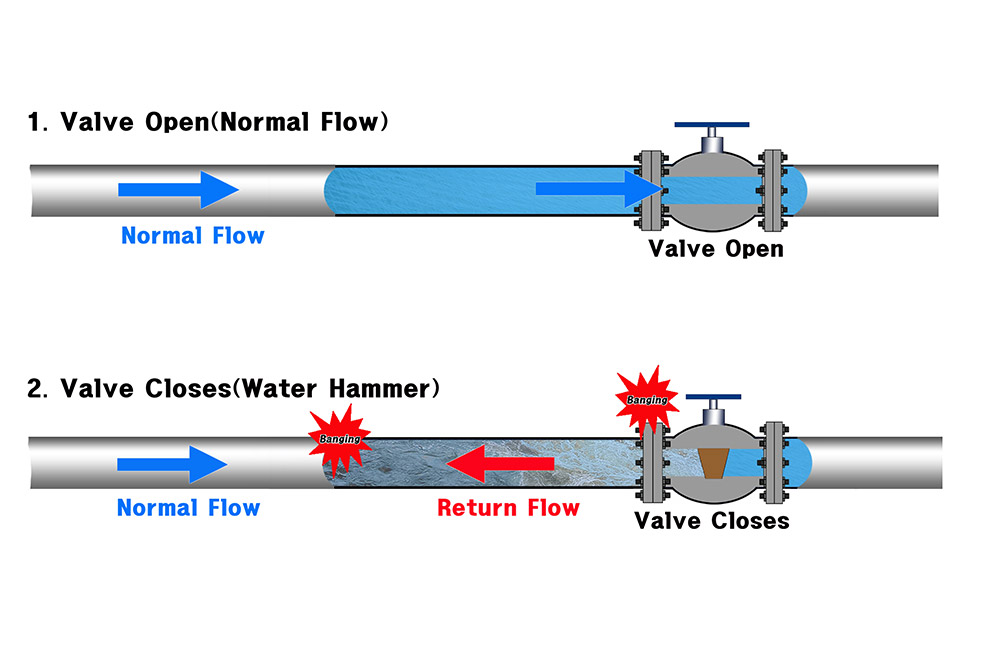
Credit: happydogplumbing.london
Identifying The Problem
Water hammer can be annoying and damaging. It occurs when water pipes vibrate noisily. Identifying the problem is key to fixing it. This section guides you in recognizing and diagnosing water hammer in your pipes.
Signs Of Water Hammer
Loud banging sounds in your walls indicate water hammer. This usually happens when you turn off a tap suddenly. Vibrations in pipes are another sign. You may also notice rattling when appliances use water. These signs suggest trapped air or pressure issues in pipes.
Tools Needed For Diagnosis
You need a few basic tools to identify water hammer. Start with a wrench and screwdriver. These help you access and inspect pipes. A flashlight is useful for seeing inside dark areas. Listening devices can also help detect where noise originates. With these tools, you can pinpoint the problem.
Basic Solutions
Water hammer can be a frustrating problem in homes. Basic solutions often offer quick relief. These solutions involve simple tasks. They can be easily done by homeowners. Understanding these methods can help stop annoying noises. Let’s explore two effective strategies.
Tightening Loose Pipes
Loose pipes often cause water hammer. Check your pipes for loose fittings. Tightening these can reduce vibrations. Use a wrench to secure them firmly. Make sure connections are tight. This stability helps minimize noise. Regular checks are beneficial. They prevent future problems.
Installing Pipe Clips
Pipe clips keep pipes secure. They reduce movement and noise. Choose clips that fit your pipe size. Install them at regular intervals. Secure pipes to walls or ceilings. This stops vibrations when water flows. Pipe clips are affordable. They are easy to install. This simple step can greatly reduce water hammer.
Advanced Fixes
Water hammer in pipes causes loud banging noises. Simple fixes include installing water hammer arrestors. Reduce water pressure to minimize noise.
Fixing water hammer in water pipes can seem daunting, but understanding advanced solutions can make the process smoother. These fixes offer long-term solutions to protect your plumbing system from the annoying banging noises. Whether you’re a DIY enthusiast or prefer calling in the experts, having a grasp of these advanced techniques can be a game-changer. Are you ready to dive into the world of water hammer solutions?Installing Water Hammer Arrestors
Water hammer arrestors are your best friends when it comes to tackling those unexpected loud noises in your plumbing. They absorb the shock caused by water suddenly stopping or changing direction. Installing them is straightforward and can drastically reduce noise. Simply attach these devices to your pipes near the source of the water hammer, like washing machines or dishwashers. They are available at most hardware stores and come with instructions. You might find it easier than you think, and it can save you from sleepless nights due to banging pipes.Adjusting Water Pressure
High water pressure can be a culprit for water hammer. Lowering it might be the key to a quieter home. You can adjust the pressure by tweaking the regulator valve, usually found where your water supply enters the house. Most homes have a pressure gauge to help monitor this. Ideally, water pressure should be between 40-60 psi for optimal performance. If you’re unsure about adjusting it yourself, consider consulting a professional. They can ensure your water pressure is set correctly without compromising water flow. Have you ever wondered if your water pressure is too high? Checking it could be the simple fix you need. By tackling these advanced fixes, you’re not just solving a problem; you’re enhancing your home’s plumbing system. Imagine the peace of mind knowing your pipes are protected from future disruptions.Checking Air Chambers
Water hammer in pipes can be a pesky issue, causing loud banging noises and potential damage. One effective way to tackle this problem is by checking the air chambers in your plumbing system. Air chambers act as shock absorbers, preventing the sudden pressure changes that lead to water hammer. You might be wondering, how can you ensure these chambers are functioning correctly?
Clearing Air Chambers
Air chambers can become waterlogged over time, diminishing their effectiveness. To clear them, start by shutting off your main water supply. Open all faucets in your home to drain the pipes completely. This process allows air to fill the chambers once again.
Imagine the relief of a quiet home after dealing with annoying pipe noises. Once the water has drained, you’ll find that the air chambers can do their job without interference. Does this sound like a simple fix? Absolutely.
Refilling Air Chambers
After clearing the air chambers, refilling them is crucial to maintain their functionality. Turn the water supply back on. Begin with the lowest faucet, gradually working your way up to the highest. This step-by-step approach ensures air pockets don’t form in the wrong places.
Think of this as a fresh start for your plumbing system. As water flows smoothly through the pipes, you’ll notice the absence of those disruptive water hammer sounds. Isn’t it satisfying to resolve issues with straightforward solutions?
Have you ever faced water hammer before? Addressing air chambers could be your ticket to a quieter home. These steps not only help in fixing the problem but also prevent future occurrences. What’s your next step in maintaining a peaceful plumbing system?
:max_bytes(150000):strip_icc()/solve-water-hammer-issues-844851_hero_19478-3c2a9de26a44477e93cf624f71649aba.jpg)
Credit: www.thespruce.com
When To Call A Professional
Persistent water hammer noise might signal a need for professional help. Complex issues like pipe damage or incorrect pressure require expert attention. Protect your plumbing system by consulting a specialist for efficient solutions.
Experiencing water hammer in your pipes can be frustrating, but knowing when it’s time to call a professional can save you time and money. While some minor water hammer issues might be resolved with a bit of DIY effort, others can be more complex and require expert assistance. Understanding when to seek professional help is crucial for maintaining the integrity of your plumbing system.Complex Plumbing Issues
Sometimes, water hammer is a symptom of a more intricate plumbing issue that isn’t immediately visible. Your pipes might be incorrectly installed or there could be underlying issues with your home’s water pressure system. If you’ve tried simple solutions, like securing loose pipes or installing water hammer arrestors, and the noise persists, it might be time to call in a professional. Professionals have the tools and expertise to diagnose complex problems that aren’t apparent to the untrained eye. A licensed plumber can assess the entire system, ensuring that every component is functioning correctly. Why risk a larger problem when an expert can efficiently pinpoint and fix the root cause?Persistent Water Hammer
Have you noticed the water hammer noise continues despite your best efforts to resolve it? Persistent issues can indicate a deeper problem that requires professional intervention. If you’ve tackled the basics and still hear that annoying banging sound, it’s a sign you may need expert help. A persistent water hammer might be related to pressure issues, which can damage your pipes over time. A professional plumber can accurately measure your water pressure and make necessary adjustments. They might even recommend installing a pressure-reducing valve if your system consistently exceeds safe levels. Moreover, professionals can advise on whether your plumbing system needs an upgrade. As homes age, so does their plumbing. Sometimes, outdated systems can be the culprit behind persistent water hammer issues. Would you prefer to deal with constant noise or have peace of mind knowing your plumbing is in top shape? Remember, while DIY solutions are great for quick fixes, persistent or complex problems are best handled by professionals. This ensures your plumbing remains efficient and your home stays quiet and safe.Preventive Measures
Fixing water hammer involves preventive measures like securing loose pipes and installing water hammer arrestors. Reduce excessive water pressure to prevent pipe damage. Regular maintenance checks help maintain smooth water flow and avoid annoying noises.
Preventive measures play a crucial role in addressing water hammer in water pipes. By taking proactive steps, you can minimize the risk of this common plumbing issue. Let’s delve into some practical preventive strategies that can help keep your pipes quiet and efficient.Regular Maintenance Tips
Regular maintenance is your first line of defense against water hammer. Check your pipes for any loose fittings or visible signs of wear and tear. Tightening loose pipe brackets can prevent pipes from moving and banging. Inspect your water pressure regularly. High water pressure is a common cause of water hammer. Installing a pressure regulator and ensuring it’s set to the recommended psi can mitigate potential problems. Flush your water system periodically. Sediment buildup can exacerbate water hammer by narrowing pipes. Draining your system helps remove these deposits, maintaining smooth water flow.Upgrading Plumbing Systems
Sometimes, older plumbing systems may need an upgrade to effectively combat water hammer. Consider installing water hammer arrestors. These devices absorb the shock waves caused by sudden stops in water flow, reducing noise and potential damage. Evaluate your home’s plumbing layout. Sometimes, the design itself may contribute to water hammer. Consulting with a professional can provide insights into whether rerouting or resizing pipes may be beneficial. If your home has older metal pipes, upgrading to modern materials like PEX or PVC can also help. These materials are more flexible and less prone to transmitting shock waves, offering a quieter solution. Have you ever wondered if your plumbing system is past its prime? Upgrading doesn’t just solve existing issues; it can also prevent future ones, offering peace of mind and a quieter home. By integrating these preventive measures, you can tackle water hammer effectively and enjoy a plumbing system that runs smoothly. What steps will you take to ensure your pipes remain silent and efficient?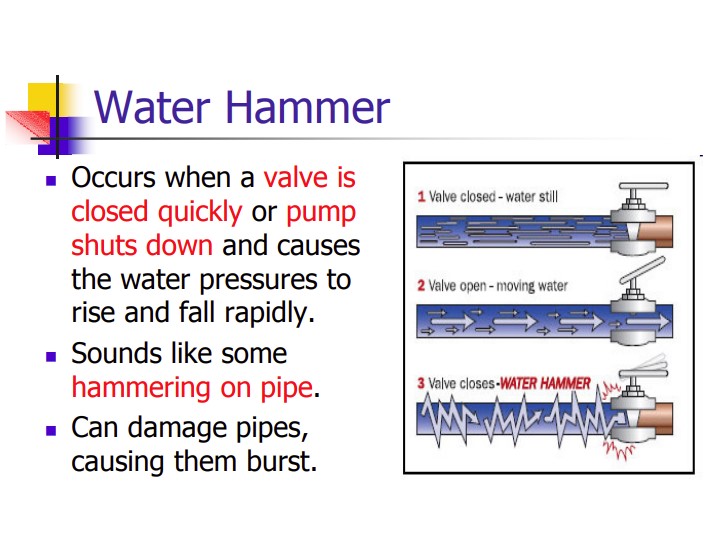
Credit: www.electricsolenoidvalves.com
Frequently Asked Questions
Can I Fix A Water Hammer Myself?
Yes, you can fix a water hammer yourself. Start by securing loose pipes and installing water hammer arrestors. Adjust the water pressure and ensure air chambers are not waterlogged. If unsure, consult a plumber for complex issues. Regular maintenance can help prevent water hammer problems.
What Causes Hammers In Water Pipes?
Hammers in water pipes, also known as water hammer, occur due to sudden valve closure or pump stoppage. This creates shock waves, causing noise and potential pipe damage. Installing water hammer arrestors or air chambers can help mitigate the issue.
Proper pipe installation and maintenance can also prevent water hammer.
Do I Need A Plumber To Fix A Water Hammer?
Yes, hiring a plumber to fix a water hammer is wise. They can diagnose and solve the problem effectively. This ensures your plumbing system’s longevity and efficiency. Avoid DIY fixes if you’re unsure, as improper repairs can lead to further issues.
A professional plumber provides peace of mind.
What Is The Best Solution To Suppress A Water Hammer Effect?
Install a water hammer arrestor to effectively suppress the water hammer effect. It absorbs the shock, preventing pipe damage. Ensure proper sizing and placement for optimal performance. Regular maintenance helps maintain efficiency.
Conclusion
Fixing water hammer in pipes is easier than it seems. Start by checking pipe supports. Loose pipes can cause noise. Install air chambers to absorb shock. Or use water hammer arrestors. These devices reduce pressure spikes. Adjust water pressure to the recommended level.
This can prevent hammering. Regular maintenance helps, too. Clean and inspect your plumbing system. This keeps everything running smoothly. Always consult a professional if unsure. They can offer expert advice. Remember, a quiet home is a happy home. Enjoy peace and quiet with these simple fixes.