Are you tired of constantly juggling between your prescription glasses and safety goggles at work or during your hobbies? You’re not alone.
Many people face the daily challenge of trying to see clearly while staying protected from potential hazards. Imagine a world where you no longer have to compromise on your vision or safety. That’s where prescription safety glasses come in, combining the best of both worlds.
But how do you get your hands on a pair that perfectly suits your needs? This guide will walk you through everything you need to know, from understanding your options to making the right choice. Stick with us, and you’ll soon discover how easy it is to enhance both your vision and safety effortlessly.
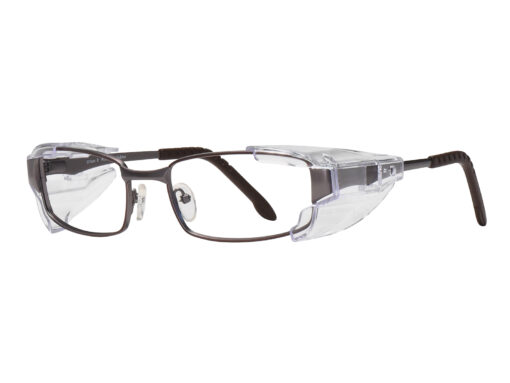
Credit: safevision.com
Why Prescription Safety Glasses Matter
Prescription safety glasses are essential for those needing vision correction at work. They protect your eyes from potential hazards while ensuring clear vision. Many workplaces require safety glasses to prevent injuries and ensure compliance. Wearing them reduces the risk of accidents and protects your eyes from debris, chemicals, and other dangers. Let’s explore why they are important.
1. Clear Vision And Safety
Clear vision is critical in any task. Blurred vision can lead to mistakes or accidents. Prescription safety glasses provide the clarity you need. They combine safety with your vision needs. This ensures you perform tasks accurately and safely.
2. Compliance With Workplace Standards
Many jobs have strict safety standards. Not wearing proper eyewear can lead to penalties. Prescription safety glasses meet these requirements. They protect your eyes and keep you compliant. This is crucial for maintaining a safe work environment.
3. Protection Against Eye Injuries
Eye injuries can occur in any workplace. Dust, sparks, and chemicals are common hazards. Prescription safety glasses shield your eyes from these dangers. They minimize the risk of serious injury. Protecting your eyes should always be a priority.
4. Comfort And Fit
Wearing uncomfortable glasses can be distracting. Prescription safety glasses are designed for comfort. They fit well and stay in place during tasks. This ensures you focus on work without discomfort. A good fit enhances both safety and productivity.
5. Cost-effective Investment
Eye injuries can lead to costly treatments. Prescription safety glasses are a smart investment. They prevent injuries and save money in the long run. Protecting your eyes now avoids expensive medical bills later.
Prescription safety glasses offer a blend of protection and vision correction. They are vital for safe and effective work performance.
Assessing Your Needs
Choosing the right prescription safety glasses can seem daunting. The first step is to assess your needs. Understanding what you require will guide your selection. Consider factors unique to your situation. This will help you find glasses that are both effective and comfortable.
Workplace Requirements
Does your job involve exposure to hazards? You might need specific safety glasses. Check your workplace’s safety regulations. They often specify the type of protection needed. This could include impact resistance or chemical protection. Ensure your glasses meet these standards. This ensures your eyes stay safe at work.
Personal Lifestyle Considerations
Think about your daily activities. Do you engage in sports or hobbies? You might need glasses that cater to these activities. Consider features like UV protection or anti-fog coatings. These can enhance comfort and functionality. Choose glasses that fit your lifestyle. This helps you wear them consistently and with ease.
Getting An Eye Exam
Getting an eye exam is the first step to prescription safety glasses. It ensures your prescription is up-to-date. Clear vision is essential for safety. Regular exams help maintain eye health. Discover what to expect during an eye exam.
Scheduling An Appointment
Call your optometrist to schedule a convenient time. Many offices offer online booking. Choose a time when you are relaxed. Avoid booking during busy workdays. Plan for about an hour for your visit. Bring your current glasses, if you have them. It helps the optometrist compare prescriptions.
What To Expect During The Exam
The exam starts with a few simple tests. The optometrist checks your vision clarity. You will read letters from a chart. They might use special lights to look at your eyes. These tests are painless and quick. The doctor will also ask about eye health history. Mention any eye problems or discomfort. The optometrist measures your eye pressure. This helps to detect any signs of glaucoma.
Finally, they determine your prescription. They use a machine called a phoropter. You look through lenses and choose which is clearer. This process ensures the correct prescription for your safety glasses. With your prescription ready, you can order safety glasses.
Choosing The Right Frames
Picking the perfect frames is key for prescription safety glasses. Consider durability and comfort. Ensure they fit well for daily wear.
Choosing the right frames for your prescription safety glasses is essential to ensure not only protection but also comfort and style. With countless options available, finding the perfect pair can be both exciting and daunting. Picking frames that suit your lifestyle and personal taste will make wearing them more enjoyable.Material Options
The material of your frames plays a significant role in their overall performance. You can choose from plastic, metal, or even advanced composites, each offering unique benefits. Plastic frames are lightweight and come in various colors, making them a popular choice for everyday wear. Metal frames, on the other hand, provide a sleek look and are often adjustable for a better fit. For those who need something more robust, composite materials like polycarbonate offer superior strength and impact resistance.Style And Fit
How do you want your glasses to look on you? Style is a personal choice, and with countless designs available, you can find frames that reflect your personality. Consider factors like the shape of your face and your wardrobe. Round frames might suit a square face, while rectangular frames can balance a round face. Fit is equally crucial; poorly fitting glasses can slip or pinch, making them uncomfortable. Try on different styles and take note of how they feel.Durability And Comfort
Durability is non-negotiable when it comes to safety glasses. Look for features such as reinforced hinges or rubberized nose pads that can withstand everyday use. Comfort should never be sacrificed for durability. Lighter frames reduce pressure on your nose and ears, making them more comfortable for long hours. Are your current glasses leaving you with red marks? It might be time to prioritize comfort. Finding the right prescription safety glasses is about balancing protection, style, and comfort. Consider what matters most to you and let that guide your choice. What do you need your glasses to do for you? Whether you’re working in a high-risk environment or just want to protect your eyes, choosing the right frames can make all the difference.Lens Options
Choosing the right lens for your prescription safety glasses is crucial. It’s not just about clarity, but also comfort and efficiency. With various options available, understanding the differences can help you make a better choice. Let’s dive into the lens options and discover what suits your needs best.
Single Vision Vs. Multifocal
Single vision lenses are perfect if you need glasses for a specific task, like reading or driving. They focus on one distance, making them simple yet effective. If you have a consistent prescription for daily tasks, this is a practical option.
Multifocal lenses, on the other hand, cater to multiple distances. Imagine switching from reading a report to watching a presentation without changing glasses. These lenses offer seamless transition between near and far, ideal for busy professionals. Have you ever struggled to see both your computer screen and a distant object? Multifocal lenses might be your solution.
Lens Coatings And Treatments
Lens coatings can enhance your safety glasses’ performance significantly. Anti-reflective coatings reduce glare, making them perfect for bright environments. Scratches are inevitable, but a scratch-resistant coating can keep your lenses looking new longer.
Consider adding UV protection if you work outdoors often. It shields your eyes from harmful rays, maintaining eye health. Ever found yourself squinting under the sun while working? A UV coating can ease your discomfort.
Anti-fog treatments are a lifesaver in humid or hot conditions. They ensure your vision remains clear, even when the temperature rises. Have you ever felt frustrated as your glasses fogged up during crucial tasks? An anti-fog treatment offers peace of mind.
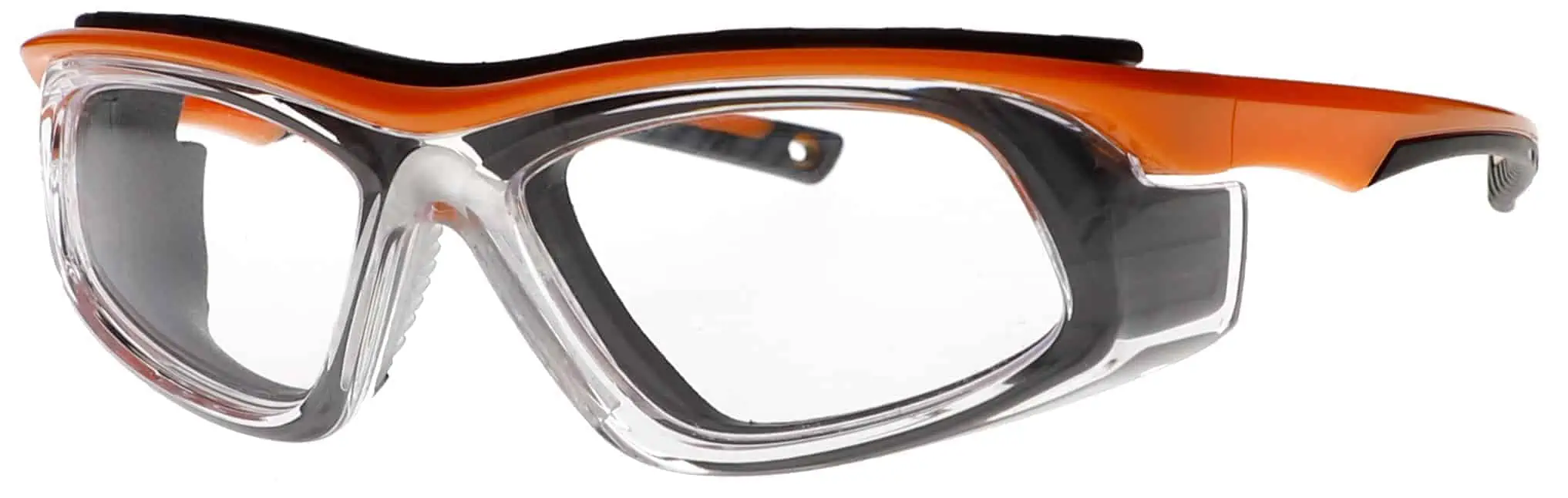
Choosing the right lens and coatings for your prescription safety glasses can impact your daily productivity and comfort. What lens option aligns with your lifestyle?
Credit: rx-safety.com
Understanding Safety Standards
Choosing prescription safety glasses involves more than just style. Safety standards ensure your glasses protect your eyes effectively. Understanding these standards is crucial. It helps you make informed decisions.
Ansi Standards
The American National Standards Institute (ANSI) sets the guidelines. These standards ensure safety glasses meet specific criteria. They focus on impact resistance and optical clarity. Compliance with ANSI standards is vital. It guarantees your glasses provide adequate protection.
Impact Resistance And Protection Levels
Impact resistance is a key factor in safety glasses. It determines how well glasses withstand impacts. Different protection levels cater to various environments. Choose the right level for your needs.
Higher levels offer more protection. They are suitable for high-risk environments. Always check the protection level before buying. It ensures you select the best safety glasses for your situation.
Ordering Your Glasses
Ordering your prescription safety glasses can be simple and straightforward. Whether you prefer shopping in-store or online, both options offer unique advantages. Understanding these can help you make the best choice for your needs. Gather your prescription, choose your frames, and order your glasses with confidence.
In-store Vs. Online
Shopping in-store allows you to try on glasses. You can feel the frames and check their fit. An optician is usually available for guidance. They can help with sizing and style advice. In-store shopping often means quicker adjustments if needed.
Online shopping offers convenience. Browse frames anytime from home. Many websites provide virtual try-on tools. These help you see how frames might look on you. Online options often have a wider selection. You can compare prices easily.
Submitting Your Prescription
Having your prescription ready is important. Make sure it’s up-to-date and clear. Some stores require a physical copy. Others accept digital versions. Double-check the details before submitting. Ensure your personal information is correct.
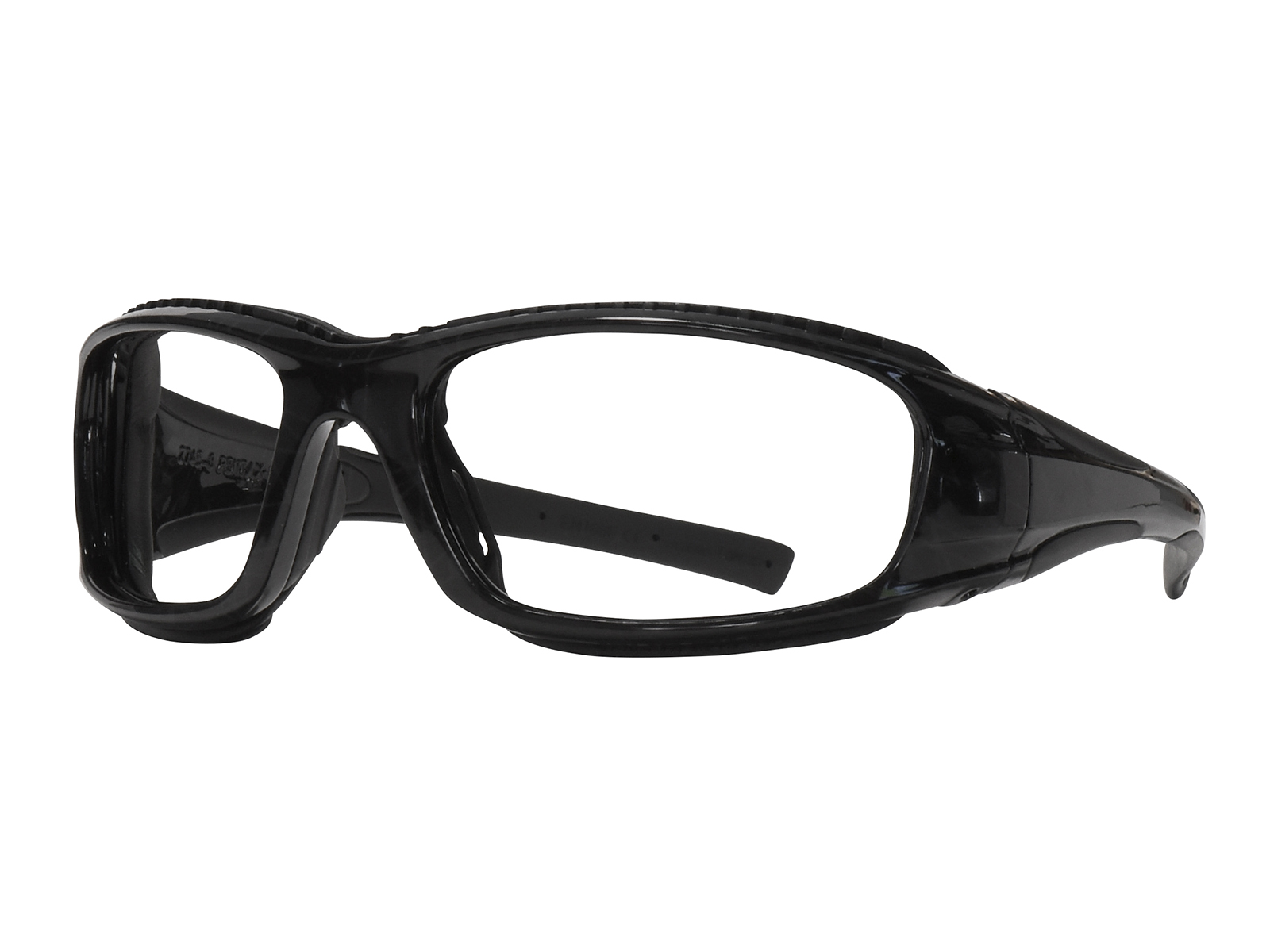
Online stores usually have a form to upload your prescription. Some may ask for pupillary distance (PD) measurements. Follow the instructions carefully. This ensures accurate lens placement. If unsure, contact customer service for help.
Credit: safevision.com
Fitting And Adjustments
Finding the right fit for prescription safety glasses ensures comfort and protection. Adjust frames to sit snugly on your face. Make sure lenses align perfectly with your eyes for optimal vision safety.
Getting prescription safety glasses involves more than just choosing the right lenses. The fitting and adjustments are crucial for comfort and effectiveness. Properly fitting glasses protect your eyes and help maintain your focus during tasks. Let’s dive into the essentials of ensuring a proper fit and making necessary adjustments to your prescription safety glasses.Ensuring Proper Fit
Your glasses should fit snugly but not too tight. They should sit comfortably on your nose and ears. Measure the bridge of your nose and the width of your face. Use these measurements to find the right size. Avoid glasses that slip down or pinch. Comfort is key. Try on different frames to see which feels right. Pay attention to weight and balance. Light frames are easier to wear for long periods. Check that the lenses align with your eyes. A slight misalignment can affect vision.Making Necessary Adjustments
Adjustments help keep your glasses in place. Start by checking the nose pads. They should rest evenly on your nose. If they dig in, adjust them outward. For loose pads, push them inward gently. Next, look at the temple arms. They should hug your ears without squeezing. If they are too tight, bend them outward slightly. Loose arms can be bent inward. A proper adjustment prevents slipping. Also, check the lens alignment. They should be centered with your eyes. If not, adjust the frame’s angle. Tilt the frame slightly up or down until centered. Regular checks ensure ongoing comfort and protection. Remember, a proper fit and timely adjustments enhance your glasses’ effectiveness. Follow these guidelines for a safe and comfortable eyewear experience.Maintenance Tips
Getting prescription safety glasses involves consulting an eye specialist for accurate prescriptions. Choose durable frames and lenses for optimal protection. Regularly clean lenses with a microfiber cloth to maintain clarity and comfort.
Maintaining your prescription safety glasses is crucial for ensuring they serve you well over time. These glasses are not just a visual aid; they’re a protective shield. Proper maintenance can extend their life and keep your vision clear and safe. Let’s dive into some practical tips to help you keep your glasses in top condition.Cleaning And Care
Cleaning your prescription safety glasses regularly is essential. Use a microfiber cloth to wipe the lenses gently. Avoid using paper towels or your shirt, as they can scratch the lenses. Rinse your glasses with lukewarm water before cleaning. This helps remove dust and debris that can cause scratches. Use a mild dish soap solution for a deeper clean. Store your glasses in a case when not in use. This protects them from damage and keeps them clean. An unexpected mishap taught me the value of this—my glasses once fell from a table, and the lenses cracked. A case could have prevented that.When To Replace Your Glasses
Knowing when to replace your glasses is as important as maintaining them. Over time, lenses can become scratched or damaged, impairing your vision. If you notice frequent headaches or eye strain, it might be time for a replacement. Consider the fit and comfort of your glasses. As frames can warp or become misaligned, you may need new ones for comfort and proper vision correction. Think about your safety needs. If your job environment changes or if you start a new hobby requiring different protection, updating your glasses might be necessary. Ask yourself: Are your glasses still meeting all your needs? Taking care of your prescription safety glasses ensures they protect you effectively and remain comfortable to wear. Following these maintenance tips will keep your glasses in top shape and your eyes safeguarded.Frequently Asked Questions
Am I Entitled To Prescription Safety Glasses?
You may be entitled to prescription safety glasses if your job requires protective eyewear. Employers often provide them for roles involving hazardous tasks. Check your company’s safety policies or consult your HR department for details on eligibility and options available to you.
Will Insurance Pay For Safety Glasses?
Insurance coverage for safety glasses varies. Some plans cover them if needed for medical reasons. Check your policy details for specific coverage information.
Does A Company Have To Pay For Prescription Safety Glasses?
Employers must pay for prescription safety glasses if required for workplace safety. OSHA regulations mandate this. The glasses must meet safety standards and be necessary for the employee’s job tasks. Employers ensure compliance to protect employees and avoid penalties.
Does Walmart Offer Prescription Safety Glasses?
Yes, Walmart offers prescription safety glasses. Customers can find a variety of styles both online and in-store. These glasses meet safety standards and are available with custom prescription lenses, ensuring both protection and clear vision.
Conclusion
Getting prescription safety glasses can be simple and effective. Begin with a visit to your eye doctor. Discuss your needs for safety glasses. Choose a frame that fits well and feels comfortable. Ensure the lenses are suitable for your work environment.
Order your glasses from a trusted provider. Check the fit once you receive them. Proper fit ensures safety and comfort. Follow these steps for safe and clear vision at work. Safety glasses protect your eyes from hazards. Invest in quality for peace of mind.
Stay safe and see clearly every day.