Imagine this: you’re in the middle of a crucial task, everything is going smoothly, and then suddenly, your safety glasses fog up. Frustrating, right?
This common issue not only disrupts your flow but can also pose a safety risk. You need a clear line of sight to perform efficiently and stay safe. But how can you keep your safety glasses from fogging up? The answer is simpler than you might think, and it’s right here in this guide.
By the time you finish reading, you’ll discover practical tips that ensure crystal-clear vision and uninterrupted focus. Ready to banish the fog for good? Let’s dive in and keep your vision clear where it matters most.
Causes Of Fogging
Fogging on safety glasses often occurs due to temperature changes and humidity. Warm breath meeting cooler lenses creates condensation, obstructing vision and causing discomfort. Proper ventilation and anti-fog treatments can help maintain clear sight in challenging conditions.
Fogging of safety glasses can be a frustrating challenge, especially when you’re in the middle of a task that requires clear vision. Understanding the causes of fogging is the first step to finding a solution. Let’s dive into the main culprits: temperature differences and humidity levels.Temperature Differences
One of the most common causes of fogging is the difference in temperature between your body and the environment. Imagine stepping out of a warm car into cold winter air. Your glasses quickly fog up, creating a temporary haze. This happens because the warm air from your body meets the cooler lenses, causing condensation. Have you ever walked into a cool room after exercising? Your sweat and body heat can fog up your glasses instantly. It’s like a mini weather system on your face. So, how do you manage this? Consider vented frames or anti-fog coatings. They help balance temperature differences, keeping your vision clear.Humidity Levels
Humidity plays a significant role in the fogging of safety glasses. High humidity levels mean more moisture in the air, which can easily condense on your lenses. Picture working in a steamy kitchen or a humid workshop. Your glasses become a magnet for moisture. Reducing humidity around you can be tricky, but it’s possible. Use fans to circulate air and keep moisture at bay. You can also try using anti-fog wipes or sprays that repel moisture, making your glasses less prone to fogging. Have you ever wondered how professionals keep their glasses fog-free? It’s a combination of strategies, including managing humidity and temperature differences. What’s your go-to trick for keeping your glasses clear in challenging conditions? Share in the comments!
Credit: www.youtube.com
Choosing The Right Glasses
Selecting the right safety glasses can help prevent fogging. This choice affects comfort and visibility. You need glasses that fit your needs. Consider features that reduce fogging effectively.
Anti-fog Coatings
Anti-fog coatings are essential for clear vision. They stop moisture from forming. This keeps your lenses clear. Many brands offer this feature. It’s a simple solution to a common problem.
These coatings are easy to maintain. They last for a long time. Regular cleaning will keep them effective. Check the coating’s quality before buying. This ensures it works well.
Ventilated Designs
Ventilated designs improve airflow around your glasses. This reduces moisture buildup. Better airflow means less fog. It’s a practical choice for many activities.
Look for glasses with small vents. These vents are usually on the sides. They allow air to move freely. This keeps your vision clear without any hassle. Always check for comfort when using ventilated designs.
Proper Fit And Adjustment
Proper Fit and Adjustment Ensuring your safety glasses fit perfectly is crucial in preventing them from fogging up. A snug fit not only secures the glasses but also helps maintain clear visibility. Have you ever wondered why your glasses fog up during crucial moments? It might be because of an improper fit. The nose bridge of your safety glasses plays a pivotal role in how they fit. If it’s too loose, gaps allow moisture to accumulate, causing fogging. Adjust the nose pads to sit comfortably on your nose, ensuring they are not too tight or too loose. A well-adjusted nose bridge allows air to circulate, reducing the chance of fogging. Have you ever felt discomfort because your glasses pressed too tightly against your nose? Adjusting the nose bridge can relieve this pressure. Experiment with different positions until you find the one that offers the best comfort and visibility. The strap tension is another critical aspect of the fit. A strap that’s too tight can cause discomfort and restrict air flow, while a loose strap can lead to slippage and fogging. Adjust the strap so it’s firm yet comfortable, providing a secure fit that allows for some air circulation. Consider the last time you were frustrated with your glasses slipping down your face. Adjusting the strap tension can prevent this. Find the balance where the glasses stay in place without feeling like they’re squeezing your head. Have you ever thought about how a small adjustment could make such a big difference? By focusing on the fit and adjustment of your safety glasses, you can significantly reduce fogging issues and enhance your overall experience. Remember, a proper fit is not just about comfort—it’s also about maintaining clarity and safety.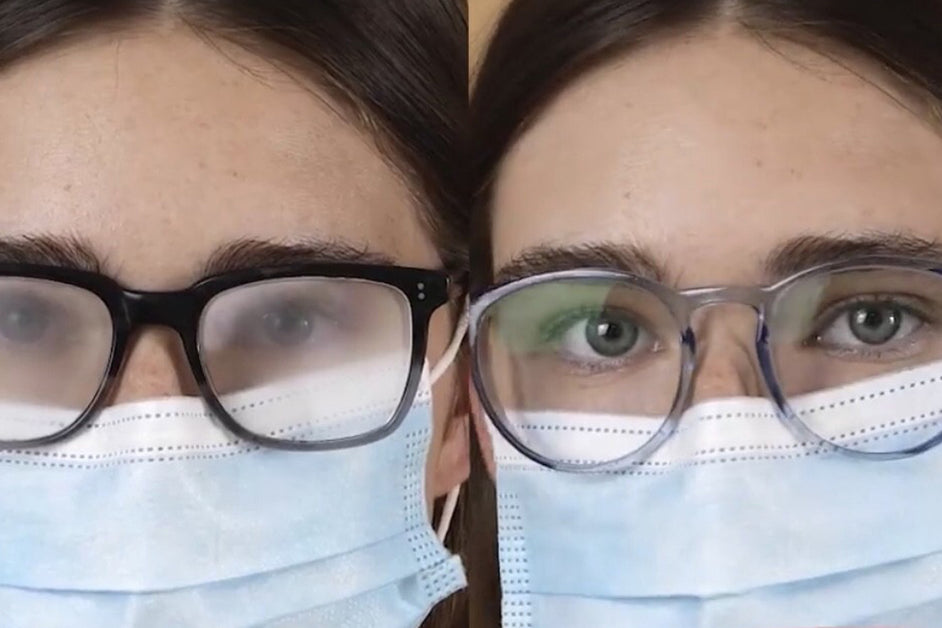
Credit: stoggles.com
Cleaning And Maintenance
Prevent fogging on safety glasses by ensuring proper ventilation. Use anti-fog sprays or wipes for added clarity. Adjust straps to maintain airflow and comfort during use.
Keeping your safety glasses from fogging up can make a world of difference in your daily tasks. Whether you’re working in a steamy kitchen or a chilly outdoor setting, maintaining clear vision is crucial. Cleaning and maintenance play a pivotal role in ensuring your safety glasses remain fog-free. By adopting a few simple habits, you can enhance both their effectiveness and lifespan. Let’s dive into some practical steps that can make this part of your routine seamless and effective.Use Of Anti-fog Sprays
Anti-fog sprays are a game-changer for anyone struggling with foggy lenses. These sprays create a thin film on your lenses that helps prevent moisture from condensing into fog. You can easily find these sprays at most optical stores or online. Simply apply a small amount to your lenses, wipe gently with a microfiber cloth, and enjoy clearer vision. However, not all sprays are created equal. It’s wise to check reviews or ask for recommendations to ensure you choose a product that works well for your specific needs.Regular Cleaning Routine
Establishing a regular cleaning routine is essential for maintaining your safety glasses. Start by rinsing your glasses under lukewarm water to remove any dust or particles. Next, use a mild soap or lens cleaner, and gently clean the lenses with your fingers. Avoid using rough materials that might scratch the lenses, like paper towels or your shirt. Finish by drying them with a clean, soft cloth. Consistent cleaning not only prevents fogging but also keeps your glasses in top condition. Have you noticed how a simple routine can significantly improve your day? Making these small efforts can lead to a big difference in your work efficiency and safety. Your eyes deserve the best care you can provide. What steps will you take today to make foggy lenses a thing of the past?Environmental Control
Foggy safety glasses can be annoying and risky. Controlling your environment helps reduce this issue. Proper ventilation and humidity management are key. Let’s explore how to improve these factors.
Work Area Ventilation
A well-ventilated workspace is essential. Fresh air prevents moisture buildup. Use fans to circulate air. Open windows if possible. Ensure air flows smoothly. This reduces fogging risks. Proper ventilation keeps lenses clear.
Managing Humidity
High humidity fogs up glasses quickly. Use dehumidifiers to lower moisture levels. Keep humidity below 60%. Check humidity levels regularly. Adjust settings for different conditions. Dry air keeps glasses fog-free. Manage humidity for safer vision.

Credit: edgeeyewear.com
Diy Anti-fog Solutions
Prevent fogging on safety glasses with easy DIY solutions. Use soap, shaving cream, or baby shampoo for a clear view. Simple methods ensure safety and comfort in all conditions.
Fogging safety glasses can be a real nuisance, especially when you’re trying to focus on a task. Fortunately, there are several DIY anti-fog solutions you can try to keep your vision clear. Whether you’re at home or on the job, these simple tricks can help maintain your safety and efficiency.Home Remedies
Your kitchen and bathroom might hold the key to clearer vision. One popular method is using dish soap. Apply a small drop to each lens, spread it evenly, and wipe off excess without rinsing. This creates a thin film that helps reduce fogging. Shaving cream is another common household item that works wonders. Smear a small amount on the lenses, leave it for a minute, then polish with a soft cloth. This leaves an invisible layer that combats moisture buildup. Have you ever thought about using white vinegar? Mix equal parts of vinegar and water, apply to your lenses, and let it dry. It’s an easy and natural way to keep fog at bay. Which remedy will you try first?Commercial Products
If DIY isn’t your style, commercial products are designed specifically for this issue. Anti-fog sprays are widely available and easy to use. Just a couple of sprays and a quick wipe can make your lenses clear for hours. Anti-fog wipes offer a convenient, portable option. Keep them in your bag or toolbox for quick touch-ups when needed. They’re especially handy if you frequently switch between different environments. Some people swear by anti-fog gels. These products are typically more concentrated and provide a lasting effect. Applying them requires a bit more effort, but the results can be impressive. Have you found that one commercial product that works best for you? Share your experiences in the comments!Innovative Technologies
Safety glasses fogging up can be annoying. Try using anti-fog sprays or wipes for clearer vision. Adjusting fit and ensuring proper ventilation can help keep glasses fog-free.
Innovative Technologies are transforming the way we think about safety glasses. If you’ve ever struggled with fogging lenses, you know how frustrating it can be. But imagine if your glasses could stay clear in any situation. Thanks to some cutting-edge advancements, this is becoming a reality. Let’s dive into some of these exciting innovations that can keep your vision clear and focused.Heated Lenses
Heated lenses are a game-changer for anyone who wears safety glasses in challenging environments. These lenses have thin, transparent heating elements that gently warm the lens surface. This warmth prevents condensation from forming, keeping your lenses fog-free. Consider the convenience of never having to stop and wipe your glasses during crucial tasks. This technology is particularly beneficial in cold weather or when moving between different temperatures. Could heated lenses be the solution you’ve been looking for?Integrated Fans
Integrated fans in safety glasses provide another ingenious solution to fogging problems. These small, quiet fans circulate air across the lenses, eliminating moisture build-up. Imagine being able to maintain a clear view without any manual intervention. This feature is particularly useful in environments where you need to focus on precision tasks. Are you tired of your glasses steaming up in humid conditions? Integrated fans might just be your new best friend. These technologies are not just futuristic dreams—they’re available options that can make your safety gear work better for you. Whether you’re on a construction site, in a laboratory, or simply working outdoors, these innovations offer practical solutions. How might these technologies change the way you approach your daily tasks?Tips For Specific Activities
Safety glasses fogging up can be a real nuisance. Different activities need tailored solutions. Here are specific tips for keeping glasses clear during outdoor work and laboratory settings.
Outdoor Work
Outdoor work demands clear vision for safety. Choose anti-fog safety glasses designed for outdoor use. These glasses have special coatings that resist fogging. Ensure they are snug yet comfortable. A tight fit prevents moisture from entering. Consider using anti-fog wipes before starting your tasks. These wipes are easy to use and effective.
Adjust your mask or face covering properly. A poorly fitted mask can direct warm air upwards. This causes fogging. Wearing a wide-brimmed hat can help too. It shields glasses from rain and mist. Always carry a microfiber cloth for quick cleaning. This cloth removes moisture without scratching lenses.
Laboratory Settings
In laboratories, precise vision is crucial. Choose safety glasses with anti-fog coatings. These coatings work well in humid environments. Ensure ventilation in the lab is optimal. Good airflow reduces humidity and fogging.
Store your glasses in a dry place after use. This prevents moisture build-up. Use anti-fog sprays designed for lab settings. These sprays are safe and effective. Regularly clean your glasses with warm soapy water. This removes any residue that may cause fogging. Keep a small fan near your workstation. It keeps air circulating, minimizing fog risk.
Frequently Asked Questions
Will Rubbing Alcohol Keep Glasses From Fogging Up?
Rubbing alcohol can help reduce fogging on glasses. Apply a small amount, then wipe with a microfiber cloth. This creates a thin film that minimizes condensation. Ensure you use it sparingly to avoid damage to lens coatings. Regular application maintains effectiveness.
Is There Something I Can Put On My Glasses To Keep Them From Fogging Up?
Use anti-fog spray or wipes designed for glasses. Ensure lenses are clean before application. Alternatively, try a mild soap solution or specialized anti-fog cloth to prevent fogging. Proper ventilation and adjusting your mask can also help reduce lens fogging.
How Do Surgeons Keep Glasses From Fogging Up?
Surgeons use anti-fog sprays or wipes on their glasses. They also ensure masks fit snugly to reduce fogging. Some wear special masks with vents or use defogging cloths. Proper ventilation in the operating room helps maintain clear vision.
Does Shaving Cream Stop Glasses From Fogging?
Shaving cream can help reduce fogging on glasses. Apply a thin layer, let it sit, then wipe off gently. This creates a barrier that minimizes moisture buildup. It’s a quick and affordable solution for clearer vision.
Conclusion
Keeping safety glasses fog-free ensures clear vision and safety. Simple steps make a big difference. Use anti-fog spray or wipes. Adjust your mask for better airflow. Try anti-fog cloths for effective results. Proper cleaning prevents fogging. Regular maintenance keeps glasses in top shape.
Experiment with different solutions to find what works best. Stay safe and see clearly, every time you wear your glasses. A little effort goes a long way in preventing fogging issues. Keep your vision unobstructed and your focus sharp. Safety first, with clear sight.