Imagine creating something beautiful and functional with your own hands. There’s something incredibly satisfying about crafting a wood bowl on the lathe, and you can do it too!
Whether you’re a seasoned woodworker or a curious beginner, making a wood bowl can be a fulfilling and rewarding experience. Picture the smooth, round curves of a bowl formed from a simple block of wood, transformed by your skill and creativity.
This process is not only about shaping wood but also about shaping your own skills and confidence. You’ll discover techniques that not only make the job easier but also ensure your finished bowl is a masterpiece. Don’t miss out on this opportunity to enhance your craftsmanship and create something truly unique. Dive into this guide and unlock the secrets to making a stunning wood bowl on the lathe—your next project is just a turn away!

Credit: www.youtube.com
Choosing The Right Wood
Creating a wood bowl on a lathe is a rewarding craft. Selecting the right wood is vital for success. Different woods offer unique characteristics. Consider the wood’s texture, color, and grain pattern. These elements influence the bowl’s final appearance and durability. Understanding wood types helps you choose the best option for your project.
Understanding Wood Hardness
Wood hardness impacts the bowl’s durability. Hardwoods like oak and maple are strong. They withstand wear and tear well. Softwoods like pine are easier to work with. They may not last as long. Knowing the difference helps you decide based on your needs.
Considering Grain Patterns
Grain patterns add beauty to a bowl. Straight grains offer a classic look. Figured grains create unique designs. Choose a grain pattern that fits your artistic vision. It enhances the bowl’s aesthetic appeal.
Examining Wood Color
Wood color affects the bowl’s overall appearance. Dark woods like walnut are elegant. Light woods like birch offer a fresh look. Select a color that complements the bowl’s intended use or display.
Evaluating Wood Workability
Workability refers to how easy the wood is to shape. Some woods are easier to turn on a lathe. Softwoods and certain hardwoods are more forgiving. Choose a wood that matches your skill level.
Considering Sustainability
Sustainability is important in wood selection. Choose woods from responsibly managed forests. It ensures environmental protection. Look for certified sustainable options. This choice supports eco-friendly practices.
Essential Tools And Equipment
Creating a wood bowl on a lathe requires specific tools and equipment. These tools ensure precision, safety, and efficiency. Understanding their use is key to crafting a beautiful wood bowl. Let’s explore the essential tools needed for this creative process.
Lathe
The lathe is the heart of the operation. It spins the wood, allowing you to shape it. Choose a lathe that fits your workspace and budget. A sturdy lathe enhances stability and reduces vibrations.
Chisels And Gouges
Chisels and gouges are vital for shaping the wood. Bowl gouges are popular for their curved edges. They help you hollow out the bowl smoothly. Invest in quality chisels for a better finish.
Faceplate Or Chuck
A faceplate or chuck holds the wood securely. It attaches the wood to the lathe. This ensures that the wood doesn’t wobble during turning. Choose one that fits your lathe and project size.
Calipers
Calipers help measure the bowl’s thickness. They ensure uniformity and accuracy. Use them to check dimensions frequently while turning. This prevents removing too much wood.
Sanding Tools
Sanding tools smooth the bowl’s surface. Start with coarse sandpaper and move to finer grits. A smooth finish enhances the bowl’s appearance. Use a sanding pad for better grip and control.
Protective Gear
Safety first! Wear goggles to protect your eyes from wood chips. A dust mask prevents inhaling fine particles. Ear protection is also recommended. Lathe work can be noisy.
Each tool plays a critical role in the bowl-making process. Proper equipment ensures efficiency and safety. Equip yourself with these essentials to start turning wood bowls.
Preparing The Wood Blank
Crafting a wood bowl begins by carefully selecting and cutting the wood blank. Ensure the blank is securely mounted on the lathe. This preparation sets the stage for smooth turning and shaping.
Preparing the wood blank is a crucial first step in crafting a beautiful wood bowl on the lathe. Before you get your hands on the lathe tools, selecting and mounting the right wood blank sets the foundation for your project. This process not only impacts the aesthetics of your bowl but also affects how easily you can shape it. Let’s dive into the specifics of this vital preparation stage.Selecting The Blank
Choosing the right wood blank can make or break your project. Start by considering the type of wood you want to use. Hardwoods like maple or cherry are popular choices because they offer durability and a smooth finish. Check for defects such as cracks or knots that might complicate the turning process. A blank with fewer imperfections will make your job easier and result in a more polished bowl. Think about the size of the blank. It should be slightly larger than your desired bowl size to allow for shaping. Have you ever found yourself midway through a project, only to realize your blank was too small? It’s a lesson you only need to learn once.Mounting The Blank
Once you have the perfect blank, it’s time to mount it securely on the lathe. Begin by marking the center on both ends of the blank. This ensures balance and stability during turning. Use a faceplate or a chuck to mount the blank. A faceplate is ideal for larger blanks, while a chuck is more suitable for smaller pieces. Each method has its own advantages, so choose based on your project requirements. Check the alignment carefully. An unevenly mounted blank can cause vibrations, making it difficult to shape. Have you ever experienced the frustration of a wobbling blank? Ensuring proper alignment saves time and effort. Preparing the wood blank with care and precision lays the groundwork for a successful turning project. So, take your time in this stage and enjoy the process. What surprises might await you as you unveil the hidden beauty of the wood?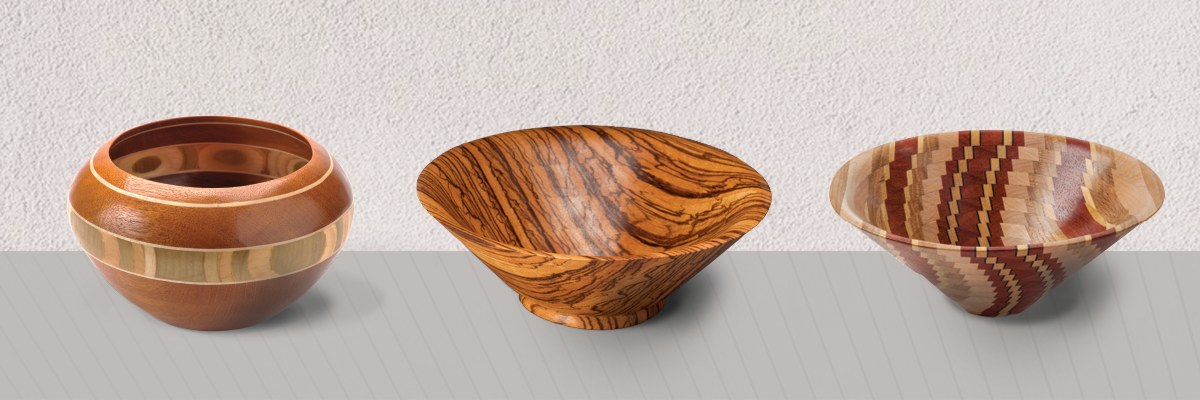
Credit: news.foxchapelpublishing.com
Setting Up The Lathe
Begin by setting up the lathe securely to ensure stability. Choose a suitable wood blank, then mount it on the lathe. Adjust the tool rest and speed settings for safe and efficient turning.
Setting up the lathe is your first step toward crafting a beautiful wood bowl. This process involves more than just turning on the machine. It’s about preparing the lathe to work seamlessly with you. Think of it as setting the stage for a performance; everything needs to be just right. You want to ensure the lathe’s settings are ideal, and safety measures are in place. These steps will make your woodturning experience smooth and enjoyable.Adjusting Speed Settings
Before you start shaping that perfect wood bowl, adjusting the lathe’s speed settings is crucial. Each type of wood responds differently to speed. Begin by checking the wood’s density. Dense woods need slower speeds to avoid overheating and possible damage. If you’re unsure, start slow and gradually increase the speed. Most lathes come with a variable speed control, allowing you to fine-tune the RPM. Try experimenting with different speeds to see what works best for your wood piece. This trial and error will help you find the sweet spot for efficient turning.Ensuring Safety Precautions
Safety is the cornerstone of your woodturning journey. Always prioritize it before you dive into the craft. Ensure you’re wearing safety goggles and a dust mask. Wood chips can fly off unpredictably, and inhaling fine dust is hazardous. Make sure your lathe is securely anchored to its base to prevent any wobbling. A steady machine is crucial for precision and safety. Check that your tools are sharp and in good condition. Dull tools can lead to accidents and poor craftsmanship. Do you have a clear workspace? Ensure there’s enough room to move freely without any obstructions. A clutter-free environment keeps your focus on the task at hand. Set up a comfortable lighting arrangement. Good lighting reduces strain on your eyes and helps you see the details in your work. How do you balance creativity and safety when working on the lathe? It’s a question every woodworker must answer. Embracing safety doesn’t limit your artistry; it enhances it by giving you the confidence to explore new techniques.Turning The Outside Shape
Crafting a wood bowl on a lathe begins with shaping the exterior. Start by securely mounting the wood block. Gradually use chisels to carve and refine the outside form. Focus on smooth curves to achieve an elegant finish.
Crafting a wood bowl on a lathe is a rewarding experience that combines artistry and skill. Before you dive into this process, understanding how to turn the outside shape is crucial. This step sets the foundation for your bowl’s aesthetic appeal and structural integrity. It’s where your creativity meets precision. Are you ready to shape your masterpiece?Shaping Techniques
Start by securing the wood blank onto the lathe. This is where you transform a simple piece of wood into a work of art. Think about the shape you want for your bowl. Will it be deep and rounded or shallow and wide? Each shape requires different techniques. Experiment with angles and curves. Try adjusting the tool rest to get the best leverage. It’s all about finding what feels comfortable for you. Don’t rush this process. Take your time to explore different styles until you’re satisfied with the curve of the bowl.Using The Bowl Gouge
The bowl gouge is your primary tool for shaping the outside of the bowl. Its design allows for smooth, controlled cuts. Hold the gouge firmly yet gently. Let the tool work for you, guiding it with steady hands. Position the gouge at an angle that suits your desired shape. Start with light cuts and gradually increase pressure as you become more confident. Listen to the wood. It has its own rhythm and can tell you when you’re applying too much force. Practice makes perfect. The more you use the gouge, the more intuitive the process becomes. Have you ever tried using a different tool for a unique effect? Each tool brings its own character to the wood. Turning the outside shape of your wood bowl is where the magic begins. It’s an opportunity to express your creativity and hone your craftsmanship. Are you ready to see what your hands can create?Hollowing The Inside
Crafting a wood bowl on the lathe involves careful shaping and hollowing. Start by securely mounting your wood piece. Gradually carve out the inside, paying close attention to the bowl’s depth and thickness. Safety and precision are key throughout the process.
Hollowing the inside of a wood bowl is a crucial step. It requires precision and care. The interior must be smooth and even. This process defines the bowl’s functionality and aesthetics. Achieving the right depth and shape is essential. Let’s explore how to hollow the inside effectively.Creating The Bowl Interior
Start by securing your wood blank on the lathe. Ensure it is tightly fastened. Use a bowl gouge for initial hollowing. This tool helps shape the interior smoothly. Begin at the center, moving outward. Use steady hands and maintain a consistent speed. Let the lathe do the work. Avoid applying too much force. Gradually remove wood to form the interior shape. Stop periodically to check your progress. This ensures you maintain the desired shape.Managing Thickness
Consistent thickness is vital for a balanced bowl. Use calipers to measure the walls. Keep the thickness uniform around the bowl. This enhances durability and appearance. Aim for a thickness of about 3/8 inch. Adjust as needed for larger bowls. Thinner walls can cause instability. Use a light touch to fine-tune the thickness. Regular checks prevent over-hollowing. Remember, precision is key. Each pass should be deliberate and controlled.Sanding And Smoothing
Achieving a smooth finish on your wood bowl requires careful sanding. Begin with coarse sandpaper to remove rough areas. Gradually move to finer grains for a polished texture. This process enhances the bowl’s appearance and ensures a flawless final product.
Creating a wood bowl on the lathe is a rewarding experience that marries craftsmanship with creativity. Once you’ve shaped your bowl, the next crucial step is sanding and smoothing. This part of the process transforms a roughly turned piece into a beautifully finished product. Sanding and smoothing may seem tedious, but it’s essential for bringing out the wood’s natural beauty and ensuring a silky touch.Choosing Sandpaper Grits
Selecting the right sandpaper grits is crucial for a successful finish. Start with a coarser grit, like 80 or 100, to remove rough spots and tool marks. As you progress, gradually shift to finer grits, such as 220 or even 400, to achieve a smoother surface. Keep a range of sandpaper on hand. You never know when you might need to step back to a coarser grit. This can happen if you discover unexpected rough patches or scratches. Pay attention to the feel of the wood between each grit. This helps ensure you’re achieving the desired smoothness before moving to the next level.Achieving A Smooth Finish
To achieve a smooth finish, always sand with the grain of the wood. This prevents scratches that run against the natural lines of the wood, which can be hard to remove later. Use a light touch as you sand. Let the sandpaper do the work, and avoid pressing too hard. This can create uneven spots or grooves in the surface. Consider using a sanding block or pad for more even pressure distribution. This is especially useful if your bowl has flat surfaces or subtle curves. Occasionally, stop to feel the surface with your fingers. Your touch can often detect imperfections that your eyes might miss. Does it feel as smooth as you’d like? Remember, patience is your ally in this process. Rushing through sanding can result in a less than perfect finish. How much time are you willing to invest to ensure your bowl is a piece of art? In my experience, taking extra time with the finer grits always pays off. The smoother the surface, the better it looks and feels when it’s finished. What will your final piece say about your attention to detail? Sanding and smoothing are where craftsmanship shines. Each step you take brings you closer to a polished, professional-looking bowl that showcases your skills and dedication.
Credit: turnawoodbowl.com
Applying Finish
Applying the finish to your wood bowl is a crucial step. It enhances the natural beauty of the wood and protects the surface. A well-applied finish can transform your creation. Choose the right type and application method for the best results.
Types Of Finishes
Several finishes are available for wooden bowls. Oils, waxes, and varnishes are popular choices. Oils penetrate the wood, enriching its color and texture. Tung oil and linseed oil are common options. Waxes provide a soft, natural sheen and are easy to apply. Carnauba wax is a favorite among woodworkers. Varnishes offer a durable, glossy finish. Polyurethane varnish is known for its toughness.
Application Methods
The method of application affects the final look. For oils, use a clean cloth to apply evenly. Rub the oil into the wood in circular motions. Let it soak, then wipe away excess oil. For waxes, apply with a soft cloth or brush. Buff the surface to achieve a smooth finish. Varnishes often require a brush or a spray. Apply thin layers to avoid streaks and bubbles. Allow each layer to dry completely before adding another.
Troubleshooting Common Issues
Creating a wood bowl on a lathe is rewarding. Yet, it can present challenges. Beginners often face common issues that disrupt progress. Knowing how to troubleshoot these problems is crucial. This section provides solutions to frequent obstacles.
Addressing Cracks And Splits
Cracks can occur during turning or drying. Choose wood without existing cracks for a smoother process. Inspect the wood closely before starting. If cracks appear, use wood glue or epoxy to fill them. Let the glue dry completely before further work. This prevents further damage and ensures stability.
Reduce splits by controlling speed and pressure. Too much pressure can split the wood. Adjusting the lathe speed helps maintain control. Slow down if you notice splitting. Use sharp tools for a cleaner cut, decreasing strain on the wood.
Correcting Uneven Surfaces
Uneven surfaces can ruin your bowl’s finish. To fix this, check tool sharpness first. Dull tools cause rough cuts. Sharpen them regularly for smoother results. Adjust the tool rest height for better control. It should be slightly above the centerline.
If unevenness persists, sand the surface gently. Start with coarse sandpaper. Gradually move to finer grits for a polished look. Consistent sanding smooths imperfections. Take your time to ensure even coverage. This enhances the final appearance of your wood bowl.
Caring For Your Wood Bowl
Crafting a wood bowl on the lathe requires care and precision. Keep tools sharp for smooth cuts and sand progressively for a fine finish. Regularly apply mineral oil or beeswax to protect and enhance the wood’s natural beauty, ensuring your bowl remains durable and visually appealing.
Caring for your wood bowl ensures it remains a treasured piece for years. Proper maintenance preserves its natural beauty and functionality. With the right care, your wood bowl can last a lifetime. Here’s how to keep it in top shape.Cleaning And Maintenance
Regular cleaning keeps your wood bowl looking fresh. Always hand wash your bowl with mild soap and warm water. Avoid soaking it. Prolonged exposure to water can damage the wood. After washing, dry it immediately with a soft cloth. This prevents water spots and maintains the wood’s finish. Never put your wood bowl in the dishwasher. The intense heat and water can warp or crack it. Instead, treat your bowl with a food-safe mineral oil monthly. This helps maintain its luster and prevents drying out.Long-term Preservation
Long-term preservation involves more than just cleaning. Store your wood bowl away from direct sunlight. Sunlight can fade its natural color. Extreme temperatures can also cause the wood to expand or contract. Keep it in a stable environment. Regularly inspect your bowl for cracks or changes. Early detection helps prevent further damage. If you notice any rough spots, gently sand them with fine-grit sandpaper. Reapply mineral oil to restore its smooth surface. By caring for your wood bowl, you ensure it remains a cherished item. It’s not just a bowl; it’s a piece of art.Frequently Asked Questions
At What Speed Should You Turn A Bowl On A Lathe?
Turn a bowl on a lathe at 500 to 1200 RPM. Start slower for larger bowls and increase speed carefully. Always prioritize safety and ensure tools are sharp. Adjust speed based on wood type and bowl size for optimal results.
Regularly check lathe settings for precision and control.
What Tool To Use To Make A Bowl On A Lathe?
Use a bowl gouge to make a bowl on a lathe. This tool efficiently shapes and hollows wood. Choose a sharp, high-quality gouge to ensure precision and smooth cuts. Regularly sharpen the tool for optimal performance and safety.
What Is The Best Wood For Turning Bowls?
Maple, cherry, and walnut are popular woods for turning bowls. They offer durability and beautiful grain patterns. Woodworkers often prefer these due to their ease of workability and finish. Each type provides a unique aesthetic, making them ideal for crafting stunning, functional bowls.
What Is The Best Finish For A Wooden Bowl?
The best finish for a wooden bowl is food-safe mineral oil or beeswax. These finishes protect and enhance the wood’s natural beauty. They are easy to apply and maintain, making them ideal for items that come into contact with food.
Always ensure the finish is non-toxic and safe for use.
Conclusion
Creating a wood bowl on the lathe is rewarding. You have learned the steps needed. Safety always comes first, so wear protection. Choose the right wood for your bowl. Begin with careful measurements and planning. Use the lathe with confidence and precision.
Sand the bowl smooth for a perfect finish. Apply oil or wax to protect your creation. Enjoy the beauty of your handmade wood bowl. Share it with family and friends. Practice will improve your skills over time. Keep exploring new designs and techniques.
Happy turning!