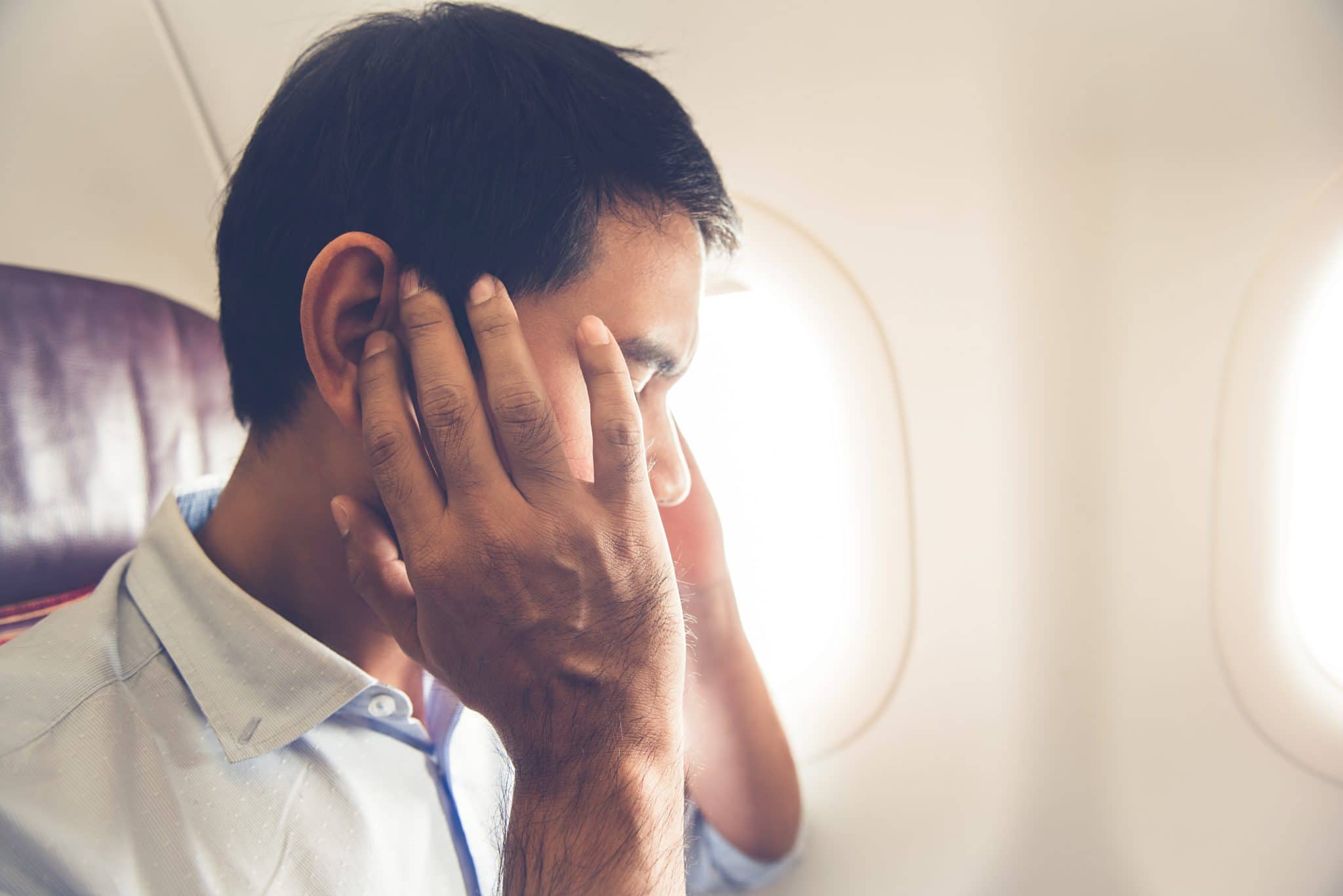
Flying to new destinations is always exciting. But, have you ever noticed that your ears feel uncomfortable or even painful during a flight?
You’re not alone. Many travelers experience this, and it can turn a dream trip into a nightmare. Imagine being able to enjoy your flight without that annoying ear pressure or pain. Sounds great, right? By learning a few simple strategies, you can protect your ears and ensure a smoother, more enjoyable journey.
Ready to discover how you can make your next flight a breeze? Let’s dive into the secrets of keeping your ears safe and sound while soaring through the skies.
Credit: househearing.com
Common Causes Of Ear Discomfort In Flight
Flying often brings excitement, but the discomfort in your ears can be a nuisance. Many travelers experience ear pain or pressure during flights. Understanding what causes these issues is crucial for prevention. Let’s explore the common culprits behind ear discomfort while flying.
Change In Air Pressure
Air pressure changes rapidly during takeoff and landing. This shift can affect your ears significantly. The eustachian tube struggles to equalize pressure, causing discomfort.
Blocked Eustachian Tubes
Colds or allergies can block the eustachian tubes. This blockage prevents equalization, leading to ear pain during flights. Keeping these tubes clear is essential for comfort.
Altitude Changes
Flying at high altitudes affects ear pressure. Your ears must adapt quickly, or discomfort occurs. Slow changes in altitude can help ease this transition.
Cabin Noise
The loud noise in airplane cabins can stress your ears. Prolonged exposure may lead to discomfort or temporary hearing loss. Using earplugs can mitigate this issue.
Dehydration
Flying often leads to dehydration. Dry air in the cabin affects your ears and throat. Drinking water before and during flights can help maintain moisture levels.
Ear Infections
An existing ear infection can worsen during flights. Pressure changes aggravate pain and discomfort. Consult a doctor before flying with an ear infection.

Credit: www.sinusandallergywellnesscenter.com
Understanding Air Pressure Changes
Flying can be a thrilling experience. But it comes with its challenges. One of them is dealing with air pressure changes. These changes can cause discomfort in your ears. Understanding this process helps you protect your ears during flights.
What Causes Air Pressure Changes?
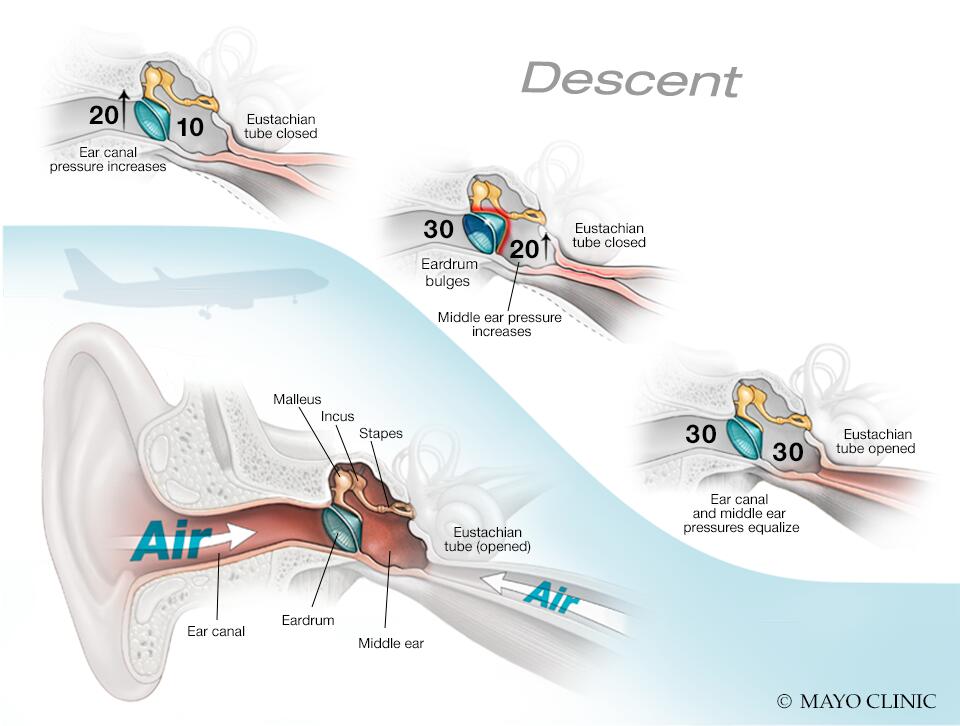
Air pressure changes with altitude. As a plane ascends, the air pressure decreases. During descent, the pressure increases. This rapid change affects your ears.
How Your Ears Respond To Pressure
Your ears have a natural mechanism to balance pressure. The Eustachian tube plays a key role. It connects the middle ear to the back of the nose. It helps equalize pressure on both sides of the eardrum.
Why Some People Feel Pain
Sometimes, the Eustachian tube struggles to adjust quickly. This can cause a feeling of fullness or pain. Children often experience this more than adults.
Common Symptoms Of Air Pressure Changes
Many people feel a popping sensation. Some might experience temporary hearing loss. Others feel slight dizziness or discomfort.
Why Understanding Helps You Prepare
Knowing how air pressure affects your ears can help you prepare. Simple actions can prevent discomfort. Chewing gum, swallowing, or yawning can help. These actions open the Eustachian tube, balancing pressure.
Symptoms Of Ear Pain During Flights
Ear pain during flights may cause discomfort. Symptoms include pressure, fullness, and sharp pain in the ears. Protect your ears by yawning, swallowing, or using earplugs.
Flying can cause discomfort in the ears. Many travelers experience this issue. Ear pain during flights arises from pressure changes. It affects many people. Recognizing the symptoms helps in managing them effectively.Ear Fullness Or Blockage
A common symptom is feeling of fullness in the ears. It feels like your ears are blocked. This sensation can be annoying and persistent. It usually happens during take-off or landing.Pain Or Discomfort
Another symptom is pain in the ears. It ranges from mild to severe. Some feel sharp pain. Others may experience a dull ache. This discomfort often worsens during descent.Muffled Hearing
Many experience muffled hearing during flights. Sounds appear distant or unclear. This occurs due to pressure imbalance. It usually resolves after landing.Ringing Or Buzzing Sounds
Ringing in the ears is also common. It can sound like buzzing or humming. This is known as tinnitus. It can be temporary and might disappear soon after landing.Dizziness Or Vertigo
Pressure changes may cause dizziness. This can lead to feelings of vertigo. Sudden movements may worsen this sensation. Drinking water helps in alleviating dizziness. Understanding these symptoms can help prepare for flights. Taking simple precautions can minimize discomfort.Pre-flight Preparations
Flying can affect your ears due to changes in air pressure. Chewing gum or yawning helps balance pressure. Earplugs or special earplugs also provide comfort and protection during takeoff and landing.
Flying can be an exciting adventure, but it’s also important to prepare to protect your ears from discomfort. Pre-flight preparations are key. A bit of planning can make a world of difference in how your ears feel during and after your flight. Let’s dive into some practical steps you can take.Choosing The Right Seat
Where you sit on the plane can impact your ear comfort. Seats towards the front often experience less noise from the engines. This can reduce ear strain, especially during takeoff and landing. Next time you book a flight, consider choosing a seat away from the wings to minimize noise exposure. Think about proximity to the restrooms or galley too. These areas can be noisy and busy, which might disturb your peace and add stress. A seat in a quieter section can enhance your overall experience, making ear protection easier.Packing Essential Ear Care Items
Having the right items in your carry-on can be a lifesaver for your ears. Earplugs are a must-have. They can help reduce the pressure changes that cause discomfort. Noise-canceling headphones are another great option, allowing you to enjoy music or movies without raising the volume too high. Don’t forget to pack gum or hard candy. Chewing helps equalize ear pressure, especially during altitude changes. A small, portable ear care kit can be your best friend on long flights. Have you ever experienced ear pain after a flight? It can be quite unsettling. Taking these simple steps can make all the difference. Prepare ahead, and your ears will thank you later.Techniques For Ear Protection During Takeoff
Flying can be an exciting experience, but the discomfort during takeoff is something many dread. The sudden changes in air pressure can cause your ears to pop or even hurt. How can you ensure a smooth takeoff without ear pain? Here are some effective techniques to protect your ears.
Yawning And Swallowing
These simple actions can be surprisingly effective. As the plane ascends, the air pressure changes rapidly, causing your eardrums to feel discomfort. Yawning and swallowing help equalize this pressure.
Think of it as a natural way to adjust your ears. Each time you yawn or swallow, you encourage the muscles around your Eustachian tubes to open. This helps balance the pressure between your inner ear and the cabin. Ever noticed how your ears pop when you chew gum? It’s the same principle.
Try this technique next time you fly. Keep a mint or candy handy to encourage swallowing. It might just save you from that annoying ear pain!
Using Earplugs Or Ear Muffs
Earplugs or ear muffs are another fantastic solution. They work by reducing the pressure change impact on your ears during takeoff. Choose ones specifically designed for flying for optimal results.
These devices are easy to use and carry. Simply insert the earplugs before takeoff or put on your ear muffs. They help slow down the pressure change, allowing your ears to adjust gradually.
Have you ever tried flying without them? The difference can be night and day. Experiment with different types to find what suits your comfort best. It’s a small investment for a pain-free journey.
What techniques do you use to protect your ears during takeoff? Next time you fly, try these strategies. You might find a combination that works wonders for your ear comfort.
Managing Ear Pressure During Descent
Flying can challenge your ears with pressure changes, especially during descent. Chewing gum or yawning helps stabilize ear pressure. These simple actions can prevent discomfort and protect hearing while traveling.
Flying can be exciting, but ear discomfort during descent is common. The change in air pressure can cause ears to pop. This sensation may be painful. Managing ear pressure effectively can ease this discomfort. Simple techniques can help protect your ears. These methods are easy to follow and require no special tools.The Valsalva Maneuver
The Valsalva Maneuver is a simple technique. Pinch your nose gently. Close your mouth. Blow air through your nose without releasing the pinch. This helps equalize ear pressure. Do this gently to avoid ear damage. You can repeat this process as needed. It’s a quick way to relieve ear discomfort.Chewing Gum Or Candy
Chewing gum or candy can also help. The act of chewing stimulates swallowing. Swallowing helps open the Eustachian tubes in the ears. This can equalize pressure and reduce ear popping. Gum or candy is easy to carry on flights. Choose a flavor you enjoy for a pleasant experience.Special Considerations For Children
Children need ear protection while flying to avoid discomfort. Chewing gum or swallowing helps balance ear pressure. Ensure kids stay hydrated to minimize ear pain during flights.
Traveling by plane can be a thrilling experience for children, but it often comes with challenges, especially concerning ear discomfort. Parents frequently worry about their kids experiencing ear pain due to pressure changes during takeoff and landing. Ensuring your child’s ears are protected can make a huge difference in their flying experience. Taking special care can help ease the journey for both you and your child.Comfort Measures For Infants
Infants are particularly sensitive to pressure changes due to their small ear canals. Nursing or bottle-feeding during takeoff and landing can help. The sucking motion encourages swallowing, which equalizes ear pressure. Consider using a pacifier if your baby isn’t hungry. It offers similar benefits without the need for feeding. Soft ear muffs or gentle earplugs can also add extra comfort by reducing cabin noise. It’s essential to keep your infant calm. A calm baby is less likely to experience ear pain, so soothing music or a favorite toy might do wonders.Games And Distractions For Older Kids
Older kids might not be as easily comforted as infants. Engaging them in games and activities can distract from ear discomfort. Simple card games or puzzles are great options that don’t require much space. Audiobooks or storytime apps can captivate their attention. Encourage them to chew gum or suck on candy, as this helps with ear pressure regulation just like swallowing does. What games did you love as a child? Share these with your kids. You might find that your enthusiasm makes the distraction even more effective. Flying with children can be daunting, but with a few strategic measures, you can ensure a smoother journey. How do you plan to make your next flight enjoyable for your little ones?When To Seek Medical Advice
Experiencing severe ear pain or persistent discomfort while flying requires medical advice. Ear protection during flights is crucial to avoid potential damage. Consult a doctor if pain lasts beyond the flight.
When flying, protecting your ears is crucial for comfort and health. Sometimes, despite taking precautions, ear discomfort persists or worsens. Recognizing when to seek medical advice is essential. This section provides guidance on identifying symptoms that need professional attention.Persistent Pain
Ear pain should not last long after landing. If pain persists for more than a day, consult a healthcare professional. Prolonged discomfort could indicate an underlying issue, such as an infection.Hearing Loss
Temporary hearing loss can occur during flights. If hearing does not return to normal after a few hours, it is time to seek medical advice. Sudden or extended hearing loss might be a sign of damage.Fluid Discharge
Fluid or pus coming from the ear is a warning sign. This symptom often indicates an infection or injury. Immediate medical attention is necessary to prevent further complications.Dizziness
Feeling dizzy after flying may be common for some. But if dizziness continues or worsens, it may require medical evaluation. This could be linked to ear health issues affecting balance.Severe Symptoms
Severe symptoms like intense pain, bleeding, or fever demand prompt medical care. These can point to serious conditions that need immediate attention. Do not delay consulting a specialist if you experience these symptoms.Post-flight Ear Care Tips
Flying can be hard on your ears. Pressure changes cause discomfort. Post-flight ear care helps ease pain and prevent lasting issues. Simple steps make a big difference. Below are tips to care for your ears after landing.
Hydrate Well
Drink plenty of water after your flight. Hydration helps balance ear pressure. It aids in fluid movement within your ears. Avoid caffeine and alcohol. They can dehydrate you quickly.
Avoid Sudden Noise
Protect your ears from loud sounds. Airports are noisy places. Use earplugs if needed. This reduces stress on your ears. Keep the volume low on electronic devices.
Use Warm Compresses
Warm compresses ease discomfort. Place a warm cloth over your ears. This helps in relieving pressure. It also soothes ear pain and discomfort. Do this for 10 minutes to feel better.
Chew Gum
Chewing gum helps post-flight. It stimulates jaw movement. This action helps equalize pressure. It can relieve ear discomfort quickly. Choose sugar-free gum for healthy teeth.
Consult A Doctor
If pain persists, see a doctor. Ear problems need professional care. Ignoring them can cause damage. Early treatment prevents serious issues. Trust medical advice for long-term health.
Credit: www.mayoclinic.org
Frequently Asked Questions
How Do I Prevent My Ears From Bursting When Flying?
Chew gum or suck on candy during takeoff and landing. Yawn or swallow frequently. Use earplugs designed for flying. Practice the Valsalva maneuver by gently blowing while pinching your nose and closing your mouth. Stay hydrated and avoid sleeping during descent.
What Medicine To Take Before Flying For Ears?
Take decongestants like Sudafed or antihistamines such as Claritin before flying to help with ear pressure. Chewing gum or using earplugs can also assist in relieving discomfort during takeoff and landing. Always consult your doctor for personalized advice, especially if you have existing ear conditions.
Can Headphones Prevent Airplane Ears?
Headphones alone cannot prevent airplane ears. Noise-canceling headphones help by reducing cabin noise, making ear pressure changes less noticeable. Chewing gum, yawning, or swallowing also help balance ear pressure during flights. Consider using specialized earplugs for better protection against airplane ear discomfort.
How Do Flight Attendants Protect Their Ears?
Flight attendants protect their ears using earplugs or noise-canceling headphones. These tools reduce cabin noise. They also ensure better communication and hearing protection during flights. Regular ear check-ups help maintain ear health.
Conclusion
Flying can be tough on your ears. Simple steps help prevent discomfort. Use earplugs or noise-canceling headphones. Hydrate well to keep your ears healthy. Chewing gum or yawning can relieve pressure. Avoid sleeping during takeoff and landing. Stay aware of ear pain signals.
Consult a doctor if pain persists. Prioritize ear care for a pleasant flight. These tips make flying easier on your ears. Enjoy your travels with less worry. Safe travels!