Are you tired of fumbling with your tape measure, trying to make sense of all those tiny lines? Whether you’re a DIY enthusiast, a budding carpenter, or simply someone trying to hang a picture frame straight, understanding how to read inches on a tape measure is a skill that can save you time and frustration.
Imagine the satisfaction of getting your measurements right the first time and completing your projects with precision. This guide is here to help you unlock that confidence. Stick with us, and you’ll soon be measuring like a pro, avoiding common mistakes, and impressing your friends with your newfound expertise.
Let’s dive in and take the mystery out of those little lines!
Basics Of A Tape Measure
Understanding a tape measure is essential for accurate measurements. It helps in various tasks, from woodworking to home improvement. Knowing how to read inches on a tape measure is a valuable skill.
A tape measure is a flexible ruler. It is often used to measure distance or size. It consists of marked lines, which indicate length in inches and centimeters.
Parts Of A Tape Measure
The tape measure has several key parts. The blade is the long, flexible strip with measurement markings. The case protects the blade when not in use.
The hook is a small metal tab at the end. It helps to grab onto the edge of the item being measured. The lock button holds the blade in place for hands-free measuring.
Types Of Tape Measures
There are different types of tape measures available. Standard tape measures are common for household use. They usually measure up to 25 feet.
Specialized tape measures exist for specific tasks. For example, surveyor tape measures can measure longer distances. They often reach up to 100 feet or more.

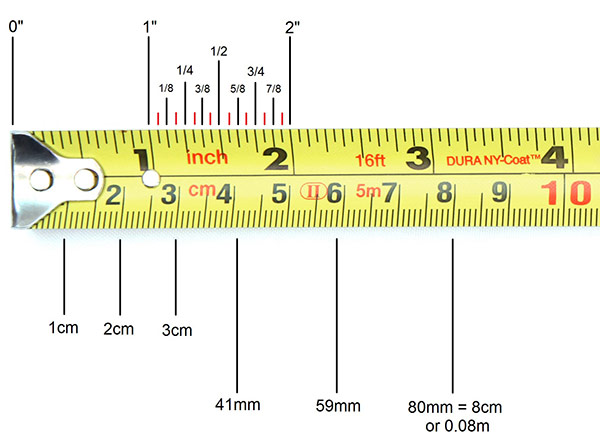
Credit: www.wikihow.com
Inch Markings
Learn to read inches on a tape measure by understanding the inch markings. Each inch is divided into smaller lines. These lines represent fractions such as half, quarter, and eighth.
Understanding how to read inches on a tape measure is crucial for precise measurements. The inch markings represent specific segments on the tape. These markings help in identifying the exact measurement needed for any project. Whether you are building, crafting, or simply measuring, understanding these markings is essential.Understanding Fractions
Fractions play a key role in inch markings. Each inch is divided into smaller segments. These segments are often represented as fractions. The most common fractions include halves, quarters, eighths, and sixteenths. Recognizing these fractions ensures accuracy. For example, an inch is split into two halves. Thus, the first half-inch mark appears midway between the inch marks. Quarter-inch marks divide the inch into four equal parts. This makes it easier to measure smaller sections.Common Inch Divisions
Tape measures show common divisions of inches. These divisions include the half-inch and quarter-inch marks. They are among the easiest to identify. Half-inch marks are found in the middle of each inch. They are typically longer than other marks. Quarter-inch marks are smaller and appear twice in each inch. Eighth-inch marks divide the quarter-inch segments. They provide more precise measurements. Sixteenth-inch marks are the smallest divisions. They offer the most detailed measurements possible. Understanding these divisions simplifies the measuring process. Each mark serves a unique purpose. Recognizing them helps in achieving precise results.Reading Whole Inches
Learning to read inches on a tape measure is simple. Start by identifying the whole numbers, marking each inch. Smaller lines divide into fractions, like 1/2 or 1/4, helping you measure precisely. Practice regularly to become confident in reading measurements accurately.
Reading a tape measure accurately is a vital skill for DIY projects. Understanding whole inches makes measuring easier. This section explains how to read whole inches on a tape measure.Identifying The Inch Marks
Inch marks are bold and stand out on the tape. They are often numbered. Each inch is divided into smaller sections. These sections help measure more precisely. Look for the longest line on the tape. This line represents a full inch.Aligning The Tape
Start by placing the tape measure’s end at your starting point. Pull the tape straight across the object. Ensure the tape is tight and flat. The whole inch mark should align with the edge. This gives an accurate measurement in inches. Reading whole inches is simple with practice. Recognize inch marks. Align the tape correctly. Measuring becomes straightforward and precise.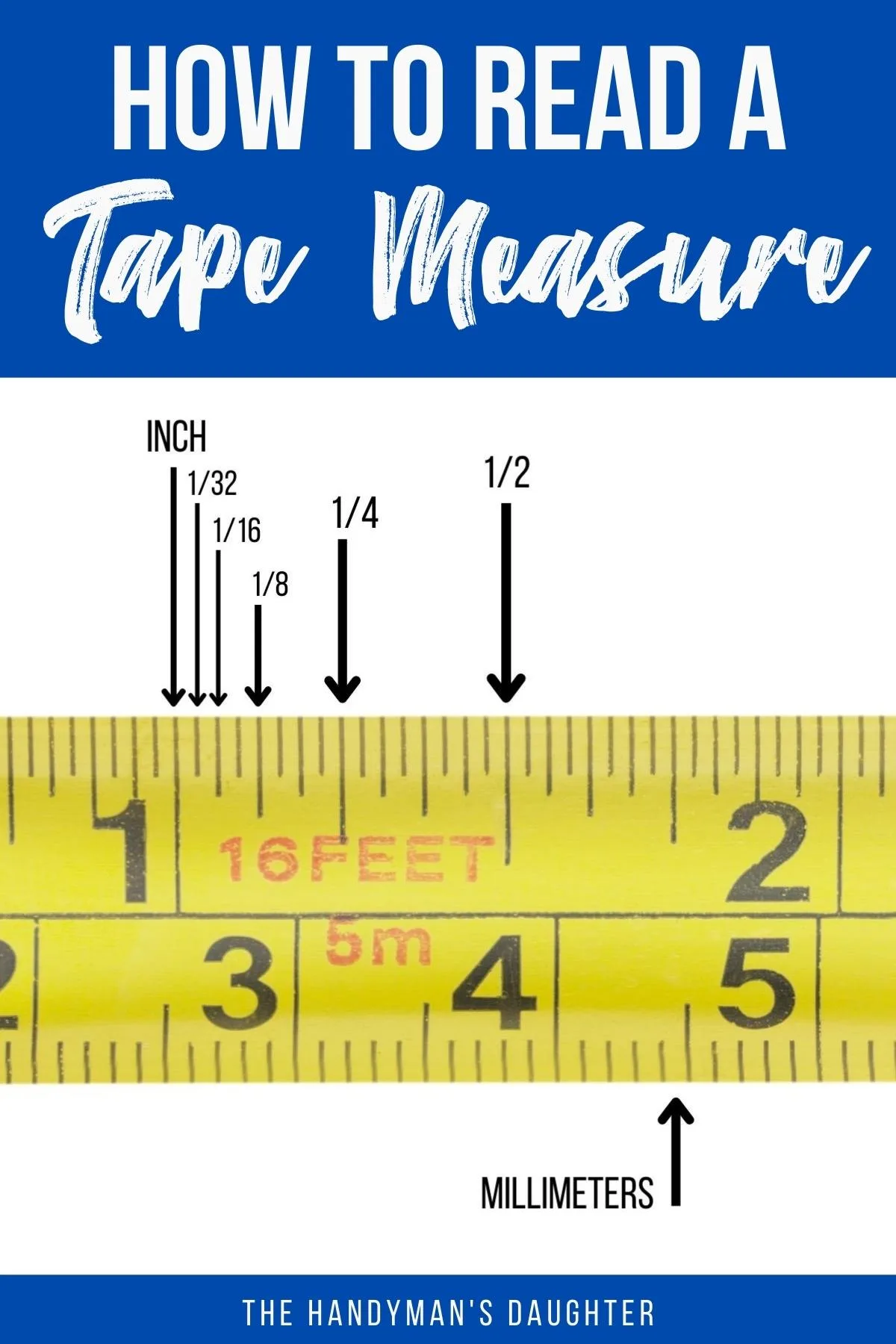
Credit: www.thehandymansdaughter.com
Reading Fractions Of An Inch
Learning to read fractions of an inch on a tape measure involves identifying the smaller lines between inch marks. Each inch is divided into halves, quarters, eighths, and sixteenths, which are crucial for precise measurements. Recognizing these increments ensures accuracy in projects and helps avoid common measuring mistakes.
Reading fractions on a tape measure can seem daunting. It’s vital to understand each mark for precise measurements. Knowing how to read these marks simplifies projects, ensuring accuracy.Quarter And Half Inch Marks
Quarter inch marks are easy to spot. They are the second longest lines after the inch marks. Each quarter inch mark divides the inch into four equal parts. Half inch marks are even easier to identify. They are the longest lines between inch marks, splitting the inch into two equal sections.Eighth And Sixteenth Inch Marks
Eighth inch marks are shorter than quarter inch marks. These lines divide the inch into eight equal sections. They are slightly longer than sixteenth inch marks. Sixteenth inch marks are the shortest lines on the tape measure. These lines slice the inch into sixteen equal parts. Reading these marks requires close attention. They ensure precise measurements for detailed work.Expert Tips For Accuracy
Reading inches on a tape measure becomes straightforward with practice. First, focus on the numbers marked along the tape. Learn to recognize the smaller fractions between each inch for precise measurements.
Reading inches on a tape measure can seem straightforward, yet accuracy is crucial for the perfect fit. Whether you’re measuring wood for a DIY project or checking the dimensions of a new piece of furniture, precision is key. Expert tips can help you enhance your measuring skills and avoid common pitfalls. Let’s dive into some practical advice on maintaining accuracy while using a tape measure.Avoiding Common Mistakes
One frequent error is misreading the marks. A tape measure has numerous lines between the inch marks, and each represents a fraction. Make sure you know what each one stands for. Another mistake is not starting from zero. Ensure your tape measure is fully extended to the starting point. I once measured for curtains and forgot this, ending up with curtains that were too short. Keep the tape straight to avoid miscalculations. A bent tape can throw off your measurements. Have you ever struggled with mismatched pieces that were supposed to fit perfectly? This could be the culprit.Maintaining Your Tape Measure
A well-maintained tape measure ensures accuracy. Regularly check for wear and tear, especially at the hook end. If it’s loose or bent, your readings might be off. Store your tape measure in a dry place. Moisture can cause rust, affecting the tape’s flexibility and readability. Imagine the frustration of trying to read faded numbers during a critical project. Ensure the tape retracts smoothly. If it doesn’t, it might be time for a replacement. A smooth retracting tape is not only easier to handle but also ensures you’re ready for precise measurements anytime. Accuracy is about more than just reading numbers; it’s about ensuring your tools are reliable. Are you maintaining your tape measure properly? Consider it as your trusty assistant in every project you undertake.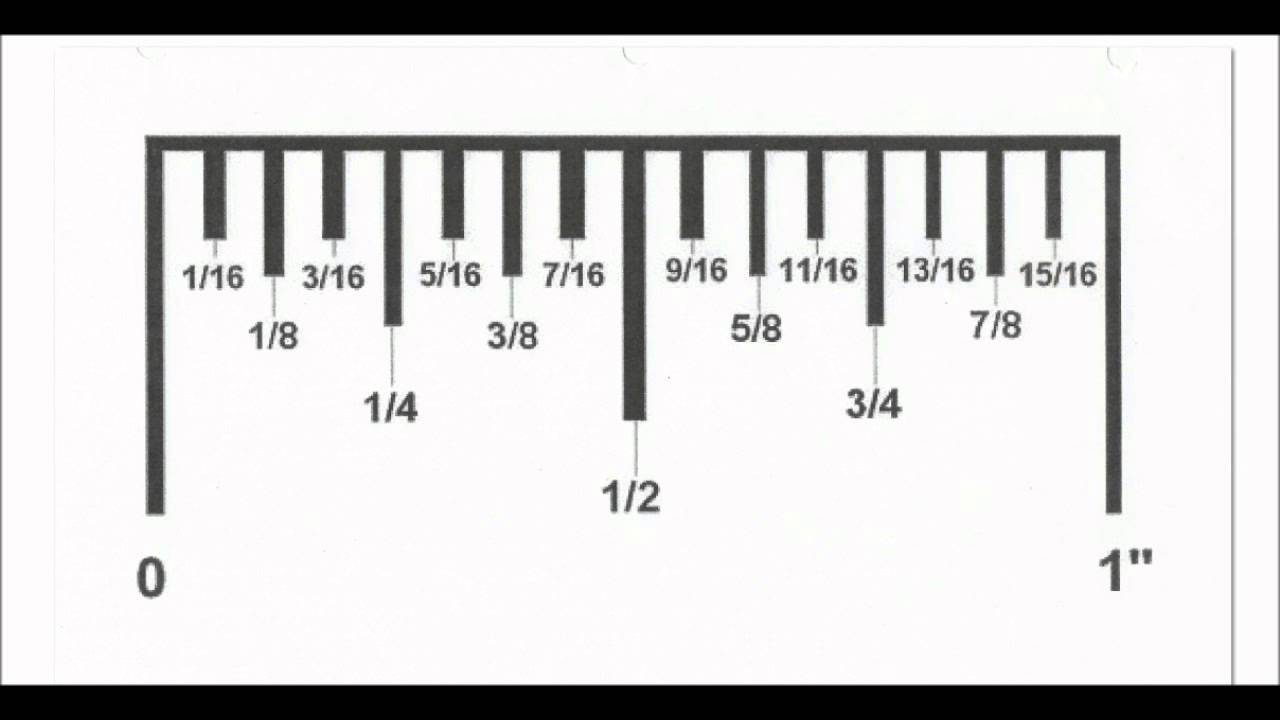
Credit: www.youtube.com
Practical Applications
Measuring inches on a tape measure involves recognizing the marked lines and numbers. Understanding these markings helps in accurate measurements. Familiarity with fractions and whole numbers ensures precise reading, useful for home projects or professional tasks.
Reading inches on a tape measure may seem trivial, but its practical applications are vast and impactful. Whether you’re embarking on a DIY project or working in a professional setting, understanding how to accurately measure can save time, money, and frustration. Imagine confidently measuring, cutting, and building with precision. Let’s delve into some common scenarios where knowing how to read inches on a tape measure is essential.Diy Projects
Venturing into the world of DIY can be both exciting and challenging. Accurate measurements are the backbone of any successful project. Picture yourself building a bookshelf for your living room. A tape measure becomes your best friend, ensuring each shelf fits perfectly in its slot. Misreading just an inch could mean wasted wood and a lopsided shelf. Have you ever tried hanging picture frames in a straight line? Using a tape measure helps you space each frame evenly, creating a professional-looking gallery wall. Your friends will be impressed, and you’ll avoid the frustration of rearranging frames repeatedly.Professional Use
In professions like carpentry, construction, or interior design, precision is critical. A single inch can be the difference between a door fitting snugly or not at all. Professionals often rely on tape measures to deliver flawless results. When constructing furniture, knowing how to read inches accurately ensures that all pieces fit together seamlessly. Imagine being a tailor who needs to make alterations to a client’s suit. An incorrect measurement can ruin the garment, leading to costly mistakes. Mastering the tape measure ensures that your alterations are precise and your clients satisfied. How often have you thought about the importance of this simple tool in your daily life? Next time you pick up a tape measure, remember the power it holds. Whether you’re a DIY enthusiast or a seasoned professional, mastering this tool can elevate your projects from good to great.Frequently Asked Questions
How Do You Read Inches On A Tape Measure?
To read inches on a tape measure, locate the large numbers for full inches. The smaller marks between represent fractions: half, quarter, eighth, and sixteenth. Count these marks for precise measurement. Ensure the tape is straight for accuracy.
What Is The Rule For Inches On A Tape Measure?
A tape measure shows inches divided into fractions. Each inch is typically divided into 16 smaller marks. The longest mark indicates the half-inch, followed by quarter-inch, eighth-inch, and sixteenth-inch marks. Ensure you read from the correct side for accurate measurements.
What Is The Easiest Way To Read A Tape Measure?
To read a tape measure easily, align the zero mark with your starting point. Note the measurement where the other end meets. Understand the fractions, with larger marks representing inches and smaller ones indicating fractions. Practice often for accuracy and confidence.
How Do I Read Inches?
To read inches, use a ruler or tape measure. Each inch is divided into smaller lines. The longest line marks one inch, while shorter lines denote fractions like 1/2, 1/4, 1/8, or 1/16. Count these lines to determine the measurement in inches accurately.
Conclusion
Mastering tape measure reading is simpler than it seems. Break down inches into smaller parts. Focus on halves, quarters, and eighths. Practice makes perfect. Spend time measuring different objects. Get familiar with each mark. Precision improves with experience. Use tape measure regularly.
Build confidence in your skills. Accuracy comes with patience and practice. Reading inches becomes second nature. Feel comfortable with tools in hand. Apply knowledge to everyday tasks. Measurements become reliable and accurate. You can tackle projects with ease. Enjoy the satisfaction of precise work.
Your measuring skills will grow stronger.