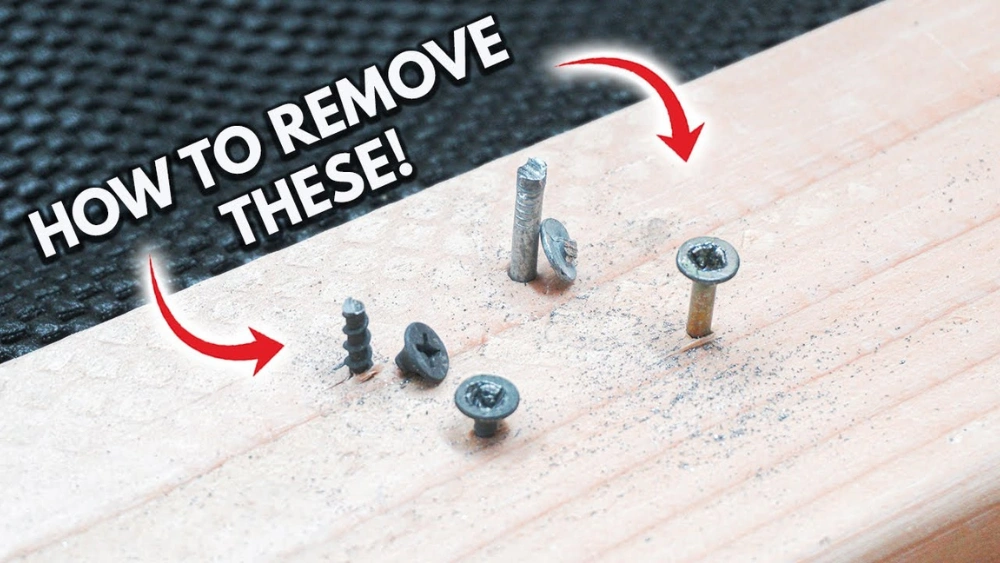
Struggling with a stripped screw can be incredibly frustrating. You might feel like your project is at a standstill, and the temptation to give up is real.
But before you throw in the towel, know that you’re not alone, and there’s a simple solution waiting for you. Imagine the satisfaction of finally conquering that stubborn screw with just a screwdriver. It’s not as hard as you think, and you already have the tools you need to make it happen.
In this guide, you’ll discover easy, practical steps to remove that stripped screw and get back to what matters most—finishing your project. Stick with us, and you’ll soon have the confidence to tackle this common issue head-on. Are you ready to turn frustration into triumph? Let’s dive in.
Tools You’ll Need
Essential tools include a rubber band, screwdriver, and pliers. A screwdriver set with various heads may help. A drill and extraction bit may also be needed for stubborn screws.
Removing a stripped screw can feel like an uphill battle, but with the right tools, you can tackle this challenge head-on. The key is knowing exactly what you need and how to use these tools effectively. Let’s dive into the essentials that will make this task a breeze.
Basic Screwdriver
A basic screwdriver is your first line of defense. If the screw isn’t entirely stripped, a screwdriver with a firm grip might be all you need to get it out. Consider using one with a magnetic tip; it can provide a better hold on the screw head.
Rubber Band
A simple rubber band can be surprisingly effective. Place it over the stripped screw head and press your screwdriver into it. The rubber can fill in the gaps, providing the traction you need to turn the screw. Have you ever tried this trick before?
Needle-nose Pliers
When the screw is protruding slightly, needle-nose pliers might come to your rescue. They allow you to grasp the screw and twist it free. Keep in mind, you need some patience and a steady hand.
Drill With Screw Extractor Bit
A screw extractor bit is designed specifically for stripped screws. Attach it to your drill and follow the instructions carefully. It bites into the screw head, letting you turn it out easily. Do you think this sounds too complicated? It’s simpler than it seems!
Hammer
Sometimes, a gentle tap with a hammer can reset the screw head. Use caution; you don’t want to damage the surrounding material. Just a light tap can make all the difference.
Safety Goggles
Safety first! Protect your eyes from any flying debris when using tools like a drill or hammer. It’s easy to forget, but crucial to keep yourself safe. Now, picture yourself standing there with your tools ready. You have everything you need to conquer that stubborn screw. Which tool do you think will be your secret weapon?
Credit: kitchencabinetkings.com
Assessing The Damage
Encountering a stripped screw can be frustrating. Before attempting removal, it’s important to assess the damage. Understanding the extent of the issue helps in choosing the right method. This step sets the groundwork for a successful removal.
Understanding Screw Damage
Examine the screw head closely. Is it slightly worn or completely stripped? A slightly worn screw might still grip a screwdriver. A completely stripped screw requires alternative methods.
Identifying Screw Type
Identify the type of screw you are dealing with. Is it Phillips, flathead, or Torx? Knowing the type helps in selecting the right tools. Different screws need different approaches.
Evaluating The Screw’s Material
Consider the material of the screw. Is it metal, wood, or plastic? Metal screws may need more force for removal. Wood screws might be easier to handle.
Checking Access Space
Look at the space around the screw. Is there enough room to maneuver tools? Tight spaces might require special tools. Wide spaces offer more flexibility.
Determining The Screw’s Position
Assess where the screw is located. Is it in a corner or the center? Position affects the angle and method of approach.
Analyzing Surrounding Material
Inspect the material surrounding the screw. Is it fragile or sturdy? Fragile materials need careful handling. Sturdy materials allow more force.
Choosing The Right Screwdriver
Finding yourself stuck with a stripped screw can be frustrating, especially when you’re in the middle of a project. The key to tackling this challenge lies in choosing the right screwdriver. This isn’t just about picking any tool from your toolbox; it’s about understanding what works best for your specific situation. Selecting the correct screwdriver can make the difference between a smooth fix and a prolonged struggle.
Understanding Screwdriver Types
Different screwdrivers serve different purposes. Phillips, flathead, and hex are the common types you’ll encounter. Each is designed to interact with specific screw heads. A Phillips screwdriver, for instance, fits into the cross-shaped indentation of Phillips screws. If you use a flathead for a Phillips screw, you might worsen the stripping.
Size Matters
The size of the screwdriver is crucial. A tool that’s too small or too large can damage the screw further. Matching the size of the screwdriver to the screw head ensures a firm grip, reducing the chances of slipping. Have you ever tried using a mismatched tool and found yourself in a deeper mess? Choosing the right size can prevent such headaches.
Quality Over Quantity
Investing in quality tools pays off. Cheap screwdrivers often wear down quickly, especially when used on stubborn screws. Opt for brands known for durability. A well-made screwdriver provides better torque and control, giving you the edge in removing a stripped screw efficiently.
Ergonomic Design
Comfort matters when working on projects. Ergonomically designed screwdrivers reduce hand fatigue. They offer better grip and control, allowing you to apply pressure precisely where needed. Have you considered how much easier the task becomes when your tool feels like an extension of your hand?
Consider Specialized Tools
Sometimes a regular screwdriver might not do the trick. In such cases, specialized tools like a screw extractor can be lifesavers. These tools are designed specifically for stripped screws. While not always necessary, they can be invaluable for stubborn cases.
Choosing the right screwdriver is not just a mundane task; it’s a strategic decision that can save you time and effort. Next time you face a stripped screw, pause and consider the tool in your hand. Is it the right one for the job? Your choice can make all the difference.
Applying Pressure And Grip
Removing a stripped screw can be tricky. Applying the right pressure and grip is vital. It’s the key to overcoming this common DIY obstacle. You need patience, precision, and the right technique. Let’s explore how you can effectively apply pressure and grip to remove that stubborn screw.
Apply Steady Pressure
Start by ensuring the screwdriver fits the screw snugly. A tight fit prevents slipping. Press down firmly on the screwdriver. This helps bite into the screw head. Steady pressure increases the chance of turning the screw. Avoid excessive force to prevent further damage.
Maintain A Strong Grip
Grip the screwdriver handle securely. A firm hold ensures control and precision. Use both hands if necessary. This provides extra stability. A strong grip prevents the screwdriver from slipping. It also enhances the effectiveness of applied pressure.
Use A Rubber Band
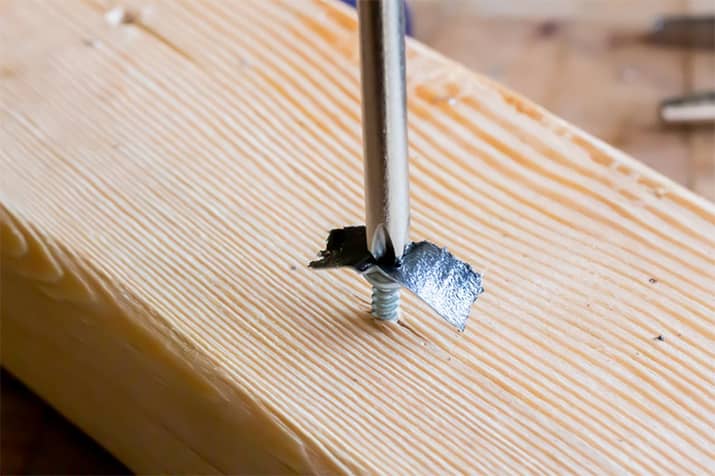
Place a rubber band between the screw and the screwdriver. The rubber band increases friction. It helps grip the screw better. This simple trick can improve your chances. It works well with slightly stripped screws. Remember to apply steady pressure while using this method.
Position Yourself Correctly
Stand or sit in a comfortable position. Ensure your stance allows maximum control. Position yourself directly in line with the screw. This helps apply pressure evenly. Proper positioning aids in maintaining a consistent grip. It also reduces the risk of slipping.
Using Rubber Bands For Extra Grip
Stripped screws can be frustrating. They stall your project and waste time. A simple hack can solve this issue. Using a rubber band for extra grip can make a difference. This technique is easy and requires minimal tools. Let’s explore how rubber bands can help.
Using Rubber Bands To Increase Screwdriver Grip
A rubber band creates friction. Place a thick band over the screw head. This gives your screwdriver extra grip. The rubber band fills gaps between the screw and the driver.
Finding The Right Rubber Band
Use a wide, thick rubber band. Thin bands break easily. Choose a band that covers the screw head entirely. Ensure it’s strong enough to withstand pressure.
Steps To Use A Rubber Band
First, position the rubber band on the screw. Align it carefully. Next, place the screwdriver on top. Push down gently. Turn the screwdriver slowly. The rubber band grips the screw better.
Benefits Of Using Rubber Bands
This method is cost-effective. It requires no special tools. Rubber bands are easily available. They prevent further damage to the screw. This technique works with many screw types.
Common Mistakes To Avoid
Don’t use a worn-out rubber band. They lack strength. Avoid too much force. This can break the band. Ensure the rubber band sits evenly over the screw.
Creating A New Groove
Struggling with a stripped screw? Try creating a new groove with your screwdriver for better grip. This simple trick makes removing stubborn screws easier.
Getting a stripped screw out can feel like trying to solve a puzzle with missing pieces. But don’t worry, creating a new groove might just be your answer. It’s a practical trick that can save your project and your sanity. Let’s dive into how you can make this work, even if you’re not a DIY expert.
Understanding The Stripped Screw Dilemma
Stripped screws are a common hurdle in home projects. They occur when the screwdriver slips, wearing down the screw head. This makes it difficult for the screwdriver to grip. But have you ever thought about creating a new groove? It’s about giving your screwdriver a fresh path to hold onto.
Tools You’ll Need
To create a new groove, gather a few basic tools: – A flathead screwdriver or a Dremel tool – Safety goggles – A steady hand These tools are usually found in a standard toolbox. The process is simple and doesn’t require advanced skills.
Creating The New Groove
Position the flathead screwdriver across the stripped head. You want to create a new, straight line. Press down firmly and twist the screwdriver to carve out a new slot. Alternatively, use a Dremel tool for precision. This is especially useful for smaller screws. But make sure to wear safety goggles to protect your eyes from metal shavings.
Testing The New Groove
Once the groove is made, test it with your screwdriver. Place the screwdriver in the new slot and turn gently. The new groove should provide a better grip. If it slips, adjust the groove slightly. Patience is key here.
When To Seek Professional Help
If the screw still won’t budge, it might be time to call in a professional. They have specialized tools that can handle even the trickiest screws. But don’t feel discouraged. You’ve learned a valuable skill that might just save your next project. Have you ever faced a stubborn screw that wouldn’t budge? Sometimes, taking a moment to rethink your approach can lead to simple yet effective solutions like creating a new groove. Creating new grooves is a practical solution for stripped screws. It’s a technique that empowers you to tackle small home repairs with confidence. So next time you face a stripped screw, remember there’s a way to create a new path forward.
Employing A Hammer For Impact
Removing a stripped screw can be frustrating. But using a hammer can help. The technique involves applying gentle impact to the screw. This action can help the screwdriver grip better. It’s a straightforward method. Let’s explore how to effectively use a hammer for this task.
1. Gather Your Tools
Before starting, gather a hammer and a screwdriver. Ensure the screwdriver fits the screw head. A snug fit is crucial for a better grip. A small hammer works best for precise control.
2. Position The Screwdriver
Place the screwdriver into the stripped screw head. Make sure it sits firmly. Hold it steady to prevent slipping. Proper alignment is key for success.
3. Apply Gentle Taps
Gently tap the screwdriver with the hammer. Use light, controlled hits. The aim is to drive the screwdriver deeper. This helps the tool bite into the screw.
4. Increase Pressure Gradually
Start with minimal force. Gradually increase the strength of your taps. Avoid hitting too hard. This prevents further damage to the screw head.
5. Check The Screwdriver’s Grip
Pause and check the screwdriver’s grip on the screw. If it feels secure, try turning the screw. If not, continue tapping gently. The goal is to improve the grip incrementally.
6. Attempt To Unscrew
Once the screwdriver grips well, try to unscrew. Use steady, firm pressure. If the screw turns, continue unscrewing. If it resists, repeat the tapping process.
7. Be Patient And Persistent
Patience is key. This method may require several attempts. Persistence often leads to success. Avoid rushing to prevent further stripping.

Credit: www.wikihow.com
Using A Screw Extractor
Stripped screws can be frustrating. A screw extractor is a handy tool for this. It helps remove screws with damaged heads effortlessly. This tool can save you time and energy.
What Is A Screw Extractor?
A screw extractor is a specialized tool. It is designed to grip and turn stripped screws. It usually has a reverse thread. This allows it to bite into the screw head and pull it out.
Choosing The Right Screw Extractor
Pick an extractor that matches the screw size. This ensures a proper fit. A well-fitting extractor increases the chances of successful removal.
Steps To Use A Screw Extractor
Begin by drilling a small hole into the screw head. This gives the extractor a place to grip. Insert the extractor into the drilled hole.
Turn the extractor slowly, counterclockwise. Apply steady pressure as you turn. The screw should start to come out gradually.
Benefits Of Using A Screw Extractor
It minimizes damage to the surrounding material. The extractor offers a strong grip. This reduces the risk of further stripping the screw.
Using an extractor is often quicker. It provides a reliable method for removing stubborn screws.
Maintaining Your Screw Extractor
Clean the extractor after each use. This prevents rust and keeps it effective. Store it in a dry place to prolong its life.
Regular maintenance ensures the tool remains in good condition. A well-maintained extractor is always ready for your next challenge.
Applying Heat Techniques
Removing a stripped screw can be a frustrating task. Applying heat techniques is a practical solution. Heat helps expand the metal, loosening its grip. This makes it easier to extract the screw. Let’s explore the methods of using heat effectively.
Using A Soldering Iron
A soldering iron is a handy tool for this task. First, plug in the soldering iron. Wait for it to heat up. Once hot, place the tip on the screw head. Hold it there for about 30 seconds. The heat will help loosen the screw. Try turning the screw with your screwdriver.
Leveraging A Heat Gun
A heat gun is powerful. It can deliver more heat than a soldering iron. Set the heat gun to a low setting. Aim the nozzle at the screw head. Apply heat for about 30 seconds. Make sure not to overheat. This can damage surrounding materials. Once heated, attempt to unscrew with your screwdriver.
Using A Hair Dryer
A hair dryer can be an effective tool. Although not as hot, it can still work. Set it to the highest heat setting. Direct the airflow to the screw head. Heat for about one minute. This may be enough to loosen the screw. Use your screwdriver to test if it turns.
Employing Hot Water
Hot water is accessible and simple. Boil a small amount of water. Pour it over the screw carefully. The heat may loosen its grip. After cooling slightly, use your screwdriver. This method requires patience. Sometimes repeated attempts are necessary.
These heat techniques can ease the removal process. Always exercise caution when using heat tools. Proper safety measures should be followed.
Preventing Future Stripping
Stripped screws can be a real headache, especially when you’re in the middle of a project. While knowing how to remove a stripped screw is handy, preventing future occurrences is even better. Imagine the satisfaction of never having to deal with a stubborn screw again. Let’s dive into some practical tips that can help you avoid this common problem.
Choose The Right Screwdriver
Picking the correct screwdriver for the job is crucial. A mismatched tool can easily cause stripping. Ensure the size and type of your screwdriver matches the screw head perfectly.
Consider investing in a set with various sizes. This way, you’ll always have the right tool on hand. Think about those times you’ve improvised with a knife or another tool—avoid this temptation for a smoother experience.
Apply Proper Pressure
Too much pressure can lead to stripping. Apply firm yet controlled pressure to keep the screwdriver secure in the screw head.
Remember to keep the screwdriver steady and aligned. This simple action can make all the difference. Have you ever found yourself frustrated because the screw kept slipping? Aligning the tool correctly might be the key.
Use Quality Screws
Investing in high-quality screws can save you a lot of trouble. Cheap screws are often made of softer materials, making them prone to stripping.
Opt for stainless steel or hardened steel screws for durability. You’ll find that quality screws hold up better over time, reducing the chance of stripping. Think about it—would you rather spend a little more now or face ongoing frustration later?
Keep Screws Clean
Dust and debris can interfere with the screwdriver’s grip, causing stripping. Regularly clean screws before use to ensure a secure fit.
A simple wipe with a cloth can make a significant difference. Have you ever noticed how dust builds up in your tool kit? Keeping it clean can prevent many issues, including stripping.
Check Screw Placement
Screws placed at awkward angles are more likely to strip. Ensure screws are positioned correctly before tightening.
Use a level or guide to keep screws straight. Misalignment not only causes stripping but can also weaken the structure. Do you recall a time when a shelf or frame felt unstable? Proper screw placement might have been the issue.
By implementing these strategies, you’ll minimize the chances of encountering stripped screws in the future. Isn’t it reassuring to know that a few simple adjustments can save you a lot of hassle? Embrace these tips and enjoy smoother projects ahead!
Frequently Asked Questions
How To Unscrew A Stripped Screw With A Screwdriver?
Use a rubber band for grip between the screwdriver and stripped screw. Apply firm, steady pressure while turning. If needed, try a larger screwdriver or pliers for better leverage. Ensure the screwdriver fits snugly to avoid further stripping.
How To Get Stripped Screw Out Hack?
Use a rubber band for extra grip between the screwdriver and the stripped screw. Apply firm pressure while turning the screwdriver slowly. Alternatively, try using pliers to grip and twist the screw. A screw extractor tool can also effectively remove stripped screws.
How To Loosen A Screw That Won’t Budge?
Use penetrating oil to loosen stubborn screws. Apply it and wait a few minutes. Try turning the screw again. Use a screwdriver that fits snugly. If it still won’t budge, tap the screw gently with a hammer to break any rust.
Always proceed carefully to avoid damage.
How To Remove A Stripped Screw Without A Head?
Use a rubber band for grip and turn the screw with pliers. Drill a small hole and use an extractor.
Conclusion
Removing a stripped screw can be tricky. With patience, it becomes manageable. Use the right screwdriver for a better grip. Try different angles for leverage. If necessary, apply gentle force. Remember to keep your hands steady. Practice makes the process smoother.
The right technique avoids damage. It’s all about precision and patience. These methods make it easier to handle. You can successfully remove stripped screws. Take your time and stay focused. Now, tackling stubborn screws feels less daunting. You can get back to your projects without worry.
Enjoy your DIY tasks with confidence!