Clogged drains are frustrating, aren’t they? You might find yourself standing in your kitchen or bathroom, staring at a sink that’s refusing to cooperate.
It’s a common issue, but it doesn’t have to be a headache. Imagine the satisfaction of tackling the problem yourself, saving money, and avoiding the wait for a plumber. That’s where snaking a drain pipe comes in. This method is simple and effective, and with a little guidance, you’ll be able to clear those stubborn blockages with ease.
We’ll walk you through each step, ensuring you have all the tips and tricks needed to snake a drain pipe like a pro. Get ready to reclaim the smooth flow of water in your home. Your sink’s future is in your hands. Let’s dive in!

Credit: www.amazon.com
Tools And Materials Needed
Essential tools include a drain snake, rubber gloves, and a bucket. Gather materials like cleaning rags and a flashlight. Prepare to tackle clogged pipes effectively.
When faced with a clogged drain, having the right tools and materials at your fingertips can make the task much simpler and more efficient. Snaking a drain pipe doesn’t require a professional plumber if you have the right equipment at hand. Here’s a guide to the essential tools and materials you’ll need to successfully snake a drain pipe and keep your plumbing running smoothly.1. Drain Snake Or Auger
A drain snake, sometimes called an auger, is your main tool for tackling stubborn clogs. It’s a flexible, long metal cable that can reach deep into pipes to dislodge blockages. Consider investing in a hand-crank model for small jobs or an electric-powered version for more challenging clogs.2. Bucket
A bucket is crucial when snaking a drain, as it helps catch any water or debris that may spill out during the process. You don’t want to add a flooded floor to your list of problems. Keep it nearby to manage any mess effectively.3. Rubber Gloves
Plumbing can be messy, so protect your hands with rubber gloves. They offer a barrier against dirty water and potential bacteria. Plus, they provide a better grip on slippery tools and surfaces.4. Plumber’s Tape
After snaking the drain, you might need to tighten any loosened pipe connections. Plumber’s tape, also known as Teflon tape, ensures a tight seal. It’s a small, inexpensive item that can prevent leaks and future headaches.5. Flashlight
A flashlight is indispensable, especially when working in dimly lit areas. It helps you see what you’re doing, whether you’re peering into a dark pipe or inspecting the under-sink plumbing. Don’t underestimate the power of good lighting to improve accuracy and safety.6. Cleaning Rags
Keep a few cleaning rags on hand for wiping up spills and debris. They’re also useful for cleaning your tools after the job. A clean work area can prevent accidents and ensure your tools stay in good condition.7. Safety Goggles
Safety goggles might seem unnecessary, but they protect your eyes from splashes of dirty water or cleaning chemicals. It’s always better to err on the side of caution and protect your vision. Are you ready to tackle that stubborn clog with these tools? Having these essentials ready not only prepares you for current plumbing issues but also equips you for future challenges. Remember, preparation is key to a smooth DIY experience.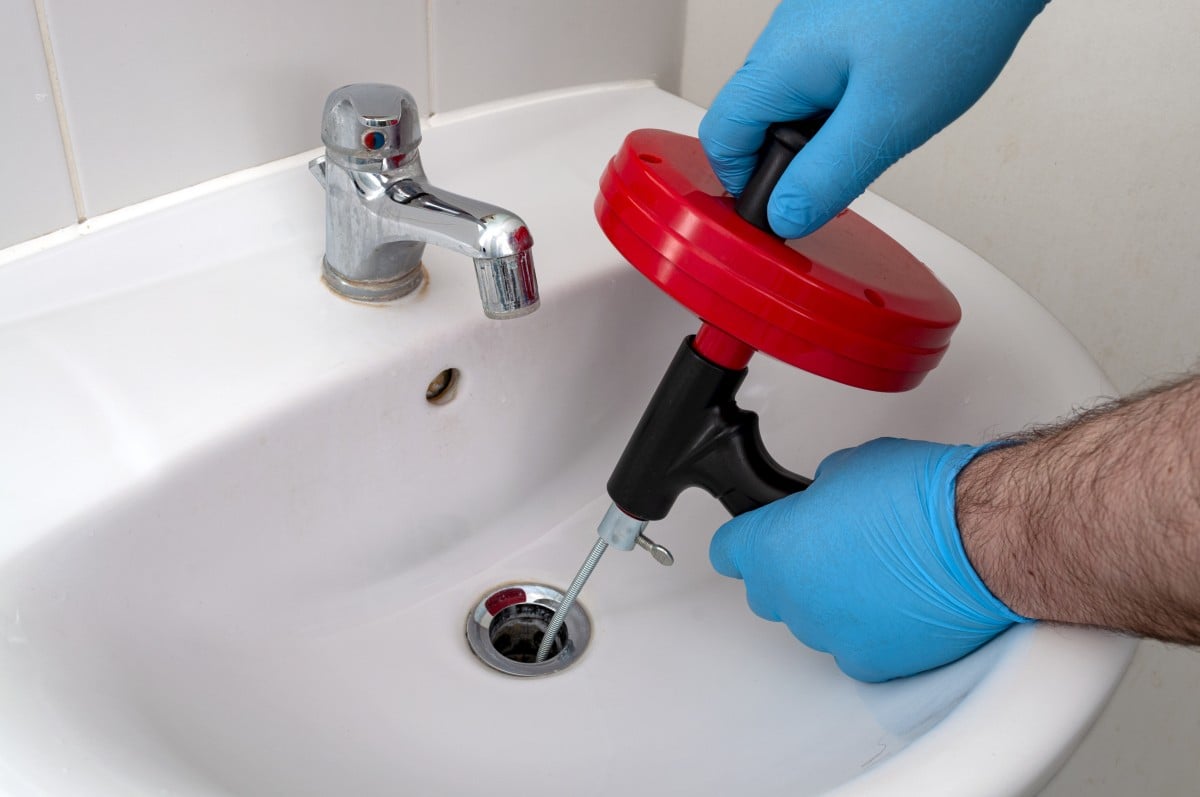
Credit: www.expresssewer.com
Safety Precautions
Ensure safety by wearing gloves and goggles when snaking a drain pipe. Turn off water supply first to prevent accidents. Use tools carefully to avoid injury and damage.
Snaking a drain pipe might seem like a straightforward task, but it’s crucial to prioritize safety. Without taking the right precautions, you could easily hurt yourself or damage your plumbing system. Let’s delve into some essential safety measures you should consider before grabbing your drain snake.Wear Protective Gear
Always wear gloves to protect your hands from sharp objects and bacteria that might be lurking in the drain. Safety goggles are also a good idea to shield your eyes from any splashes. Have you ever thought about what might be splattering out of your drain? Better safe than sorry!Ensure Proper Lighting
Working in dim light increases the risk of mistakes. Use a bright flashlight or a portable lamp to clearly see what you’re doing. If you’ve ever tried snaking a drain in poor lighting, you know how frustrating and risky it can be.Turn Off Water Supply
Before you start, make sure to turn off the water supply to avoid any accidental flooding. Even a small mistake can lead to a big mess. Imagine the surprise of suddenly being drenched!Know Your Tools
Familiarize yourself with your drain snake and its parts. Read the instructions to understand how it works. This small step can prevent accidents and ensure a smoother process. Have you ever tried using a tool without knowing how it works? It can be a recipe for disaster.Work At A Comfortable Pace
Rushing through the job might seem tempting, but it often leads to mistakes. Take your time and handle the snake gently to avoid damaging the pipes. Patience is a virtue, especially when dealing with plumbing.Dispose Of Waste Properly
Once you’ve cleared the drain, be mindful of how you dispose of the waste. Use a trash bag to collect the debris and clean your tools thoroughly. Proper disposal keeps your workspace clean and safe. Have you ever considered where that gunk might end up otherwise? Remember, prioritizing safety not only protects you but also ensures that your plumbing remains intact. What other safety precautions do you find essential when tackling DIY tasks?Choosing The Right Drain Snake
Selecting the right drain snake makes clearing blockages easier. A flexible snake works best for curved pipes. Choose a size that fits the pipe diameter to ensure proper cleaning.
Choosing the right drain snake is crucial for effectively clearing a clogged drain pipe. Whether you’re dealing with a minor blockage or a stubborn obstruction, the correct tool can make all the difference. But how do you decide which drain snake is suitable for your needs? Let’s dive into the options and considerations to help you make an informed choice.Manual Vs. Power Augers
Manual augers are a solid choice for most household clogs. They are affordable, easy to use, and great for occasional use. You simply rotate the handle to work through the blockage. Power augers, on the other hand, are more suited for heavy-duty jobs. They are powered by electricity, which gives them more force to tackle tough clogs. Consider your usual plumbing issues before choosing between manual and power.Size And Length Considerations
The size of the drain snake is another critical factor. A small snake works well for bathroom sinks, while a larger one may be necessary for main sewer lines. The diameter of the snake should match the pipe size to avoid damaging the plumbing. Length is just as important. A short snake might be sufficient for a quick fix, but a longer one could be essential for deeper clogs. Measure your pipes and ensure the snake can reach the blockage without difficulty. Choosing the right drain snake can save you time and frustration. Have you ever used a tool that was too small for the job? It can be incredibly frustrating. Make sure you equip yourself with the right tool for the task at hand.Preparing The Work Area
Start by clearing the area around the drain. Ensure all obstacles are removed. This makes the task easier and safer. Gather all necessary tools nearby for easy access. Proper lighting helps you see clearly during the process. A clean workspace ensures you can focus on snaking the drain effectively.
Before you dive into snaking a drain pipe, it’s crucial to prepare the work area properly. A well-organized space not only ensures your safety but also streamlines the process, making it more efficient. Imagine trying to clear a drain while tripping over cleaning supplies or searching for gloves in a cluttered cabinet. By preparing the area, you set yourself up for success.Clearing The Surrounding Area
Start by removing any items around the drain. This includes toiletries, cleaning products, or anything that might obstruct your workspace. Picture yourself trying to maneuver a snake with shampoo bottles falling over – it’s not ideal. Make sure you have enough space to move freely. Clear counters and floors to avoid accidents. You’ll thank yourself when your movements are unhindered, allowing for a smoother operation. Don’t forget to place a towel or mat nearby. This will help catch any water or debris that might spill out during the process. A little foresight can prevent a messy cleanup later.Protective Gear And Equipment
Next, gather your protective gear. Gloves are essential. They protect your hands from grime and any sharp edges. Imagine reaching into a drain without them – it’s not pleasant. Consider wearing goggles to shield your eyes from potential splashes. Even if the risk seems minor, it’s better to be safe than sorry. Make sure your equipment is ready to go. Check the snake for any damage and ensure it’s functioning properly. A faulty tool can turn a simple task into a frustrating ordeal. Think about what other tools you might need, like a bucket for waste or a flashlight for better visibility. Having these at hand means you won’t have to stop halfway to fetch them. Have you ever found yourself wishing you had planned better after a task went awry? Preparing your work area thoroughly can prevent that regret. Take a moment to ask yourself: Is everything in place for a smooth operation?Snaking The Drain Step-by-step
Learn to snake a drain pipe effortlessly with this easy guide. Begin by inserting the snake into the drain. Rotate the handle to break up blockages. Gradually push the snake deeper, clearing clogs effectively. Follow each step for a smoothly flowing drain.
Snaking a drain pipe can seem daunting. But, with the right steps, it’s manageable. This process involves using a plumbing snake, a handy tool for clearing blockages. Follow the steps below to ensure your drain flows freely.Inserting The Snake
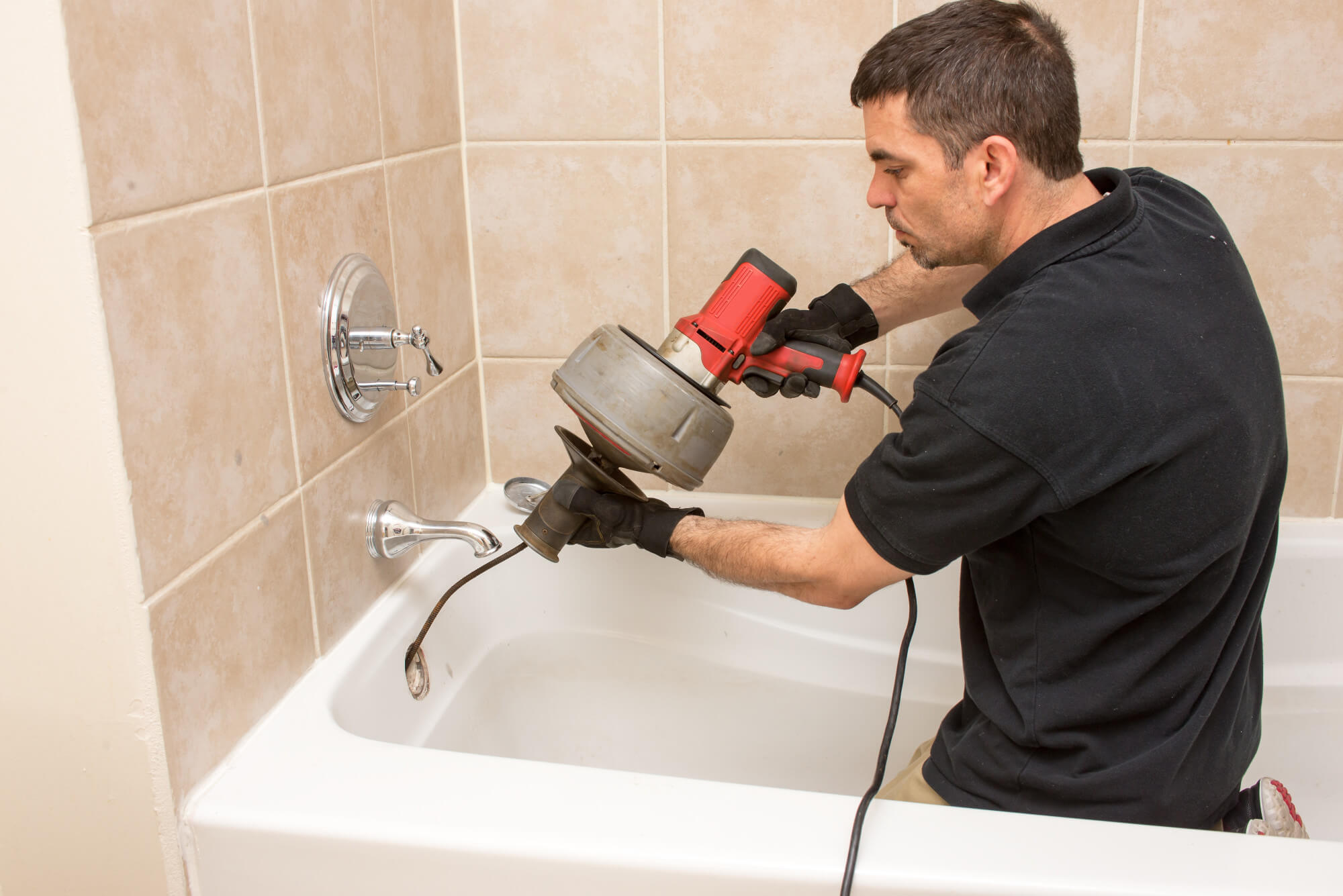
Start by inserting the snake into the drain. Slowly feed it into the pipe. It should glide smoothly if there’s no obstruction. Keep pushing until you feel resistance. This resistance signals you’ve hit the clog. Make sure to hold the snake firmly. This prevents it from slipping.Rotating And Maneuvering
Rotate the snake handle clockwise. This helps the snake grip the clog. Move the snake back and forth gently. This motion can dislodge the blockage. Continue rotating as you maneuver. Be patient and persistent. It’s crucial for effective clearing.Breaking Through The Clog
Once you feel progress, push with more force. The snake should break through the clog. Listen for water draining. This indicates success. Pull the snake out carefully. Dispose of any debris caught on it. Run water to test the drain. Ensure it’s flowing smoothly. If needed, repeat the process. These steps make snaking a drain pipe straightforward. With practice, anyone can clear clogs efficiently.Post-snaking Clean-up
Clear pipes efficiently with a drain snake. After snaking, remove debris to keep pipes clean. Regular maintenance prevents clogs and ensures smooth water flow.
After successfully snaking a drain pipe, the job isn’t quite done yet. The post-snaking clean-up is an essential step to ensure everything is in top condition and your work area is spotless. This not only helps maintain hygiene but also sets you up for the next plumbing task. Let’s walk through the final touches of this process.Removing The Snake
Once the drain is clear, it’s time to carefully remove the snake. Gently retract the snake by turning the handle in the reverse direction. Take your time to avoid any damage to the drain or the tool. Clean the snake immediately after removal. Use a cloth to wipe away any debris or grime. Keeping your tools clean will extend their lifespan and ensure they’re ready for the next task.Cleaning The Area
Now, focus on the area around the drain. Start by wiping down the sink or tub to remove any residue or splashes. A clean surface prevents stains and keeps your bathroom or kitchen looking fresh. Sanitize the area with a mild cleaner. This not only eliminates germs but also leaves a pleasant scent. Remember, a clean workspace reflects your attention to detail. Finally, check the floor for any water or debris. Mop up any spills to prevent slips or falls. A thorough clean-up shows that you care about your space and the work you’ve done. Have you ever noticed how a tidy work area boosts your mood? Taking a few extra minutes for clean-up can make all the difference in your home environment.Preventing Future Clogs
Clearing a clogged drain is only part of the solution. Ensuring your drains stay clear is just as important. By taking simple steps, you can prevent future clogs and maintain smooth water flow. This will save time and effort in the long run.
Regular Maintenance Tips
Regular maintenance keeps your drain pipes healthy. Once a month, pour hot water down your drains. This helps dissolve grease and soap scum. Use a natural cleaner like baking soda and vinegar. These are safe for pipes and the environment. Let them sit for 15 minutes, then rinse with hot water.
Another tip is using a drain screen. This catches hair and debris before they enter the pipes. Clean the screen weekly to keep it effective. Check under sinks for leaks. Fixing small leaks early prevents bigger problems.
Avoiding Common Clog Causes
Be mindful of what goes down your drains. Never pour grease down the kitchen sink. It hardens and clogs pipes. Dispose of grease in a container instead. Avoid flushing wipes, even if labeled flushable. They don’t break down like toilet paper.
In the bathroom, keep hair out of the shower drain. Use a hair catcher to trap strands. Brush hair before showering to reduce shedding. In the kitchen, use a sink strainer. This prevents food scraps from entering the drain.
By following these tips, you minimize the risk of future clogs. Keep your drains flowing freely and efficiently.
Credit: trusteyman.com
When To Call A Professional
Persistent clogging issues demand professional help. Strange noises or foul odors indicate deeper problems. These are warning signs. Avoid further damage. Call an expert.
Dealing with a clogged drain pipe can be frustrating. You’ve tried everything from plunging to pouring hot water, but the stubborn blockage refuses to budge. That’s when you might wonder if it’s time to call in a professional. Knowing when to seek expert help can save you time, money, and prevent further damage to your plumbing system.Complex Blockages
Not all clogs are created equal. Some are deep within the plumbing system and beyond the reach of a regular snake. If you’ve snaked the drain and the water still isn’t flowing, it might be a complex blockage. Professionals have advanced equipment to tackle these tough spots.Repeated Clogs
If you’re constantly battling clogs in the same drain, it might be a sign of a bigger issue. You might have a problem with the main line or a structural issue. Professionals can diagnose these recurring problems and provide long-lasting solutions.Unpleasant Smells
A persistent foul odor coming from your drain could indicate a problem deeper than a simple clog. It might be sewer-related or due to decomposing waste trapped in unreachable areas. A professional can identify and fix the source of the smell, restoring freshness to your home.Potential Damage
You might be tempted to use chemical drain cleaners for a quick fix. Be aware that frequent use can damage pipes over time. If you’re unsure about the safety of your pipes or have older plumbing, it’s safer to consult a professional who can use non-damaging methods.Diy Limitations
YouTube tutorials make snaking a drain look easy, but doing it wrong can lead to more problems. Are you confident in your DIY skills? If not, you might end up spending more on repairs. Knowing your limits and when to call a professional can prevent costly mistakes. In the end, while tackling minor clogs yourself is fine, sometimes professional intervention is the smarter choice. What would be more frustrating than spending hours on a problem only to find it needs an expert’s touch? When in doubt, don’t hesitate to reach out for help.Frequently Asked Questions
How To Unclog A Drain Pipe With A Snake?
Insert the snake into the drain and push until you feel resistance. Rotate and push the snake gently to break the clog. Pull the snake out slowly to remove debris. Run water to ensure the drain is clear. Clean the snake after use to maintain its effectiveness.
Should You Wet The Drain Before You Snake It?
Wet the drain slightly before snaking to help loosen debris. Moisture aids in smoother snake operation. Avoid excessive water to prevent mess. Properly preparing the drain can improve efficiency and ease blockages. Ensure the drain is free from large obstructions before proceeding with snaking.
How Do You Clear A Clogged Main Drain Pipe?
Clear a clogged main drain by using a plumbing snake to reach the blockage. Pour a mixture of baking soda and vinegar for natural cleaning. Flush with hot water to remove remaining debris. For severe clogs, contact a professional plumber.
Regular maintenance prevents future blockages.
Can A Drain Snake Break A Pvc Pipe?
A drain snake can potentially break a PVC pipe if used improperly. Ensure gentle handling and correct technique. Avoid excessive force and choose the right snake size for your pipe. Regular maintenance and proper usage minimize risks, keeping your plumbing intact.
Always consider professional help for stubborn clogs.
Conclusion
Snaking a drain pipe can save time and money. It’s a simple task. With the right tool, blockages become easy to clear. Remember to go slow. Patience prevents damage to pipes. Regular maintenance keeps drains flowing smoothly. Avoid harsh chemicals.
Protect your plumbing and the environment. Stick to the basics. Snaking works for most clogs. Call a professional for stubborn cases. DIY methods are effective, but experts have advanced tools. Enjoy a home with free-flowing drains. Cleaner and worry-free. A small effort makes a big difference.
Keep your pipes healthy. Enjoy peace of mind.