Your car’s performance heavily relies on the smooth operation of its fuel injectors. When these tiny components malfunction, they can lead to issues like poor fuel efficiency, engine misfires, or even complete engine failure.
But how can you be sure if your fuel injector is the culprit? The answer lies in a simple tool you might already have in your garage: a multimeter. By learning how to test a fuel injector with a multimeter, you can save time, money, and the hassle of unnecessary repairs.
This step-by-step guide will empower you with the knowledge to diagnose and potentially resolve the problem on your own, keeping your vehicle running smoothly. Dive in and discover how this small act can make a big difference in your car’s performance.
Tools Needed For Testing
Testing a fuel injector requires a multimeter to measure electrical resistance accurately. Set the multimeter to the ohms setting, connect the leads to the injector terminals, and record the resistance. Proper readings ensure the fuel injector functions correctly, maintaining vehicle performance.
Testing a fuel injector with a multimeter might sound like a daunting task, but with the right tools, it can be straightforward and rewarding. Whether you’re a seasoned mechanic or a DIY enthusiast, having the right equipment not only makes the process easier but also ensures accuracy and safety. In this section, we’ll discuss the essential tools you need to conduct a successful test. These tools will empower you to diagnose potential issues with your vehicle’s fuel injector, helping you to keep your car running smoothly.Multimeter Basics
A multimeter is your primary tool for this task. It’s a versatile device that measures electrical values such as voltage, current, and resistance. You don’t need an expensive model; a basic digital multimeter will suffice. Ensure it has a clear display and easy-to-use controls. Check the settings. You’ll need to measure resistance, so set your multimeter to the ohm (Ω) setting. This helps you check the injector’s coil resistance. A reading outside the normal range could indicate a faulty injector. Handle with care. Multimeters are sensitive instruments. Treat it gently to ensure accurate readings.Safety Equipment
Safety is paramount when working with electrical components. Equip yourself with safety goggles to protect your eyes from potential sparks or debris. Wear insulated gloves. These can prevent electrical shocks, especially if you’re working in damp conditions or near battery terminals. Ensure proper ventilation. Testing fuel injectors can sometimes release fumes. Work in a well-ventilated area to avoid inhaling harmful gases. Remember, preparation is key. Having the right tools and safety equipment can make the difference between a successful test and a frustrating experience. What tools have you found indispensable in your DIY projects?
Credit: www.youtube.com
Understanding Fuel Injector Functionality
Testing a fuel injector with a multimeter involves measuring resistance to ensure optimal performance. Start by disconnecting the injector, then set the multimeter to ohms. Touch the probes to the injector terminals, and compare the reading to manufacturer specifications.
Understanding how a fuel injector functions is crucial when you’re testing it with a multimeter. Think of the fuel injector as the heart of your vehicle’s engine, pumping life into it with precise fuel delivery. The efficiency of your car’s performance heavily relies on these small but mighty components.Role In Engine Performance
Fuel injectors play a critical role in ensuring your engine runs smoothly. They deliver the exact amount of fuel needed for combustion at the right time. This precision is key to maintaining optimal engine performance and fuel efficiency. Imagine driving with a clogged injector. Your car might start to sputter, hesitate, or even stall. These symptoms are not just annoying; they can also lead to higher fuel consumption and increased emissions.Common Issues
Fuel injectors, like any other component, can face issues over time. Blockages are a frequent problem, often caused by dirt or debris in the fuel. This can lead to uneven fuel distribution, causing your engine to misfire. Electrical failures are another common issue. If the injector’s electrical coil fails, it won’t open and close properly. This can result in an inadequate fuel supply, affecting your car’s performance. Have you ever noticed a rough idle or a significant drop in fuel efficiency? These could be signs of a failing injector. Regular maintenance and testing can help identify and resolve these issues before they escalate. Testing your fuel injector with a multimeter can seem daunting, but understanding its functionality makes the process much simpler. By recognizing the role injectors play and being aware of common issues, you’re better equipped to maintain your vehicle’s performance. Are you ready to take control of your car’s heart and ensure it beats perfectly?Preparing For Testing
Testing a fuel injector with a multimeter requires careful preparation. Start by disconnecting the fuel injector from the engine. Set the multimeter to measure resistance and place the probes on the injector terminals to check for proper functioning.
Testing a fuel injector with a multimeter might seem daunting at first, but with proper preparation, it becomes a straightforward task. Ensuring you have everything in place not only makes the process smoother but also safer. Here’s how you can gear up effectively for testing your vehicle’s fuel injector.Vehicle Safety Precautions
Before you dive into testing, your safety should be your top priority. Always make sure your vehicle is parked on a flat surface. This prevents any accidental rolling that can cause injury. Disconnect the battery before you start working on the fuel injector. This simple step can prevent electrical shocks and protect your vehicle’s electronic systems. Wear protective gear, such as gloves and safety goggles. These will shield you from fuel spills and potential hazards. Have you ever overlooked safety and faced a mishap? It’s not worth the risk.Locating The Fuel Injector
Finding the fuel injector is your next task. Each vehicle model may have a different setup, so check your owner’s manual for guidance. The manual often provides diagrams to help you locate it easily. Typically, fuel injectors are near the engine and connected to the fuel rail. Don’t hesitate to ask a friend or a mechanic if you’re unsure about its location. Once you locate it, take a moment to familiarize yourself with its structure. Knowing what you’re looking at can make the testing process much simpler. Have you ever wondered how much easier things get when you understand the layout? By taking these preparatory steps, you set the stage for a successful and safe testing process. With everything in place, you’re ready to proceed with confidence.Testing Resistance
Testing the resistance of a fuel injector is crucial for vehicle maintenance. This process helps identify if the injector is functioning properly. A multimeter is the tool you need. It measures the resistance, ensuring the injector operates within the recommended range. If the resistance falls out of this range, your fuel injector may need replacement.
Setting Up The Multimeter
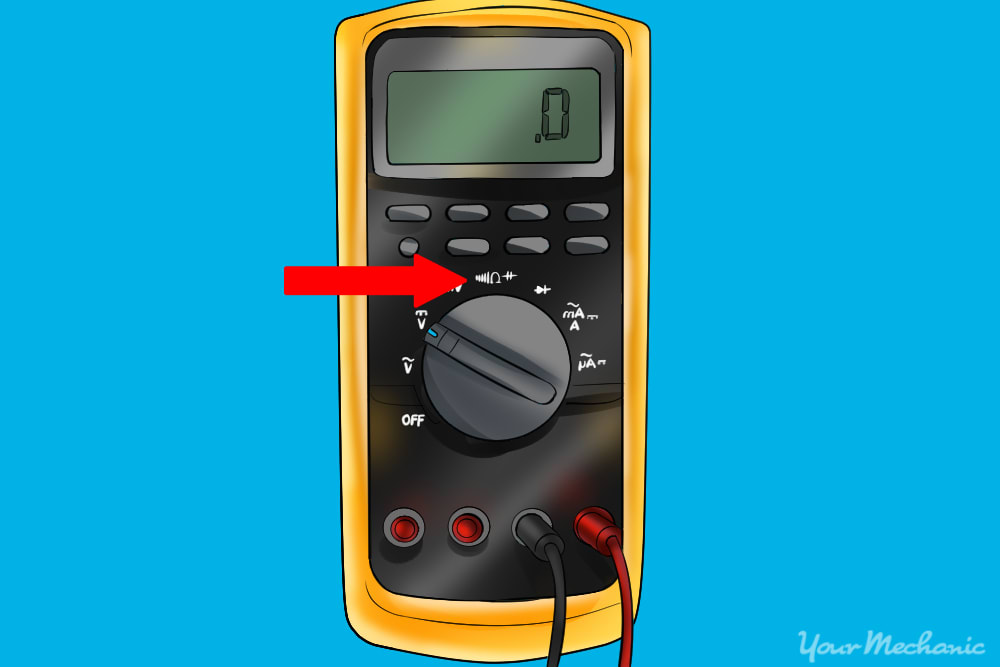
First, set your multimeter to the ohms setting. The ohm symbol looks like a horseshoe. Use the lowest range available for the best accuracy. Connect the probes to the multimeter. The red probe goes into the volt/ohm socket. The black probe goes into the common socket. Make sure the probes are secure.
Interpreting Resistance Readings
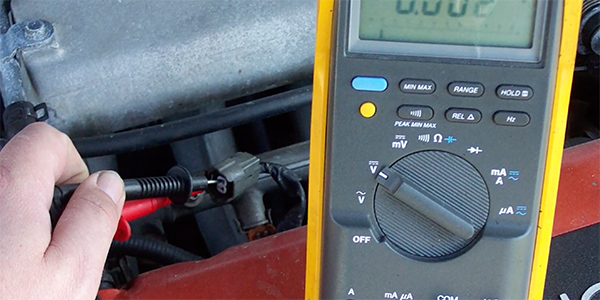
Touch the probes to the fuel injector terminals. Look at the multimeter display. A typical reading for a healthy injector ranges from 10 to 18 ohms. If the reading is higher, the injector may be faulty. A zero or infinite reading indicates a short or open circuit. In such cases, consider replacing the injector. Always consult your vehicle’s manual for specific resistance values.
Voltage Testing Process
Testing a fuel injector’s voltage is crucial for engine performance. This process ensures the injector receives the correct electrical signal. The multimeter helps measure this voltage accurately.
Connecting The Multimeter
Start by setting the multimeter to the DC voltage setting. Locate the injector’s electrical connector. Disconnect it carefully to expose the terminals. Attach the multimeter probes to these terminals. Ensure the red probe connects to the positive terminal. The black probe should connect to the negative terminal. This setup allows precise voltage readings.
Analyzing Voltage Levels
Turn the ignition key to the “On” position. Observe the multimeter’s display for voltage readings. A healthy injector typically shows around 12 volts. Any significant deviation indicates a potential issue. A lower voltage might suggest a weak connection. Higher voltage could mean electrical system problems. Accurate voltage levels are vital for proper injector function.
Conducting Pulse Test
Testing a fuel injector with a multimeter involves checking its electrical resistance. First, disconnect the fuel injector. Next, set the multimeter to measure ohms. Finally, connect the multimeter probes to the injector terminals. A reading within the specified range indicates proper function.
Testing a fuel injector with a multimeter might sound daunting, but conducting a pulse test can simplify the process. Imagine your fuel injector as a tiny drummer, playing a rhythm that keeps your engine running smoothly. If this rhythm is off, your car might misfire or struggle to start. By understanding and testing these pulse signals, you ensure your engine’s performance stays in harmony.Understanding Pulse Signals
Pulse signals are like the heartbeat of your fuel injector. They are quick electrical signals that tell the injector when to open and close. This precise timing is crucial for maintaining fuel efficiency and engine performance. Think of it as a relay race, where every runner needs to pass the baton at just the right moment. If the timing is off, the whole race is disrupted. A multimeter helps you read these signals, ensuring everything runs as it should.Testing Methodology
First, make sure your car is safely parked and the engine is off. Safety always comes first. Connect your multimeter to the fuel injector’s electrical connector. Set your multimeter to measure frequency. This setting is key to capturing the pulse signals. Now, start your engine. Watch the multimeter display for pulse readings. These readings should fall within the manufacturer’s specifications, which you can find in your vehicle’s manual. If the readings are off, it might be time to clean or replace your injector. This simple test can save you from future headaches. Have you ever faced engine trouble and wondered if it was the fuel injector? By conducting a pulse test, you take a proactive step in diagnosing potential issues. This method not only enhances your car maintenance skills but also empowers you to handle common engine problems with confidence.Interpreting Test Results
Testing a fuel injector with a multimeter can reveal much about its condition. Understanding the results is crucial. It helps determine if your fuel injector is functioning properly. A multimeter provides precise readings. These readings indicate the resistance within the injector. Knowing how to interpret these readings is key. It ensures your engine runs smoothly and efficiently.
Identifying Faulty Injectors
A normal fuel injector should have a specific resistance range. This range varies depending on the vehicle model. Usually, it falls between 10 to 18 ohms. If the resistance is much higher, the injector may be faulty. A reading of zero indicates a short circuit. This is a serious issue. It requires immediate attention. Consistent readings across all injectors are ideal. Variations suggest potential problems.
Determining Next Steps
After identifying a faulty injector, take action. First, confirm the multimeter is accurate. Double-check the connections. If results persist, consider replacing the injector. Consult a professional mechanic if unsure. They can provide expert advice. Replacing faulty injectors improves engine performance. It also enhances fuel efficiency. Regular checks prevent future issues. Maintain your vehicle’s health with timely inspections.
Troubleshooting Common Issues
Fuel injectors are crucial for your vehicle’s performance, but they can sometimes cause problems. Testing them with a multimeter can help identify issues. Common problems like electrical faults or clogged injectors can affect engine efficiency and fuel consumption. Do you know how to troubleshoot these issues effectively?
Addressing Electrical Problems
Electrical problems in fuel injectors can be a headache. Using a multimeter is a straightforward way to check for these issues. First, ensure the engine is off to avoid any electrical hazards. Set the multimeter to measure resistance (ohms).
Connect the multimeter’s probes to the injector’s terminals. A healthy injector usually reads between 12 to 17 ohms. If the reading is outside this range, you may have an electrical problem. Have you ever faced erratic engine performance? It might be a sign of faulty wiring or a bad injector.
Inspect the wiring harness for any signs of wear or damage. A simple fix like replacing a damaged wire can restore your engine’s functionality. Remember, precise readings can save you from costly repairs.
Cleaning Fuel Injectors
Dirty fuel injectors can wreak havoc on your car’s performance. Cleaning them might be the solution to your problem. You might wonder, how can dirt affect my vehicle? Clogged injectors disrupt the fuel spray pattern, leading to inefficient combustion.
A cleaning kit can be your best friend here. Disconnect the fuel line and attach the cleaning tool as per instructions. Run the cleaner through the injectors for optimal results. Notice any improvement in your engine’s responsiveness?
Regular cleaning can prevent buildup and ensure longevity. It’s a simple task that can save you from future headaches. Are your fuel injectors overdue for a clean? Take action now to enhance your vehicle’s performance.
In tackling fuel injector issues, a multimeter is an invaluable tool. Understanding how to address electrical problems and maintain clean injectors can keep your car running smoothly. What steps will you take to ensure your fuel system is in top shape?
Professional Assistance
Testing a fuel injector with a multimeter can be challenging. Sometimes, professional assistance becomes necessary. A mechanic can provide expertise and tools that ensure accuracy. This section explores when to seek professional help. It also covers how to choose the right service.
When To Consult A Mechanic
A mechanic is essential if you lack experience. Fuel systems are complex. Mistakes can lead to costly repairs. If the vehicle shows persistent issues, consult a professional. They have the skills to diagnose and fix problems accurately. Their experience ensures the job is done right.
Choosing A Reliable Service
Finding a trustworthy mechanic is crucial. Start by seeking recommendations from friends. Reviews online can also guide your choice. Look for services with certified technicians. Check their experience with fuel systems. A reliable service will explain problems clearly. They should also provide transparent pricing. Trustworthy mechanics prioritize customer satisfaction.
Credit: www.yourmechanic.com
Credit: www.underhoodservice.com
Frequently Asked Questions
Can You Test Injectors With A Multimeter?
Yes, you can test fuel injectors with a multimeter. Measure the resistance to check functionality. Ensure your multimeter is set to the correct ohm setting. Compare the readings with the manufacturer’s specifications for accuracy. Proper testing helps diagnose injector issues effectively.
How To Test If Fuel Injectors Are Bad?
Check for engine misfires, rough idling, or poor acceleration. Use a multimeter to test injector resistance. Inspect for leaks or clogged nozzles. Conduct a fuel pressure test to ensure proper flow. Listen for clicking sounds from injectors, indicating they’re functioning.
Seek professional assistance if symptoms persist.
How Many Ohms Of Resistance Should A Fuel Injector Have?
A fuel injector typically has 12 to 17 ohms of resistance. This range can vary depending on the vehicle’s make and model. Always refer to the manufacturer’s specifications for the exact resistance value. Regularly checking ensures optimal engine performance and prevents potential issues.
Can You Test A Fuel Injector By Unplugging It?
Unplugging a fuel injector can indicate if it’s faulty. The engine’s performance may change if the injector is the problem. It’s not a comprehensive test, though. For accurate diagnostics, use specialized tools or consult a professional. Always exercise caution to prevent potential engine damage.
Conclusion
Testing a fuel injector with a multimeter is straightforward. First, gather your tools. Then, carefully follow the steps outlined. This helps ensure accurate readings. Always prioritize safety while working. By regularly checking injectors, you maintain engine health. This simple task prevents larger issues.
Saving time and money in the long run. Understanding these basic checks helps in car maintenance. Keep practicing to gain confidence. Remember, regular checks keep your vehicle running smoothly. Consistent care leads to fewer surprises on the road. Happy testing and safe driving!