Ever found yourself scratching your head, wondering if your solenoid is working properly? You’re not alone.
Solenoids are crucial components in many machines, from cars to lawnmowers, yet testing them can seem like a daunting task. Here’s the good news: you don’t need fancy tools or a mechanic to solve this mystery. All you need is a simple screwdriver and a bit of guidance.
Imagine the satisfaction of diagnosing and fixing the problem yourself, saving both time and money. Intrigued? Keep reading to discover how you can confidently test a solenoid with just a screwdriver and a few simple steps. Your hands-on solution is just a scroll away.
What Is A Solenoid?
A solenoid is a simple but powerful device. It converts electrical energy into mechanical motion. This action makes it essential in many machines and systems. From cars to home appliances, solenoids are everywhere. They help in controlling the movement of parts with precision.
Solenoids are made of a coil of wire. This coil creates a magnetic field when electricity passes through it. Inside the coil is a movable metal core. This core moves when the magnetic field is active. Its movement can push, pull, or hold objects in place. This is why solenoids are so useful.
Understanding The Role Of A Solenoid
Solenoids play a key role in many devices. They act as switches that can control valves, locks, and relays. In vehicles, solenoids are crucial. They help start engines and manage fuel flow. They ensure efficient and safe operation of various systems.
Different Types Of Solenoids
Solenoids come in different types. Linear solenoids move a plunger in a straight line. Rotary solenoids, on the other hand, create rotational motion. Each type serves specific functions in different applications. Choosing the right solenoid type is important for achieving desired results.
Common Uses Of Solenoids
Solenoids are used in household appliances like washing machines and dishwashers. In these machines, they control water flow and detergent release. In automotive systems, they regulate fuel injection and gear shifting. Industrial machines use solenoids for automation and control tasks.
Benefits Of Using Solenoids
Solenoids offer many benefits. They provide precise control and rapid response. Their compact size makes them easy to integrate into designs. They are reliable and require minimal maintenance. Solenoids are energy-efficient, reducing power consumption in devices.
Tools Required For Testing
Testing a solenoid with a screwdriver requires precision and the right tools. Proper equipment ensures accurate results and safe handling. Essential tools and safety gear are critical for a smooth testing process. Let’s explore the necessary tools to effectively test a solenoid.
Essential Tools
A screwdriver is the primary tool for testing a solenoid. Choose a standard flathead for effective contact. A multimeter is vital to measure electrical flow and detect faults. It helps verify the solenoid’s performance. Wire cutters might be needed to access connections. They ensure clean and precise cuts.
Having a flashlight is beneficial. It allows you to see in dark or cramped spaces. A small mirror can also help view hidden components. These tools make the testing process easier and more efficient.
Safety Gear
Safety is crucial when testing electrical parts. Use insulated gloves to protect your hands from shocks. They prevent accidental contact with live wires. Safety goggles shield your eyes from sparks or debris. They add an extra layer of protection.
A dust mask is essential if you’re working in dusty conditions. It keeps harmful particles out of your lungs. Ensure the workspace is well-ventilated for comfort and safety. These precautions help maintain a secure testing environment.
Safety Precautions
Testing a solenoid with a screwdriver demands careful safety measures. Ensure power is off before starting. Wear protective gloves to avoid electric shocks during the process.
Testing a solenoid with a screwdriver might seem straightforward, but safety should be your top priority. There’s more to it than just grabbing a tool and diving in. Ensuring your safety and the functionality of the solenoid requires careful attention to detail. Let’s delve into some critical safety precautions to keep you secure during the process.Handling Electrical Components
When dealing with electrical components, treat them with respect. Always make sure the power source is disconnected before you begin. I once overlooked this crucial step and experienced a mild shock. It’s a quick reminder of how things can go wrong. Wear insulated gloves to protect your hands from accidental contact. This simple action can save you from a nasty surprise.Avoiding Short Circuits
Short circuits are not only dangerous but can also damage your equipment. Make sure your screwdriver isn’t touching other metal parts while testing the solenoid. You might think it’s easy to avoid, but even a slight slip can create a short circuit. Keep your work area tidy. Use a non-conductive surface to lay out your tools and components. Is your testing environment equipped to handle unexpected sparks? If not, consider moving to a safer space. This simple precaution can prevent potential hazards and ensure your testing goes smoothly. Safety isn’t just about wearing protective gear—it’s about being aware and cautious at every step. Remember, a few extra minutes spent on preparation can save you from hours of trouble.Identifying Solenoid Terminals
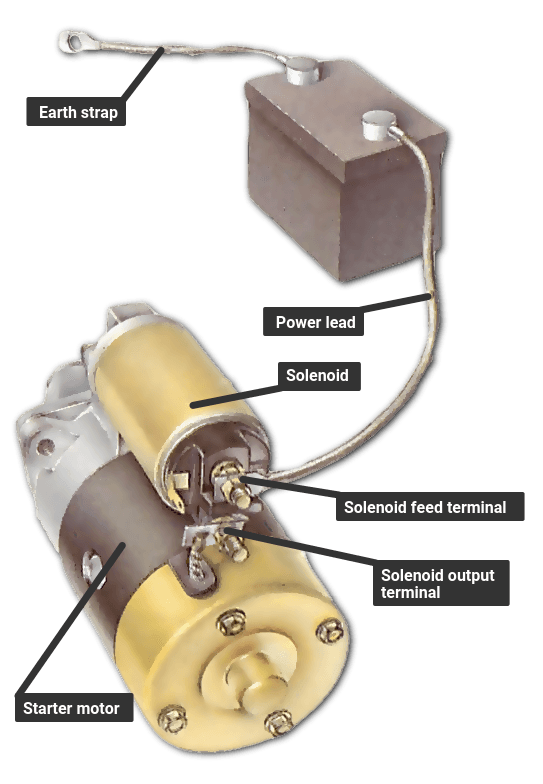
Testing a solenoid starts with knowing its terminals. Solenoid terminals connect power and control signals. Identifying them is crucial for testing. This guide helps you find and understand these terminals.
Understanding Terminal Types
Solenoids have different terminal types. Power terminals connect to the battery or power source. Control terminals link to switches or control circuits. Knowing these helps in proper testing.
Locating Terminals
Terminals are usually on the solenoid’s top or side. Look for small metal posts or connectors. They are clearly marked or labeled. Check the solenoid’s manual for exact locations.
Step-by-step Testing Guide
Testing a solenoid with a screwdriver may seem unconventional, but it’s a practical approach when you’re short on specialized tools. This step-by-step guide will walk you through the process, ensuring you understand each stage thoroughly. Whether you’re a seasoned mechanic or a curious DIYer, this guide will make solenoid testing accessible and straightforward.
Disconnecting Power
Safety first! Before you start testing, ensure the solenoid is disconnected from any power source. This prevents any accidental shocks or damage to your equipment. Always double-check the power switch and unplug any connected cables. A simple mistake here can lead to bigger problems, so pay close attention.
Checking For Continuity
Do you know if your solenoid is still alive? Checking for continuity is the way to find out. Use a multimeter to test the solenoid’s terminals. Set the multimeter to the continuity setting and place the probes on the terminals. If you hear a beep, congratulations, your solenoid is still functional! No beep? It might be time for a replacement.
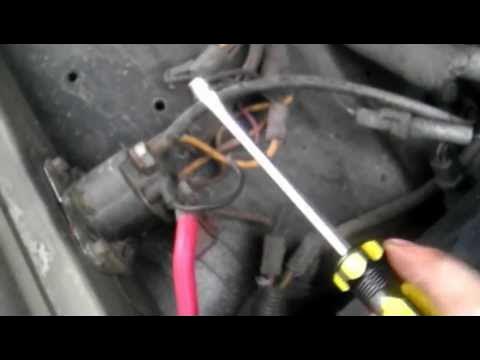
Using A Screwdriver To Test
Here’s the fun part—grab your screwdriver! Place it near the solenoid’s coil while the solenoid is activated. Feel any magnetic pull? That’s the solenoid doing its job! If your screwdriver doesn’t budge, there might be an issue with the solenoid’s coil. Ever tried this trick before? It’s surprisingly effective and gives a quick insight into the solenoid’s performance.
Testing a solenoid can be straightforward if you follow these steps. Have you ever thought about how simple tools can reveal so much? Next time you’re faced with a solenoid mystery, remember your trusty screwdriver can be your guide.
Credit: www.youtube.com
Interpreting Test Results
Testing a solenoid with a screwdriver involves checking electrical connections for functionality. Start by ensuring the solenoid is properly grounded. Then, use the screwdriver to bridge the solenoid’s terminals, observing any movements or sounds indicating a working solenoid.
Interpreting the results of your solenoid test is crucial. It can mean the difference between a quick fix and a prolonged issue. With a simple screwdriver test, you can determine if your solenoid is in working order or if it needs replacement.Signs Of A Faulty Solenoid
A faulty solenoid can cause a variety of issues in your machinery or vehicle. If the solenoid isn’t working, your starter may not engage when you turn the key. You might hear a clicking sound, but the engine won’t crank. This could mean the solenoid isn’t sending power to the starter motor. Another sign is an erratic or weak starter. If it seems like your vehicle is struggling to start, the solenoid may be failing. Corrosion or burnt marks on the solenoid could also indicate a problem. These visible signs often accompany internal failures, necessitating a replacement.When The Solenoid Is Functioning
If your solenoid is functioning properly, you should notice a distinct click when you perform the screwdriver test. This click indicates that the solenoid is effectively connecting the starter circuit. Your engine should crank and start smoothly. In this case, the solenoid is doing its job, sending the necessary current to the starter motor. The absence of any unusual sounds, like grinding or buzzing, suggests your solenoid is healthy. If everything checks out, you’ve likely ruled out the solenoid as the source of any starting issues. Have you ever been surprised by the power of a simple tool like a screwdriver? It’s fascinating how such an everyday item can diagnose complex machinery problems. Remember, understanding your test results empowers you to make informed decisions about repairs. What insights have you gained from testing solenoids? Share your experiences or questions in the comments!Troubleshooting Common Issues
Troubleshooting common issues with solenoids can be straightforward. It involves checking a few key areas to identify the problem. These components often face power supply issues or mechanical failures. By knowing what to look for, you can quickly resolve these issues.
Dealing With Power Supply Problems
First, ensure the power source is active and stable. A weak or unstable power supply can cause the solenoid to malfunction. Check all connections for loose or corroded contacts. A simple fix could be tightening the connections. Use a multimeter to verify the correct voltage is reaching the solenoid. An incorrect voltage can prevent the solenoid from working properly.
Addressing Mechanical Failures
Mechanical failures are another common issue. These involve the internal components of the solenoid. Listen for unusual noises, which can indicate mechanical issues. Inspect the solenoid for physical damage or wear. If the solenoid is stuck, gently tap it with a screwdriver. This can free up any jammed parts. Ensure all moving parts are lubricated and free from debris. Proper maintenance can prevent mechanical issues from arising.

Credit: startersolenoid.net
When To Seek Professional Help
Testing a solenoid with a screwdriver can be simple. But not always. Sometimes, you may need professional assistance. Knowing when to seek expert help is crucial. It saves time and prevents further damage. Let’s explore scenarios where calling a professional is best.
Signs Of Complex Electrical Issues
Some solenoid issues are beyond DIY repair. These include complex electrical problems. For example, if your solenoid produces unusual noises. Or if it’s overheating. These signs indicate deeper electrical issues. A professional can diagnose and fix these effectively.
Persistent Solenoid Malfunctions
Does the solenoid malfunction repeatedly? This persistent issue is a red flag. Quick fixes might not solve it. A professional can offer long-term solutions. They ensure your solenoid works efficiently.
Lack Of Proper Tools
Testing a solenoid requires specific tools. A screwdriver alone may not suffice. Professionals have the right tools and equipment. They can perform tests accurately. This ensures the solenoid functions properly.
Limited Technical Knowledge
Understanding solenoids requires technical know-how. If you lack this knowledge, it’s best to consult an expert. They have the expertise to handle intricate solenoid issues. This prevents potential errors and ensures safety.
Warranty Concerns
Attempting repairs may void your solenoid’s warranty. Professional service maintains warranty validity. They offer solutions without affecting warranty terms. This protects your investment in the long run.
Credit: www.howacarworks.com
Frequently Asked Questions
How Do You Manually Test A Solenoid?
Test a solenoid manually by disconnecting its power source. Apply voltage directly to the solenoid terminals. Listen for a click indicating activation. Use a multimeter to check continuity. Ensure the resistance matches specifications. Inspect for physical damage or blockages. Follow safety precautions during testing.
How Can You Tell If A Solenoid Is Bad?
Test for a clicking sound when the solenoid is activated. Check for irregular operation or failure to engage. Use a multimeter to measure electrical resistance. Inspect for physical damage, corrosion, or burnt smells. If these symptoms appear, the solenoid might be faulty.
How To Test A Solenoid Valve Without A Multimeter?
To test a solenoid valve without a multimeter, listen for a clicking sound when powered. Ensure it opens and closes by manually feeling for airflow or liquid movement. Check for any blockages or debris that might hinder operation. Ensure proper voltage supply with alternative methods like a test light.
How To Test For A Bad Starter Solenoid With A Multimeter?
Set the multimeter to DC voltage. Connect the red lead to the solenoid’s input terminal and the black lead to ground. Turn the ignition to the “start” position. A reading below 12 volts indicates a faulty solenoid. Ensure safety precautions when testing electrical components.
Conclusion
Testing a solenoid with a screwdriver is simple and effective. You only need basic tools and a little patience. This method helps you identify solenoid issues quickly. Regular checks can prevent bigger problems down the road. Remember to always work safely and disconnect power.
Protect yourself and your vehicle. Understanding solenoid testing keeps your car running smoothly. It’s a handy skill to have. Next time your car acts up, try this technique. Save time and money with easy solenoid testing. Keep your vehicle in top shape without hassle.
Happy testing!