Is your car engine acting up, and you’re wondering if the throttle position sensor (TPS) might be the culprit? You’ve come to the right place.
Testing a throttle position sensor with a multimeter is a straightforward process that can save you time and money. Imagine being able to diagnose the issue yourself without a trip to the mechanic. Sounds empowering, right? In this guide, you’ll discover simple steps to check your TPS using a multimeter, ensuring your vehicle runs smoothly.
You’ll learn how to interpret the readings like a pro, giving you the confidence to tackle this task head-on. Ready to take control and get your car back on track? Let’s dive in and demystify the process together!

Credit: www.onallcylinders.com
Throttle Position Sensor Basics
Understanding the throttle position sensor (TPS) is crucial if you’re dealing with vehicle performance issues. This small but vital component in your car is like a translator between your gas pedal and the engine. It tells the engine how much power you need by measuring the position of the throttle. But what happens when it fails? Knowing the basics of this sensor can save you time, money, and a lot of frustration.
Function In Vehicle
The throttle position sensor plays a pivotal role in your vehicle’s performance. It communicates with the engine control unit (ECU) by sending information about the throttle’s position. This helps the ECU determine the right mix of air and fuel for combustion.
Think of it as your car’s way of understanding how hard you’re pressing the gas pedal. Without this information, your engine can’t perform optimally. Imagine driving without knowing how much pressure you’re applying—pretty chaotic, right?
Common Symptoms Of Failure
Have you noticed any unexpected issues with your car’s acceleration or fuel consumption? These could be symptoms of a failing TPS. If your car hesitates or jerks when you accelerate, it might be time to check the sensor.
Another telltale sign is inconsistent idling. If the RPM fluctuates while the car is stationary, the TPS could be sending incorrect data to the ECU. Sometimes, you might even experience an illuminated check engine light.
Before jumping to conclusions, consider testing the TPS with a multimeter. It’s a simple process that can confirm your suspicions. Do you have a multimeter handy? If not, getting one could be your next best move. They’re affordable and useful for various car diagnostics.
Preparing For Testing
Testing a throttle position sensor with a multimeter involves checking voltage and resistance. Start by locating the sensor and disconnecting its connector. Use the multimeter to measure the sensor’s voltage as the throttle opens and closes, ensuring readings match manufacturer specifications.
Testing a throttle position sensor (TPS) with a multimeter can save you time and money. Before diving in, it’s crucial to prepare adequately to ensure accurate results. Being well-prepared not only makes the process smoother but also prevents potential mishaps. So, how do you set yourself up for success? Let’s dive into the essentials you need to have in place before you start testing.Required Tools
First, gather all the necessary tools. A reliable multimeter is a must-have, as it’s the primary tool for testing the sensor. Ensure it’s in good working condition and has fresh batteries. Besides the multimeter, you’ll need a set of screwdrivers. These will help you access the TPS, which might be tucked away behind various engine components. A repair manual for your car model can also be invaluable, offering guidance on locating and accessing the sensor.Safety Precautions
Safety should always be your top priority. Before you start, make sure your car is parked on a flat surface and the engine is turned off. This prevents any accidental movements that could lead to injury. Disconnect the battery to avoid any electrical shocks. Wearing gloves and safety goggles is a good practice, as it provides an extra layer of protection. And remember, never rush the process. Taking your time ensures both safety and accuracy. As you prepare to test the TPS, think about why this step is crucial. Have you ever tried fixing something only to realize you didn’t have the right tools? Frustrating, right? Preparing well ensures you won’t face such setbacks. So, are you ready to tackle the throttle position sensor with confidence? With the right tools and safety measures in place, you’re set to proceed with precision and ease.Locating The Sensor
Locating the throttle position sensor is crucial for accurate testing. Typically, it’s found near the throttle body. Identifying its position ensures efficient multimeter testing, aiding in precise sensor evaluation.
Locating the throttle position sensor (TPS) is the first step in testing it with a multimeter. Understanding its position can save you time and frustration. It’s like having a map before starting a road trip. The TPS is essential for your vehicle’s engine performance, as it monitors the position of the throttle and sends data to the engine control unit. Let’s dive into how you can locate this critical component in your vehicle.Identification In Different Vehicles
Not all vehicles are created equal, and neither are their engines. The location of the TPS can vary depending on the make and model of your vehicle. In many cases, the sensor is found near the throttle body, which is connected to the air intake system. Check your vehicle’s manual to see diagrams and descriptions that can guide you. Some vehicles may have the sensor integrated into the throttle body, while others have it mounted externally. For example, in older models, the TPS might be easier to spot because of fewer surrounding components. Understanding these differences can make the identification process smoother and quicker.Access Points And Removal
Once you’ve identified the sensor, the next challenge is accessing it. This can involve removing components like the air intake hose or engine cover. You might need basic tools like a screwdriver or wrench. Make sure your car is off and the keys are out of the ignition before you start. Carefully disconnect any electrical connectors attached to the TPS. If you’re not sure which one it is, look for a connector that leads directly to the throttle body. Removing the sensor might require unscrewing it from its position. Keep track of any screws or bolts you take out to avoid losing them. Have you ever spent hours searching for a misplaced tool or screw? It’s frustrating, and it can delay your progress. Being methodical and organized can save you from this hassle. Set aside a specific spot for each component you remove. Remember, patience and attention to detail are your best friends in this process. By understanding the layout of your vehicle and following these steps, you’ll be better equipped to locate and access the throttle position sensor. Have you located your TPS yet? What challenges did you face, and how did you overcome them?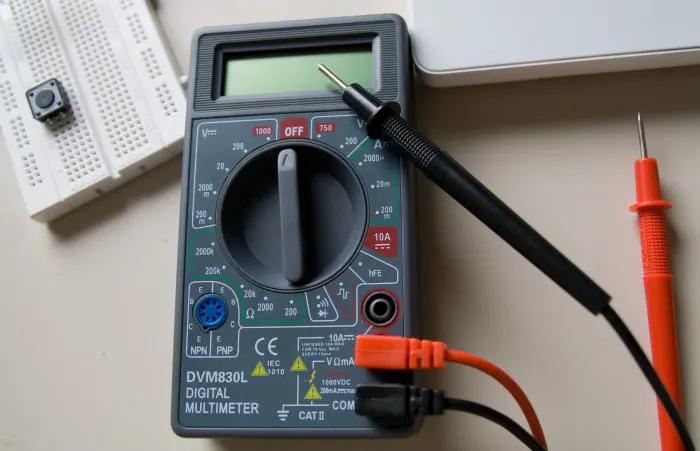
Credit: www.jakelectronics.com
Using A Multimeter
Using a multimeter to test a throttle position sensor is straightforward. It’s a handy tool that helps diagnose issues in your car. With some basic steps, you can ensure your car’s throttle is functioning well.
Setting Up The Multimeter
Start by setting up your multimeter. First, turn it on. Set it to measure voltage. Ensure the dial is in the correct position. You want it to read DC voltage. Adjust the range if your multimeter allows it. Aim for a range suitable for your car’s sensor.
Check the battery in your multimeter. A low battery can give inaccurate readings. Replace it if necessary. Make sure the screen is clear. It should be easy to read.
Connecting The Probes
Next, connect the probes of your multimeter. Locate the throttle position sensor in your car. It’s usually near the throttle body. Find the sensor’s connector. Unplug it carefully. Look for the sensor’s pins.
Connect the multimeter’s black probe to a ground point. This can be any metal part of the car. The red probe goes to the sensor’s signal pin. Be gentle; avoid bending or damaging pins.
Once connected, turn your ignition to the “on” position. Avoid starting the engine. Observe the multimeter’s reading. It should show the sensor’s voltage output. This reading helps diagnose sensor issues.
Testing Process
The throttle position sensor (TPS) is crucial for engine performance. Testing it ensures smooth functioning and prevents unexpected breakdowns. A multimeter helps in diagnosing any faults. Let’s explore the testing process to ensure your TPS is in top shape.
Voltage Testing
Begin by setting your multimeter to DC voltage. Connect the positive lead to the sensor’s signal wire. Attach the negative lead to the ground wire. Turn the ignition key to the “on” position without starting the engine. Observe the multimeter reading. It should show a gradual increase in voltage as you press the accelerator pedal. Consistent voltage changes indicate a healthy sensor.
Resistance Testing
Switch your multimeter to measure resistance. Disconnect the sensor from the vehicle. Connect the multimeter leads to the sensor terminals. Check the resistance reading on the multimeter. Compare it with the manufacturer’s specifications. Deviations may suggest a faulty sensor. Ensure the sensor’s resistance changes smoothly as you adjust the throttle.
Testing a TPS with a multimeter is straightforward. It identifies potential issues early. Regular checks can prolong your vehicle’s life and performance.
Interpreting Results
Testing a throttle position sensor with a multimeter involves checking voltage output and resistance. Start by connecting the multimeter probes to the sensor terminals. Gradually open the throttle and observe changes in voltage readings, ensuring smooth transitions.
Interpreting the results from your throttle position sensor test is crucial for understanding your vehicle’s health. Once you’ve gathered your data using a multimeter, it’s time to make sense of it. This step involves examining voltage readings and resistance data carefully. If you’ve ever felt uncertain after testing, you’re not alone. Many find interpreting these numbers challenging. Yet, with some guidance, you can confidently assess your sensor’s performance.Understanding Voltage Readings
When you measure voltage, you’re checking how well the sensor communicates with your car’s computer. You should see a gradual rise in voltage as you press the accelerator. Typically, this range is between 0.2 volts at idle to around 4.9 volts at full throttle. If the readings jump or don’t follow this pattern, it might indicate a fault. Consider a time when your car hesitated during acceleration. A faulty throttle position sensor could have been the culprit.Evaluating Resistance Data
Resistance data is another key indicator of your sensor’s health. To test resistance, disconnect the sensor from the vehicle. Then, measure the resistance between the specified terminals. Consistent and stable resistance readings suggest your sensor is in good condition. However, if the numbers are erratic or outside the manufacturer’s range, it might be time for a replacement. Remember a time you struggled with a rough idle? A faulty sensor could have been the underlying issue. By understanding voltage and resistance, you gain insight into your car’s performance. Have you ever thought about how a small sensor could impact your driving experience? With these skills, you can diagnose issues before they become major problems.Troubleshooting And Solutions
Testing a throttle position sensor with a multimeter involves simple steps. Begin by setting the multimeter to the voltage setting. Connect the probes to the sensor’s terminals. Check for consistent readings as the throttle opens and closes.
Testing a throttle position sensor (TPS) with a multimeter can save you time and money. If your vehicle is experiencing performance issues, the TPS might be the culprit. Understanding how to troubleshoot and find solutions is crucial to getting your car back on the road smoothly.Common Issues And Fixes
A faulty TPS can lead to erratic engine behavior. You might notice your car idling inconsistently or even stalling. A multimeter is your best friend here. By measuring the TPS voltage, you can identify if the sensor is providing incorrect readings to your car’s computer. Start by checking for any obvious signs of damage, like frayed wires. If the multimeter shows a voltage that doesn’t change smoothly as you move the throttle, the sensor might be worn out. Cleaning the sensor connectors can sometimes solve the problem without needing to replace the entire sensor. What if the readings are way off? This might point to a more serious issue, like a short circuit. In such cases, you might need professional help to ensure your safety and avoid further damage.When To Replace The Sensor
Knowing when to replace the TPS is as important as diagnosing it. If cleaning and troubleshooting don’t rectify the issue, it’s time to consider a replacement. A persistent check engine light after all other fixes suggests the sensor is beyond repair. But how do you decide if replacement is necessary? Consistently poor fuel economy, sluggish acceleration, and continued stalling are key indicators. I once ignored these signs in my own car, thinking it was just a minor glitch. The result? A breakdown on a busy highway. Replacing the sensor is a straightforward process, but ensure you get a high-quality part. Cheap sensors might save you money upfront but can cause long-term headaches. Is your vehicle showing any of these signs? Addressing them promptly can prevent larger, more expensive problems down the road. Your vehicle’s performance depends on it.
Credit: www.youtube.com
Frequently Asked Questions
How To Test Tps Sensor With Multimeter?
To test a TPS sensor with a multimeter, first disconnect the sensor. Set the multimeter to DC voltage. Connect the multimeter’s probes to the sensor’s signal and ground wires. Turn the ignition on. Monitor voltage changes as you move the throttle, ensuring smooth, consistent readings.
How To Check If Throttle Position Sensor Is Bad?
Test the throttle position sensor using a multimeter. Check for erratic voltage readings. Observe symptoms like poor acceleration, stalling, or inconsistent idling. Inspect for a check engine light indicating sensor issues. Ensure connectors and wiring are secure and undamaged. Replace the sensor if diagnosed faulty.
How Many Volts Should A Tps Sensor Read?
A TPS sensor typically reads between 0. 2 to 1. 5 volts at idle. It should reach around 4. 5 volts at full throttle. Ensure the readings are consistent to avoid performance issues. Regularly check and maintain the TPS sensor for optimal vehicle performance.
How To Test An Electronic Throttle Body With A Multimeter?
Use a multimeter to check voltage and resistance in the throttle body. Set the multimeter to the correct settings. Measure voltage across terminals. Check resistance in the motor and sensor circuits. Compare readings to manufacturer specifications for accuracy. Always ensure safety precautions while testing electronic components.
Conclusion
Testing a throttle position sensor with a multimeter is simple. Follow the steps carefully. Always ensure your multimeter is set correctly. Check for consistent readings. If readings fluctuate, the sensor may be faulty. Regular checks can prevent engine issues. A functioning sensor ensures smoother vehicle performance.
Save time and costs with proper maintenance. This basic knowledge empowers car owners. Ensure your vehicle runs smoothly and efficiently. Understanding these steps helps in quick diagnostics. Keep your vehicle in top shape. Happy driving!